
.png?width=48&height=48&name=Group%201%20(3).png)























14 September, 2026

Understanding Early Childhood Behaviour Therapy: A Guide
Key Highlights
- An early intervention specialist looks at the "whole child," assessing how speech, motor skills, and emotional regulation interact during crucial developmental years.
- Early childhood behaviour therapy is not about strict discipline; it is about teaching foundational social skills—like sharing, waiting, and transitioning—disguised as engaging play.
- Delivering early intervention support services via telehealth allows practitioners to collaborate seamlessly with parents, childcare educators, and kindergarten teachers. Commonly used behavioural interventions in early childhood therapy include positive reinforcement, modeling appropriate behaviours, social skills training, and structured routines—all of which can be effectively implemented through early intervention. Preparing for school transitions is a major focus, equipping young children with the emotional resilience needed for a busy classroom environment.
- Preparing for school transitions is a major focus, equipping young children with the emotional resilience needed for a busy classroom environment.
- daar provides Australian families with immediate access to premium early childhood experts, bypassing the stress of extended regional and metro waitlists.
Introduction
When your toddler or preschooler begins missing developmental milestones, or if daily routines become a constant battle of massive meltdowns, it is natural for parents to feel a deep sense of anxiety. You want to give your child the best start in life, but navigating the maze of pediatric therapies and therapy sessions can be incredibly daunting. Where do you even begin? One important step is to consider the qualifications of early childhood intervention staff or therapists, especially those who can provide parent coaching. Parents should look for professionals with accredited degrees or certifications in fields such as speech therapy, occupational therapy, or child development, as well as relevant licenses and experience working with young children. Additionally, expertise in early intervention techniques and a compassionate, family-centered approach are key factors to ensure the best support for your child.
The answer lies in targeted, compassionate, and highly specialised care. At daar, our virtual clinic connects Australian families with experts who understand the unique landscape of early development, incorporating applied behaviour analysis principles that enhance community life. Let’s explore the critical role of an early intervention specialist, how play-based behaviour therapy sets your child up for school success, and the benefits of bringing comprehensive support services straight into your home.
The Role of an Early Intervention Specialist
Young children do not learn in silos. A delay in expressive language can lead to intense behavioural frustration, which in turn can impact their ability to socialise with peers and affect their lives of children. Because these areas are entirely interconnected, you need a professional who can see the big picture.
An early intervention specialist—such as a paediatric allied health professional or early childhood educator acting as a key worker—evaluates the "whole child." Rather than just treating one specific symptom, they look at your child’s environment, sensory profile, and family dynamics. Through our telehealth platforms, our specialists observe how your child plays and communicates in their absolute safest environment, allowing for a highly accurate, holistic developmental assessment that plays a vital role without the trauma of a clinical visit.
The Magic of Early Childhood Behaviour Therapy
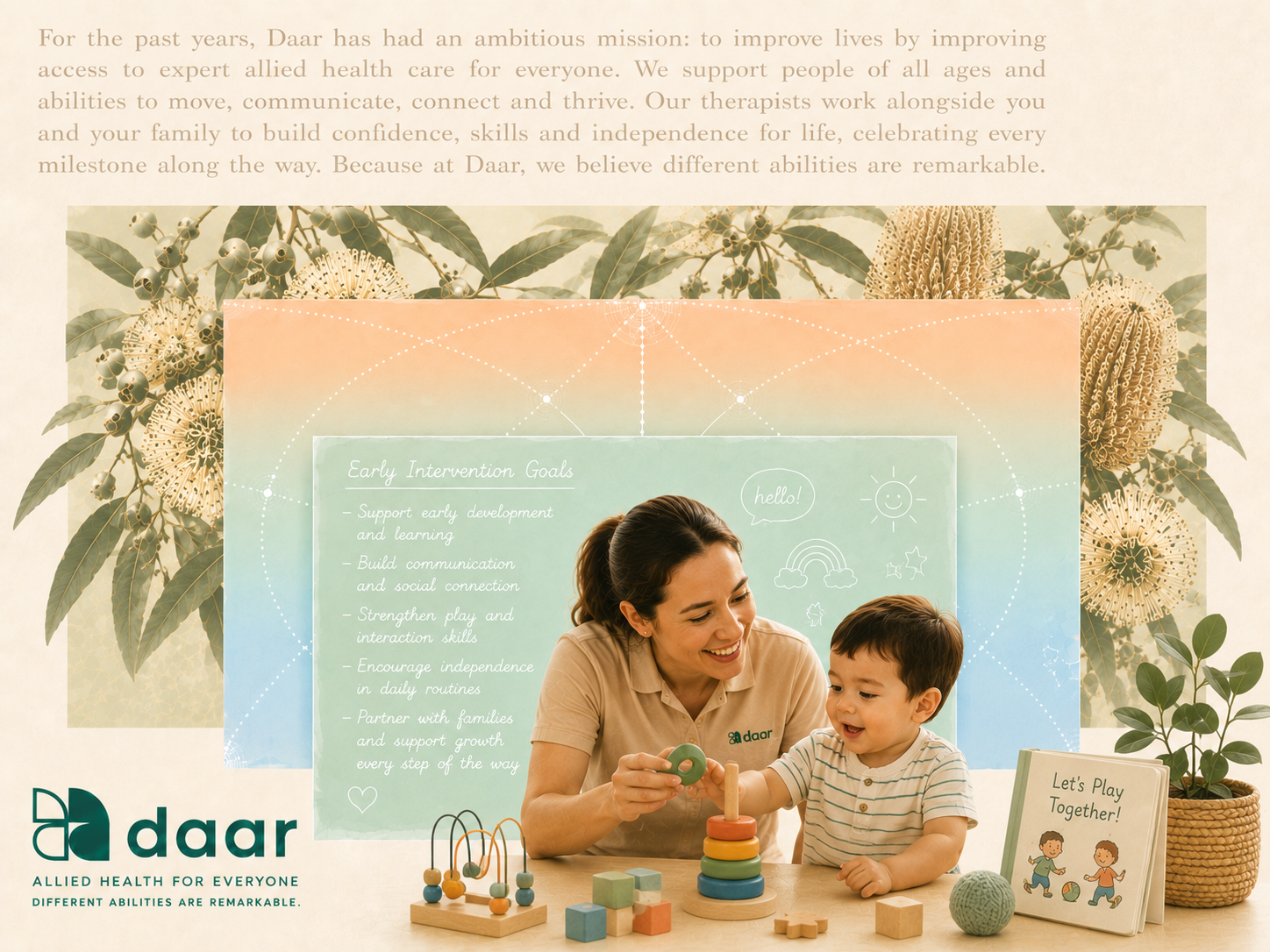
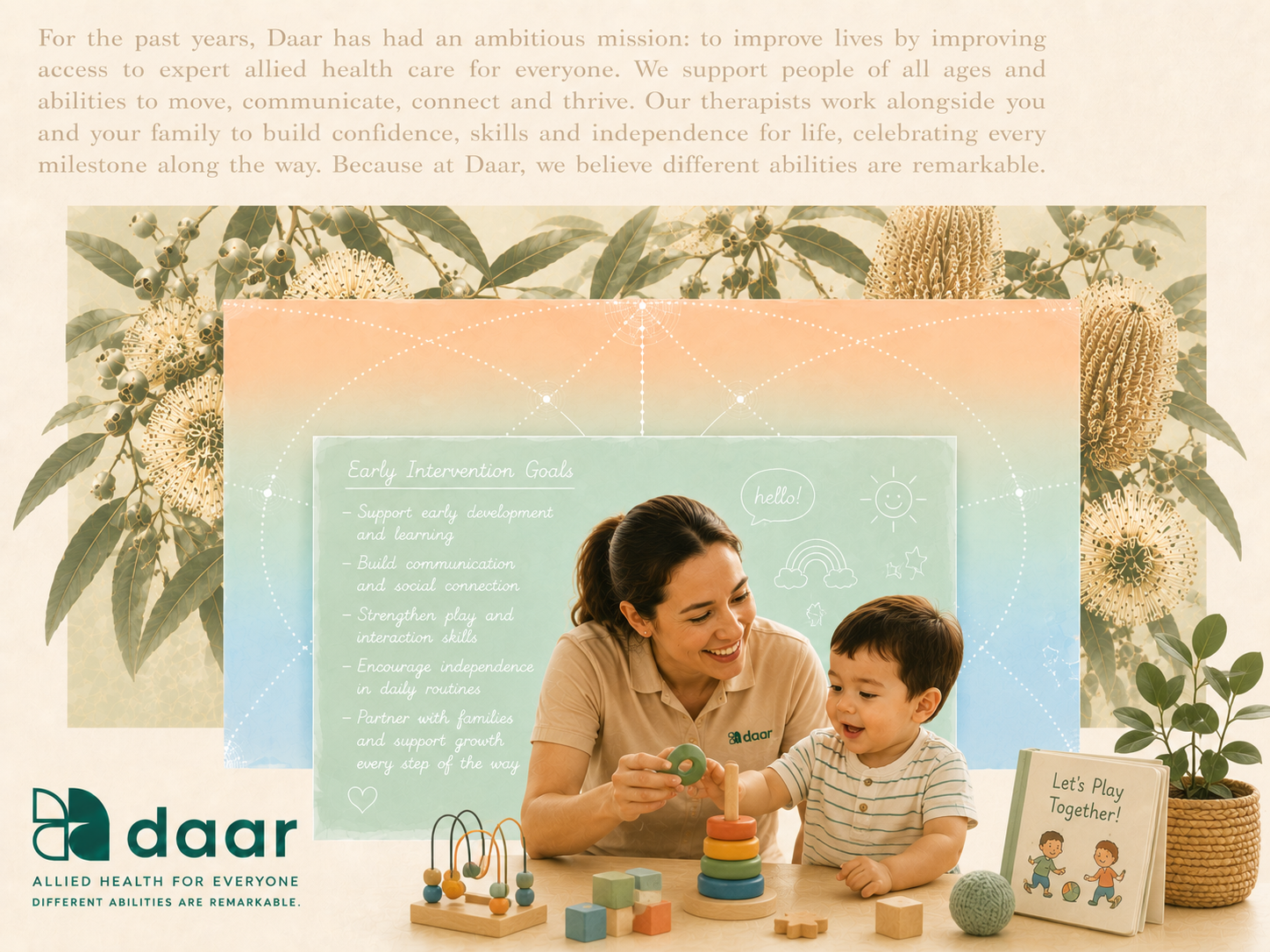
When parents hear the word "therapy," they often picture sitting at a desk and talking. However, the benefits of behavioural therapy for toddlers and preschoolers, which support their mental health, look entirely different. It looks like playing with toy cars, building block towers, and singing songs.
For a young child, play is their primary language and their most important work. Our specialists use play therapy and play to teach crucial functional skills. If a child struggles with aggressive behaviour when a toy is taken away, we do not simply punish the aggression. Instead, we use play-based therapy to practice turn-taking, teach the concept of "waiting," and introduce the child to emotional vocabulary like "I am mad!" This neuro-affirming approach ensures the child learns emotional regulation without feeling shamed or forced into compliance.
Preparing for the Future: School Readiness
One of the primary goals of engaging an early intervention specialist and their team members is to prepare your child for upcoming life transitions, most notably starting kindergarten or primary school. A classroom is a highly demanding environment full of sensory noise, rapid transitions, and complex social rules.
Our therapy programs focus heavily on building the "readiness" skills required for these environments. We help families establish visual morning routines, practice following multi-step instructions, and develop self-advocacy skills to enhance social interaction and improve the quality of life, so the child can safely communicate with their future teachers when they are feeling overwhelmed.
Bridging the Gap: Comprehensive Early Intervention Support Services
A child’s support system shouldn't be limited to what happens within the four walls of your home. High-quality early intervention support services must extend to the other places your child spends their time, such as early learning centres or daycares, creating a supportive environment for their growth.
Telehealth makes this transdisciplinary collaboration incredibly simple. With your permission, our daar specialists can easily invite your child’s childcare educator to a secure video consult. We can share the behavioural strategies working at home, ensuring the child with additional needs receives consistent, positive support whether they are in your living room or the daycare sandbox. This seamless communication prevents regression and accelerates the child’s learning.
Conclusion
The early years of a child's life are fleeting, and the window for foundational neurodevelopment is small. You don't have to spend those precious years sitting on a clinic waitlist or trying to decode challenging behaviours related to developmental delays on your own.
With the guidance of a dedicated specialist, you can turn chaotic moments into powerful learning opportunities for young people. If you are ready to equip your child with the skills they need to thrive, reach out to our compassionate team.
Explore a consultation or call daar directly at 02 9133 2500 to find your perfect match today.
Frequently Asked Questions
Can an early intervention specialist diagnose my child with Autism or ADHD?
While our allied health professionals (like psychologists and speech pathologists) play a critical role in observing traits, conducting functional assessments, and providing evidence for a diagnosis, formal medical diagnoses for conditions like Autism or ADHD in Australia are typically finalized by a Paediatrician or a multi-disciplinary diagnostic team. However, you absolutely do not need a formal diagnosis to begin an early intervention program for early childhood behaviour therapy with us, as we are committed to following the standards set by the peak body for the early intervention sector!
How is early childhood behaviour therapy funded?
If your child is connected with the NDIS through the Early Childhood Approach (ECA), you can utilise their "Capacity Building" budget. This collaborative approach to funding is specifically designed to be used for early intervention supports, allowing you to access daar’s virtual allied health professionals to build your child's functional capacity and independence.
How does Early Childhood Intervention connect to ABA therapy?
Early Childhood Intervention (ECI) plays a crucial role in ABA (Applied Behaviour Analysis) therapy by providing support and resources tailored to young children with developmental delays. ECI typically involves multidisciplinary teams, including occupational therapists, focusing on enhancing children's skills, facilitating positive behavioural changes, and fostering family involvement, ultimately improving outcomes through individualized therapeutic approaches.
.svg)




.svg)