




















26 November, 2026

Behaviour Therapy: A Comprehensive Guide to Support Plans
Key Highlights
- A positive behaviour support plan gives clear support strategies for reducing challenging behaviour in safe, respectful ways.
- It focuses on the person’s needs, strengths, routines, and goals to improve quality of life.
- Good plans use proactive strategies before problems grow and help create positive outcomes over time.
- Families, support workers, and practitioners work together to keep responses consistent.
- Under the NDIS, plans must meet specific requirements and aim to reduce restrictive practices.
Introduction
Positive behaviour support is a practical, person-centered way to understand behaviours of concern and respond with respect. Instead of only trying to stop a behaviour, it looks at why it happens and what support may help. That could include better communication, changes to routines, or clearer responses from the support network. When everyone around the person works together, support becomes more consistent, and daily life can feel safer, calmer, and easier to manage.
Understanding Positive Behaviour Support
Understanding positive behaviour support involves a team effort to enhance the overall quality of life for individuals facing challenging behaviours. By focusing on unmet needs and understanding underlying reasons for certain actions, behaviour support practitioners develop practical strategies that promote positive change. This can include environmental modifications and reinforcement techniques, like verbal praise, to facilitate skill development in communication and social interactions. Such proactive strategies foster healthy relationships and greater independence, ensuring that support networks are tailored to meet specific needs effectively.
Key Principles of Behaviour Support
At its core, positive behaviour support starts with one simple idea: all behaviour serves a purpose. If you understand the underlying reasons, you can choose support strategies that actually help instead of reacting in ways that make things harder.
That is why strong plans focus on proactive strategies and daily support, not punishment. They also aim to build positive relationships between the person and the people supporting them. A helpful approach often includes:
- finding the triggers and patterns linked to the behaviour
- teaching safer or clearer ways to communicate needs
- using positive reinforcement when new skills are used
- making small changes to routines or surroundings
- helping everyone respond in a calm, consistent way
When these principles are followed, support becomes more respectful and more effective. The goal is not control. It is to help the person feel understood, safe, and more able to take part in everyday life.
How Positive Behaviour Support Benefits Individuals with Challenging Behaviours
For many people, positive behaviour support improves daily life because it addresses behaviours of concern in a practical and respectful way. Instead of only reacting after something goes wrong, it helps the person build tools they can use before stress rises too far.
You may see benefits in several areas:
- stronger communication skills to express needs, feelings, or discomfort
- better social skills and safer social interactions
- support for emotional regulation, stress, and mental health
- more confidence across home, school, work, and community settings
Over time, that can lead to a better quality of life and fewer situations that feel overwhelming. It can also help the person become more independent, build healthier relationships, and take part more fully in everyday routines and goals.
What is a Positive Behaviour Support Plan?
A positive behaviour support plan is a written, person-centered guide that explains how to reduce problem behaviour and build safer, more positive skills. In simple terms, PBS plans give everyone in the support system a shared way to respond and support the person.
These plans usually include details about triggers, routines, strengths, goals, and practical actions for support workers and family. They also explain how progress will be reviewed. To understand why this matters, it helps to look at the purpose of the plan and when it is needed.
Purpose and Objectives of a Behaviour Support Plan
A behaviour support plan is designed to give clear direction to the people supporting someone with behaviours of concern. It is not just about reducing incidents. It is also about understanding unmet needs and helping the person develop better ways to communicate and cope.
A well-written plan usually aims to:
- explain the person’s strengths, goals, and support needs
- outline support strategies for daily routines and difficult moments
- reduce stress, risk, and confusion for everyone involved
- create positive outcomes that support greater independence
Just as important, the plan helps teams stay consistent across different settings. That consistency makes support easier to follow and more likely to work. When everyone understands what to do and why, the person has a better chance of learning new skills and feeling more secure.
When and Why a Behaviour Support Plan is Needed
A positive behaviour support plan is needed when behaviours of concern are affecting safety, participation, relationships, or daily routines. Sometimes the concern is growing distress. In other cases, there may be a clear risk of harm to the person or others.
A plan may be especially important when:
- support needs are becoming more complex across home, school, work, or community settings
- the person needs environmental modifications to reduce triggers
- restrictive practices are already being used and safer options must be put in place quickly
In these situations, a written plan gives structure and guidance. It helps teams respond early, lower escalation, and support the person in more respectful ways. That makes it easier to move from short-term management toward long-term skill growth and stability.
The Process of Developing a Behaviour Support Plan
Creating a strong plan starts with a comprehensive assessment. The practitioner gathers information about the person’s strengths, routines, goals, triggers, and daily experiences. This also includes looking at behaviour patterns, communication, and what the person may be trying to express through functional communication.
From there, best practices focus on teamwork. Support teams, family members, and other key people help shape the plan so it works in real life. The people involved and the steps they follow make a big difference, which is why both are worth understanding.
Who is Involved in Writing and Implementing the Plan
A positive behaviour support plan is written by qualified behaviour support practitioners. They do not work alone. Good planning depends on a team effort, because the best information often comes from the people who know the person well and support them every day.
That support network may include:
- family members, carers, or guardians
- support staff and support workers across daily settings
- health professionals such as therapists, GPs, or teachers
Each person has an important role. Practitioners assess and guide the process, while others share observations, help carry out strategies, and give feedback about what is working. When everyone stays involved, the plan is more practical, more consistent, and more likely to support real progress in daily life.
Steps for Creating an Effective Support Plan
The first step is a comprehensive assessment. That stage helps identify the person’s support needs, triggers, goals, daily routines, and the function of the behaviour. From there, the practitioner develops practical strategies that can be used consistently across settings.
The process usually follows a clear path:
|
Step |
What happens |
|---|---|
|
Initial consultation |
The practitioner meets the person, family, and key supports to understand needs, routines, triggers, and goals. |
|
Plan development |
Information from observation, reports, and discussion is used to design practical strategies and environmental changes. |
|
Implementation |
The plan is shared with support teams so strategies can be used at home, school, work, or in community settings. |
|
Review and reporting |
Progress is checked regularly, with updates made as needed and outcome reports prepared. |
Some plans may also be supported by plain English resources or participant fact sheets so everyone can follow the same approach. That makes the plan easier to use and easier to maintain over time.
NDIS Guidelines for Behaviour Support in Australia
In Australia, behaviour support under the National Disability Insurance Scheme follows clear rules designed to protect the rights, safety, and dignity of NDIS participants. Plans must be person-centered, practical, and linked to the person’s goals, daily life, and support needs.
There are also specific requirements around who can write plans and how restrictive practices are managed. These rules shape both interim and comprehensive plans. To make sense of that system, it helps to look first at the main NDIS requirements and then at practitioner qualifications.
Overview of NDIS Requirements
The NDIS guidelines require behaviour support to be respectful, evidence-based, and focused on the person’s rights. Plans should explain what support is needed, how strategies will be used, and how progress will be reviewed over time.
Under these requirements, a plan may need to include:
- details about behaviours of concern, triggers, and daily routines
- clear support strategies for prevention, response, and skill building
- information about any restrictive practice and how it will be reduced
- plain English explanations or participant fact sheets where helpful
If restrictive practices are being used, an interim plan is required within 30 days. A comprehensive plan takes longer because it involves deeper assessment and long-term planning. In both cases, the aim is the same: safer support, better consistency, and a reduced need for restrictive responses.
Specialist Qualifications for Positive Behaviour Support under the NDIS
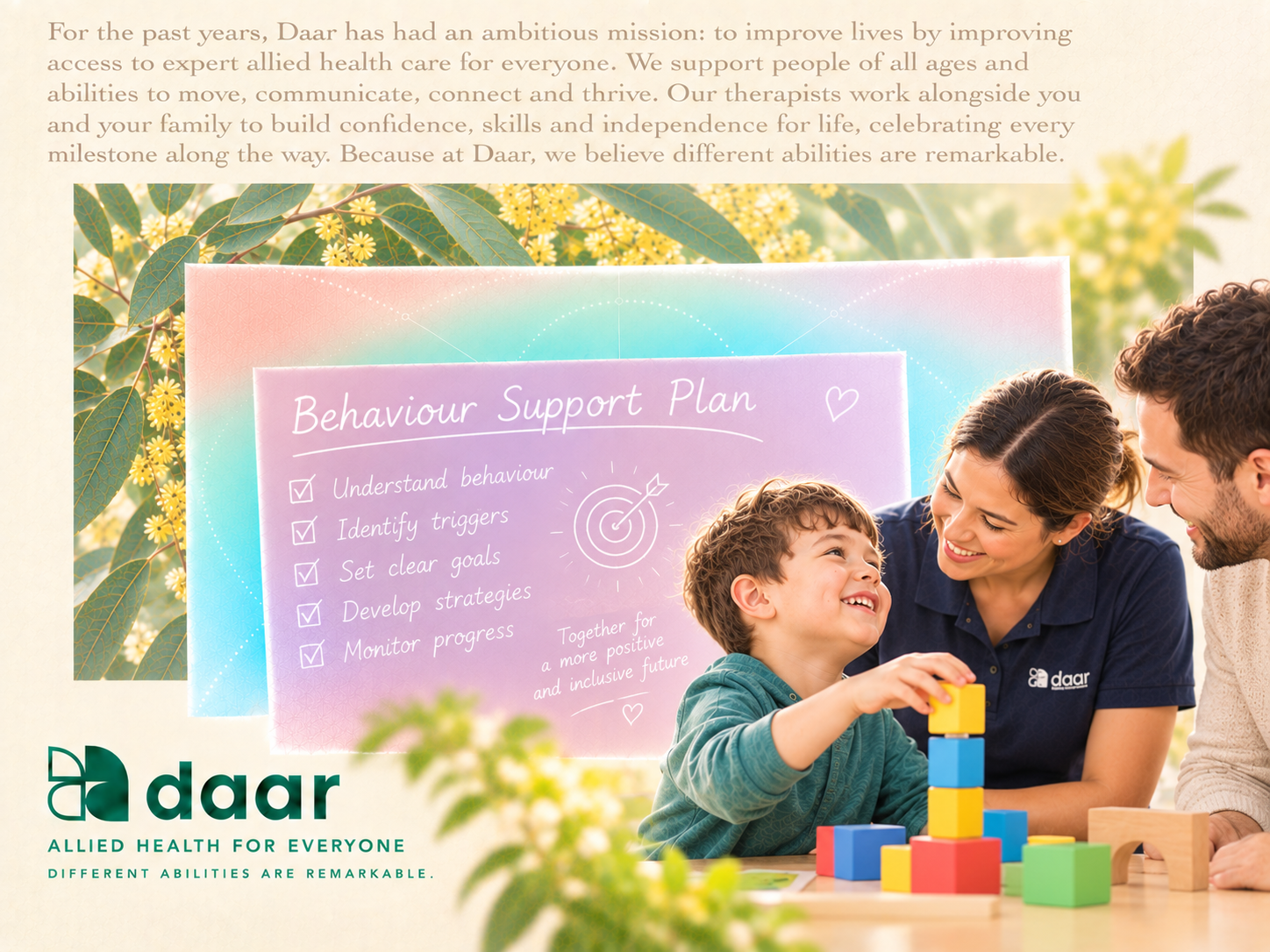
Under the NDIS, a positive behaviour support plan must be written by behaviour support practitioners who meet the Positive Behaviour Support Capability Framework. That means specialist qualifications matter, but so does the ability to apply best practices in real-world settings.
A suitable practitioner should have:
- the required capability level and registration expectations under the NDIS framework
- experience in assessment, plan development, and review
- the ability to guide support workers and others in using the plan consistently
The compiled information does not list exact degrees or online courses, but it is clear that qualified practitioners must meet NDIS standards before writing plans. Families should look for someone who can assess behaviour well, explain strategies clearly, and work respectfully with the full support network.
Conclusion
In summary, a Positive Behaviour Support Plan is an essential tool for fostering positive change in individuals facing challenging behaviours. By focusing on understanding the underlying reasons for these behaviours and implementing tailored strategies, we create an environment that promotes growth and development. The process of developing an effective support plan involves collaboration among caregivers, professionals, and the individuals themselves to ensure that their unique needs are met. As awareness and understanding of positive behaviour support continue to grow, it’s crucial to stay informed about best practices and NDIS guidelines.
If you’re ready to learn more about how a Positive Behaviour Support Plan can make a difference, feel free to reach out for a consultation or call daar at 02 9133 2500 for expert guidance tailored to your child’s needs. !
Frequently Asked Questions
Can positive behaviour support help people living with dementia?
Positive behaviour support can help when challenging behaviour is linked to needs, stress, or changes in routine. By using support strategies and creating a supportive environment, teams can respond more calmly and consistently. That may improve comfort, safety, and overall quality of life.
What are restrictive practices, and how are they addressed in a behaviour support plan?
A restrictive practice is any action that limits a person’s freedom or rights, such as restraint or seclusion. A behaviour support plan must explain why it is used, how it is monitored, and how support teams will reduce it through positive change and best practices.
How can a Positive Behaviour Support Plan benefit individuals with behavioural challenges?
A positive behaviour support plan can help a person learn new skills, improve communication, and handle stress in safer ways. With positive reinforcement and steady skill development, many people build confidence, manage daily routines better, and have more successful social interactions.


