
.png?width=48&height=48&name=Group%201%20(3).png)
























23 June, 2026

NDIS Behaviour Support Services: Transform Lives Today
Key Highlights
- NDIS positive behaviour support looks at why challenging behaviours happen and responds with respectful, practical help.
- A behaviour support plan gives you and your team clear steps to improve safety, routines, and daily participation.
- Behaviour support practitioners assess triggers, strengths, and unmet needs before recommending support.
- Services aim to reduce restrictive practices and remove them where possible.
- Children, teens, and adults may access support through the right NDIS funding.
- The focus stays on independence, dignity, and better everyday outcomes.
Introduction
NDIS behaviour support helps you understand the reason behind challenging behaviours instead of only reacting to them. This approach focuses on positive behaviour, safer daily routines, and support that fits real life. If behaviour is affecting learning, relationships, or participation, the right help can make things clearer and more manageable. With tailored strategies and guidance from trained practitioners, you and your support network can build better responses that improve confidence, reduce stress, and support meaningful progress over time.
What Is Included in NDIS Behaviour Support Services?
NDIS behaviour support services usually include specialist behaviour support, a behaviour assessment, and practical strategies to address a behaviour of concern. The aim is to understand what is driving the behaviour and what changes may help in everyday settings.
You can also expect guidance for your support team and support network, so everyone responds in a more consistent way. Services may include plan development, safer environmental adjustments, skill building, and links to other supports that help improve participation and daily life.
Core Components and Professional Supports Offered
At the center of positive behaviour support is a careful look at what is happening, where it happens, and why. Behaviour support practitioners work with you, your family, and other key people to complete a behaviour assessment and identify triggers, strengths, and needs. This helps shape support services that are practical, respectful, and easier to use every day.
You may receive a mix of supports designed to improve safety, reduce stress, and build skills. These often include:
- assessment of abilities, routines, and environments
- strategies for support workers and carers to respond consistently
- plans to reduce or remove restrictive practices
- referrals to mental health, family support, or other services when needed
Who can access these support services through the NDIS? People with funding under Improved Relationships or Behaviour Support in their plan can usually access this help. Some people with daily living funding may also be able to access programs for moderate behavioural challenges.
Specialised Child Behaviour Support Under NDIS
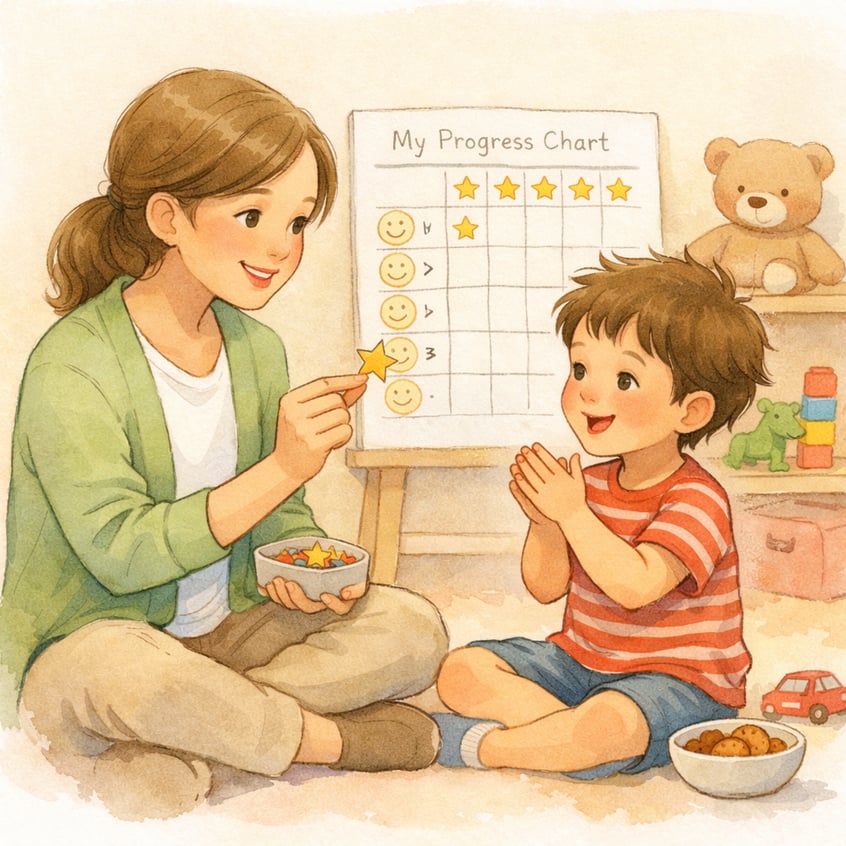
Children can receive specialised support when behaviours of concern affect home life, school participation, or daily routines. NDIS behaviour support can help children with challenging behaviour by identifying what they are trying to communicate and what changes will support calmer, safer responses. This is especially important when developmental concerns affect a child’s learning and participation.
Support for kids may include early childhood supports and help for the people around them. This can involve:
- guidance for parents and caregivers
- practical routines that support learning and regulation
- strategies to reduce triggers in everyday settings
- coordination with a broader therapy team when needed
For children under nine, a key worker may also be involved to support better outcomes. That gives families extra family support and helps make sure strategies are carried into real routines, not just discussed in theory.
Creating an Effective Positive Behaviour Support Plan
A positive behaviour support plan works under the NDIS by turning assessment findings into clear, usable actions. Your behaviour support plan explains the triggers, goals, responses, and effective strategies that can reduce risk and improve daily life. It is designed around your strengths, routines, and goals.
This tailored plan is created with you and your support team, so everyone understands what to do and why it matters. The next steps show how a plan is developed and how progress is tracked over time.
Steps to Develop a Customised Plan Through the NDIS
The process starts with checking your NDIS plan for the right funding. From there, a practitioner completes a behaviour assessment to understand the person’s needs, the meaning behind behaviour, and what support will work best in daily settings. NDIS positive behaviour support differs from general behaviour support because it is tied to NDIS funding, regulatory requirements, and formal planning when restrictive practices are involved.
If restrictive practices are being used, an interim plan is prepared first. Then, a comprehensive behaviour support plan is developed after more time, observation, and additional assessments.
|
Step |
What Happens |
|---|---|
|
Funding check |
Your NDIS plan is reviewed for Behaviour Support or Improved Relationships funding. |
|
Assessment |
A practitioner looks at triggers, abilities, environments, and daily patterns. |
|
Interim support |
If restrictive practices are in place, an Interim Behaviour Support Plan is provided within 30 days of your assessment. |
|
Ongoing planning |
A comprehensive behaviour support plan is developed within six months using tested positive behaviour support strategies. |
Implementation Strategies and Monitoring Progress
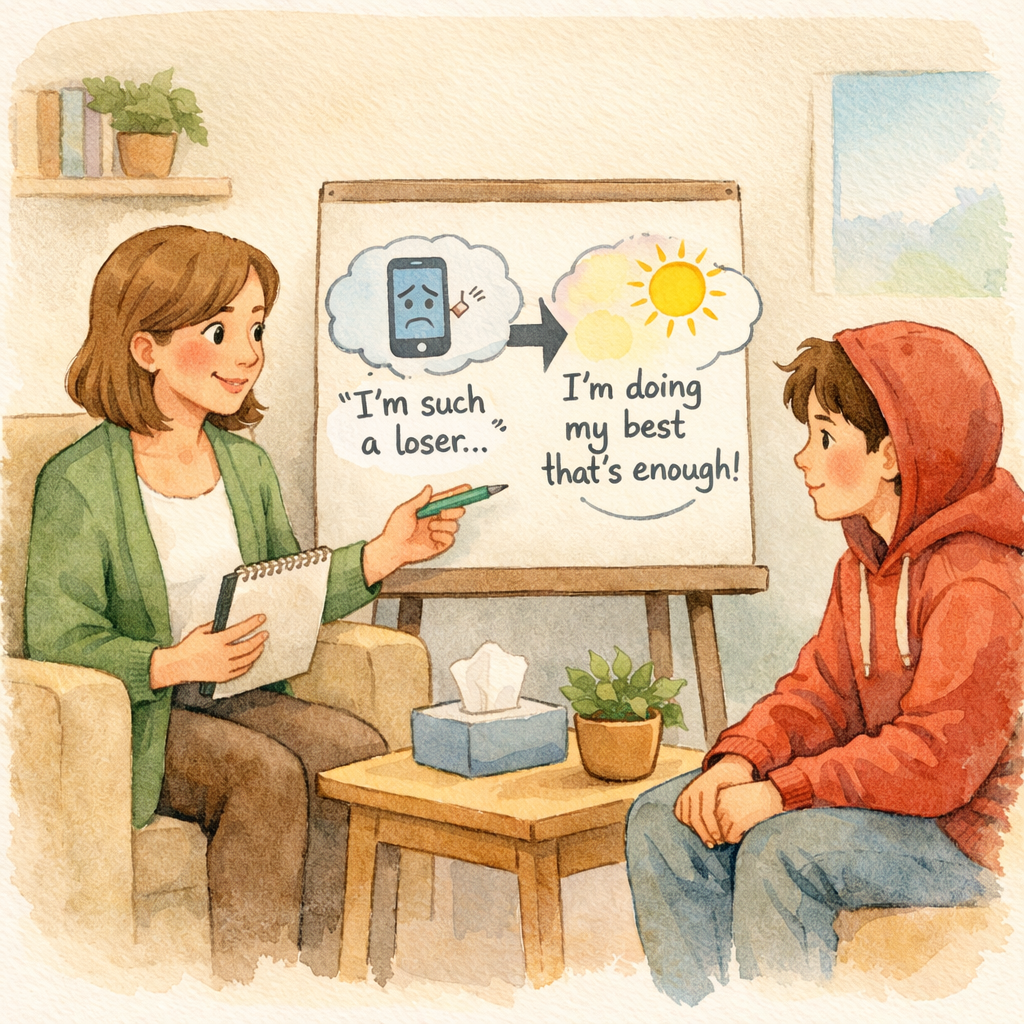
Once a plan is written, the real work happens in everyday life. The plan is shared with the people who support you, so behaviour support strategies are used consistently at home, in school, at work, or in the community. This is how a positive behaviour support plan works under the NDIS: it becomes a practical guide for daily action.
Common implementation steps include:
- teaching the support network how to spot triggers
- using practical strategies that improve predictability and safety
- building skills such as emotional regulation, communication, and routines
- reviewing whether environmental changes are helping
Monitoring progress matters because needs can change. Your team can review what is working, what needs adjusting, and how to support positive life changes over time. Regular updates help keep support relevant, respectful, and focused on better outcomes.
Conclusion
In summary, NDIS Positive Behaviour Support is an essential service designed to enhance the quality of life for individuals with disabilities, particularly children. By understanding the core components and creating a customised support plan, you can effectively address behavioural challenges and promote positive outcomes. It's important to work with qualified practitioners who can guide you through implementation and monitoring. Remember, achieving lasting behavioural change takes time, patience, and the right strategies.
If you're ready to explore how NDIS Positive Behaviour Support can help you or your loved ones, reach out for a consultation or call daar at 02 9133 2500!
Frequently Asked Questions
Who Is Eligible for NDIS Behaviour Support, and How Does It Help Children?
People with the right NDIS funding, usually under Improved Relationships or Behaviour Support, can access these support services. For children and young people, support can address a behaviour of concern, strengthen the support network, and give family support that improves routines, safety, learning, and participation.
What Are Restrictive Practices in NDIS Behaviour Support?
Restrictive practices are actions that limit a person’s rights or freedom of movement in response to behaviours of concern. They are a last resort. Under positive behaviour support, the goal is to reduce or remove them, with monitoring by the NDIS Commission and links to supports such as mental health where needed.
What Qualifications Do NDIS Positive Behaviour Support Practitioners Need?
Behaviour support practitioners need the right training and must meet NDIS requirements. A registered behaviour support practitioner may come from backgrounds such as occupational therapists, social workers, or mental health nursing. They also complete continuous training so their work aligns with quality standards and NDIS Commission expectations.
.svg)




.svg)