
.png?width=48&height=48&name=Group%201%20(3).png)























20 August, 2026

How Sugar Affects Child Behaviour: Tips for Healthy Kids
Key Highlights
- Sugar consumption can affect child behaviour, mood, and energy in the short term.
- Too much added sugar early in life is linked to chronic disease and unhealthy weight gain.
- Dietary guidelines from health professionals set clear limits for daily sugar intake in kids.
- Hidden sugars often show up in breakfast cereal, fruit juice, sports drinks, and snack foods.
- Reading nutrition labels helps you spot added sugar and make healthy choices.
- Small food swaps can lower sugar intake without making meals feel restrictive.
Introduction
Sugar is part of many kids’ routines, from breakfast foods to after-school treats. Still, sugar intake matters more than many parents realize. Too much added sugar can crowd out a healthy diet and raise public health concerns tied to chronic disease, weight gain, and tooth decay. You may also wonder about child behaviour after sweet foods. That question matters, too. By understanding dietary guidelines and common sugar sources, you can support your child’s overall health with simple, realistic choices.
Recommended Daily Sugar Limits for Australian Kids
Health experts recommend strict daily sugar limits for children. Kids ages 2 to 18 should have no more than 25 grams (about 6 teaspoons) of added sugar per day, according to the American Heart Association and American Academy of Paediatrics. Children under 2 should avoid added sugar entirely.
These guidelines address concerns about weight, chronic disease, and high intake of free sugars. Since drinks and packaged snacks can quickly increase sugar consumption, just one sweet item may use up most of a child's daily limit. The next sections provide more details on these limits.
Guidelines from Health Experts and Government Organizations
Official dietary guidelines focus on limiting free sugars and added sugar because high intake is tied to chronic disease, tooth decay, and unhealthy weight gain. Health professionals often point parents to simple daily caps rather than asking them to guess. The Association recommends less than 25 grams of sugar per day for children ages 2 to 18 and none for children under 2.
|
Organization |
Recommendation for Kids |
|---|---|
|
American Heart Association |
Under 25 grams of sugar daily for ages 2-18; no added sugar under age 2 |
|
American Academy of Pediatrics |
Maximum of 6 teaspoons, or 25 grams, daily for ages 2-18 |
|
World Health Organization |
Limit free sugar intake and aim for a further reduction for added health benefits |
These recommendations support public health interventions that help families cut back on sweet drinks and highly processed foods. The compiled information also notes that labels now list added sugars, which makes daily tracking easier. While fiscal policies are part of wider public health discussions, your main takeaway is clear: use labels, watch portion size, and limit sugary beverages.
Age-Based Sugar Recommendations
Age-based sugar guidelines are easy to follow. Children under 2 should have no added sugar. Kids and teens aged 2–18 should limit sugar to 6 teaspoons (25 grams) per day—less than most parents expect.
For context, one serving of cereal can have 12 grams, while a sports drink may have 30–35 grams, exceeding the daily limit in just one drink. Too much sugar crowds out more nutritious foods.
These recommendations support healthy growth, weight, and long-term eating habits. Limiting free sugars isn’t about banning treats—it’s about making balanced choices easier for each age group.
Behavioural Effects of Sugar Intake in Children
Many parents notice changes after sweet foods and wonder if sugar intake is the cause. That concern is understandable. Research discussed in the compiled information suggests there may be short-term links between sugar consumption and child behaviour, including mood shifts and bursts of energy, but the evidence is not fully consistent.
At the same time, blood sugar levels in otherwise healthy children are not described as facing an immediate risk after a sugary snack. The larger concern is overall health, repeated habits, and how nutrition education can help families respond to sugar and hyperactivity questions with more confidence.
Evidence on Sugar and Hyperactivity
Parents often notice their children seem hyper after parties or sugary treats, raising the question: does sugar cause hyperactivity? Experts say the science is mixed and lacks solid proof.
One pediatrician found no clear link between high sugar intake and ADHD. Another noted kids may act more energetic after eating sugar, but evidence isn’t strong enough to say sugar alone causes hyperactivity.
Still, high sugar intake is linked to obesity, high blood pressure, Type 2 diabetes, and other health risks. Following dietary guidelines and reading nutrition labels remains important, even as research continues.
Sugar Consumption and Mood Changes
Sugar consumption may affect how some children feel and act across the day. The compiled information mentions reports of moodiness, sluggishness, energy crashes, and brain fog when blood sugar levels rise and then try to stabilize. These shifts do not happen the same way in every child, but they are worth watching.
Sweet foods can also create a quick burst of pleasure, which is one reason they are often used as rewards. Over time, that pattern may make kids expect added sugar often instead of seeing it as an occasional treat. That can make healthy diet habits harder to build.
The bigger issue is not one cookie. It is repeated high intake and its effect on body weight, teeth, and long-term health. If you notice mood changes around sugary foods, look at patterns over time and reduce frequent sweet drinks and processed snacks first.
Hidden Sources of Sugar in Everyday Foods
Hidden sugars show up in foods parents may not expect. Common sources of sugar include breakfast cereal, fruit-filled snack bars, flavored yogurt, flavored milk, breads, pancakes, waffles, sports drinks, and fruit juice. Many of these foods seem kid-friendly, but they can push high sugar intake fast.
That is why nutrition labels matter. Added sugar may appear as corn syrup, brown sugar, fructose, dextrose, honey, or fruit juice. Sugary snacks are easy to spot, but everyday packaged foods often deserve a second look. Next, let’s look at practical ways to cut back without making meals complicated.
Strategies for Parents to Reduce Added Sugar and Make Healthier Choices
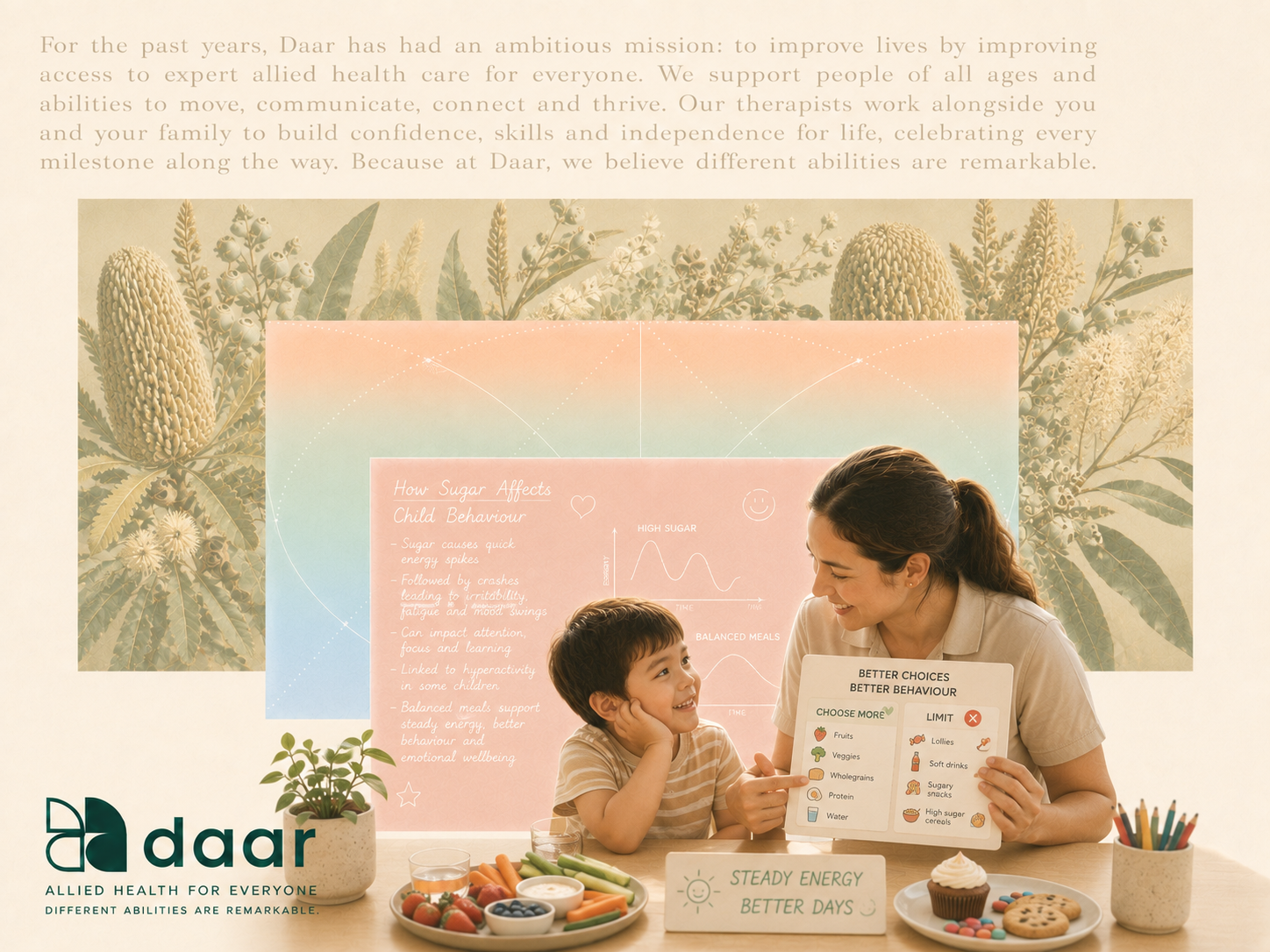
You don’t need to change everything at once. To lower added sugar, start with drinks and packaged snacks, which are major sources. Begin by reading labels and tracking how quickly sugar adds up during the day.
Healthier choices:
- Serve water instead of soda, juice, or sports drinks.
- Choose plain yogurt and add fruit instead of buying sweetened versions.
- Center meals around whole foods like eggs, fruit, vegetables, and whole grains.
- Save ice cream, cookies, and sugary cereal for occasional treats.
- Make homemade snacks to control added sugar.
Some parents ask about artificial sweeteners. They have pros and cons and are hard to study. Generally, it’s best to avoid synthetic ingredients, but these sweeteners may help reduce high-fructose corn syrup during a gradual transition.
Conclusion
In summary, understanding how sugar affects child behaviour is essential for fostering healthier eating habits. By adhering to recommended sugar limits and being mindful of hidden sugars in everyday foods, parents can significantly improve their children's mood and behaviour. Implementing effective strategies to reduce sugar intake not only supports better emotional health but also encourages children to make healthier food choices. Remember, even small changes can lead to significant benefits in your child's overall well-being. If you're ready to take the next step in promoting healthy habits for your kids.
Book a consultation or call daar at 02 9133 2500 for expert advice on nutrition and meal planning.
Frequently Asked Questions
What impact does sugar consumption have on a child's mood and behaviour?
Sugar consumption may be linked to mood changes, bursts of energy, sluggishness, or crashes in some children. Child behaviour does not shift the same way every time, but sweet foods can affect how kids feel as blood sugar changes through the day. Patterns matter more than one treat.
How can parents identify if their child is sensitive to sugar?
Watch for repeat patterns after high sugar intake, such as mood swings, quick energy spikes, or sluggishness later. Sugar sensitivity is not always easy to confirm, so track foods and child behaviour over time. If concerns continue, seek nutrition education and guidance from health professionals.
What are some healthy alternatives to sugary snacks for kids?
Healthy alternatives include plain yogurt with fruit, eggs, vegetables, fruit, and simple homemade snacks made from whole foods. Choose whole grains when possible and limit foods with lots of added sugar. Water is a better everyday choice than fruit juice or sweet drinks.
.svg)




.svg)