
.png?width=48&height=48&name=Group%201%20(3).png)























8 January, 2026

Telehealth for Children: Improving Access to Care
Introduction
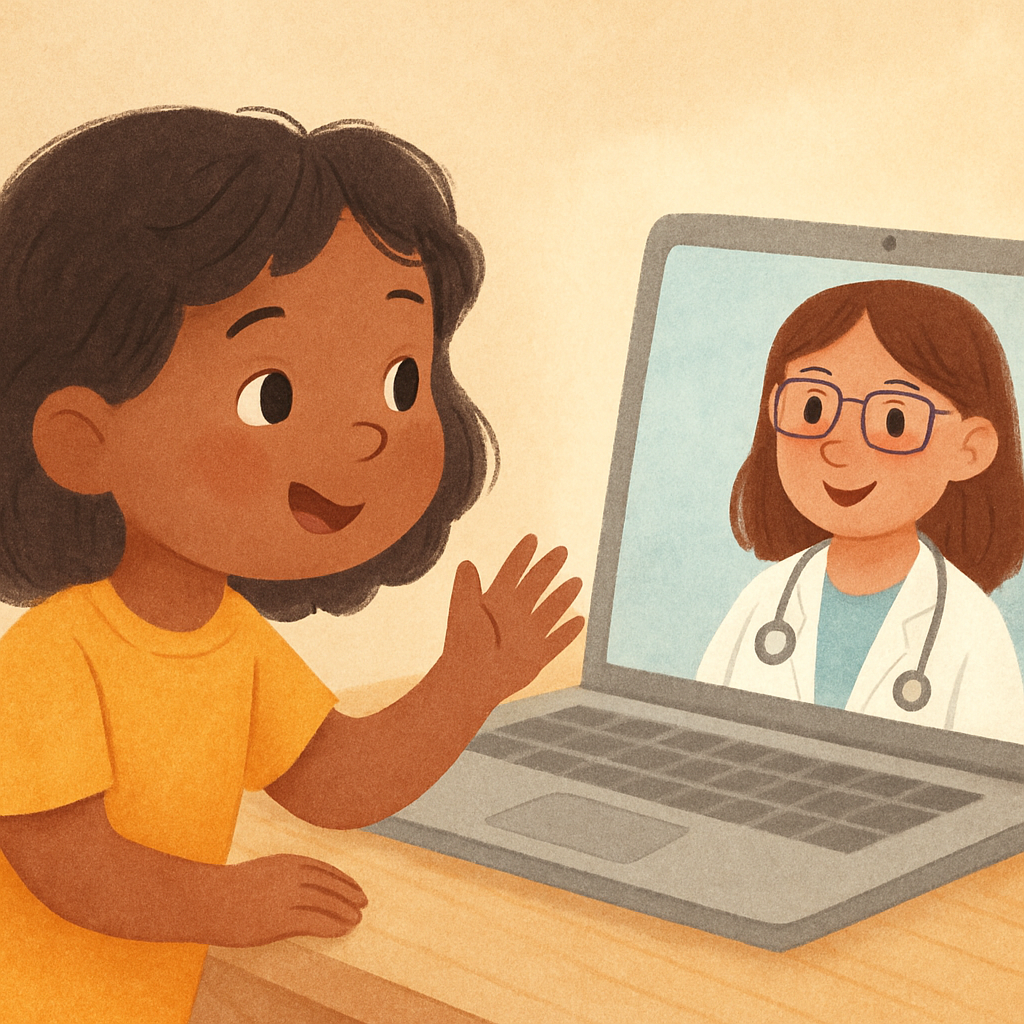
Welcome to the world of pediatric telemedicine, a technology that is transforming the healthcare system for young people. Have you ever wished you could see a doctor without leaving your house? Telehealth services make that possible. Through virtual consultations on a smartphone, tablet, or computer, your child can receive medical care from their provider. This convenient approach avoids trips to a busy office, making it easier for your family to get the support and advice you need, right when you need it.
Key Highlights
-
Telehealth services offer convenient access to pediatric care from the comfort of your home, reducing travel time and stress.
-
Virtual visits connect your family with healthcare providers for a range of needs, including urgent care for minor illnesses like colds and rashes.
-
Children can receive specialized care, including mental health support for anxiety or behavioral concerns, without long-distance travel.
-
Telehealth improves the management of chronic conditions such as asthma and diabetes through regular, easy-to-schedule check-ins.
-
Families benefit from reduced costs, less time off from work or school, and minimized exposure to illnesses in waiting rooms.
Types of Children’s Healthcare Available Through Telehealth
Telehealth platforms now offer an impressive range of services for children’s health. From routine follow-ups to urgent care needs, telemedicine services are bridging gaps in care. You can use virtual visits for well-child checkups, health education on topics like nutrition, or to follow up with pediatric specialists after a procedure.
This technology is also vital for remote monitoring of chronic conditions and providing mental health support. The flexibility of telehealth means your child can get consistent care for everything from a common cold to more complex developmental needs. Let’s explore some specific types of care available.
Pediatricians, Specialists, and Therapy Services
Video conferencing lets your child easily connect with a range of health professionals. Regular telehealth visits with pediatricians are ideal for minor issues like pink eye, constipation, or rashes, offering quick diagnoses and treatment without disrupting your routine.
Specialized pediatric care is also more accessible. Families can consult cardiologists, neurologists, and endocrinologists remotely—helpful for managing diabetes, genetic disorders, or severe allergies through convenient check-ins.
Telehealth makes therapy services readily available, too. Children and teens can meet counselors for behavioral concerns, anxiety, or depression from home. Speech therapy and autism support are effectively delivered virtually, providing essential care in a familiar setting.
NDIS Telehealth Children and Choosing an NDIS Provider
When using digital health services like those under the NDIS, choose licensed providers who fit your family’s needs. Your primary care doctor can offer recommendations.
Look for professionals experienced in pediatric telehealth who can effectively engage your child online. Make sure their technology is user-friendly and secure to protect your child’s privacy.
Ask these key questions before choosing a provider:
|
Factor |
Question |
|---|---|
|
Licensing |
Are you licensed to provide care in my area? |
|
Experience |
What is your experience with pediatric telehealth? |
|
Technology |
What platform do you use, and is it secure? |
|
Engagement Style |
How do you engage children during sessions? |
Supporting Your Child During a Telehealth Appointment
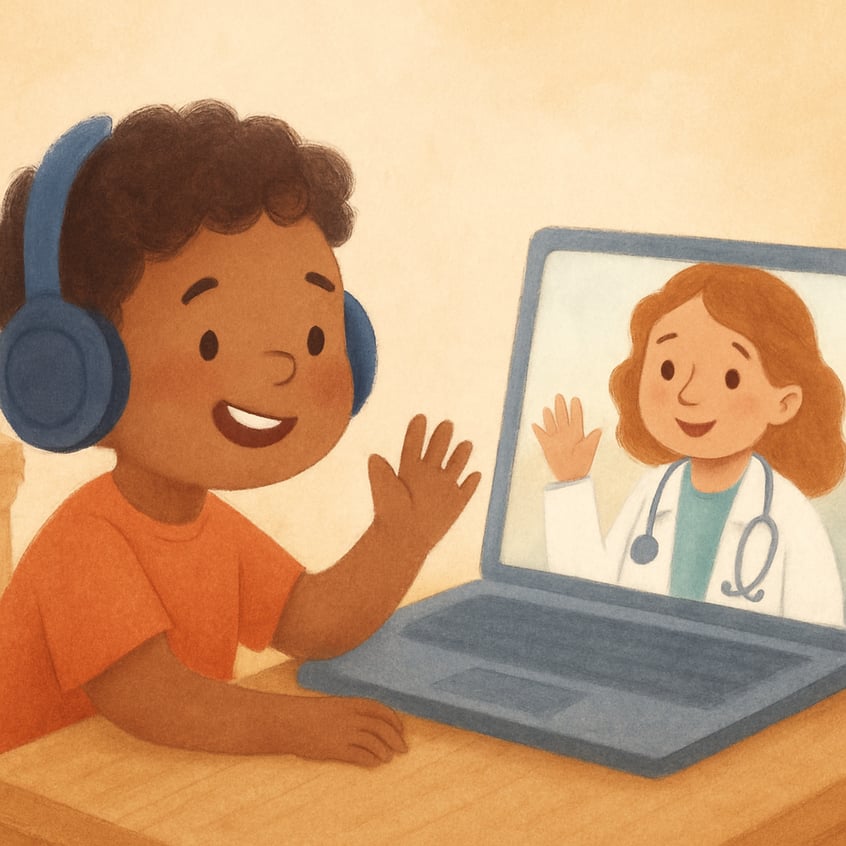
A telehealth appointment may be unfamiliar to young children, and your support is crucial. Unlike a clinic, a home can be distracting. Prepare a quiet space and talk to your child about the visit in advance.
Your involvement will depend on your child’s age and needs—you could actively participate, observe quietly, or provide tech support. Coordinating with healthcare providers about your role helps the session go smoothly and benefits your child.
Practical Tips for Parents and Carers
To ensure a successful video call, a little preparation makes a big difference. When seeking medical advice for your child, being ready helps the provider make an accurate assessment. Talk to your child about what to expect so they feel comfortable and prepared.
Keep your child at the center of the visit, but be ready to help. Manage technology, adjust the camera, or comfort your child if they’re anxious—sometimes your presence is all they need to feel secure.
Here are some practical ways to support your child:
-
Gather materials like paper, pencils, or comforting toys in advance.
-
Gently redirect your child’s attention if needed.
-
Offer a supportive touch, like holding their hand or rubbing their back.
-
Let the provider know if your child is tired, anxious, or needs a break.
Safe and Effective Telehealth: Rules and Best Practices in Australia
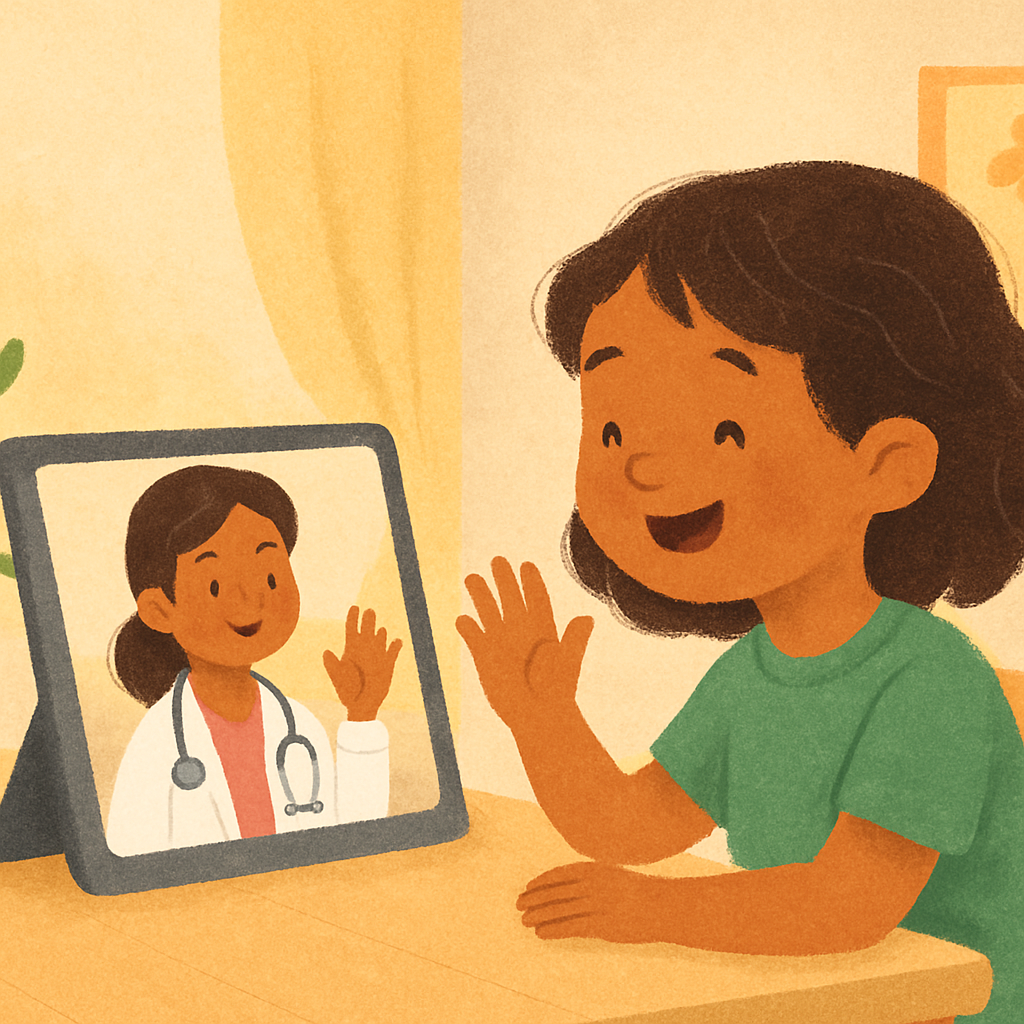
As telehealth services become a bigger part of Australia's healthcare system, it's important to understand how to use them safely and effectively. Key regulations are in place to protect you and your child, and being aware of them ensures you receive quality care. Privacy considerations are paramount, so always use secure platforms recommended by your provider.
Knowing the best practices helps you navigate the system with confidence. This includes understanding the limitations of telehealth and recognizing when an in-person visit is necessary. The following sections will cover some important privacy rules and precautions for families.
Privacy Considerations and Australian Telehealth Regulations
Australian telehealth regulations require providers to be licensed in the same state or territory as the patient during the appointment, ensuring local care standards.
For privacy, verify that your provider uses a secure telehealth platform to protect your child's health information. Reputable professionals will have privacy policies available on their website.
Knowing these rules helps you choose safe, legally compliant care for your child, giving you peace of mind.
Precautions for Families Using Telehealth Services
Taking a few simple steps can make your family’s telehealth visit smoother and more effective. Choose a quiet, well-lit space so providers can see your child clearly—like creating a private waiting room at home.
Technical issues can disrupt sessions. Test your internet, camera, and microphone beforehand. Remember, some conditions (like ear infections or strep throat) may still need in-person exams for accurate diagnosis.
To get the most from your session:
-
Have your child’s temperature and weight ready.
-
Prepare questions or concerns in advance.
-
Be ready to focus the camera on visible symptoms.
-
Know when to schedule an in-person follow-up with your provider.
Conclusion
In conclusion, telehealth transforms children's healthcare by improving access and convenience. From pediatric consultations to therapy sessions, families can get quality care tailored to their child's needs. Supporting your child during appointments ensures a positive experience. By following best practices and understanding Australian regulations, parents can confidently use telehealth services.
Prioritize your child's health and contact us today for a consultation or call daar at 02 9133 2500 for your telehealth options.
Frequently Asked Questions (FAQ)
Telehealth offers a convenient way for parents to access medical care for their children, especially when dealing with common issues like ear infections or routine check-ups. Many families wonder about the advantages of virtual visits, including shorter wait times and easy access to pediatric specialists. Concerns often arise about the quality of care provided through this medium, but studies show that telehealth services can deliver effective, consistent care tailored to a child’s unique needs, ensuring their health remains a top priority.
Is telehealth suitable for children with specific behavioral or developmental needs?
Yes, telehealth is an excellent tool for addressing behavioral and developmental needs. Many children feel more comfortable discussing mental health topics from home. A telehealth appointment for pediatric care can provide effective support for conditions like anxiety, depression, and autism, making specialized care more accessible than ever.
Can telehealth help families achieve long-term health goals for their children?
Absolutely. Telehealth is ideal for managing long-term health goals, especially for children with chronic conditions. It allows for consistent care and easy follow-ups with healthcare professionals. This supports preventive care by helping families stay on track with treatment plans and address concerns before they become serious problems.
What restrictions or rules impact telehealth for kids in Australia?
A key rule in Australia’s healthcare system is that healthcare providers must be licensed in the state where the patient is located during the digital health appointment. This is one of the main regulations impacting pediatric telemedicine, ensuring that practitioners meet required standards of care for your child.
.svg)




.svg)