
.png?width=48&height=48&name=Group%201%20(3).png)
























9 March, 2026

Discover Screen Time Alternatives for Kids: Healthy Options

Key Highlights
Here's a quick look at what this guide covers:
- Establishing healthy screen time habits is vital, with experts recommending very limited screen use for young children.
- Families can manage screen time by creating a media plan and setting clear, healthy digital habits.
- Using parental controls is a practical way to manage content and enforce time limits spent on digital media.
- Encouraging alternatives like outdoor play and hands-on activities promotes physical activity and healthy development.
- Not all screen use is negative; choosing high-quality educational content can offer positive outcomes for children.
Introduction
In today's digital age, screens are everywhere, making it a real challenge for parents to manage their children's screen time habits. While digital media offers learning and entertainment, finding the right balance is key to developing healthy habits. This guide is here to help you navigate the complexities of screen time. You'll find practical strategies to create a balanced digital life for your family, ensuring your children thrive both online and offline. Let's explore how to make screen time a positive part of your child's life.
Setting Realistic and Positive Screen Time Limits at Home
Setting realistic screen time limits is key to healthy digital habits. Rather than aiming for zero screen time, create a balanced schedule. The American Academy of Pediatrics offers age-based guidelines as a starting point.
The aim is to manage—not eliminate—screen use. Predictable limits reduce arguments and teach kids that screens are just one part of their day. The next sections provide tips and tools for setting and enforcing these rules.
Creating Family Tech Rules and Media Agreements
A family media plan sets clear rules for screen use at home, created and agreed upon by everyone. By discussing how, when, and where devices are used, children learn the limits and reasons behind them, encouraging cooperation.
Following the plan yourself sets a positive example and reinforces healthy habits. The focus is on making mindful choices as a family—not just limiting screen time.
Your agreement can include:
- Tech-free zones like dinner tables or bedrooms
- Screen-free times during the day
- Guidelines for online safety and kindness
- Turning off screens an hour before bedtime
Using Parental Controls and Screen Time Tracking Tools
|
Parental controls and screen time tools help manage your child’s media use and keep them safe online. These features filter content, limit app purchases, and set device time limits to enforce family rules. Most devices offer easy-to-set safety features. |
|---|
|
Using these controls gives peace of mind by reducing access to harmful material and limiting device time. Apple and Android settings let you set daily app limits or block inappropriate websites. Regularly reviewing your child’s activity ensures the controls are effective. |
|
Popular apps for managing screen time include: |
|
App Name |
|
Key Features |
|
Bark |
|
Monitors content, manages screen time, filters websites |
|
Qustodio |
|
Sets time limits, blocks apps, tracks location |
|
Net Nanny |
|
Filters internet content, manages screen time, provides reports |
|
OurPact |
|
Blocks apps, sets schedules, tracks location |
Strategies for Encouraging Healthy Screen Habits
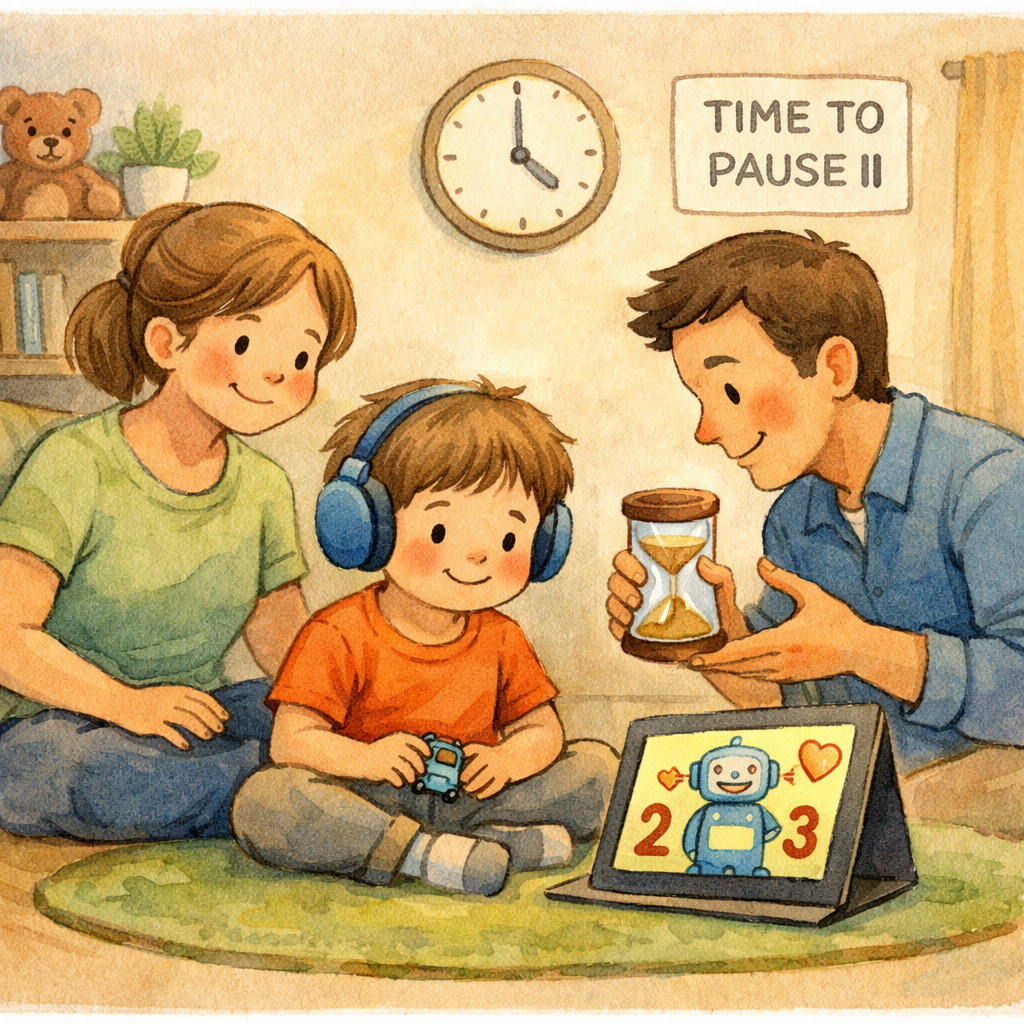
Encouraging healthy screen habits is more than just setting time limits; it's about teaching your children how to use screen media thoughtfully. Focus on making screen time interactive and educational rather than passive. Co-viewing content with your child, for example, allows you to discuss what you're seeing and connect it to the real world.
By modeling healthy digital habits yourself, you show your children that technology is a tool, not the main event. Prioritizing a balance between online and offline activities helps your child develop a well-rounded lifestyle. The next sections will explore specific strategies for achieving this balance.
Scheduling Consistent Tech-Free Times
Setting consistent tech-free times helps families reduce screen use and reconnect. Designating certain periods—like mealtimes or the hour before bed—as screen-free creates routines, minimizes arguments, and encourages conversation.
Regular limits reinforce that screens are just one part of daily life. Committing to these times together strengthens family bonds, improves communication, and gives everyone a break from digital stimulation—beneficial for mental health.
Making screen-free moments a habit helps your family enjoy offline activities, from board games to distraction-free meals. These shared experiences build lasting memories and promote a healthier relationship with technology.
Choosing High-Quality Educational Content
Not all screen time is equal. Guide your child toward high-quality educational content to turn passive viewing into active learning. Choose apps, games, and shows that promote critical thinking, problem-solving, and creativity. Resources like Common Sense Media offer reviews to help you find age-appropriate options.
Interactive content is most effective—it encourages participation rather than just watching. Co-viewing lets you discuss what your child learns and relate it to real life.
Look for high-quality content with:
- Clear learning goals suited to your child's age.
- Opportunities for interaction and creativity.
- Positive messages and role models.
Balancing Screen Time with Offline Activities
Finding a healthy balance between screen time and offline activities is crucial for a child's development. Too much screen time can lead to a sedentary lifestyle, while physical activity and real-world interactions are essential for physical and mental health. Encouraging your child to put down their devices and engage in other pursuits helps them build important life skills.
The key is to make offline activities as appealing as screen time. By planning fun family outings, encouraging hobbies, and supporting outdoor play, you can reduce the amount of screen time your child desires. The following sections offer creative ideas for fun, screen-free moments and ways to promote real-world connections.
Fun Ideas for Screen-Free Family Moments
Spending screen-free family time together is a wonderful way to bond and support your child’s development. Simple activities, like playing board games or building a fort in the living room, create lasting memories and foster communication. These moments help build social skills in a fun, relaxed environment.
Offline time also strengthens key developmental skills for the whole family. Reading aloud boosts language and literacy, while doing crafts or puzzles together enhances problem-solving and fine motor skills. Experts recommend daily unplugged activities to support healthy growth and family connection.
Try these easy ideas for screen-free fun:
- Host a family game night with your favorite board games.
- Cook or bake something special together as a team.
- Read a book aloud, with everyone taking turns.
- Go for a walk or bike ride in your neighborhood.
Supporting Outdoor Play and Real-World Connections
Getting kids outside is one of the best ways to balance screen time. Outdoor play supports physical health, builds motor skills, and boosts mental well-being by reducing stress and improving mood. It also encourages curiosity, creativity, and social development in ways screens can’t.
To promote more outdoor play, plan regular visits to parks, nature trails, or use your backyard. Unstructured play lets children explore, imagine, and connect with their surroundings—laying the foundation for healthy development.
Practical Tips to Reduce Children’s Screen Time
Are you looking for simple ways to limit screen time? One of the most effective strategies is to lead by example. When your children see you putting down your own digital devices, they are more likely to follow suit. Also, try turning off screens when no one is actively watching to reduce background noise and distractions.
Making small, gradual changes can lead to big results. Start by replacing just 30 minutes of children's screen time with an offline activity you can do together. The key is consistency. The following sections offer more tips on engaging kids in offline hobbies and creating screen-free zones at home.
Engaging Kids in Offline Hobbies and Creative Play
Encouraging offline activities and hobbies is a fantastic way to reduce sedentary behaviour and spark your child's imagination. Creative play, such as drawing, building with blocks, or putting on a puppet show, is crucial for cognitive development. These hands-on experiences help children develop problem-solving skills, express their creativity, and learn about the world around them.
Hobbies also provide a sense of accomplishment and can become lifelong passions. Whether it's learning to play an instrument, trying a new sport, or starting a collection, having engaging offline interests makes screen time less appealing. These activities offer a healthy outlet for energy and curiosity.
Here are a few ideas to get started:
- Set up an arts and crafts station with paper, crayons, and paint.
- Introduce them to simple musical instruments like a recorder or ukulele.
- Start a family garden or build something together with simple tools.
Establishing Screen-Free Spaces at Home

Creating screen-free zones at home is a simple way to build healthy habits. Designate spaces like the dinner table and bedrooms as device-free to protect family time and improve sleep. Setting these boundaries makes it easier for everyone to disconnect and be present.
When your family agrees on these zones, it shows that technology shouldn't disrupt important moments. Meals without screens encourage conversation, while screen-free bedrooms help children relax before bed.
Start with one or two areas and expand as your family adjusts. The goal is a home that supports a healthy balance between online and offline life.
Conclusion
In conclusion, healthy screen time habits are key to raising well-rounded children in today’s digital age. Set realistic limits, discuss technology use openly, and encourage offline activities to create balance. The goal isn’t to eliminate screens, but to ensure they enhance a variety of experiences. By following these steps, you’ll help your child navigate the digital world responsibly and confidently.
For personalized advice, contact us for a consultation or call daar at 02 9133 2500!
Frequently Asked Questions
What are the easiest ways to promote healthy screen habits at home?
The easiest ways to promote healthy screen habits are to set clear time limits and be a good role model with your own device use. Make screen time an interactive family activity, and create a healthy balance by designating screen-free times, like during meals, to protect family connection.
Are there good apps to help parents manage screen time?
Yes, there are many good mobile apps to help parents manage media use. Tools like Qustodio, Bark, and Net Nanny offer features for screen time tracking and parental controls. Apple and Android devices also have built-in settings to help you limit time on digital media and filter content.
How do I start a conversation about screen time with my child?
Start the conversation by creating a family media plan together. Ask for their input on clear rules for screen time habits. This collaborative approach helps them understand the reasons for limits, improves their social skills, and encourages them to take responsibility for their own screen time.
.svg)




.svg)