
.png?width=48&height=48&name=Group%201%20(3).png)























18 August, 2026

Understanding Positive Behavioural Interventions and Supports
Key Highlights
- PBIS is a tiered pbis framework that uses behavioural interventions to support student behaviour and learning.
- It teaches positive behavioiur instead of waiting to react to problem behaviours.
- Strong pbis implementation can improve school climate, school safety, and academic outcomes.
- Schools use teams, coaching, and the use of data to guide decisions.
- The framework includes universal supports, targeted help, and intensive individualized support.
- PBIS also promotes equitable, predictable, and safe learning environments for everyone.
Introduction
Positive Behavioural Interventions and Supports, or PBIS, is a practical way to build better school settings. Instead of focusing only on punishment, this pbis framework uses behavioural interventions to teach, support, and reinforce expected actions across the school day. Schools that use it well create more predictable routines, stronger relationships, and a healthier school climate. You can think of PBIS as a long-term systems change approach that helps students and educators succeed together.
Defining Positive Behavioural Interventions and Supports (PBIS)
PBIS is an evidence-based, tiered framework that supports behavioural, academic, social, emotional, and mental health needs in school settings and other educational or therapeutic environments. It is not a packaged curriculum or a one-day training. Instead, it gives schools a structure for choosing behavioural interventions, teaching positive behaviour, and checking whether those efforts are working for individual students and the wider program community.
What makes the pbis framework useful is its range. It serves all students through universal supports, adds targeted help for some, and provides intensive individualised support for a small number with greater behavioural needs. Tier 3 help is available whether students receive special education services or not, which makes PBIS suitable for students with disabilities and others who need more personalised planning.
The Core Philosophy and Goals of PBIS
At its heart, PBIS is built on prevention, instruction, and support. A positive behavioural intervention approach does not assume students already know every skill they need. It helps schools define clear behaviour expectations, teach them directly, and give students chances to practice them in real situations.
Just as important, PBIS aims to shape school culture. When adults use common language, respond respectfully, and acknowledge appropriate behaviours, students experience more consistency. That consistency can strengthen belonging, reduce stress, and support a positive school climate across classrooms and shared spaces.
The ultimate goal goes beyond managing unwanted behaviours. PBIS is designed to improve academic success, social-emotional competence, and overall climate while reducing reliance on exclusionary responses. In simple terms, it helps schools create conditions where good behaviour, learning, and safety can grow together.
How PBIS Differs from Traditional Discipline Approaches
Many schools are used to traditional discipline that reacts after a problem happens. PBIS takes a different path. The PBIS framework focuses on prevention, teaching, and early support so students understand what meeting behaviour expectations looks like before issues grow.
Instead of leaning heavily on exclusionary discipline practices, PBIS uses behaviour interventions matched to student needs. Schoolwide teams review PBIS data, monitor progress, and adjust supports over time.
- Traditional discipline often emphasises consequences after misbehaviour.
- PBIS teaches expected actions and reinforces them across the school day.
- PBIS aims to improve school safety and climate while reducing unnecessary removals from learning.
That difference matters because a proactive system can support both order and student growth at the same time.
Key Components of an Effective PBIS Framework
An effective pbis framework brings together systems, data, practices, outcomes, and equity. These pieces work together rather than standing alone. Schools use them to organize behavioural support, guide staff action, and measure whether students are making progress.
The framework also depends on clear tiers of support. Tier 1 serves everyone, Tier 2 adds targeted help, and Tier 3 provides individualised planning that may include a behaviour intervention plan. When these parts connect well, schools are better positioned to improve academic outcomes and behaviour outcomes together.
Systems, Data, and Practices in PBIS
PBIS works best when schools build strong systems first. That means a representative team, coaching, training, family involvement, and active school administration. Because PBIS is a systems change effort, staff need structures that last beyond one workshop or one school year.
At the same time, teams rely on PBIS data. The use of data helps schools select supports, monitor progress, and evaluate whether behaviour interventions are helping across all tiers. Screening, progress checks, outcome measures, and fidelity reviews all support better decision-making.
|
Element |
What it does in PBIS |
|---|---|
|
Systems |
Create teaming structures, coaching, training, and staff supports for durable implementation. |
|
Data |
Help teams identify strengths, uncover needs, track student progress, and examine equity by student group. |
|
Practices |
Provide research-based strategies that support behaviour, social skills, emotional growth, and learning. |
In classrooms, teachers use these foundations to teach expectations, give reminders, and respond in consistent, respectful ways.
Outcomes and Equity Considerations
Schools use PBIS to improve student outcomes that matter to families, educators, and students themselves. These may include stronger behaviour outcomes, better social and emotional growth, improved academic achievement, and fewer office discipline referrals. The framework is designed to connect support with results, not just good intentions.
Equity considerations are a central part of that work. Leadership teams look at whether practices fit the local context and whether each student group is experiencing success. They also promote high expectations for all students and adapt support to individual needs.
This is one reason PBIS can work for students with disabilities as well as others who need extra help. By disaggregating data and focusing on belonging, schools can strengthen school climate while making support more fair, responsive, and effective.
Implementing PBIS in Australian Schools
In Australian schools, PBIS implementation can follow the same core framework used across many school settings: build a shared vision, create a leadership team, involve families, and prepare school staff through ongoing professional development. The focus stays on prevention, clear expectations, and support matched to need.
What matters most is fit. PBIS is meant to work within a local context, so schools can adapt practices while keeping the goal of stronger academic performance, safer routines, and a more positive school climate. The next sections show what that looks like in practice.
Schoolwide Strategies for Promoting Positive Behaviour
A strong start comes from schoolwide strategies that all adults use consistently. PBIS asks schools to define a few clear behaviour expectations, teach them directly, and align classroom routines with those shared standards. This creates common language and helps students know what is expected in every setting.
Universal supports form the base for most students. These positive behaviour interventions are preventive, visible, and repeated across the school day so students can practice and succeed.
- Teach behaviour expectations explicitly in classrooms and common areas.
- Acknowledge students when they show appropriate behaviours.
- Respond to unwanted behaviours in a respectful, instructional manner.
- Build school-family partnerships to reinforce support.
When these routines become part of school culture, students get more predictability, and staff spend less time reacting to problem behaviours.
Common Challenges and How to Overcome Them
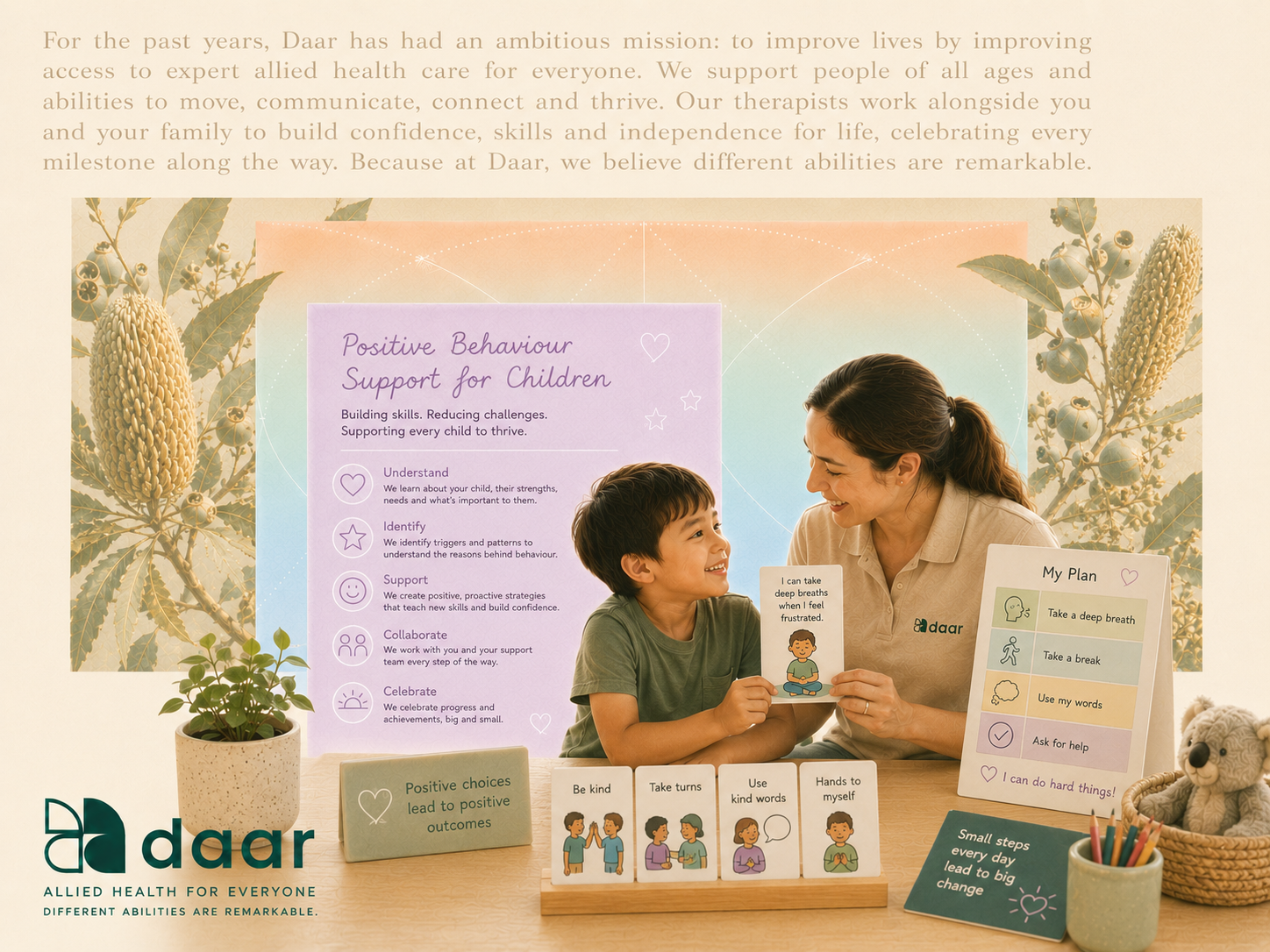
PBIS can be powerful, but schools may still face behaviour challenges during implementation. A common issue is treating PBIS like a short-term program instead of a long-term framework. Another is inconsistency, where some adults teach and reinforce expectations while others do not.
Schools can address these barriers by strengthening systems and support for staff. Ongoing professional development, coaching, and technical assistance help teams stay focused and accurate in their practice.
- Use a leadership team that meets regularly and guides implementation.
- Review data often to spot problem behaviours and adjust support early.
- Provide continued coaching so staff can apply practices with confidence.
With these steps, pbis implementation becomes more stable, practical, and responsive to student needs over time.
Conclusion
In summary, Positive Behavioural Interventions and Supports (PBIS) provide a proactive approach to fostering positive behaviour in schools, which ultimately leads to enhanced learning environments for students. By focusing on prevention and support, PBIS helps educators move away from punitive disciplinary measures and towards strategies that promote positive interactions and engagement. Implementing this framework not only benefits student behaviour but also contributes to a more inclusive and equitable school culture. As you consider these principles for your institution, remember that the journey towards effective implementation is collaborative and requires commitment.
If you’re interested in learning more about how PBIS can transform your school, don’t hesitate to reach out for a consultation or call daar at 02 9133 2500!
Frequently Asked Questions
What are Positive Behavioural Interventions and Supports (PBIS) and how do they work?
PBIS is a tiered pbis framework that uses behavioural interventions to teach and support positive behaviour in school settings. Schools define expectations, teach them clearly, reinforce student behaviour that matches those expectations, and use data to decide when students need universal, targeted, or individualised support.
How can schools implement PBIS effectively to improve student behaviour?
Effective PBIS implementation starts with a leadership team, shared expectations, and consistent schoolwide strategies. Schools prepare school staff through coaching and professional development, involve families, and use data to guide behavioural support. This helps improve student outcomes by matching support to need and checking progress over time.
What role do teachers play in the success of PBIS initiatives?
Teachers are central to PBIS programs. As part of the school staff, they teach expectations, model routines, reinforce success, and use behaviour interventions in daily instruction. Their consistency helps build a positive school climate and strengthens trust with students, families, and the wider program community.
.svg)




.svg)