
.png?width=48&height=48&name=Group%201%20(3).png)























1 October, 2026

Unlocking Potential: Paediatric Behaviour Therapy Explained

Key Highlights
- Paediatric behaviour therapy helps improve a child’s behaviour through structured therapy sessions and practical support.
- It often uses positive reinforcement to build good behaviour, communication skills, and emotional regulation.
- Early intervention can help young children learn new skills before behavioural issues grow harder to manage.
- Support may be useful if your child shows aggression, anxiety, impulsivity, or disruptive behaviour.
- Common approaches include applied behaviour analysis, cognitive behavioural therapy, and positive behaviour support.
- Parents play a key role in practice, consistency, and progress at home.
Introduction
Many parents worry when young children struggle with big emotions, impulsive actions, or daily routines. Paediatric behaviour therapy offers a practical way to support a child’s behaviour by teaching skills step by step. It focuses on emotional regulation, communication, and healthier habits in ways children can understand. If your child is having trouble with frustration, social interactions, or following directions, this type of support can help create calmer days and better progress at home, in school, and in the community.
Understanding Paediatric Behaviour Therapy in Australia
Paediatric behaviour therapy in Australia is a structured service that helps children change problem actions and build better daily habits. It supports mental health, social growth, and independence through a wide range of methods matched to a child’s needs.
Families may look into care when a child shows aggression, self-injury, impulsivity, anxiety, or other ongoing concerns. The types of therapy used can vary, and the best fit depends on the child’s needs, strengths, and goals. The next sections explain what makes this support unique.
What Makes Paediatric Behaviour Therapy Unique for Children
Children learn differently from teens and adults, so therapy must match their age group. Paediatric behaviour therapy is built around how children develop. It does not expect long talks or abstract reflection. Instead, it uses repetition, modeling, play, and clear feedback to shape a child’s behaviour in simple, realistic ways.
For very young children, including toddlers and preschoolers, early intervention can be especially helpful. The goal is not to force compliance. It is to support emotional regulation, communication, impulse control, and social understanding while those abilities are still developing.
Another key difference is family involvement. Parents are active participants, not observers. They learn how to practice new skills at home, respond consistently, and help children carry progress into daily life. That shared approach often makes change more lasting.
How Paediatric Behaviour Therapy Supports Childhood Development
Behaviour therapy can support much more than behaviour problems alone. It may help children strengthen communication skills, social interaction, self-regulation, and daily living routines. These gains can improve participation at home, school, and in the community.
This support can be especially valuable for children with developmental disabilities, autism spectrum disorder, ADHD, or other developmental conditions. Therapy may also target motor skills, emotional development, and problem-solving so children can manage difficult situations with more confidence and less frustration.
Over time, these changes can improve quality of life for the child and the whole family. Parents are often guided through home practice, feedback, and structured strategies that match the treatment plan. That support helps families build progress between sessions and maintain growth over the long term.
Core Techniques Used in Paediatric Behaviour Therapy
Several behavioural techniques are commonly used to improve a child’s behaviour in clear, measurable ways. These include positive reinforcement, behaviour analysis, skill building, and consistent responses to problem behaviours during therapy sessions and home practice.
Therapists may draw from applied behaviour analysis, and positive behaviour support. Each approach looks at why behaviours happen, what skills are missing, and how to teach better responses. The following sections break down two of the most practical methods families often see in care.
Positive Behaviour Support and Reinforcement Strategies
Positive behaviour support aims to understand what triggers challenging actions and why they occur. Therapists first identify patterns, settings, and responses, then develop strategies to reduce stress, prevent escalation, and teach better alternatives.
Positive reinforcement is key. When a child behaves well—like following directions or using appropriate words—they receive immediate praise, rewards, or encouragement. This strengthens positive behaviours over time.
Common tools include:
- spotting triggers before problems start
- quickly rewarding desired actions
- teaching new communication and self-control skills
- keeping responses consistent among caregivers
This approach is proactive, practical, and easy for children to apply in daily life.
Play-Based and Cognitive Approaches for Children
Play-based therapy is often used with young children, as play is their primary way of learning. In sessions, games and structured activities support communication, social skills, and emotional development—especially helpful for behavioural challenges in early childhood.
The Early Start Denver Model is one example. It blends developmental and behavioural approaches through play, using specific goals, regular progress checks, and parent involvement to build social and communication skills in children with autism and related conditions.
Choosing the Right Paediatric Behaviour Therapist in Australia
Choosing the right child therapist starts with your child’s needs and the kind of support your family can realistically follow through with. A good healthcare provider will assess concerns carefully, explain the process clearly, and work with your family rather than around you.
You may also want someone who can collaborate with other professionals involved in your child’s care. Since behaviour therapists do not usually diagnose conditions, they may coordinate with a doctor, psychologist, or other clinical child specialist. The next two sections cover what to look for and what to ask first.
Qualifications and Qualities to Look For
Start by looking for qualifications tied to behaviour therapy and child development. A therapist may have training in applied behaviour analysis, cognitive behavioural therapy, or positive behaviour support. Experience with young children matters, but so does the ability to explain strategies in simple language.
Just as important are personal qualities. You want someone who listens, respects your family’s needs, and creates realistic goals. Strong parent training is a major plus because progress depends on what happens between appointments, not only during clinic visits.
|
What to Look For |
Why It Matters |
|---|---|
|
Training in behaviour therapy approaches |
Supports evidence-based care for behavioural issues |
|
Experience with children and families |
Helps match strategies to age and developmental level |
|
Parent training skills |
Gives caregivers tools for daily practice |
|
Clear communication |
Makes the treatment plan easier to follow |
|
Collaborative style |
Supports work with doctors, psychologists, and schools |
If your child is older, experience related to adolescent psychology may also be useful.
Questions to Ask During the Initial Consultation
The initial consultation is your first step toward understanding whether the therapist is a good fit. It is also a chance to learn how they assess concerns, how they use behaviour analysis, and how they involve parents from the start.
You should leave with a clear picture of the treatment plan, expected home practice, and how progress will be reviewed. Since family involvement is essential, ask how the therapist will adapt support to your family’s needs, schedule, and routines.
Helpful questions include:
- How will you assess my child’s behaviour and set goals?
- What will parents be expected to do between sessions?
- How will you adjust the treatment plan if progress slows?
These questions can help you choose a therapist who values partnership, practical coaching, and ongoing support for the whole family.
Paediatric Behaviour Therapy for Specific Challenges
Paediatric behaviour therapy can help with many behavioural issues, not just one diagnosis or one type of concern. It is often used for developmental disorders, emotional challenges, and patterns of disruptive behaviour that affect daily life.
Some children need help with attention, impulsivity, or social interaction. Others struggle more with anxiety, aggression, or emotional outbursts. Because needs vary, therapy is usually personalised after assessment. The next sections look at how support may be applied to specific conditions and challenges.
Addressing ADHD, Autism, and Developmental Disorders
Behaviour therapy can help children with ADHD, autism spectrum disorder, and other developmental disabilities. It aims to improve attention, self-regulation, communication, and social skills through structured teaching.
For ADHD, therapy targets impulsivity, frustration, and following instructions. For autism, methods like applied behaviour analysis and the Early Start Denver Model build communication and social skills step by step.
Behaviour therapy may also benefit children with oppositional defiant disorder or similar conditions by reducing disruptive behaviours and teaching positive replacement skills for home, school, and community settings.
Supporting Children with Anxiety and Social Difficulties
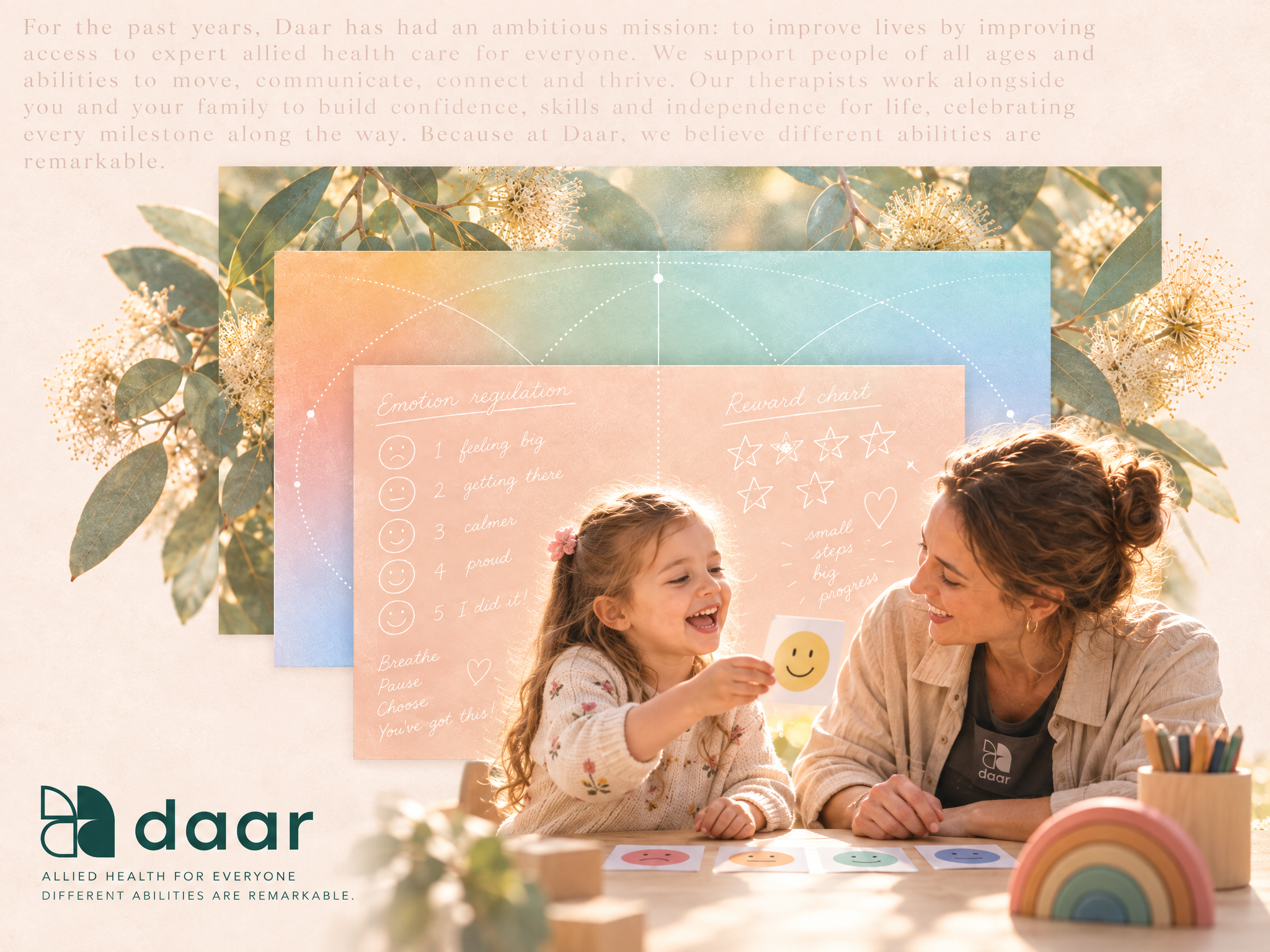
Not all children in behaviour therapy struggle with aggression or defiance. Many need help with anxiety, stress, or social connection. These issues can impact their mental health, routines, friendships, and family life.
Therapists often use cognitive behavioural therapy to build coping skills, improve communication, and teach children to handle challenges. Kids learn to recognise emotions, express needs clearly, and respond with less avoidance or distress.
Social skills training may also help, especially for children who have trouble interacting or reading social cues. As these skills improve, emotional outbursts often decrease because children can communicate and manage feelings more effectively.
Conclusion
In summary, paediatric behaviour therapy offers a compassionate and effective approach to help children navigate their unique challenges. By focusing on positive reinforcement, play-based interactions, and tailored strategies, therapists can foster healthier behaviours and support emotional growth. As parents, it’s essential to choose a qualified therapist who understands your child's specific needs and creates a safe space for them to thrive.
If you have any concerns or questions about how this therapy can benefit your child, don’t hesitate to reach out for a consultation or call daar at 02 9133 2500 for guidance.
Frequently Asked Questions
Is paediatric behaviour therapy effective for toddlers and preschoolers?
Yes, paediatric behaviour therapy can be effective for young children, including toddlers and preschoolers. Early intervention matters because this age group often responds well to play-based therapy and simple behavioural strategies. With parent involvement and steady practice, children can begin building communication, regulation, and daily routine skills early.
How long does it take to see progress in children?
Progress can vary based on your child’s behaviour, goals, and how consistently strategies are used outside therapy sessions. Some families notice small changes early, while larger gains take longer. Regular practice, clear goals, and positive reinforcement support better long-term results, including improvements that may help academic performance.
What support is available for parents during therapy?
Parents often receive parent training, guidance during sessions, and feedback on home practice. Support may include coaching on effective communication, ways to respond to problem behaviours, and strategies tailored to the child’s needs. In some cases, a broader family therapy style collaboration with family members can also strengthen consistency.
.svg)




.svg)