
.png?width=48&height=48&name=Group%201%20(3).png)























8 October, 2026

Accessing NDIS Speech Therapy for Children in Regional NSW

Key Highlights
- NDIS speech therapy helps children build communication skills through tailored speech pathology services.
- In regional NSW, families can access support in person or through telehealth services.
- Early intervention can help children strengthen speech, language, and social communication sooner.
- NDIS funding may cover assessments, therapy sessions, and reports linked to communication goals.
- Registered providers work with families, support coordinators, and plan managers to use funding well.
- Services are shaped around your child’s specific needs, daily life, and development goals.
Introduction
If your child is having trouble being understood, joining conversations, or building communication skills, you may be wondering where to start. For many NDIS participants, speech pathology can be an important part of early intervention under the National Disability Insurance Scheme. It gives children support that matches their stage of development and daily challenges. In regional NSW, families can access therapy that focuses on real progress, helping children communicate more clearly and take part more confidently in everyday life.
Understanding NDIS Speech Therapy for Children in Regional NSW
NDIS speech pathology supports children who need help with speaking, understanding language, and social communication. These speech therapy services are built around a child’s specific needs, rather than using one set program for everyone.
In regional NSW, support may be delivered in clinics, homes, schools, or by telehealth when travel is harder. This helps families manage communication difficulties while still working toward practical goals. The next sections explain who can benefit and how support is planned.
What Is NDIS Speech Therapy and Who Can Benefit?
NDIS speech therapy is scheme-funded support for children who need help with speech, language, and broader communication skills. Speech pathology can also help a child interact with others, understand messages, and express needs in daily settings.
Many children can benefit from this support. That includes children with autism spectrum disorder, developmental delay, stuttering, language delays, and challenges with social interaction. It may also help children with more complex needs, including brain injury or conditions that affect the use of language.
What does that look like in practice? Therapy is usually personalised and goal-based. A speech therapist may use play-based activities, social communication therapy, and structured tasks to help your child build confidence. The aim is not just words, but better connection at home, school, and in the community.
How NDIS Supports Children’s Communication Needs
NDIS support is designed to help children build capacity over time. If speech support is included in your child’s NDIS plan, therapy can focus on communication goals that matter in everyday life, such as speaking clearly, joining play, or following instructions.
Your speech pathology team may also provide reports, assessments, and reviews to show progress and support future planning. This can be especially helpful when families are trying to use NDIS funding clearly and effectively.
Common areas covered through support include:
- early intervention for speech, language, and social communication
- assessments linked to your child’s communication goals
- therapy sessions matched to strengths and needs
- reports that help guide plan reviews and ongoing services
How NDIS Speech Therapy Works in Regional NSW
Regional families often need flexible therapy arrangements. NDIS speech pathology can be delivered through different speech therapy services, depending on what suits your child and what is available in your area.
Some children attend in person, while others use telehealth services when distance or wait times make travel harder. If support is connected to your child’s NDIS plan, therapy can still focus on practical communication skills and steady progress. The next sections cover service types and delivery options.
Types of Speech Therapy Services Covered by NDIS
NDIS funding may support a range of speech therapy services for children when those supports relate to functional needs and communication goals. Services can include treatment sessions, assessments, reports, and reviews. Providers often align charges with the NDIS price guide.
Children may receive help for articulation, phonology, language delays, stuttering, and social communication. Support can also help children on the autism spectrum who need help with interaction, turn-taking, and understanding nonverbal cues. Many families look for clinicians linked with Speech Pathology Australia for added confidence.
|
Service Type |
What It May Support |
|---|---|
|
Speech sound therapy |
Clearer pronunciation, articulation, and phonology |
|
Language support |
Vocabulary, sentences, understanding, and literacy skills |
|
Stuttering support |
Fluency work, including approaches like the Lidcombe Program |
|
Social communication therapy |
Conversation, turn-taking, body language, and classroom interaction |
|
Assessments and reports |
Functional information for plan reviews and ongoing NDIS funding |
Telehealth and In-Clinic Options for Rural and Regional Families
For many families, choice matters just as much as quality. Telehealth services can make access to therapy services easier when local appointments are limited, or travel takes too much time. A registered NDIS provider may offer secure online sessions across NSW.
Some providers also offer in-clinic therapy, along with visits to homes, schools, or preschools through dedicated mobile services. This can help your child practice communication in familiar places, not just during a clinic visit.
Your options may include:
- telehealth services for families in rural and regional areas
- in-clinic therapy for children who benefit from face-to-face sessions
- home, school, or preschool visits where available
- support that fits around family routines and local access needs
Accessing NDIS-Funded Speech Therapy for Your Child
Getting started can feel overwhelming, especially when you are balancing forms, appointments, and your child’s specific needs. Still, understanding how NDIS funding works can make the path clearer for families in regional NSW.
Children who are NDIS participants may access support through providers who work with self-managed, plan-managed, or agency-managed plans. Plan managers can also help families track spending and services. The next two sections cover eligibility and the practical steps involved.
Eligibility Requirements for Children in Regional NSW
Eligibility depends on whether your child meets the access requirements of the scheme and has needs that affect daily functioning. In practice, children who need help with communication difficulties may receive support when those challenges have a clear impact on participation and development.
This can include children with developmental delay, autism spectrum presentations, or other conditions that affect speech, language, and social interaction. The focus is usually on how your child manages in everyday settings, not just on a diagnosis by itself.
Families often seek support when a child has:
- ongoing communication difficulties at home, school, or preschool
- developmental delay affecting language skills
- autism spectrum-related social communication needs
- barriers that make participation harder than expected for their age
Steps to Apply for NDIS Support and Funding
Starting the process is easier when you break it into steps. Families usually begin by gathering information about the child’s needs and arranging an initial assessment or professional input that explains how communication affects daily life.
Once support is approved, the child’s NDIS plan may include funding for therapy linked to communication goals. Families can then choose how to use that NDIS funding through self-management, agency management, or with plan managers who help organize payments and service bookings.
A simple path often looks like this:
- identify concerns and arrange an initial assessment
- provide reports or information that explain functional needs
- discuss communication goals during planning
- choose a provider and start therapy under the approved plan
Choosing NDIS-Registered Speech Pathologists in Regional NSW
Finding the right clinician is about more than location. You want speech pathologists who understand children, NDIS processes, and the practical challenges that regional families face.
A registered provider can offer extra reassurance around quality and systems. Many families also look for clinicians connected with Speech Pathology Australia and experience across key service areas such as language, stuttering, and social communication. The following sections explain how to search and what the first visit may involve.
Finding Local Providers and Specialists
Regional families can look for a local provider who works with children and understands funded supports. A registered NDIS provider may be a useful option if your child’s NDIS plan is agency-managed, while self-managed or plan-managed families may have more flexibility.
It also helps to ask what speech pathology services are offered. Some teams cover articulation, language delays, stuttering, and social communication. Others may also provide assessments, annual reviews, and reports that support ongoing plan use.
Before booking, ask practical questions. Does the speech pathology team offer telehealth across NSW? Can they visit homes, schools, or preschools? Do they work with support coordinators and families closely? These details can make a big difference when you are trying to keep therapy consistent and useful.
What to Expect During the First Session with a Speech Therapist
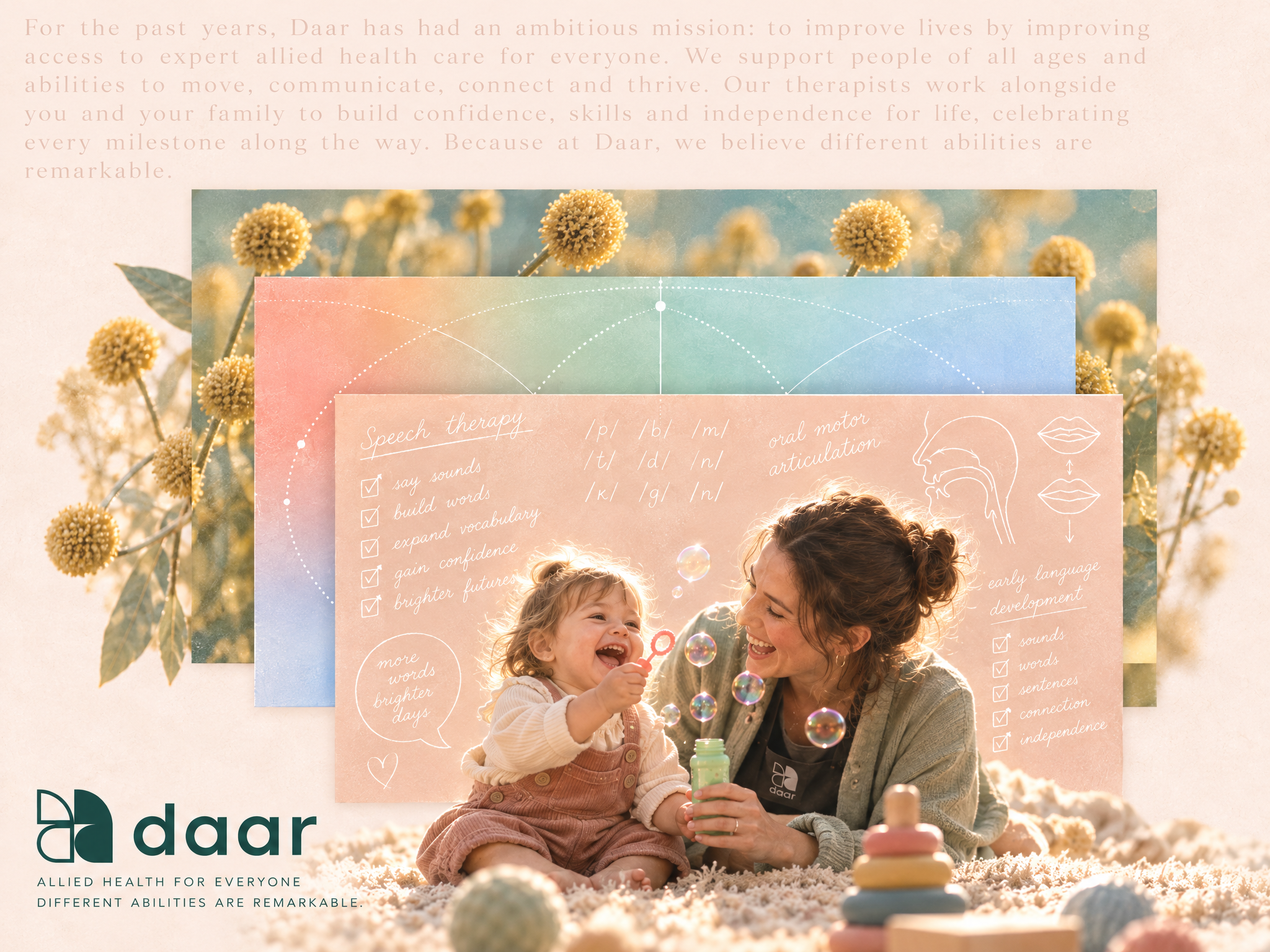
The first appointment is usually about understanding your child, not rushing into treatment. A speech therapist will often start with an initial assessment, questions about your child’s strengths, and a discussion about what is hard at home, school, or in social settings.
You may also talk about daily living, routines, and how communication affects learning, play, and independence. This helps shape communication goals that feel meaningful rather than generic. Families should expect a calm, supportive process.
During the first appointment, you may be asked about:
- your child’s communication history and current challenges
- how they manage in daily living situations
- priorities for communication goals at home or school
- any previous reports, reviews, or therapy input
Conclusion
In summary, accessing NDIS speech therapy for children in regional NSW is a vital step towards enhancing communication skills and overall development. With the right support and resources, children can overcome various speech challenges, ensuring they thrive both socially and academically. It’s essential to understand the process, from determining eligibility to finding the right NDIS-registered speech pathologist. Every child deserves the opportunity to communicate effectively, and by navigating the NDIS framework, you can provide them with the necessary tools for success.
If you’re ready to take the first step, get a consultation or call daar at 02 9133 2500 to explore how we can assist you in this journey.
Frequently Asked Questions
Is There a Waitlist for NDIS Speech Therapy Services in Regional NSW?
Yes, wait times can happen in regional NSW, especially where local speech pathologists are limited. Some families use telehealth or ask plan managers for help finding available providers sooner. If your child has NDIS funding, checking service options early can help reduce delays.
Can Children Receive Home-Based or Telehealth Speech Therapy With NDIS?
Yes. Many providers offer telehealth services across NSW, which can be a strong option for rural families. Where available, home-based support may also be offered through mobile visits. Both options can still target communication skills in practical, familiar settings.
What Types of Conditions Are Treated Through NDIS Speech Therapy?
Speech pathology may support children with autism spectrum disorder, developmental delay, brain injury, and other communication-related needs. The compiled information also highlights support for stuttering, language delays, and social communication challenges. The focus is on how the condition affects speech, language, and everyday participation.
.svg)




.svg)