
.png?width=48&height=48&name=Group%201%20(3).png)























30 December, 2025

Toileting Training Program: Step-by-Step Guide for Parents
Introduction
Learning to use the toilet is a big change for young children and a major milestone in their development. This new skill is an important step toward independence. For parents, guiding a child through this process can feel overwhelming. Are you wondering where to begin? This blog provides a step-by-step guide to help you navigate the journey to successful toilet training. We will cover everything from spotting readiness signs to establishing a routine and making the toilet area a friendly space.
Key Highlights
-
Knowing when to start is key to successful toilet training; look for signs of readiness in your child. Prepare your child by introducing them to the potty or toilet seat in a relaxed way. There are many resources and guides available for parents to support toilet training at home, including online articles, printable progress charts, books, and videos from trusted parenting and childcare organizations. These can offer helpful advice, strategies, and practical tips tailored to your child’s needs.
-
Prepare your child by introducing them to the potty or toilet seat in a relaxed way.
-
Establish a consistent routine, prompting your child to use the toilet at regular times.
-
Use positive reinforcement like praise and stickers to reward effort, not just when they pee or poo.
-
Stay calm during accidents and handle them without a fuss to keep the experience positive.
-
Patience is crucial, as this new skill helps your child gain a sense of independence.
Understanding When Your Child is Ready for Toilet Training
Timing is key when moving away from diapers. Most experts recommend starting between ages two and three, but there’s no set window—your child’s readiness matters most. Starting too early can cause frustration for both of you.
Watch your child’s development and avoid starting during stressful events, like a new sibling. Transitioning to underpants is a major milestone that fosters independence. The following sections will help you spot signs your child is ready.
Recognizing Readiness Signs in Children
How do you know if your child is ready for potty training? Children usually show clear signs when they're prepared. You don't need to wait for every sign—just a few is often enough.
Watch for physical and cognitive cues, such as:
-
Staying dry for at least two hours or after naps.
-
Following simple instructions.
-
Pulling pants up and down independently.
-
Communicating when their nappy is wet or soiled.
Recognizing these signs can help you choose the right time to start toilet training, making the process smoother for everyone.
What to Do if Your Child Shows Signs of Constipation
Toilet training can be challenging if your child is constipated. Hard, painful, or difficult bowel movements should be addressed, as constipation can make children reluctant to use the toilet and affect bladder control. Keeping their stool soft and easy to pass is key.
If you think your child is constipated, consult your doctor to rule out underlying issues. Ideally, their bowel movements should be soft and smooth.
Simple habits and foods can help keep things regular:
|
Tip |
Details |
|---|---|
|
Eat Helpful Foods |
Offer fruits like apples, pears, and kiwi to soften stool. |
|
Drink Water |
Make sure your child drinks plenty of water throughout the day. |
Step-by-Step Approach to Starting a Toileting Training Program
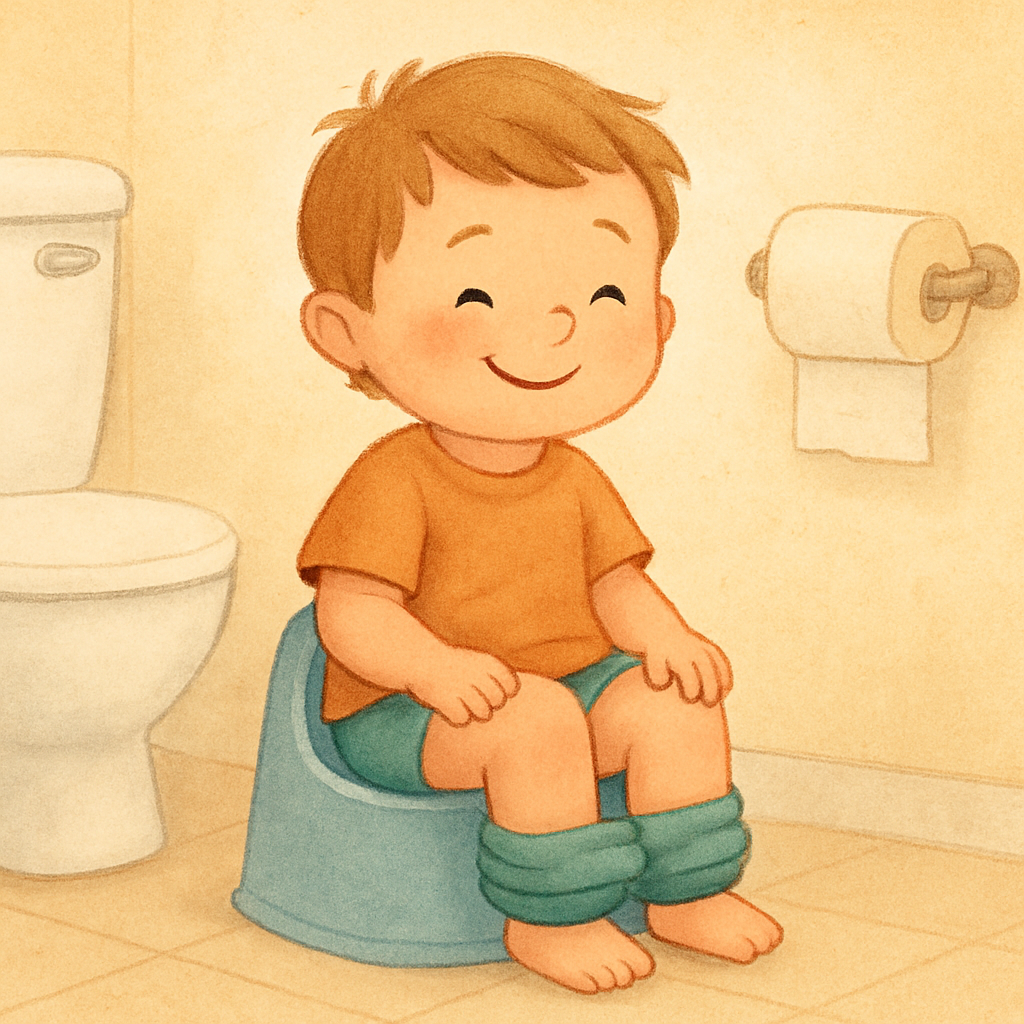
Once you've decided the time is right, you can begin the training process. The best way to start is with a clear, consistent plan. This involves creating a toilet routine that fits into your family's daily life. Instead of diapers, switch to training pants or regular underpants to help your child feel when they are wet.
The key is to be patient and positive. Encourage your child to sit on the toilet for a couple of minutes at set times throughout the day. The following steps will guide you on how to introduce the routine and use encouragement effectively.
Introducing Your Child to the Toilet Routine
A consistent routine is key to toilet training. Make the toilet area inviting and let your child choose their own potty or seat. Reading books or watching videos about using the toilet can also make it a positive experience.
Have your child sit on the toilet for a few minutes at set times, such as:
-
First thing in the morning
-
20-30 minutes after meals or drinks
-
After naps
-
Before evening baths
Regularly scheduling these trips helps your child form a comfortable habit. Stay relaxed and offer praise just for sitting, even if they don’t go.
Using Rewards and Positive Reinforcement
Positive reinforcement is key to successful toilet training. Praise your child for their efforts, not just successes, to boost confidence and motivation. Celebrate every attempt, even if they don't pee or poo.
Use simple, immediate rewards that excite your child:
-
Sticker charts for sitting on the toilet
-
Verbal praise like "Great job!"
-
High-fives or cuddles
-
Special treats only for using the toilet
If accidents happen, stay calm. Clean up without drama and gently remind them that pee and poo go in the toilet. This keeps the process stress-free.
Strategies for Toileting Training Children with Special Needs
Toilet training children with special needs can present unique challenges, but it's a valuable developmental goal that enhances their independence and comfort. A developmental disability should not be seen as a barrier to learning this important life skill. With patience, consistency, and a tailored approach, many children can become clean and dry.
It’s highly recommended that caregivers seek advice from health professionals, such as a continence nurse advisor, an occupational therapist, or a doctor. They can provide specialized strategies and support. The following sections offer specific techniques for children with disabilities and explain how professional therapies can help.
Tailoring Techniques for Children with Disabilities
Children with disabilities, including autism, often need a structured, personalized approach to toilet training due to sensory sensitivities, communication challenges, or difficulty adapting to new routines. Some may be sensitive to toilet sounds or not recognize bodily cues.
Breaking the process into small steps and using visual aids can help. Strategies include:
-
Visual schedules: Use pictures for each toileting step.
-
Consistent language: Everyone uses the same simple words.
-
Adapting the environment: Adjust scents or seat temperature for comfort.
-
Bathroom diaper changes: Change diapers in the bathroom to build positive associations.
Progress may be slow, but patience and consistent support—including help from professionals—can lead to success.
How Occupational Therapy Supports Toileting Skills
An occupational therapist (OT) can help with toilet training, especially if your child faces challenges. OTs assess readiness, identify obstacles, and set realistic goals. They may suggest tools like seat inserts or bedwetting alarms and teach practical strategies for the home.
OTs create personalized routines and coordinate with schools or daycare for consistency. Consider involving an OT if your child struggles with clothing, fears the toilet, or doesn’t recognize when to go.
Working with an OT offers expert support and makes toilet training easier. They can also collaborate with other health professionals for comprehensive care.
Conclusion
Toilet training is a key milestone in your child's development. Approach it with patience, as every child’s readiness and journey differ. Look for signs they're ready and use positive reinforcement to build their confidence. If challenges arise, seek support suited to your child's needs, including occupational therapy if needed. With the right approach, this can be a positive and successful transition.
Contact us for a consultation, or you may call us at 02 9133 2500.
Frequently Asked Questions
How long does toilet training usually take for most children?
Every child learns at their own pace, so there’s no set timeline. While some children grasp this new skill in days, others may take several months. Most children are successfully daytime toilet trained by age four. Patience is key as they learn to control their bladder and bowel.
What are the best toilet positions to relieve constipation in children?
The best way to help a child have a comfortable bowel movement is to ensure their feet are supported. Use a sturdy footstool that allows their knees to be slightly higher than their hips. This position helps them feel secure on the toilet seat and relaxes the muscles needed to pass a stool.
Why do some children experience incontinence issues during toilet training?
Occasional accidents are normal, but persistent bladder or bowel incontinence can have several causes. It may be due to an overactive or underactive bladder, constipation, or a developmental delay. If you are concerned about ongoing issues, it is best to consult with health professionals for advice and support.
.svg)




.svg)