
.png?width=48&height=48&name=Group%201%20(3).png)























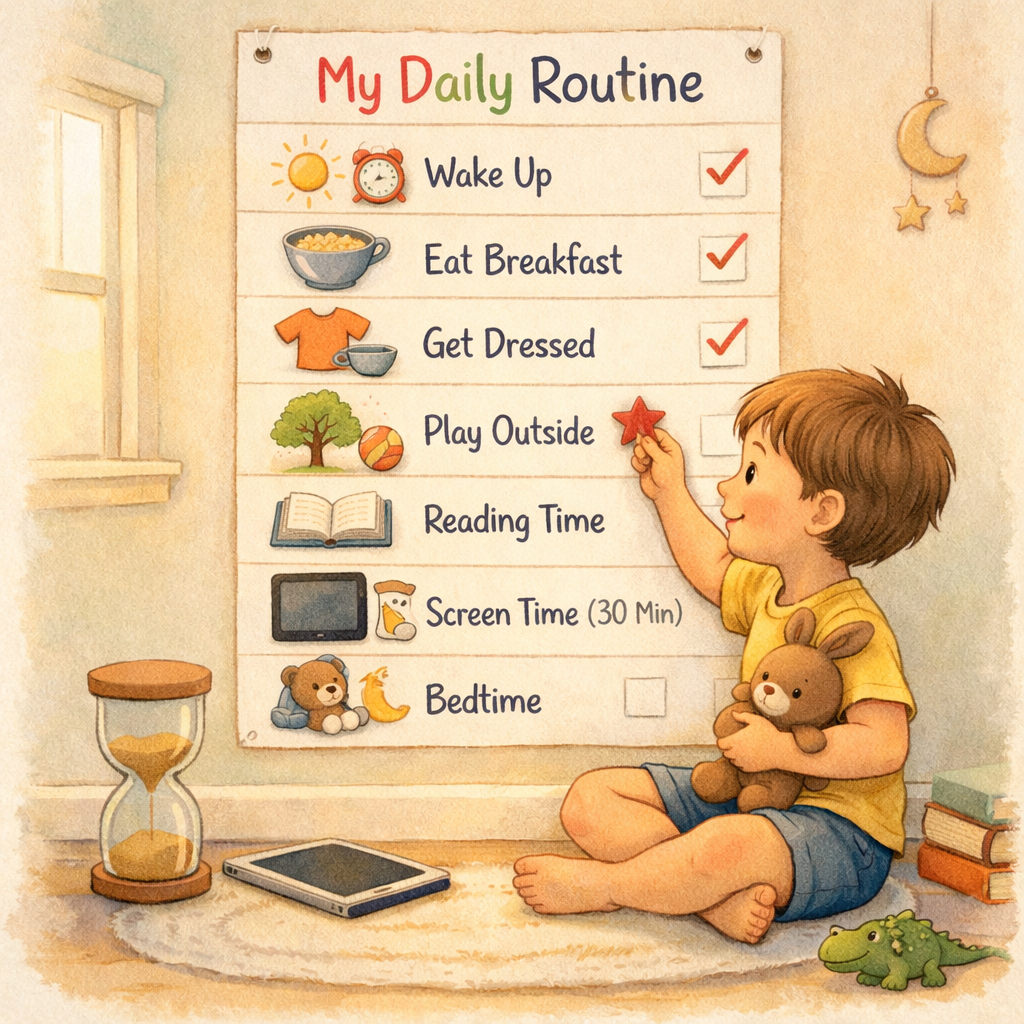
1 April, 2026

Effective Strategies for Managing Kids Screen Time Today

Key Highlights
Here are the key takeaways for managing your child's screen time:
- The Australian government provides clear screen time recommendations to promote children's health.
- For children aged 5-11, the guideline is no more than two hours of sedentary recreational screen use per day.
- Establishing a healthy balance between screen time and physical activity is crucial for a child's development.
- Setting clear time limits and creating screen-free zones at home can help manage screen use effectively.
- Parents can model healthy habits by managing their own screen use and encouraging family time away from devices.
Introduction
Navigating your children’s screen time in today's digital world can be confusing and stressful for many parents. With conflicting information everywhere, it's tough to know what's best. Excessive screen time can sometimes lead to emotional difficulties and meltdowns, impacting your child's well-being. This guide will help you understand the current recommendations and provide practical strategies to manage screen use, fostering healthy development and a happier home environment.
Understanding Screen Time for Children in Australia
The Australian government has established guidelines to help parents manage their children's screen time. These recommendations are part of broader physical activity guidelines and categorize screen use as sedentary time for young children. The goal is to ensure that screen time does not interfere with essential physical activity and other developmental experiences.
Making informed choices about your child’s daily activities is key. Understanding these screen time recommendations allows you to create a healthy balance between screen use and physical health. This approach supports your child's overall well-being and development. The following sections will detail these guidelines and help you spot signs of excessive screen use.
Current Screen Time Recommendations for Ages 3-11
To support children's physical health, the Australian government sets limits on recreational screen time. For ages 3–5, the recommendation is no more than one hour per day. For ages 5–17, it's a maximum of two hours daily, not including schoolwork. Following these guidelines helps keep children active and balanced.
Screen time recommendations:
|
Age Group |
Daily Limit (Recreational) |
|---|---|
|
3–5 years |
No more than 1 hour |
|
5–17 years |
No more than 2 hours |
Recognizing Signs of Excessive Screen Use
It can be hard to tell if your child spends too much time on screens. A clear sign is less physical activity—if your child regularly chooses screens over playing outside, it’s a concern. Excessive screen time can cause behavioral issues, trouble with emotional regulation, and meltdowns when devices are taken away.
Watch for changes in mental health and social skills. Too much screen use may lead to attention problems or delays in language and social development. If your child struggles to interact with others or loses interest in real-world connections, it could be related.
Sleep is another key indicator. Poor sleep habits or difficulty falling asleep may result from screen use before bed, as the light from devices disrupts the brain’s ability to wind down.
Building Healthy Screen Habits at Home
Creating a foundation for healthy screen use starts right in your own home. By setting clear boundaries and consistent rules, you can guide your child’s screen time effectively. Using tools like parental controls can help, but the most impactful strategies often involve family agreements and setting a good example.
The goal is to teach your children how to manage their own time with digital devices responsibly. This involves more than just setting time limits; it’s about fostering an environment where screen-free family time is valued and there are plenty of other engaging activities available. Let’s look at some specific strategies and tips.
Effective Strategies for Parents
Being a good role model with your own screen use is one of the most effective ways to guide your child. Kids learn by watching, so show the behavior you want to see—like putting your phone away during meals and conversations to demonstrate being present.
Set clear time limits for screens and stick to them to build healthy habits. Discuss these rules openly so your child understands their purpose and learns to balance digital life responsibly.
Try these strategies:
- Set boundaries, such as no devices during meals.
- Give advance warnings before screen time ends to ease transitions.
- Show interest in your child's online activities by playing games or watching shows together.
- Praise responsible behaviors, like turning off devices without complaints.
Checklist Tips for Promoting Healthy Screen Use
Having a simple checklist can make it easier to promote healthy screen use in your daily routine. These tips act as quick reminders to help you stay consistent with your family's screen time rules. The idea is to make these practices a normal part of your household, reducing conflict around screen use.
When you limit screen time, it's important to have other engaging activities ready. This helps redirect your child’s attention and shows them there are fun things to do away from a screen. Rotating toys or planning simple family activities can keep things interesting.
Here is a checklist to help you get started:
- Create screen-free zones, like bedrooms and the dinner table.
- Encourage breaks every 20 minutes to rest their eyes.
- Have non-screen activities readily available and accessible.
- Use visual timers to help children track their own screen time.
- Recharge all devices overnight in a central location outside of bedrooms.
Creating Balanced Screen Time Routines
Developing balanced screen time routines is about fostering a healthy relationship with technology, not just restricting it. When screen use is built into a predictable daily schedule, it can reduce arguments and help children understand expectations. This structure gives them a sense of control and predictability.
The key is to integrate screen time with other important parts of the day, such as homework, chores, physical activity, and family time. A well-rounded routine ensures that screens don't take over and that your child has plenty of opportunities for other types of learning and play. The following sections offer tips on setting limits and finding screen-free fun.
Setting Realistic Limits and Family Guidelines
To create a balanced routine, set realistic and consistent time limits. Discuss screen time rules as a family and explain the reasons behind them—when children understand why, they’re more likely to cooperate. Involve kids in setting guidelines to give them ownership.
Set clear rules like daily screen allowances and agree on consequences for breaking them. Establish tech-free times, such as during meals or before bed, to encourage better sleep and family connection. Apply these rules to everyone for fairness.
Use parental controls to help enforce limits, especially for younger kids. These tools can filter content and turn off devices when time is up. However, combine them with open conversations instead of relying on them alone.
Encouraging Screen-Free Activities and Co-Viewing
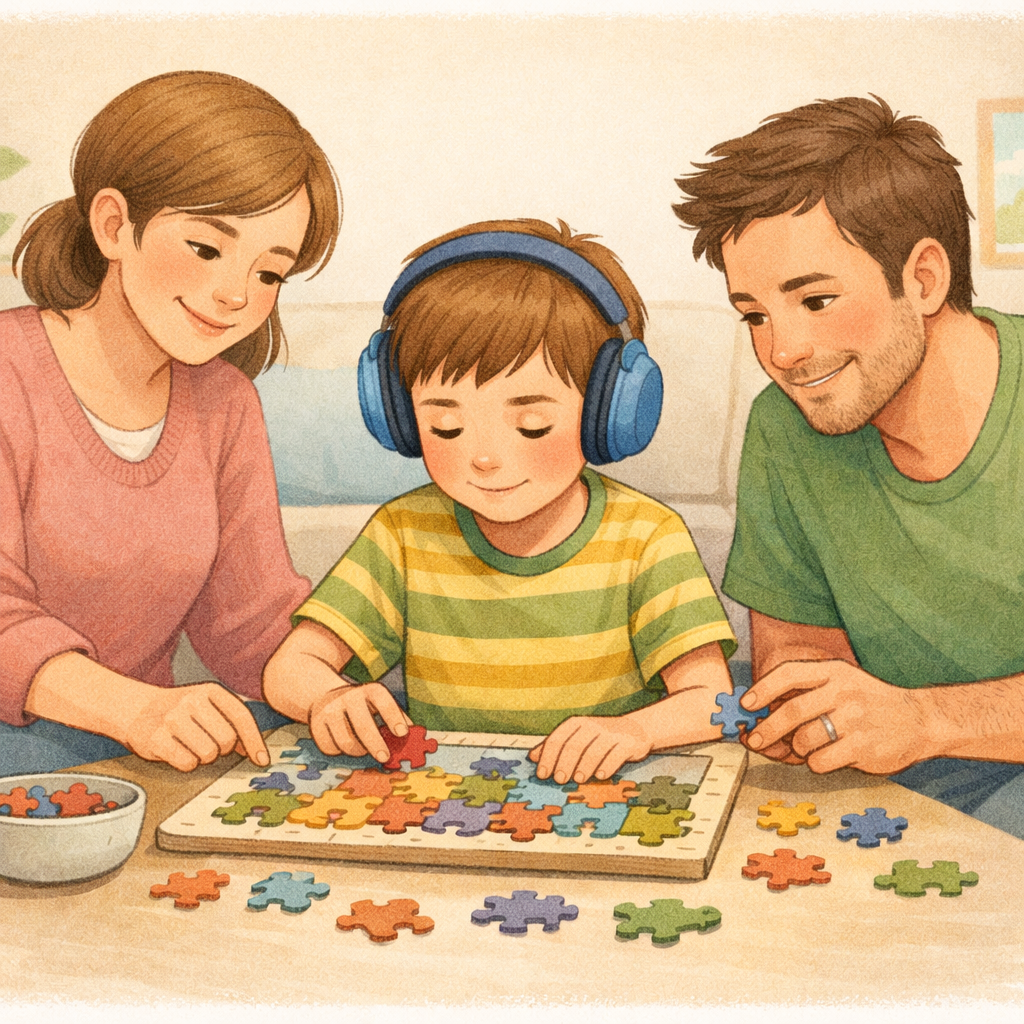
To promote a healthy balance, offer plenty of appealing screen-free activities when limiting screen time. This encourages physical activity, creativity, and social interaction essential for development.
Co-viewing—watching shows or playing games together—is another effective approach. By engaging with your child's screen time, you can discuss content, ask questions, and make the experience interactive while monitoring their choices.
Tips to reduce screen time:
- Plan regular family activities like bike rides, board games, or park visits.
- Encourage hobbies such as reading, drawing, or building blocks.
- Redirect children to the backyard for active play.
- Keep toys and craft supplies accessible for spontaneous fun.
Conclusion
In conclusion, managing your children's screen time is essential for their overall well-being. By implementing effective strategies and fostering healthy habits, you can create a balanced environment that encourages positive screen use. Setting realistic limits, promoting screen-free activities, and co-viewing can help ensure that technology serves as a tool for learning and connection rather than a source of distraction. Remember, it’s about finding the right balance that works for your family.
If you’re looking for personalized guidance, don’t hesitate to reach out for a consultation or call daar at 02 9133 2500. Your child’s mental and physical health will thank you!
FAQs (Frequently Asked Questions)
Managing screen time can raise various questions among parents. Common queries often revolve around how much screen time is appropriate for different ages. Engaging with your child and understanding their online activities can help in setting healthy limits. Many parents wonder about the impact of excessive screen time on physical and mental health, and how to foster a healthy relationship with electronic devices. Utilizing parental controls and incorporating family activities can encourage children to adopt healthier screen use habits while promoting social skills.
Are there free resources to help manage kids’ screen time?
Yes, many free resources are available to help you manage your child's screen time. Websites like Common Sense Media offer reviews and ratings for apps, games, and shows. The Office of the eSafety Commissioner in Australia also provides useful guides and information for parents on promoting healthy screen use and online safety.
How can occupational therapy support healthy screen routines?
Occupational therapy can help by creating structured screen routines that fit into your family's daily life. A therapist can provide strategies to improve emotional regulation during transitions away from screens and suggest alternative activities that support physical health and healthy development, making screen management easier for children with additional needs.
What are the best ways to guide teens toward healthier screen habits?
For teens, open communication is key. Talk about the risks of social media and the importance of a healthy balance. Set boundaries together regarding screen time, especially around homework and bedtime. Encouraging them to be mindful of their own screen use helps them develop self-regulation skills for the long term.
.svg)




.svg)