
.png?width=48&height=48&name=Group%201%20(3).png)























5 March, 2026

Effective Tips on How to Stop YouTube Addiction Today
Key Highlights
Here are the key takeaways from my journey to better digital wellbeing:
- Understanding the psychology behind endless scrolling is the first step to regaining control over your social media habits.
- You can set a daily time limit for YouTube and use the app’s built-in features to remind you to take breaks.
- Replacing screen time with healthy alternatives like hobbies or exercise is crucial for improving your mental health.
- Parents can use features like Restricted Mode, the YouTube Kids app, and supervised accounts to manage their child's viewing.
- For extra help, apps can add friction to interrupt mindless scrolling and help you build better habits.
Introduction
Have you ever opened YouTube just to watch one quick video and suddenly realized an hour has passed? You're not alone. I found myself losing huge chunks of my day to endless scrolling, and it started to affect my productivity and overall digital wellbeing. This constant connection to social media felt overwhelming. I decided to take control. In this post, I'll share the simple, practical steps I took to reduce my YouTube screen time and reclaim my day.
Understanding What Causes Excessive YouTube Watching
Before you can address the problem, you need to understand it. YouTube is designed to keep users engaged, which can lead to overuse and even social media addiction, affecting your mental health and daily life.
Recognizing the signs is crucial—such as spending excessive time on YouTube, neglecting responsibilities, or feeling irritable when trying to cut back. Understanding these root causes will help you manage your usage more effectively. Next, we’ll explore the psychological and environmental triggers that keep you hooked.
The psychology behind endless scrolling and short-form videos
Platforms like YouTube use features such as the Shorts feed to create endless streams of content, offering quick rewards that make it hard to stop watching. This "scroll, like, repeat" cycle can mimic behavioral addictions.
Constant stimulation can lead to poor focus, neglected relationships, and anxiety. While not classified as a mental illness, experts note similarities between compulsive social media use and other addictions—you may feel unable to stop even when you know it's harmful.
The recommendation algorithm intensifies this effect by continually suggesting new videos based on your interests, making it difficult to break the cycle and stop watching.
Environmental factors that contribute to increased screen time
Your environment and daily routines greatly impact your online time. With YouTube just a tap away on your phone, it often becomes the default activity when you're bored.
Simple habits—like opening YouTube first thing in the morning or using it to unwind—can quickly add up, leading to hours lost without noticing. A lack of structure or alternative activities makes this even easier.
Common triggers for increased screen time include:
- Boredom or loneliness: Turning to YouTube to fill empty moments.
- Easy access: Keeping the app on your home screen.
- Lack of alternatives: Not having other hobbies or plans for your free time.
Simple Strategies That Help Reduce YouTube Screen Time
Regaining control of your time doesn’t require a major overhaul. Small, simple strategies can greatly improve your digital wellbeing. Be intentional with your YouTube use—set clear time limits instead of letting it control you.
Start by establishing boundaries and finding new activities to replace scrolling. Combining mindful habits with enjoyable alternatives helps break the cycle of excessive screen time. Here are a few practical methods you can try today.
Creating boundaries: setting daily limits and sticking to routines
To manage your YouTube time effectively, set clear limits. Rather than quitting abruptly, allow yourself a set amount of daily viewing. Use YouTube’s "Remind me to take a break" timer and disable autoplay to regain control.
You can also make YouTube a reward—watch for 15 minutes after completing a task. This turns it from a habit into a conscious choice. Some find success with third-party apps that add friction, like pausing or prompting you to breathe before the app opens.
Here’s how to set daily limits in the YouTube app:
|
Step |
Action |
|---|---|
|
1 |
Open YouTube and tap your profile icon. |
|
2 |
Go to "Settings," then "General." |
|
3 |
Turn on "Remind me to take a break" and set your limit. |
|
4 |
Turn off "Autoplay next video." |
Replacing YouTube time with healthy, enjoyable alternatives
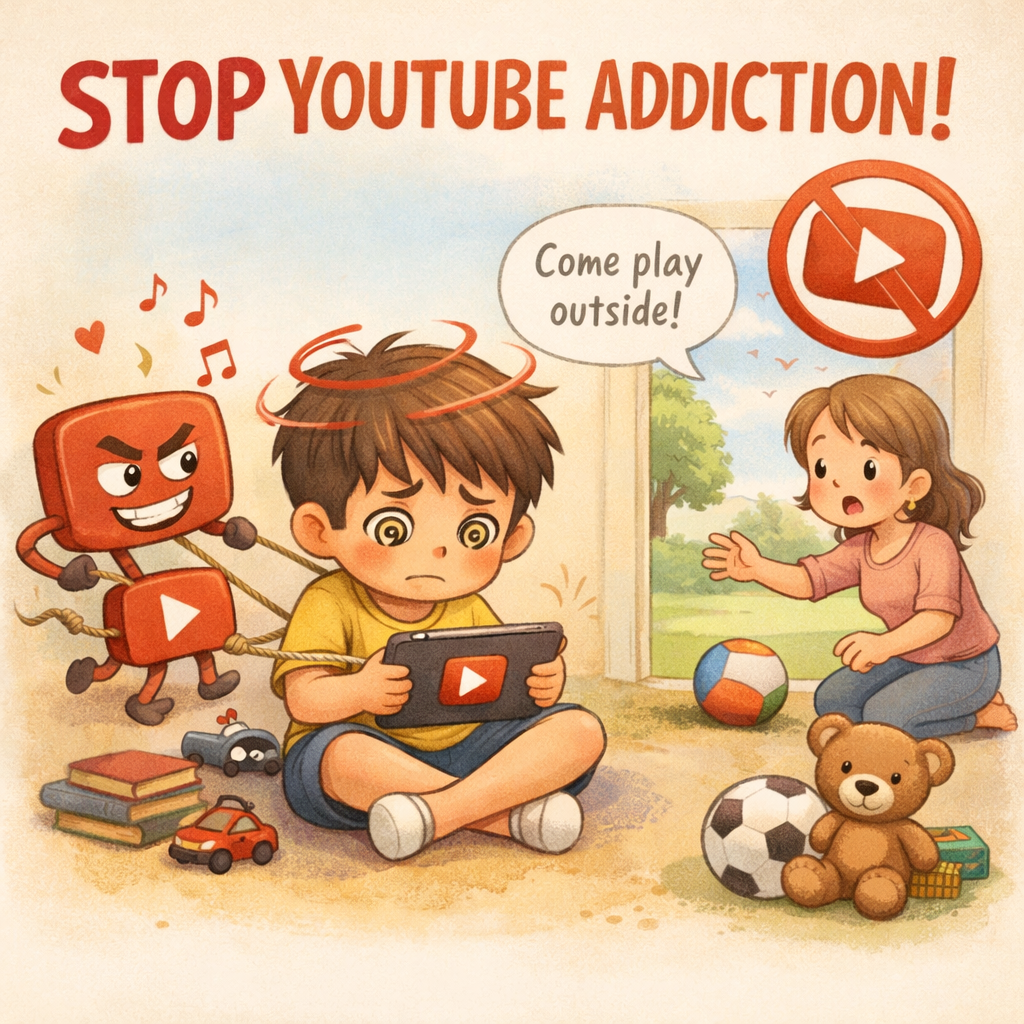
Breaking a habit is easier when you replace it with something else you enjoy. Simply staring at a wall won't work! Finding healthy alternatives to fill the time you would have spent on YouTube is essential for improving your mental health and overall digital wellbeing. Think about activities that engage your mind or body in a positive way.
The goal is to find distractions that are more fulfilling than passive scrolling. This could be anything from learning a new skill to reconnecting with people in the real world. By actively choosing to do something else, you weaken the pull of YouTube and build a more balanced lifestyle. This is a key step in moving away from behaviors that can feel like an addiction, without the negative impacts of substance use.
Here are a few ideas for healthy alternatives:
- Pursue a Hobby: Pick up a book, try painting, or learn an instrument.
- Get Active: Go for a walk, try a home workout, or visit a friend.
- Mindful Activities: Practice journaling or meditate to stay grounded.
Conclusion
In conclusion, reducing your YouTube screen time is not only achievable but also essential for fostering a healthier lifestyle. By understanding the psychological triggers and environmental factors that lead to excessive viewing, you can implement simple yet effective strategies such as setting daily limits and replacing screen time with engaging alternatives. Remember, it's about creating balance in your life and making intentional choices that benefit your overall well-being.
If you're looking for personalized guidance on how to manage your screen time better, don’t hesitate to get in touch for a consultation or call daar at 02 9133 2500!
Frequently Asked Questions
What are effective methods for parents to limit YouTube usage in kids?
Parents can use several tools to manage how much time their kids spend on YouTube. The YouTube Kids app offers a safer environment with filtered content. You can also enable "Restricted Mode" on the main platform or use Google's Supervised Experiences to set content restrictions and time limits through parental controls.
Are there reliable apps or tools to control YouTube screen time?
Yes, there are several helpful apps and tools. YouTube's built-in timer and break reminders are a good start. For more robust control, third-party apps like "one sec" are designed to interrupt mindless scrolling by adding a forced pause before social media apps open, helping you use them more intentionally.
When should I seek professional help for YouTube addiction?
If your YouTube use is negatively impacting your work, relationships, or mental health, and you feel unable to cut back on your own, it may be time to seek professional help. A therapist can assist you with strategies and address any underlying issues contributing to the social media addiction.
.svg)




.svg)