
.png?width=48&height=48&name=Group%201%20(3).png)
























13 March, 2026

Behaviour Therapy: Improving Lives with Professional Help
Key Highlights
- Behavior therapy, particularly applied behavior analysis, uses scientific principles to improve helpful behaviors. Professional help is crucial, with qualified behavior analysts creating personalized plans based on individual needs. The goal of a therapy session is to teach new skills and reduce behaviors that interfere with learning. If you’re interested in becoming an NDIS service provider in Australia, you will need to register with the NDIS Commission. This registration process typically involves meeting quality and safety standards, undergoing relevant checks, and providing evidence of your qualifications, such as expertise in applied behavior analysis or a background as a behavior analyst. Once approved, you can offer aba and related therapy sessions to support participants in building new skills.
- Professional help is crucial, with qualified behavior analysts creating personalized plans based on individual needs. The goal of a therapy session is to teach new skills and reduce behaviors that interfere with learning. To find a registered NDIS provider near you, you can visit the official NDIS website and use their Provider Finder tool, search online registries, or ask your behavior analyst for recommendations based on your location and therapy requirements.
- The goal of a therapy session is to teach new skills and reduce behaviors that interfere with learning.
- In the United States, insurance coverage for behavior analysis services, including ABA, is often available, especially for children with autism. Therapy involves strategies like positive reinforcement to encourage skill development in real-world situations. In Australia, the main requirements for NDIS provider registration include meeting specific quality and safeguards standards, demonstrating the capability to deliver high-quality supports (such as behavior analysis interventions for individuals with autism), and ensuring all staff follow principles like positive reinforcement and effective reinforcement strategies. Providers must also comply with relevant state and territory regulations relating to aba services.
- Therapy involves strategies like positive reinforcement to encourage skill development in real-world situations.
- Finding the right therapist involves checking credentials, experience, and ensuring they are a good fit for your family.
Introduction
Have you ever wondered how behavior therapy can make a real difference in someone's life? This approach is grounded in the science of learning and behavior. The core idea of behavior analysis is to understand how actions are learned and how they are affected by the environment. By seeking professional help, individuals can learn to increase helpful behaviors and decrease those that are harmful or get in the way of learning. This guide will walk you through how behavior therapy works and how to find the right support.
The Role of Professional Help in Behavioural Therapy
Working with a trained professional is key to effective behavioral therapy. These experts use behavior analysis to build supportive environments for positive change and set clear, meaningful goals for each session.
Accredited by organizations like the American Psychological Association, therapists use evidence-based, safe strategies tailored to your needs. They guide you through each step, focusing on improving your quality of life. Next, let's look at what qualifies these professionals and how they create personalized plans.
Qualifications and Training of Behavioural Therapists
Behavioral therapists receive extensive training. Lead therapists, known as Board Certified Behavior Analysts (BCBAs), hold a master’s or PhD in psychology or behavior analysis and must pass a national certification exam.
Therapy programs also include registered behavior technicians (RBTs) or line therapists, who are trained and supervised by the BCBA. They work directly with clients to practice skills and achieve goals set by the behavior analyst.
This rigorous training ensures high-quality, evidence-based care. The American Psychological Association recognizes Applied Behavior Analysis as an evidence-based best practice, reflecting its effectiveness and strong research foundation.
How Professionals Tailor Therapy to Individual Needs
One of the strengths of behavior therapy is its individualized approach. Therapists begin with a detailed assessment of a person's skills, interests, and needs to understand behavior patterns and motivators.
Based on this assessment, they create a tailored plan that breaks larger goals into small, manageable steps—such as starting with imitating a single sound to improve communication. The plan also incorporates family goals and daily routines for practicality. Key components include:
- Specific goals for communication, social skills, or self-care
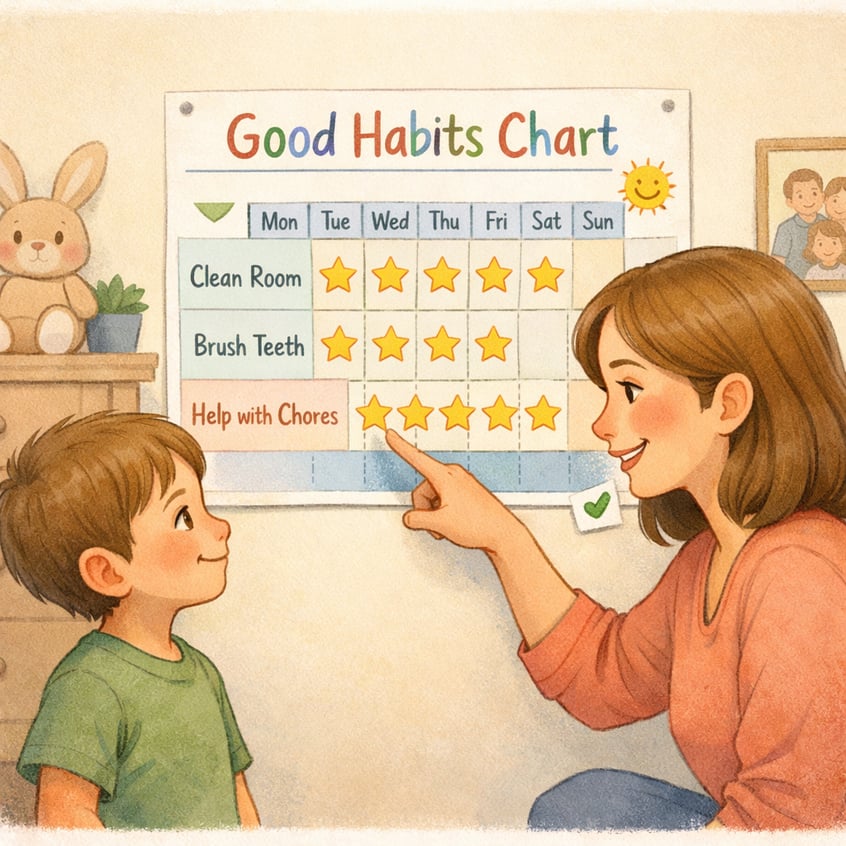
- Positive reinforcement to encourage learning
- Strategies to practice new skills in various settings
Each session focuses on these steps, with therapists collecting data to track progress and adjust the plan as needed. This ongoing process ensures therapy stays effective and helps build new skills over time.
Behavioural Therapy and NDIS in the United States
For families navigating behavioral therapy in the United States, it's important to understand the available support systems. While the National Disability Insurance Scheme (NDIS) is an Australian program, the U.S. has its own systems for funding services like Applied Behavior Analysis (ABA), especially for individuals with conditions like Autism Spectrum Disorder (ASD).
Many private health insurance plans are required to cover medically necessary treatments, which can include behavioral therapy. Additionally, all state Medicaid plans must cover these services for children under 21 if prescribed by a doctor. Let's look at how these systems work and how you can access the support you need.
What is NDIS and Its Relevance for Behavioural Therapy
Although this blog focuses on the U.S., it's useful to understand the NDIS, which you may encounter in your research. The National Disability Insurance Scheme (NDIS) is Australia's system for supporting people with permanent and significant disabilities. NDIS participants receive funding for services and supports, such as behavior therapy, to achieve their goals.
NDIS providers work with participants to create plans that improve quality of life. For those with ASD or other behavioral challenges, specialist providers develop behavior support plans to address behaviors and teach new skills.
In the U.S., therapists, clinics, and agencies approved by insurance or Medicaid serve a similar role, helping individuals access behavioral therapy.
Navigating Eligibility for Behavioural Therapy NDIS Support
Getting help for behavioral therapy in the U.S. takes a few simple steps. The NDIS does not work here. You will need to deal with insurance companies and health doctors. First, talk to your child's doctor or another health expert. This person can check what your child needs. They will give you a diagnosis and write a note for ABA or other therapy if needed.
The note from the doctor is very important for getting help from insurance. Most insurance plans need this before they pay for therapy. To find the right provider, ask your doctor for names or look at your insurance company’s list of approved providers. You can also look online for ABA providers near you.
Here are some clear steps to begin:
- Get a proper diagnosis and a note for therapy from a health expert.
- Call your insurance company to learn about your coverage for ABA help.
- Look up local therapy centers and ask how to start and if there is a waitlist.
These steps help families find the care and support their loved ones need.
Services Provided by NDIS Providers
In the U.S., the organizations that function like NDIS providers offer a wide range of services designed to support individuals and their families. These services are centered around evidence-based practices like Applied Behavior Analysis (ABA) to help people develop new skills and improve their daily lives.
Each therapy session is part of a larger, comprehensive plan. Providers work closely with individuals, who are like NDIS participants in this context, to set meaningful goals. The focus is on creating lasting, positive change. Let's explore the specific services offered and the differences you might encounter among providers.
Range of Behavioural Therapy Services Offered
Behavioral therapy providers offer a diverse set of services tailored to each person's needs. The foundation of these services is often a thorough assessment to identify strengths and areas for improvement. Following this, a behavior analyst designs a customized program.
A core service is direct one-on-one or group ABA therapy. During a therapy session, a trained therapist works with the individual to practice skills related to communication, social interaction, and daily living. A key technique used is positive reinforcement, where the person is rewarded for using a new skill, making learning enjoyable and motivating. Providers also offer training for parents and caregivers, empowering them to support skill development at home and in the community.
The services can be broken down into several key areas:
|
Service Type |
Description |
|---|---|
|
Functional Behavior Assessment |
An in-depth evaluation to understand the reasons behind specific behaviors. |
|
Direct ABA Therapy |
One-on-one or group sessions focused on skill-building and behavior improvement. |
|
Parent/Caregiver Training |
Equipping family members with strategies to support the individual's progress outside of the therapy session. |
|
Social Skills Groups |
Group settings where individuals can practice social interactions with peers. |
The Difference Between Registered and Unregistered NDIS Providers
While the "registered" versus "unregistered" provider distinction is specific to Australia's NDIS, a similar concept exists in the U.S. healthcare system. A registered NDIS provider has met strict government quality and safety standards. The U.S. equivalent would be an "in-network" provider who is credentialed and contracted with your insurance company. An unregistered provider, or "out-of-network" provider, may still offer quality services but has not gone through your insurance plan's vetting process.
Choosing an in-network provider often means your services are covered at a higher rate, and you pay less out-of-pocket. These providers have already been verified by your insurance company, which gives you an added layer of confidence in their credentials and practices.
Here are the key differences in a U.S. context:
- In-Network (like a registered provider): Contracted with your insurance, often leading to lower costs.
- Out-of-Network (like an unregistered provider): Not contracted with your insurance, which may result in higher out-of-pocket expenses.
- Verification: In-network providers have been vetted by the insurance company for qualifications and quality standards.
Understanding this distinction can help you make an informed choice when selecting a provider for behavioral therapy services.
Selecting the Right NDIS Provider for Behavioural Therapy
Choosing the right behavioral therapy provider is crucial. Look for a qualified team that aligns with your family’s needs and values. Ideally, your NDIS provider (or U.S. equivalent) should use supportive methods like positive reinforcement.
A strong relationship with your behavior analyst and therapists is essential. When your child feels comfortable and engaged, therapy is more effective. Here’s how to assess a provider’s credentials and ensure they meet high standards for quality and safety.
Assessing Experience and Credentials of an NDIS Provider
When you're looking for a behavioral therapy provider, checking their experience and credentials is a vital step. You want to ensure that the professionals directing the therapy are properly qualified. A key credential to look for is a Board Certified Behavior Analyst (BCBA). You can verify a behavior analyst's status on the Behavior Analyst Certification Board (BACB) website.
Beyond credentials, consider the provider's experience. Have they worked with individuals of a similar age and with similar needs to your child? It's perfectly acceptable to ask about the training their therapists receive and how much supervision is provided by the lead BCBA. A provider with a strong track record and robust internal training programs is often a good sign.
When evaluating a potential provider, consider asking:
- How many BCBAs are on staff, and are they licensed?
- What is the extent of your experience working with children or adults with our specific needs?
- How much direct supervision do therapists receive from a BCBA each week?
These questions will help you gauge the provider's level of expertise and commitment to quality care.
How to Check NDIS Provider Quality and Safety Standards
To ensure high quality and safety standards, confirm the provider is in-network with your insurance company. Insurers vet providers for care and professionalism. You can also ask providers directly about their safety policies, how they handle challenging behaviors, and their approach to behavior analysis. Reputable providers will be transparent and provide clear answers.
Key things to check:
- Licensing and Certification: Verify the lead behavior analyst’s (BCBA) credentials.
- Safety Policies: Ask how they maintain a safe therapy environment.
- Client Feedback: Read reviews or request references from other families.
Trust your instincts. A quality provider will make you feel comfortable, respected, and confident in their care.
Getting Started with Behavioural Therapy through NDIS
Taking the first step toward behavioral therapy can feel like a big one, but it's a positive move toward growth and learning new skills. In the U.S., this journey involves navigating insurance and finding the right provider to guide you. The process is designed to connect individuals, similar to NDIS participants, with the support they need.
Each therapy session is an opportunity to build on strengths and work toward greater independence. With the right plan and provider, you can create a supportive environment for positive change. Next, we'll outline the steps to access funded therapy and offer tips for your first meeting.
Steps to Access NDIS-Funded Behavioural Therapy
To access funded behavioral therapy in the U.S., which mirrors the NDIS access process, you'll need to follow a few key steps. It starts with getting a professional opinion. Talk to your pediatrician or a specialist who can provide a diagnosis and recommend behavior analysis services if they are appropriate. This recommendation is often required by insurance companies.
Once you have a prescription, the next step is to contact your health insurance company. Ask them about your benefits for ABA or behavioral therapy and request a list of in-network providers. This will help you find qualified professionals whose services are covered under your plan, making the therapy session more affordable.
Here is a simple breakdown of the steps to get started:
- Speak with a doctor: Get a diagnosis and a prescription for therapy.
- Verify insurance coverage: Confirm your benefits for behavior analysis services.
- Find a provider: Search for in-network providers through your insurance company or ask for recommendations.
After you've identified a potential provider, you can call them to schedule an initial evaluation and begin the intake process.
Tips for a Productive Initial Consultation with Your Provider

Your initial consultation with a behavioral therapy provider is an important opportunity to see if they are the right fit for your family. To make this meeting as productive as possible, come prepared with questions and information. Think about what you want to achieve through therapy and what your child's main strengths and challenges are.
During the meeting, pay attention to how the behavior analyst interacts with you and your child. A good provider will listen to your concerns, answer your questions clearly, and make you feel like a valued partner in the process. Ask them about their approach to therapy, how they determine goals, and how they measure progress. Many providers offer introductory packets or a PDF with this information.
To make the most of your first therapy session or consultation, consider these tips:
- Prepare a list of questions: Write down everything you want to know about their services and philosophy.
- Share your goals: Be open about what you hope to achieve with therapy.
- Observe the interaction: Notice how the staff communicates and if you feel comfortable and respected.
This initial meeting sets the tone for your therapeutic relationship, so it's important to find a provider you trust.
Conclusion
In conclusion, behavioral therapy offers tailored support that can significantly improve lives. Qualified therapists provide care suited to individual needs. Navigating NDIS requires understanding eligibility, available services, and provider options. Choosing an experienced NDIS provider sets the foundation for effective therapy. While taking the first step may feel daunting, the right guidance makes the process easier and leads to better mental health. Seeking help is a sign of strength and can transform your life.
For personalized support, book a consultation or call daar at 02 9133 2500 with our experts today.
Frequently Asked Questions
Are there NDIS providers specializing in behaviour support services?
Yes, in the U.S. there are many providers specializing in behavior support services, much like NDIS providers. They often use Applied Behavior Analysis (ABA) to help individuals, particularly those with ASD, understand the reasons for a certain behaviour and develop more effective ways of communicating and interacting with their environment.
What should I look for when choosing a behavioural therapy NDIS provider?
When choosing a behavioral therapy provider, look for proper credentials, such as a Board Certified Behavior Analyst (BCBA). Consider their experience, especially with your specific needs. Ensure they are a good fit for your family and use evidence-based methods like ABA in a supportive and positive way.
Where can I find more resources about NDIS and behavioural therapy?
For more resources on behavioral therapy, especially for ASD, a great place to start is the website of organizations like Autism Speaks, which offers guides and articles. Your pediatrician or insurance provider can also offer resources, and many therapy clinics provide informational packets or a downloadable PDF on their websites.
.svg)




.svg)