
.png?width=48&height=48&name=Group%201%20(3).png)























8 October, 2026

How Behaviour Therapy Can Support Communication Skills
Key Highlights
- behaviour therapy helps children with autism spectrum disorder build communication skills in clear, teachable steps.
- applied behaviour analysis uses positive reinforcement to encourage useful communication and social skills.
- Support can include speech, gestures, visual tools, and alternative communication methods.
- Play-based and group activities give children practice in real social situations.
- Family involvement helps children use new skills during daily routines.
- A well-planned program can improve independence, participation, and quality of life.
Introduction
For many children on the autism spectrum, communication skills do not develop in a simple, predictable way. That can affect how your child expresses needs, joins activities, and connects with others. behaviour therapy offers practical support by teaching skills step by step in ways that match a child’s strengths and needs. When used early or later in development, it can help children build clearer communication, stronger participation, and more confidence in everyday settings.
Understanding Communication Challenges Faced by Children with Autism
Children with autism spectrum disorder can experience communication challenges that affect both expression and understanding. Some may use few words, while others may struggle with social skills, eye contact, or reading facial expressions and body language.
This is where functional communication becomes important. behaviour therapy improves communication skills in children with autism by teaching clear ways to request, respond, and engage with others. It breaks larger tasks into smaller steps, then builds success through practice, support, and meaningful reinforcement.
Common Communication Barriers in Autism Spectrum Disorder
Communication barriers in autism spectrum presentations can look very different from one child to another. A child may have limited verbal communication, delayed speech, or difficulty understanding what others say. Some children speak but find it hard to use language in a social situation.
In other cases, the barrier is nonverbal. Your child may miss body language, facial expressions, tone of voice, or social cues. That can make back-and-forth conversation hard, even when language skills seem strong in other areas.
Some children also need a communication device or other form of alternative communication. Tools such as picture systems, communication boards, or speech-generating supports can give a child a reliable way to express wants, choices, and feelings when spoken words are not enough.
Impact of Communication Difficulties on Daily Life and Social Interaction
When a child cannot share needs clearly, daily life becomes harder. Small moments like asking for food, joining a game, or following a routine may lead to frustration. Social interactions can feel confusing or exhausting without effective communication.
You might notice the effects in many settings:
- Trouble asking for help or making choices
- Difficulty starting or maintaining play with peers
- Reduced participation in group activities
- More stress during changes in daily routines
Behaviour therapy improves communication skills in children with autism by giving them practical ways to communicate in real situations. As communication grows, social skills often improve too. Children can take part more fully, respond with more confidence, and experience fewer behavioural challenges linked to misunderstanding.
The Connection Between Communication and Independence
Communication and independence are closely linked. If your child can ask for help, make a choice, or say no in a safe way, daily routines become easier to manage. That includes dressing, eating, playing, and moving through the day with less stress.
Strong communication skills also support problem-solving. A child who can use words, gestures, or alternative communication has more ways to handle change, express discomfort, and take part in routines at home, school, and in the community.
Over time, this can improve quality of life. Greater independence does not always mean doing everything alone. Often, it means your child can communicate needs more clearly, take part more actively, and rely less on frustration-based behaviours to be understood.
Introduction to Behaviour Therapy for Communication Development
Behaviour therapy supports communication development by teaching useful skills in a structured, practical way. It focuses on why a behaviour happens and what new skill can replace it. This makes learning more purposeful for your child.
A large part of this work comes from applied behaviour analysis. In simple terms, behaviour therapy improves communication skills in children with autism by reinforcing clear, functional ways to express needs, respond to others, and use communication across settings. The next sections explain how these approaches work.
What Is Behaviour Therapy and How Does It Work?
At its core, behaviour therapy is a teaching approach that looks at the reason behind behaviour. Instead of only reacting to a problem, it focuses on what skill your child needs to learn next. That makes therapy sessions more targeted and useful.
A therapist may break a complex task into smaller steps. For example, before a child can hold a conversation, they may first learn to request an item, respond to a name, or imitate a sound. Each step supports a desired behaviour that can be used again later.
Positive reinforcement plays a crucial role in this process. When a child uses a new skill successfully, the therapist responds in a way that makes that skill more likely to happen again. Over time, repeated success helps turn supported practice into everyday communication.
Overview of Applied Behaviour Analysis (ABA) and Its Role in Communication
Applied behaviour analysis is one of the most researched approaches used with autism. aba therapy teaches communication skills by identifying what a child can do now, choosing specific goals, and building new skills through repetition, prompting, and reinforcement.
It also supports greater independence. Approaches such as discrete trial training, pivotal response training, and functional communication training help children learn requests, responses, and everyday actions that carry over into home, school, and community routines.
|
ABA approach |
Role in communication and independence |
|---|---|
|
Discrete Trial Training |
Teaches skills in small, clear steps until the child can use them more reliably |
|
Pivotal Response Training |
Builds pivotal skills like requesting and appropriate play in natural settings |
|
Functional Communication Training |
Replaces challenging behaviour with a more effective form of communication |
Other Evidence-Based Behaviour Therapy Approaches Used in Australia
Several evidence-based options can support children with autism, and different approaches may help at different stages. Behaviour therapy is not one single method. It includes a range of teaching models chosen around your child’s specific needs and goals.
Discrete trial training is useful when a skill needs to be taught in very small steps. Pivotal response training works more naturally and often uses play or everyday moments to teach pivotal skills such as requesting and appropriate interaction. Functional communication training focuses on replacing behaviours of concern with clearer communication.
Role of Play-Based Behaviour Interventions in Communication Support
Play gives children a natural reason to connect, request, and respond. That is why play-based interventions are often used for communication support, especially when a child learns best through shared interests and movement.
These approaches can be effective for developing social communication and independence because therapy sessions feel more meaningful and less forced. When play is built around the child’s motivation, it becomes easier to practice communication in ways that can carry into everyday life.
Benefits of Play Therapy for Social Interaction
Play therapy can create low-pressure opportunities for connection. Instead of asking a child to perform on command, it invites them to communicate during enjoyable activities. That makes social interaction feel safer and more rewarding.
In these moments, children can practice turn-taking, shared attention, requesting, and commenting. Those are important parts of social skills and communication development. When a therapist or parent follows the child’s interest, the child often has more reasons to stay engaged.
Another benefit is that many of these skills can be practiced in natural settings. A toy kitchen, playground game, or pretend activity can support real communication goals. This helps children use the same skills with different people and in places beyond formal therapy.
How Play Fosters Natural Communication in Everyday Settings
Play opens the door to communication in a way that feels natural. A child is more likely to ask, point, look, or vocalize when the activity is fun and meaningful. That makes play-based strategies useful for children with unique needs.
These strategies can support communication skills in daily life by encouraging:
- requesting favorite items or actions
- taking turns and waiting during shared play
- using gestures, signs, or alternative communication
- responding to simple directions in familiar activities
Because play happens across home, school, and community spaces, it gives children repeated chances to use skills in context. That matters. Learning in a real activity often makes it easier for a child to keep using the skill outside a lesson and across everyday routines.
Implementing Play-Based Strategies at Home
Home is one of the best places to use play-based interventions. Your child already knows the space, the materials, and the people. That familiarity can lower stress and increase the chance of successful communication.
Parental involvement matters here. Family members can build short play moments into daily routines, such as bath time, snack time, or outdoor play. A simple pause before giving a toy can encourage a request, gesture, or sound. Small changes like this can support steady learning.
The goal is not to create long, formal lessons. It is to build a supportive environment where communication happens often and feels useful. When families repeat simple strategies during regular routines, children get more practice and more chances to succeed.
Supporting Social Skill Development Through Behaviour Therapy
Social skill development often needs direct teaching. Many children need help learning how to join a group, notice social cues, wait for a turn, or respond in a conversation. Behaviour therapy makes these skills clearer and easier to practice.
It supports social skills through modeling, repetition, and structured group activities. Social skills training gives children guided opportunities to rehearse what to say and do, then use those skills with peers. The next sections look at common methods that help.
Social Stories and Peer-Mediated Interventions
Social stories are simple, individualised descriptions of a social situation, skill, or expectation. They help children understand what may happen, what others might do, and what response could help. This can make unfamiliar events feel more predictable.
A peer-mediated intervention adds another layer of support. In this approach, peers help model appropriate interaction during play, school, or group activities. Children can observe and practice social communication in a more natural way, rather than only with adults.
Both approaches also support emotional regulation. When children understand routines, expectations, and social cues more clearly, they often feel less overwhelmed. That can make it easier to stay engaged, respond to others, and build positive experiences in shared settings.
Group Activities and Communication Practice
Group activities give children a chance to practice communication with more than one person at a time. This matters because many social situations involve waiting, listening, responding, and adjusting to others in real time.
During structured activities, therapists can target skill development such as:
- starting a conversation or greeting a peer
- asking for a turn or offering an item
- using communication boards during shared tasks
- following simple directions in a group
These moments help effective communication become more flexible. A child is not only learning what to say, but also when to say it and how to respond in a changing social situation. That kind of practice can strengthen class participation, play, and community activities.
Building Confidence and Participation in Social Environments
Confidence grows when children experience success. If your child knows how to ask, answer, or join in, social environments can feel less confusing. Small wins matter because they show the child that communication can work.
For some children, that confidence begins with simple verbal communication. For others, it may start with gestures, signs, or a device. The method matters less than the result: the child can participate, be understood, and stay involved with others.
Over time, repeated practice supports confidence building and fuller participation. A child who once stood back may begin joining games, responding in class, or sharing choices more often. As communication skills increase, social experiences can become more positive and more manageable.
Integrating Behaviour Therapy with Other Therapeutic Approaches
Many children benefit most when behaviour therapy is not used alone. Communication and independence often involve language, sensory processing, motor planning, and everyday participation, so one approach may not cover everything.
A holistic approach brings professionals together after a comprehensive assessment. behaviour therapy can then work alongside occupational therapy and speech-language pathology to target both communication and daily living skills. This kind of teamwork helps support the whole child, not just one area of development.
Collaborating with Speech-Language Pathologists
Speech-language pathologists play a central role in helping children understand and express themselves. They assess current language skills, then work with families to build goals that match the child’s strengths and communication needs.
This support may focus on speech, but it can also include facial expressions, gestures, signs, vocalizations, and body language. For some children, communication boards or other alternative communication tools are essential parts of the plan rather than backup options.
When behaviour professionals and speech-language pathologists work together, children receive more individualised support. Communication goals can be practiced across therapy, home, and school. That consistency helps children use new skills more often and with more confidence in daily situations.
Combining Occupational Therapy (OT) for Daily Living Skills
occupational therapy focuses on helping children participate in everyday activities as independently as possible. That includes dressing, eating, playing, personal care, school tasks, and community participation. These daily living skills often depend on more than communication alone.
Some children struggle because of sensory input. Others need help with motor skills that affect feeding, dressing, or using tools. During therapy sessions, an occupational therapist can assess these barriers and create strategies that make routines more manageable.
When occupational therapy is combined with behaviour support, children can learn both what to do and how to do it. This can improve participation across home, school, and community settings. As routines become smoother, children often gain confidence and greater independence.
Holistic Approaches for Communication and Independence
A holistic approach recognises that communication development does not happen in isolation. A child’s progress may be influenced by anxiety, sensory needs, learning style, and the support available across environments. Looking at the full picture leads to more useful planning.
This matters for independence too. A child may know a skill in one place but not use it somewhere else. Support across therapy, school, home, and community helps bridge that gap. Emotional regulation is also important because stress can affect participation and learning.
Family members are a key part of this process. They help children practice skills in real routines and notice what works best. When professionals and families share goals, communication and independence can grow in a more consistent and meaningful way.
Involving Families in Communication-Focused Behaviour Therapy
Families have a major influence on how well children use skills outside formal sessions. A child may learn a new response in therapy, but real progress happens when that skill is practiced across meals, play, and community routines.
That is why family members matter so much in communication-focused therapy. With parent training and a supportive environment, families can use simple behaviour therapy strategies at home to encourage requests, choices, turn-taking, and clearer interaction throughout the day.
Strategies Families Can Use at Home
You do not need to turn home into a clinic to help communication grow. The most useful strategies often fit into daily routines and regular family activities. Short, repeated practice can be very effective.
Helpful options may include:
- using positive reinforcement when your child attempts communication
- adding visual aids for choices, steps, or transitions
- encouraging use of a communication device during meals or play
- pausing briefly in routines to create a chance for your child to request
These strategies work best in a supportive environment where communication is expected, noticed, and rewarded. Keep the goal simple. You want your child to learn that communication helps them get needs met, join activities, and feel understood more often.
The Importance of Parent Training and Consistency
parent training helps families understand what the therapy team is teaching and how to carry it over at home. This is important because a child learns faster when adults respond in similar ways across settings.
Consistency does not mean doing everything perfectly. It means using the same simple prompts, expectations, and supports often enough that the child can connect the dots. When this happens, therapy sessions and home routines begin to work together.
That shared approach can lead to positive changes over time. Children are more likely to use skills outside treatment when families understand the specific goals and know how to support them. Even a few consistent strategies can make communication feel more reliable and less stressful.
Tracking Progress and Celebrating Milestones Together
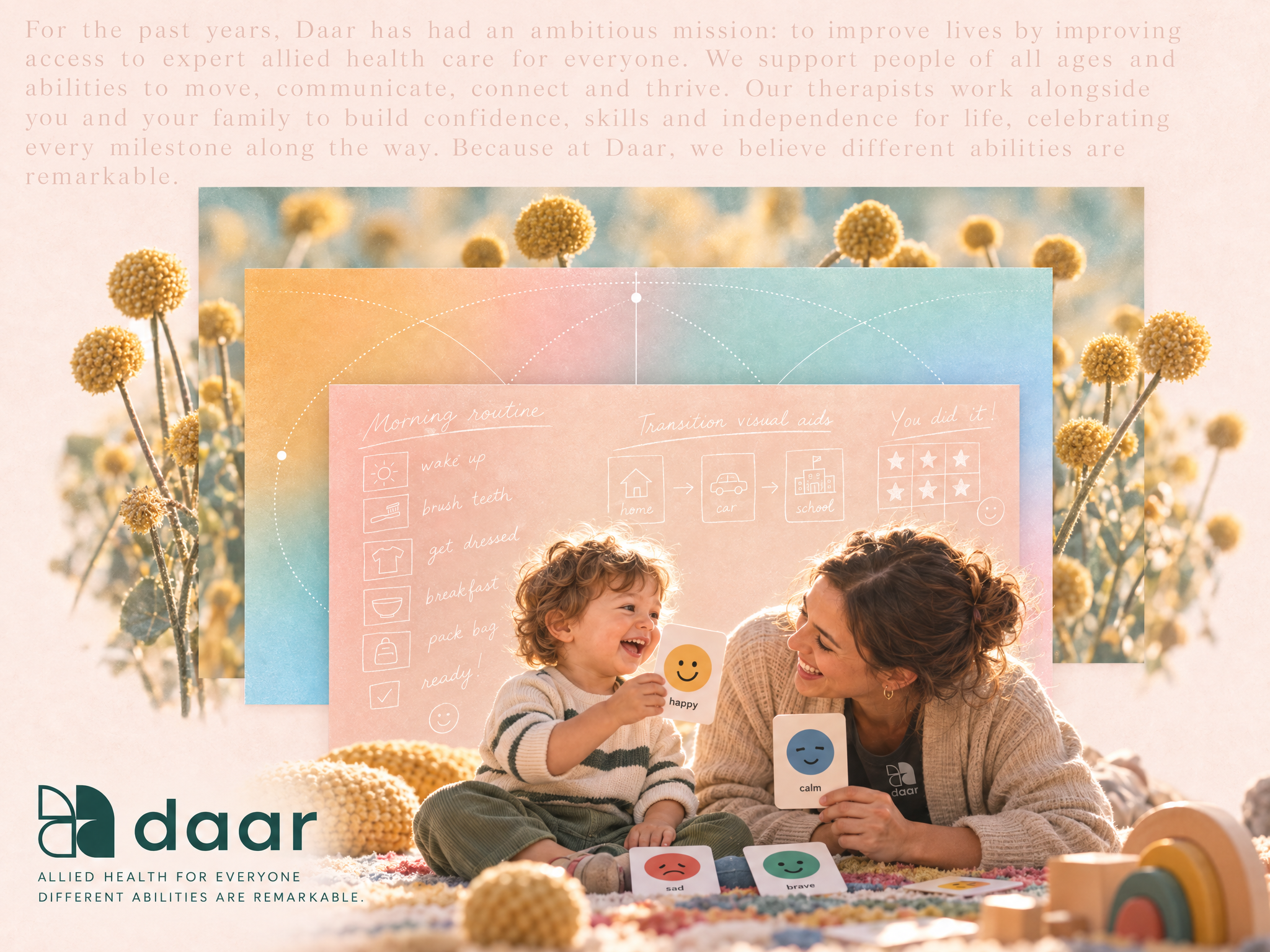
Tracking progress helps families and professionals see what is changing and what still needs support. This might include noting how often a child requests help, responds to a question, or uses a new form of communication during the week.
Behaviour analysis can guide these decisions by showing which strategies are helping and where adjustments may be needed. That keeps communication development focused and practical rather than based on guesswork alone.
Just as important, do not overlook milestones. A first request, a longer interaction, or a smoother morning routine all matter. When families recognise these steps, they create a supportive environment where effort is valued. That encouragement can motivate children to keep building on success.
Conclusion
In summary, behaviour therapy plays a vital role in enhancing communication skills for children with autism. By addressing the unique challenges they face, this therapeutic approach fosters not only better communication but also greater independence and confidence in social settings. Techniques such as play-based interventions and collaboration with other specialists can significantly improve daily interactions and social experiences. Involving families in this journey is equally important, as consistent support at home helps track progress and celebrate achievements.
If you're keen to explore how behaviour therapy can make a difference in your child's communication journey, get in touch with us for a consultation or call daar at 02 9133 2500.
Frequently Asked Questions
Do evidence-based behaviour therapies work for supporting communication in non-verbal children?
Yes. evidence-based therapy can support communication development in non-verbal children by teaching alternative communication methods such as picture systems, signs, or devices. aba therapy often uses structured teaching and reinforcement so children can express needs more clearly and participate more fully in daily interactions.
What should parents look for when choosing a behaviour therapy program focused on communication?
Look for behaviour therapy that matches your child’s specific needs, includes clear communication skills goals, and uses individualised support. Good program selection should involve assessment, family input, and practical strategies based on applied behaviour analysis that can be used across home, school, and community settings.
Can behaviour therapy help my child become more independent in daily routines?
Yes. behaviour therapy can support independence by teaching step-by-step skill development for daily routines such as dressing, eating, requesting help, and following simple directions. As communication and participation improve, many children experience smoother routines, greater confidence, and a better quality of life.
.svg)




.svg)