
.png?width=48&height=48&name=Group%201%20(3).png)























1 October, 2026

Finding the Right Behaviour Therapy Provider for You

Key Highlights
- A behaviour therapy provider helps NDIS participants understand behaviours of concern and improve quality of life.
- Positive behaviour support looks at unmet needs, daily triggers, and safer ways to respond.
- A good behaviour support plan focuses on skill building, wellbeing, and everyday participation.
- Restrictive practices should only be used as a last resort and must follow strict rules.
- Registered providers are essential when restrictive practices are involved in support services.
- The right provider should fit your goals, setting, and support networks.
Introduction
Finding the right behaviour therapy provider can feel hard when you are already trying to manage stress, safety concerns, or changing daily routines. The good news is that behaviour therapy under the NDIS is built around understanding what sits behind behaviours of concern, not control or punishment. With the right support networks, you can build skills, improve wellbeing, and create positive life changes that make everyday life safer, steadier, and more manageable for you or your child.
Determining If You or Your Child Needs a Behaviour Therapy Provider
You may need a behaviour therapy provider if behaviours of concern are affecting safety, learning, family life, or access to support services. These behaviours often reflect unmet needs, trouble with communication, or difficulty coping with change.
For NDIS participants, a provider helps identify triggers, guides functional behaviour assessments, and develops practical strategies that support safer, more independent daily lives. The next sections explain the signs to watch for and how referrals and assessments usually work in Australia.
Recognising Signs that Indicate a Need for a Behaviour Specialist
Sometimes the signs are obvious; other times, they develop gradually and start to impact home, school, or community routines. If your child often struggles with emotional regulation or challenging behaviours, it may be time to seek help.
You might notice behaviours that make daily life harder or put your child or others at risk. A behaviour specialist can help determine if these patterns are related to communication difficulties, stress, unmet needs, or broader mental health concerns.
Common signs include:
- Aggression, screaming, running away, or property damage
- Difficulty following routines or coping with change
- Reactions that limit access to school or support services
- Ongoing distress affecting relationships and participation
Early support can make daily life more manageable and help your family develop effective strategies.
How Assessment and Referrals Work in Australia
The process usually starts when behaviour support is included in your NDIS plan or when safety, communication, or day-to-day challenges raise concern. A practitioner then completes an assessment to understand triggers, environments, and what the person may be trying to express.
From there, the provider works with your support team, family, and support workers to build a plan. If restrictive practices are already in place, an interim plan is prepared within 30 days of your assessment. A more detailed plan can follow after extra time and additional assessments.
|
Step |
What happens |
|---|---|
|
Referral or identified need |
Behaviour support is raised through the NDIS plan, family, or current services |
|
Initial assessment |
The practitioner reviews risks, settings, triggers, and current supports |
|
Early planning |
The support team discusses practical strategies and immediate safety needs |
|
Further work |
Additional assessments help shape a more complete long-term plan |
Qualifications and Requirements for NDIS Behaviour Support Practitioners
NDIS requirements are strict because this work affects safety, rights, and quality of life. A positive behaviour support practitioner must be trained to understand behaviours of concern, assess risk, and create a behaviour support plan that is practical and person-centered.
This role is not about controlling a person’s behaviour. It is about using evidence-informed, rights-based support to build skills, reduce harm, and improve everyday participation. To understand the pathway better, it helps to look at training and the ethical standards expected in practice.
Training Pathways and Accreditation in Australia
In Australia, behaviour support practitioners often have backgrounds in social work, occupational therapy, psychology, speech pathology, developmental education, or nursing. Mental health nurses and other allied health professionals also play key roles.
Training is ongoing—top providers prioritise continuous development to deliver evidence-based, person-centered support across all settings. This is crucial since behaviours of concern vary at home, school, work, and in the community.
When restrictive practices are used, additional safeguards apply. Plans must be reported to the NDIS Commission and may require state or territory approval. Practitioners need practical skills and a thorough understanding of NDIS rules, reporting requirements, and safe support planning.
Essential Skills and Ethical Standards for Behaviour Specialists
A strong specialist does more than assess behaviour. Effective PBS practitioners listen, keep an open mind, and seek to understand the reasons behind behaviour. Unlike behaviour therapy, positive behaviour support (PBS) focuses on unmet needs, skill-building, and improving quality of life.
Ethical standards are essential to protect human rights. Restrictive practices, which limit freedom or movement, should be used only when necessary to prevent harm and when no less restrictive options exist—they are a last resort.
Key practice standards include:
- Using proactive strategies before responding to crises
- Respecting dignity, rights, and personal choice
- Working to reduce and eliminate restrictive practices over time
Specialist Behaviour Supports in Educational Settings
Schools can play a major role in creating positive behaviour and safer learning environments. Specialist behaviour supports in education focus on understanding triggers, making practical changes, and building skills that help students take part in classroom life.
This support works best when the school support team, family, and therapist stay aligned. The aim is not just fewer incidents. It is better participation, steadier routines, and a stronger quality of life at school and beyond. The next two sections show how that can happen.
Implementing Positive Practices in Schools
Positive behaviour support in schools is most effective when strategies are practical and easy to apply throughout the day. Staff should understand what drives behaviour, which environments increase stress, and what changes help students feel safer and more capable.
Small environmental adjustments can make a big impact. Predictable routines, clear responses, and support during transitions help prevent distress. Proactive strategies focus on prevention rather than reaction.
Helpful school practices include:
- Adjusting spaces or routines to reduce triggers
- Teaching communication and life skills step by step
- Using consistent responses among staff
- Supporting smooth transitions between activities
The Role of Behaviour Specialists Within Student Support Teams
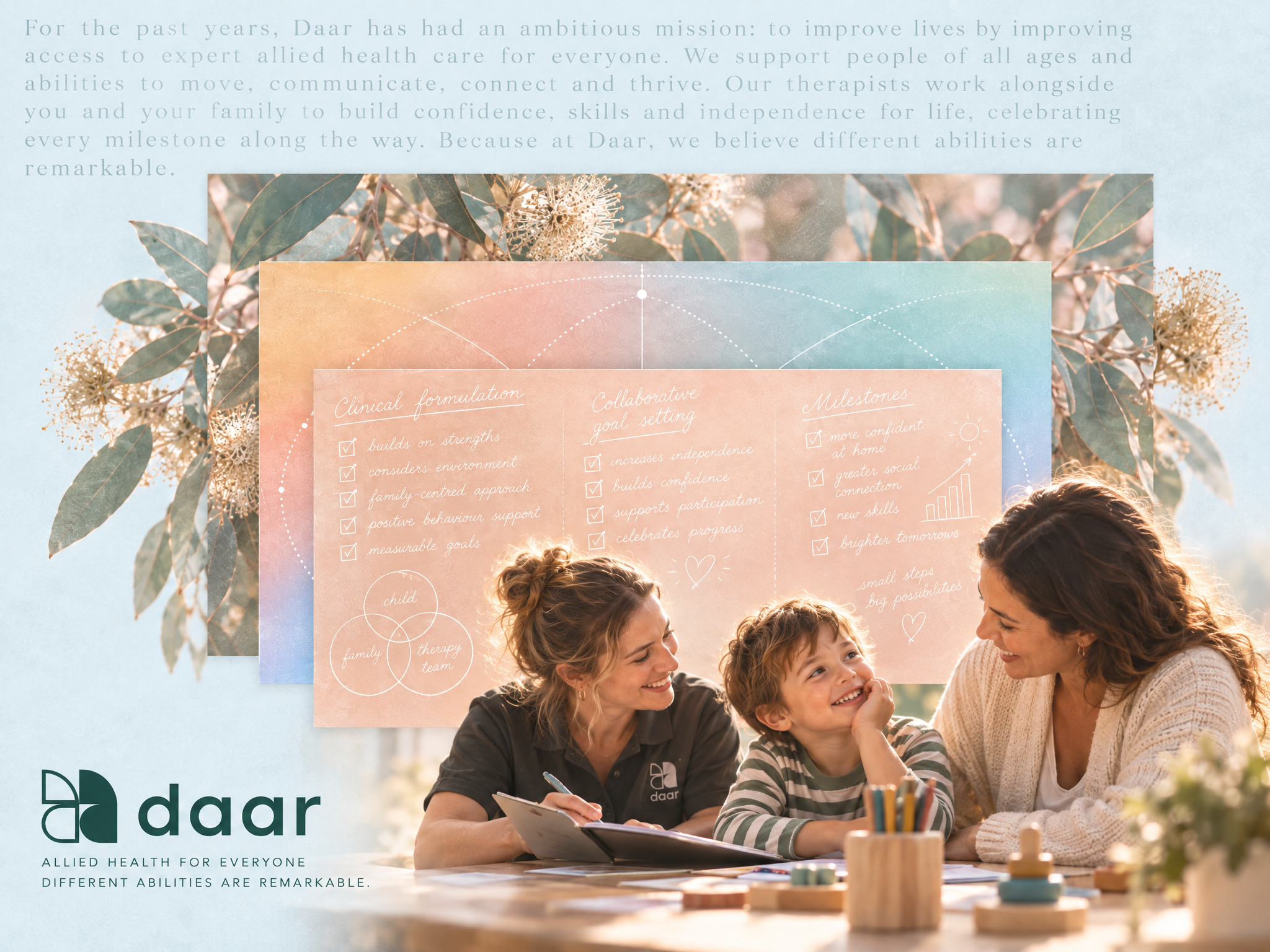
A behaviour specialist brings structure to the student support team by helping teachers, families, and support workers understand what a student’s behaviour communicates and how best to respond. This shared understanding reduces confusion and encourages consistent care.
The specialist also supports skill-building—guiding adults on responding to distress, creating safer routines, and integrating communication or coping skills into the school day. Flexibility is key, as every student has unique needs.
If you need an NDIS-registered provider, check if restrictive practices are involved. Registered providers must meet extra safeguards and reporting requirements, ensuring consistent support across school, home, and other environments.
Conclusion
In conclusion, finding the right behaviour therapy provider is crucial for fostering positive outcomes in both individual and educational settings. By recognising the signs that indicate a need for specialised support, understanding the qualifications required, and being aware of the essential skills of behaviour specialists, you can make an informed decision that best meets your needs or those of your child. Remember, effective behaviour support can significantly enhance the quality of life and learning experiences.
If you’re ready to take the next step, reach out today for a consultation or call daar at 02 9133 2500 to explore how we can assist you in finding the perfect fit for your behaviour therapy needs.
Frequently Asked Questions
How do I find a behaviour therapy provider who is registered with the NDIS?
Start by checking whether restrictive practices are involved, because registered providers are required in those cases. You can also ask your support networks, current support services, or an NDIS matching service for options. Registered providers must meet NDIS Commission safeguards and can develop a compliant behaviour support plan for NDIS participants.
What support do behaviour specialists offer beyond in-person services?
Support often extends beyond face-to-face therapy sessions. Mobile behaviour therapy can happen where daily life takes place, such as home, school, work, or the community. Specialists also use extra time between visits to review strategies, guide support workers, and strengthen family support in real-life situations.
Are there career opportunities for behaviour specialists in Brisbane and other regions?
Yes. The compiled information shows active recruitment for PBS practitioners across Australia, including professionals from social work, occupational therapy, nursing, psychology, and related fields. These roles focus on skill building, strengthening support networks, and helping people develop new skills that improve participation and wellbeing.
.svg)




.svg)