
.png?width=48&height=48&name=Group%201%20(3).png)























21 August, 2026

Exercise Physiologists: Supporting Emotional Health in Kids

Key Highlights
- An exercise physiologist uses safe physical activity to support kids’ mental health and daily wellbeing.
- These health professionals create exercise programs based on a child’s needs, abilities, and health goals.
- They can help children living with injuries, disability, chronic conditions, and some mental health concerns.
- Support may happen in hospitals, sports centers, or health clinics, depending on the family’s needs.
- In Australia, an accredited exercise physiologist has university training and professional recognition.
- The right plan can improve confidence, routine, and emotional health over time.
Introduction
When your child is struggling with mood, confidence, or stress, movement can play a real part in support. An exercise physiologist helps children use physical activity in a safe, structured way that fits their needs. This is not just about sports or fitness. It can also support emotional health, daily function, and motivation. For many families, this kind of care offers a practical step toward better routines, stronger coping skills, and a healthier path forward.
Understanding Exercise Physiology for Kids
Exercise physiology for kids focuses on using movement to support health in a planned, informed way. An exercise physiologist draws on exercise science to build activities that match a child’s age, ability, and health condition.
You may find these professionals in health clinics, hospitals, and sports settings. Their work can include health education, guided exercise, and support for children with injuries, disability, chronic concerns, or mental health conditions. The next sections explain what they do and how they help children.
What Is Exercise Physiology?
Exercise physiology is the use of movement and exercise science to improve health. An exercise physiologist is a university-trained allied health professional who plans safe activity for people with different needs. That may include physical issues, injuries, disability, or mental health conditions.
In clinical exercise physiology, the focus is on health support rather than general fitness alone. So, what does an exercise physiologist do? They assess how a person moves, talk through symptoms and history, and build exercise programs that match ability and goals.
For children, that often means a plan that feels manageable and encouraging. Sessions may be one-to-one, home-based, virtual, or group-based. The aim is to make exercise useful, safe, and easier to stick with over the long term.
Key Roles of Exercise Physiologists with Children
Children need support that fits real life, not a one-size-fits-all routine. An exercise physiologist works with families to shape physical activity around the child’s abilities, interests, and health needs. They are health professionals who look at function, confidence, and safety together.
This can be especially helpful for children with disability, injuries, or chronic conditions. How can exercise physiologists help children with special needs? They adjust exercise programs so participation feels possible and progress feels clear.
- They assess movement, symptoms, and daily ability.
- They design physical activity that matches specific needs.
- They support children with disability or long-term health concerns.
- They provide education and motivation for families.
- They offer exercise programs in person, at home, virtually, or in groups.
Accredited Exercise Physiologists in Australia
In Australia, an accredited exercise physiologist is a university-qualified allied health professional with recognised training in exercise-based care. These practitioners use structured movement to support people with injuries, disability, chronic illness, and mental health needs.
Families often look for this credential because it signals professional standards. Exercise and Sports Science Australia, sometimes searched as Sports Science Australia, is the professional body linked with this field. Understanding qualifications can help you choose between different health professionals and know what kind of support your child may receive.
Qualifications and Certification Process
If you are wondering what qualifications an accredited exercise physiologist needs in Australia, the key point is university training. These professionals are described as university-qualified allied health practitioners. That means families are not choosing someone with only general gym experience.
In practice, people often look for an accredited exercise physiologist connected with the professional body, Exercise and Sports Science Australia. The compiled information confirms this professional recognition and points families to that pathway when searching for care.
|
Area What |
What to Know |
|---|---|
|
University study |
An accredited exercise physiologist is university-qualified. |
|
Common degree terms families may see |
bachelor’s degree or master’s degree in a related field may appear in course pathways. |
|
Professional recognition |
Exercise and Sports Science Australia is the professional body. |
|
Public search option |
Families can use Exercise Right to find an accredited exercise physiologist. |
Difference Between Exercise Physiologists and Personal Trainers
This question matters because the roles are not the same. An exercise physiologist works with people who may have injuries, disability, or medical conditions. A clinical exercise physiologist focuses on improving health through planned exercise that fits symptoms, function, and long-term needs.
A personal trainer usually supports general fitness. By contrast, an exercise physiologist manages exercise for people with health concerns and helps guide lifestyle change. The compiled information also compares them with physiotherapists, showing that exercise physiologists focus more on long-term health management.
- An exercise physiologist is a university-trained allied health professional.
- A personal trainer is usually centered on general fitness support.
- Exercise physiologists work with medical conditions and chronic concerns.
- They assess health history and create individualised exercise plans.
- Their role includes education, motivation, and safe clinical exercise support.
Emotional Health Benefits Through Exercise Physiology
Emotional wellbeing can improve when children have a steady, supportive way to move their bodies. A structured exercise physiology program can give them routine, encouragement, and a sense of progress. That matters when a child is dealing with stress, low mood, or frustration linked to a health condition.
Physical activity is also used with people who live with mental health conditions. For kids, this support works best when it is tailored, safe, and realistic. The next two sections look at emotional regulation first, then confidence and social growth.
How Exercise Supports Emotional Regulation in Kids
Children often manage feelings better when their days include structure and movement. Physical activity can give them a healthy outlet, especially when emotions feel big or hard to explain. That is one reason families explore support through clinical exercise physiology.
How does exercise physiology support emotional regulation in kids? It starts with a plan that fits the child. An exercise physiologist checks ability, symptoms, and goals, then builds activity that feels safe and achievable. That kind of structure can reduce overwhelm and improve follow-through.
For children with chronic conditions, disability, or other health challenges, a tailored routine can make emotional health support more practical. Instead of pushing too hard, the focus stays on consistency, clear steps, and positive guidance. Over time, that can help a child feel calmer, more capable, and more in control.
Building Confidence and Social Skills through Physical Activity
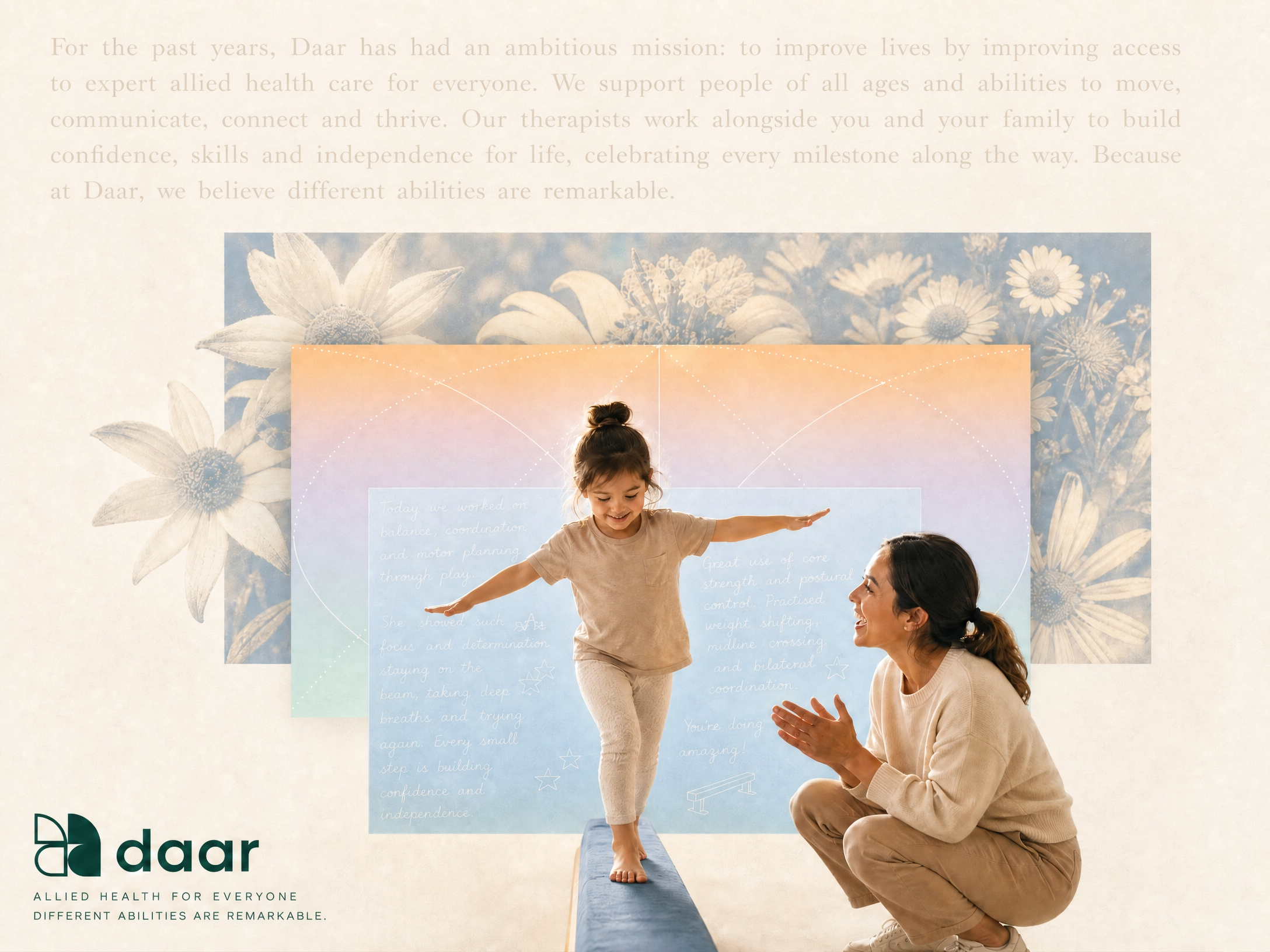
Confidence often grows when kids can do something that once felt hard. Well-planned physical activity gives children chances to notice progress, follow a routine, and experience success. That matters for self-esteem, especially when a child has felt left behind in regular sports or fitness spaces.
Exercise programs can also create social opportunities. Group sessions, virtual group programs, and goal-oriented activities may help children practice participation in a supported way. Exercise science guides these choices so the plan matches the child rather than forcing the child to match the plan.
- Children work toward realistic health goals.
- Success in movement can improve self-belief.
- Group formats can support interaction and shared participation.
- Adapted activities help children with special needs join in.
- Regular practice can strengthen routine, motivation, and communication.
Conclusion
In conclusion, exercise physiologists play a vital role in supporting children's emotional health through targeted physical activity. By fostering an environment where kids can build confidence, develop social skills, and learn to regulate their emotions, these professionals contribute significantly to their overall well-being. Engaging in structured exercises not only strengthens the body but also nurtures the mind, providing children with essential tools to navigate their emotional landscape. Recognising the importance of emotional health is crucial for parents and caregivers alike, as it sets the foundation for a happier and healthier future.
If you're looking to support your child's emotional development, reach out for a consultation or call daar at 02 9133 2500. Consider exploring programs with accredited exercise physiologists.
Frequently Asked Questions
What Types of Programs Do Pediatric Exercise Physiologists Offer?
Pediatric providers may offer exercise programs that are home-based, virtual, one-to-one, or group based. These exercise physiology services can include physical activity programs, health education, and goal-oriented sessions. They may support children with disability, injury, or developmental delay through plans matched to individual needs.
When Should a Child See an Exercise Physiologist?
A child may benefit when a health condition affects movement, strength, confidence, or daily function. Pediatric exercise physiologists can help with chronic medical conditions, recovery needs, or reduced activity levels. Their clinical exercise interventions are built into treatment plans that match symptoms, ability, and long-term goals.
How Does Exercise Physiology Help with Emotional Challenges in Kids?
An exercise physiologist supports emotional health by creating safe routines that build progress and participation. For children with mental health conditions or other health complications, tailored movement can improve coping, motivation, and confidence. Over time, that can support better daily function and a stronger quality of life.
.svg)




.svg)