Exploring Exercise Physiology for Developmental Disabilities
Key Highlights
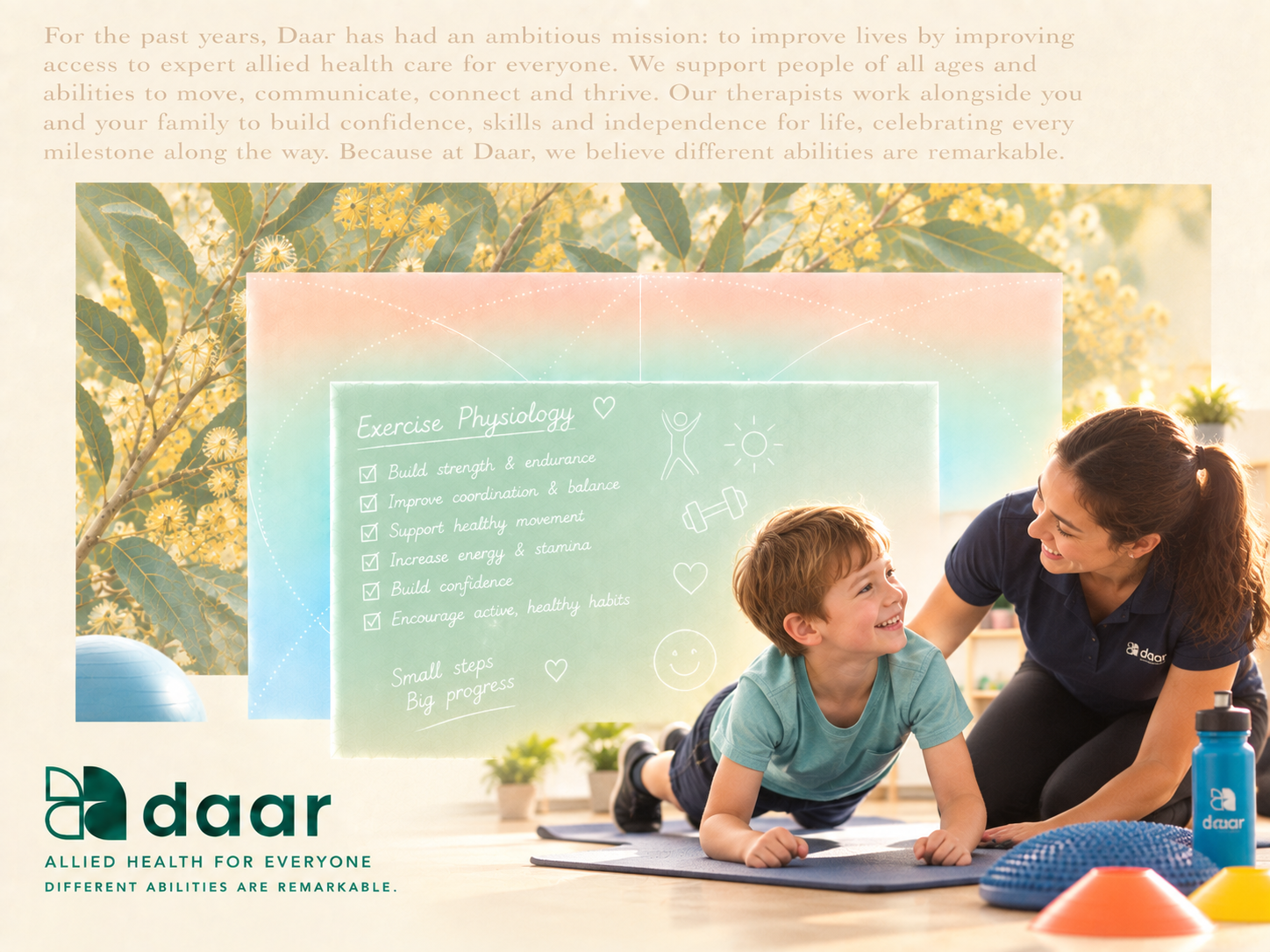
- An exercise physiologist for children does much more than teach fitness; they use clinical movement to improve a child's gross motor skills, postural control, and promote physical health and metabolic health. When applying exercise physiology for developmental disabilities, movement becomes a powerful tool for emotional regulation, providing essential proprioceptive feedback that calms the nervous system. Early intervention with exercise physiology for babies or toddlers with developmental delays is crucial, as it can help build foundational motor skills and promote overall development during periods of rapid growth. Addressing challenges early may also support better long-term outcomes by fostering independence and enhancing quality of life.
- When applying exercise physiology for developmental disabilities, movement becomes a powerful tool for emotional regulation, providing essential proprioceptive feedback that calms the nervous system.
- Forget intimidating gym equipment: custom exercise programs for children with disability rely on play-based, natural movements like obstacle courses and heavy work that can be done in the living room or backyard.
- Navigating clinical exercise via telehealth eliminates the sensory overload of a busy clinic, allowing the child to build physical capacity in their safest environment.
- Through the "mediator model," daar’s practitioners empower Australian parents to safely guide their children through therapeutic movement during everyday routines, funded by the NDIS.
Introduction
When we hear the term "exercise physiology," we often picture elite athletes recovering from injuries or adults managing chronic health conditions or medical conditions in a sterile gym. However, clinical movement is one of the most transformative—and under-utilised—therapies in paediatric allied health.
For a child with a disability, physical movement is intimately connected to cognitive function, emotional regulation, and independence. If your child struggles with low muscle tone (hypotonia), clumsiness, fatigue, or sensory dysregulation, standard physical education classes are rarely enough to support their unique needs. At daar, we believe that every child deserves the physical confidence to navigate their world. Let’s explore the profound impact of an exercise physiologist and occupational therapists for children, how we tailor programs for developmental disabilities, and how our virtual clinic brings the therapy safely into your home.
Redefining Fitness: What is an Exercise Physiologist for Children?
A clinical exercise physiologist for children (AEP) is a university-qualified allied health professional with a background in exercise science. Unlike a personal trainer, an AEP possesses deep clinical knowledge of how the body's cardiovascular, musculoskeletal, and neurological systems interact with specific disabilities and neurodevelopmental conditions.
We do not focus on making a child 'sporty.' Our primary goal is functional capacity and community participation. If a child has low core strength, they will physically struggle to sit upright at a classroom desk, which quickly leads to exhaustion and behavioural distress. An AEP expertly assesses these underlying physical barriers. We design interventions that build the necessary postural control, motor planning, and endurance a child needs to participate comfortably in their daily life—from safely climbing Playground equipment to holding a pencil.
The Biological Bridge: Exercise Physiology for Developmental Disabilities
The benefits of exercise physiology for developmental disabilities extend far beyond muscle strength. For neurodivergent children (such as those with Autism, ADHD, or Dyspraxia), targeted movement is a critical regulatory tool that can enhance communication and social skills.
Many children with developmental disabilities have unique sensory processing profiles that cater to their child’s needs. They may frequently seek out "heavy work" (proprioception)—crashing into couches, jumping constantly, or pushing heavily against objects. A clinical EP understands precisely why the brain is seeking this input. Instead of trying to stop the child from moving, we channel that need into an active intervention. We use structured physical exertion to help the child's nervous system flush out stress hormones (like cortisol) and naturally stimulate the production of dopamine and endorphins, resulting in a calmer, more focused child post-activity.
Play-Based Care: Exercise Programs for Children with Disability
A common worry for parents is how they will convince a reluctant or easily fatigued child to "work out." The secret is that clinical exercise programs for children with chronic conditions and disability should never look like a workout.
If the therapy is boring or highly demanding, the child will simply opt out. Instead, therapists disguise the clinical work as play. Doing bicep curls with dumbbells is replaced by "bear crawls" across the lounge room to collect puzzle pieces. Traditional squats are replaced by a game of "Simon Says" that involves safely lifting and sorting heavy beanbags. By embedding the physical exercise therapy into intrinsically motivating, play-based activities, we ensure the child remains an enthusiastic participant.
Delivering Physical Therapy via Telehealth
It may seem counterintuitive to deliver physical therapy through a screen, but for young children with disabilities, it is often the most effective method. Taking a child into a loud, echoey, equipment-filled clinic can cause an immediate sensory meltdown, resulting in a session where zero physical therapy is achieved.
daar’s telehealth delivery safely bypasses this stress. Utilising the highly evidence-based "mediator model," our AEPs log into your home via secure video. We observe your child moving naturally in the space they know best. We then coach you—the parent—on how to safely set up a living room obstacle course, correct their posture gently, and guide them through their exercises to boost energy levels. By upskilling you, the therapy isn't confined to a one-hour appointment; it becomes an active, joyful part of your daily family routine.
Conclusion
Building physical strength and coordination through regular physical activity lays the foundation for a child's social confidence, emotional regulation, and daily independence. By embracing clinical, neuro-affirming movement strategies, you can help your child feel safe and capable within their own body.
You do not need an expensive gym membership or complex equipment to start building capacity. Connect with a nationwide network of experts perfectly suited to support your family’s unique needs, including exercise physiology services.
Reach out to explore a consultation or call daar directly at 02 9133 2500 to find your perfect match today.
Frequently Asked Questions
Can I use my NDIS funding to access an exercise physiologist for children?
Yes. Exercise Physiology examines how physical activity influences blood flow and oxygen consumption, making it a recognized allied health support under the NDIS. Families typically utilise funding from the "Capacity Building" budget, specifically under Improved Health and Wellbeing or Improved Daily Living, to access these specialised services to improve a child's functional capacity and independence.
Do we need to buy special therapy equipment to do telehealth exercise programs?
Not at all. Our telehealth practitioners are experts at utilising what you already have in your home. We build highly effective exercise interventions and programs for children with disability using household items like couch cushions for balance work, rolled-up towels for stepping stones, or heavy laundry baskets for pushing and pulling exercises.
Is exercise physiology appropriate for children with very severe physical disabilities?
Absolutely. An Exercise Physiologist is clinically trained to work with complex presentations, including cerebral palsy, muscular dystrophy, or significant global developmental delay, to enhance motor control. Through telehealth, we can guide parents on safe, gentle, and highly modified movements that promote joint mobility, prevent muscle contractures, and improve cardiovascular health entirely within the child's physical limits.

.png?width=48&height=48&name=Group%201%20(3).png)
























.svg)




.svg)