
.png?width=48&height=48&name=Group%201%20(3).png)























6 April, 2026

How Sugar Consumption in Children Affects their Health
Key Highlights
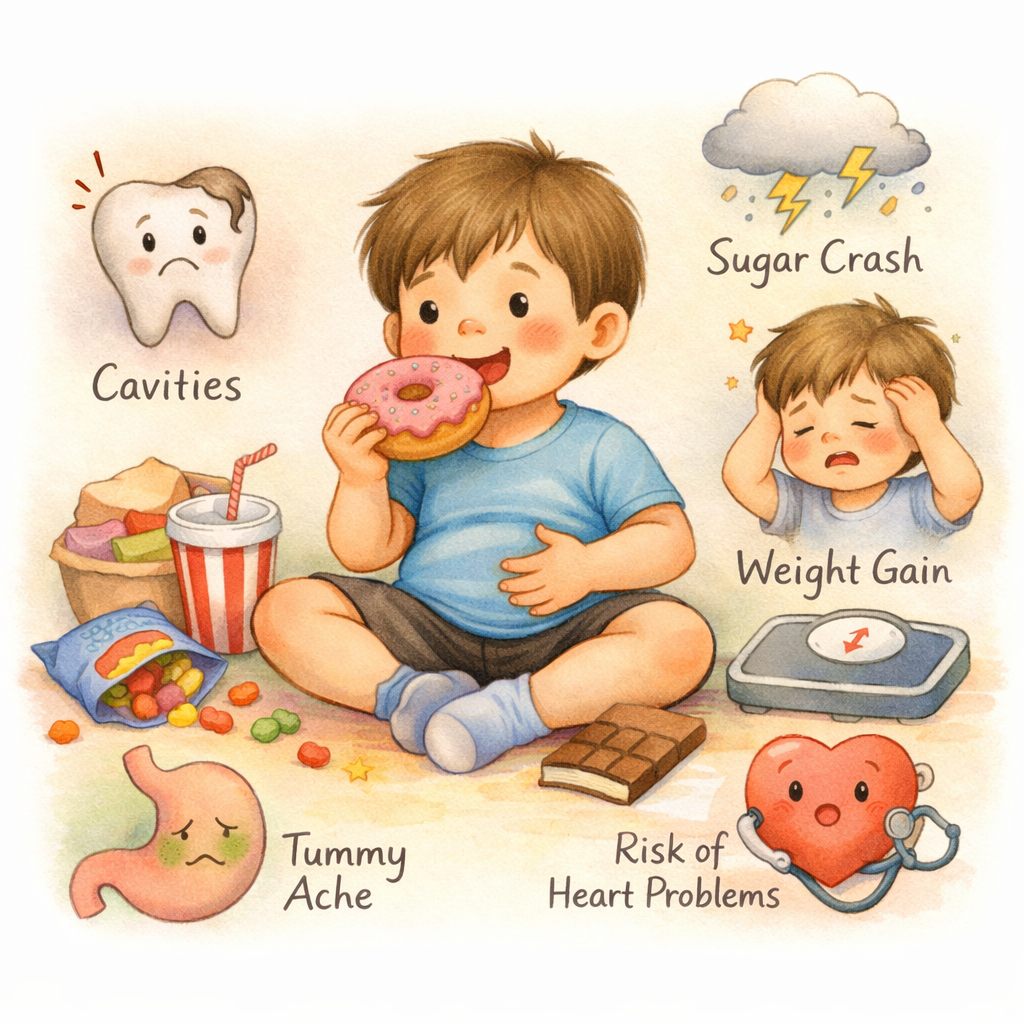
Here are the key takeaways about sugar consumption in a child's diet: Excessive sugar intake can lead to various health problems, including weight gain and a higher risk of Type 2 diabetes. While many people believe that sugar consumption causes hyperactivity in kids, scientific studies have not found strong evidence to support this claim. However, it is still important to monitor sugar intake to avoid other health issues.
- Excessive sugar intake can lead to various health problems, including weight gain and a higher risk of Type 2 diabetes.
- The American Heart Association advises against any added sugar for children under two years old.
- For children aged 2 to 18, the recommended daily sugar limit is less than 25 grams (6 teaspoons).
- Added sugar is commonly found in processed foods, sugary drinks, and even some "healthy" snacks.
- While research is ongoing, high sugar consumption can affect a child's mood and energy levels.
- Reading food labels is a crucial first step to managing your child's sugar intake effectively.
Introduction
It’s a joy to see a child's face light up at the taste of a sweet treat. But have you ever wondered if that sugar is really okay for them? Balancing treats in your child’s diet is a common concern for many parents. As a matter of public health, understanding the impact of sugar intake is vital for raising healthy kids. This guide will explore how much sugar is too much, its effects on your child's health, healthier alternatives to sugary snacks for kids, such as fresh fruit, yogurt, nuts, and whole-grain snacks, and how you can make informed choices for their well-being.
Understanding Sugar and Its Types
Sugars are a type of carbohydrate that gives your body energy. They come in different forms, some of which are better for you than others. You'll find naturally occurring sugars in foods like fruit and milk. To reduce your child's sugar intake without making meals boring, try offering naturally sweet foods such as fresh fruits, flavored with spices like cinnamon or nutmeg, and use creative recipes that highlight the natural sweetness of ingredients like sweet potatoes or yogurt. This approach keeps meals flavorful and interesting while cutting out added sugars.
On the other hand, added sugar, like table sugar, is refined from plants and put into foods and drinks to make them sweeter or last longer. These are also known as free sugars. Understanding the distinction between these types can help you make healthier choices for your family. When considering sugar replacements for children, it's important to know that the safety of artificial sweeteners has been reviewed by health authorities, and most are considered safe within acceptable daily intake levels. However, long-term effects for children are still being studied, so it's best to use both added sugar and artificial sweeteners in moderation. Let's look closer at these sugar types and where they hide.
Naturally Occurring Sugars vs. Added Sugars
When considering your child's diet, it's important to distinguish between natural and added sugars. Natural sugars are found in whole foods like fruits, vegetables, and milk, which also provide essential nutrients for growth.
Added sugars are those put into foods during processing—like the sugar in cookies, sodas, and many cereals. These often add empty calories without nutritional value. Even fruit juice can be high in free sugars without the fiber of whole fruit.
While both types provide energy, foods with natural sugars usually offer more nutrition. In contrast, too much added sugar can lead to health problems. Limiting added sugars is key to a balanced diet.
Common Sources of Sugar in Children’s Diets
You may be surprised by how much added sugar is hidden in your child’s diet. Beyond obvious treats like candy and cookies, many everyday foods contain significant amounts of added sugar. On average, added sugars make up to 17% of American kids’ daily intake.
Processed foods and beverages are the biggest sources, with sugary drinks as a major culprit—a 20-ounce sports drink can have more than a day’s worth of sugar for a child. These hidden sugars are often found in foods marketed as healthy.
Common sources of added sugar include:
- Sugary drinks (soft drinks, sports drinks, fruit juices)
- Desserts (ice cream, cakes, cookies)
- Many breakfast cereals and snack bars
- Sweetened yogurts
Recommended Daily Sugar Limits for Kids in Australia
Public health officials set daily sugar limits to protect children's health. Guidelines from the WHO and AHA help parents manage intake and reduce future health risks. The AHA recommends children ages 2–18 consume less than 25 grams (6 teaspoons) of added sugar daily, and children under 2 avoid added sugar entirely. Following these limits is challenging but important for long-term health. We'll review these recommendations and offer tips for tracking sugar.
Guidelines by Age Group
The recommended daily sugar limits for children vary based on their age group. Health organizations like the World Health Organization (WHO) and the American Heart Association (AHA) offer specific advice to help you keep your child's sugar consumption in a healthy range.
For the youngest children, the guidelines are very clear. The AHA states that children younger than 2 years should have no added sugar in their diet. Their nutritional needs should be met with whole foods like fruits, vegetables, and grains. After age 2, the recommendations shift slightly, but the focus remains on limiting added sugars.
The general guideline for children and adolescents is to keep free sugars to less than 10% of their total daily energy intake. A further reduction to below 5% can provide additional health benefits.
|
Age Group |
Recommended Daily Sugar Limits |
|---|---|
|
Younger than 2 years |
0 grams of added sugar |
|
2 to 18 years |
Less than 25 grams (6 teaspoons) of added sugar |
How to Interpret Food Labels for Sugar Content
Reading food labels is one of the most powerful tools you have for managing your child's sugar intake. The nutrition information panel provides key details, but you need to know what to look for. One helpful tip is to remember that every 4 grams of sugar equals one teaspoon.
First, check the ingredients list. Ingredients are listed by weight, so if sugar or one of its many aliases (like high-fructose corn syrup, dextrose, or maltose) is near the top, the product is likely high in added sugar. The updated Nutrition Facts label now requires manufacturers to list "Added Sugars" separately, making it easier to see how much has been put in during processing.
Here’s what to look for on the nutrition information panel:
- Total Sugars: This includes both naturally occurring and added sugars.
- Added Sugars: This line item tells you how much sugar was added to the product. This is the number to focus on.
- Grams per 100g: Use this value to compare the sugar content between different products easily.
Effects of Sugar on Kids' Health
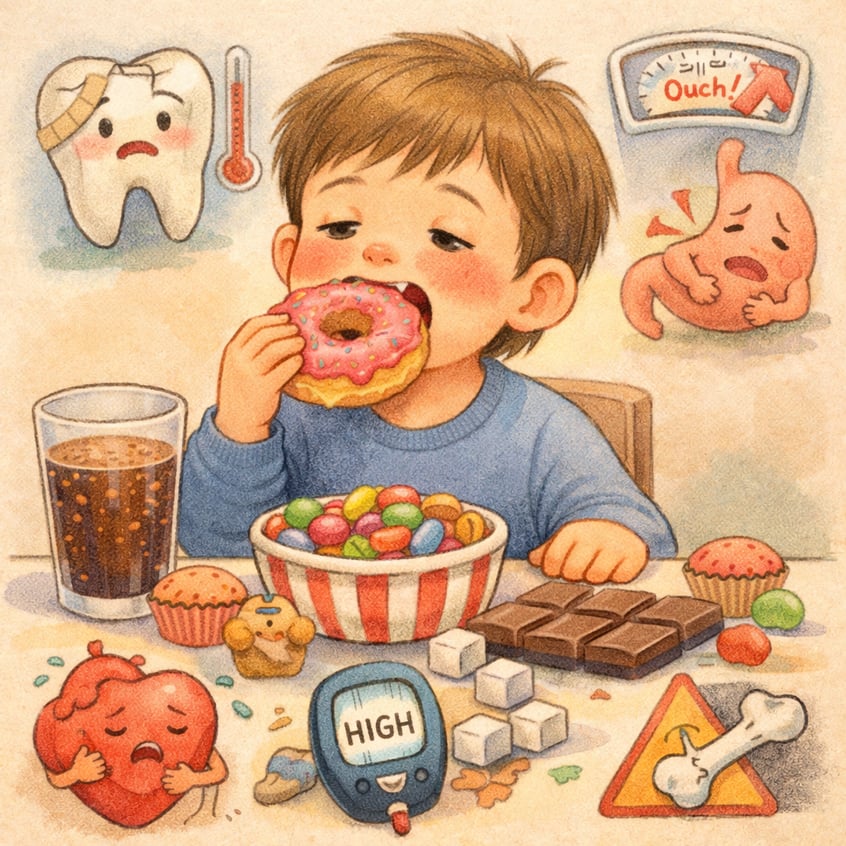
High sugar consumption can lead to a variety of health problems in children, both immediately and down the road. Consuming too many sugary foods and drinks contributes to unhealthy weight gain, which increases the risk of obesity and related noncommunicable diseases like type 2 diabetes and high blood pressure.
Filling up on sweet treats also leaves less room for nutritious foods that are essential for healthy growth and development. The effects aren't just physical; sugar can also impact a child's mood and behavior. Let's examine the specific short-term and long-term risks associated with a high-sugar diet.
Short-Term and Long-Term Health Risks
A high-sugar diet poses serious health risks for children. In the short term, it commonly causes tooth decay, as mouth bacteria produce acid from sugar that erodes enamel and leads to cavities.
Long-term effects are more severe. Excess sugar promotes weight gain and raises the risk of obesity, which can lead to high blood pressure, type 2 diabetes, liver disease, and heart disease later in life. High blood pressure in teens is a known risk factor for adult heart problems.
Establishing healthy eating habits early helps protect your child from these issues and supports lifelong well-being.
Impact on Brain Function, Mood, and Behavior

Many parents notice a connection between their child's sugar intake and mood or behavior. While the link between sugar and hyperactivity is mostly speculation, research shows high-sugar diets can affect brain function. Fluctuating blood sugar can cause energy crashes, irritability, and brain fog.
Some studies suggest refined sugars may impact mood in the short term, but no clinical link has been found between excess sugar and ADHD. Research continues.
What is clear: rapid spikes and drops in blood sugar can impact a child's disposition, leading to:
- Mood swings or irritability
- Energy crashes
- Trouble concentrating
Limiting added sugars helps keep energy and moods more stable throughout the day.
Conclusion
In summary, understanding how sugar affects children’s health is key to supporting their well-being. High sugar intake poses both short- and long-term risks, so parents should monitor their children’s diets carefully. Reading food labels and knowing daily limits can help you encourage healthier habits. Making informed choices today sets your kids up for a healthier future.
If you need more guidance, reach out for a consultation or call daar at 02 9133 2500!
Frequently Asked Questions
What are the recommended daily limits for sugar intake in children?
The recommended daily sugar limits suggest that children under two should have no added sugar. For children aged 2-18, the American Heart Association advises limiting added sugar intake to less than 25 grams (6 teaspoons) per day, which should be less than 10% of their total daily calories.
How does excessive sugar consumption impact a child's behavior and mood?
Excessive sugar consumption can affect a child's behavior and mood by causing rapid spikes and crashes in blood sugar levels. This can lead to irritability, energy slumps, and difficulty concentrating. While not scientifically proven to cause hyperactivity, it can certainly influence a child's disposition and energy.
What health issues can arise from high sugar intake in children?
High sugar intake in children can lead to numerous health problems. These include tooth decay, unhealthy weight gain, and an increased risk of obesity. In the long term, it elevates the risk for serious noncommunicable diseases like type 2 diabetes, high blood pressure, and heart disease.
.svg)




.svg)