
.png?width=48&height=48&name=Group%201%20(3).png)
























22 June, 2026

Screen Time Addiction in Children: Its Impact on Development
Key Highlights
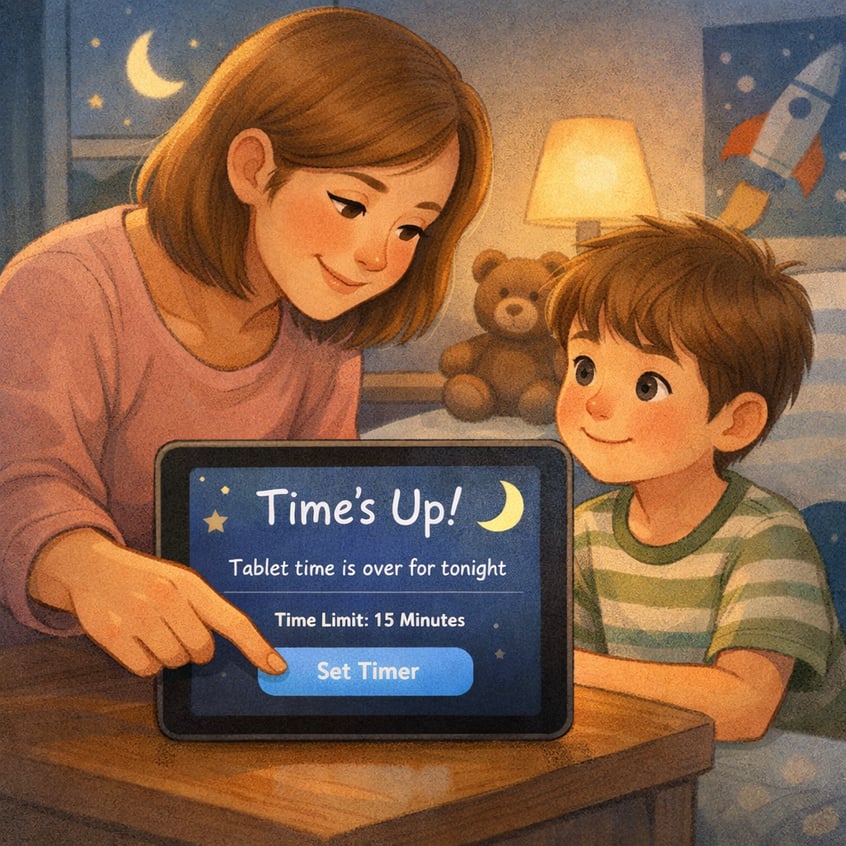
- Screen dependency disorder can show up through mood swings, secrecy, and strong resistance when screen use stops. To help prevent meltdowns related to screen time in toddlers, try setting consistent screen use limits, creating a routine that includes device-free activities, giving warnings before turning off screens, and offering plenty of opportunities for play and social interaction away from devices. Excessive screen time may affect child development, academic performance, sleep patterns, and social interaction.
- Excessive screen time may affect child development, academic performance, sleep patterns, and social interaction.
- Blue light can reduce the production of melatonin, making it harder for children to fall asleep.
- Too much media use can replace outdoor play, creative play, and family time.
- Time limits, device-free routines, and parental controls can support healthier habits.
- The best way to guide children is through clear rules, supervision, and shared screen use.
Introduction
Screens are part of everyday life, so it can be hard to tell when normal screen use becomes a problem. For some children, frequent device use starts to look more like screen dependency disorder or screen addiction. You may notice arguments overturning devices off, less interest in offline play, or changes in mood and sleep. The goal is not fear. It is balance. When you understand the warning signs, you can help your child build healthier habits before screen use starts affecting daily life. For children aged 3 to 11 years, you can manage screen time by setting clear limits, establishing device-free zones and times (such as meals and bedtime), encouraging regular breaks, and prioritizing offline play and family activities. Consistent routines and discussing the reasons behind screen rules can also improve cooperation and build lifelong digital habits.
Signs and Symptoms of Screen Addiction
Screen addiction often means a child becomes emotionally dependent on digital devices. In simple terms, screen dependency disorder in children is a pattern where screen time addiction starts to disrupt sleep, schoolwork, routines, or relationships.
Common signs of addiction include irritability when devices are removed, constant requests for more screen use, and trouble enjoying non-digital activities. Some children also show withdrawal symptoms, hide their screen usage, or organize their day around a device. Looking closely at behaviour can help you spot the earliest changes.
Behavioural and Emotional Warning Signs
One of the clearest red flags is how your child reacts when screen use ends. If a simple limit leads to crying, anger, or intense frustration, those withdrawal symptoms may point to excessive screen use rather than ordinary disappointment. These behavioural changes can also affect mental health over time.
You might also notice that your child loses interest in hobbies, avoids social interaction, or struggles with transitions away from a device. Some children seem anxious when Wi-Fi is slow or rush through meals just to get back online.
Watch for signs like these:
- Irritability or aggression when screens are taken away
- Constant bargaining for more time
- Less interest in toys, books, or outdoor activities
- Hiding or lying about screen use
Physical and Social Changes to Watch For
Physical health can shift when screen habits take over the day. Children may spend less time moving, which means less physical activity and fewer chances for outdoor play. Long hours in front of a screen can also cut into sleep, especially at night.
Another concern is the production of melatonin. Blue light from devices can delay this sleep hormone, making it harder for children to settle down. Poor sleep can then affect mood, focus, and energy the next day.
You may notice these changes:
- Irregular sleep or trouble falling asleep
- Less movement and reduced active play
- More withdrawal from family time
- Reduced social interaction with friends or siblings
Effects of Excessive Screen Time on Child Development
Excessive screen time can influence several parts of child's development. Research described in the compiled information links heavy media use with delays in language, weaker problem-solving, attention difficulties, and less time spent learning through real-world experiences. For younger children, hands-on play matters more than passive viewing.
The amount of screen time also affects children’s health beyond learning. Too much daily screen exposure can replace sleep, movement, and face-to-face connection. As your child grows, the impact may appear in thinking, school progress, and routine habits. Next, let’s look at how this shows up in learning and in the body.
Impact on Academic Growth
Children develop through conversation, play, and exploration. When screen use takes too much of the day, it can reduce those learning opportunities. The compiled information notes links between higher screen exposure and weaker language, thinking, and problem-solving skills. In some cases, children who spend more than two hours a day on screen activities score lower on language and thinking tests.
School can be affected too. Heavy recreational screen use has been associated with lower academic performance, attention problems, and less support for critical thinking. Time limits help protect learning time and make space for reading, play, and discussion.
|
Area |
Possible Effect |
|---|---|
|
Language skills |
Less back-and-forth conversation and slower growth |
|
Problem-solving |
Fewer hands-on learning experiences |
|
Attention |
More difficulty focusing on tasks |
|
Academic performance |
Lower test performance in some children |
Consequences for Physical Health and Sleep Patterns
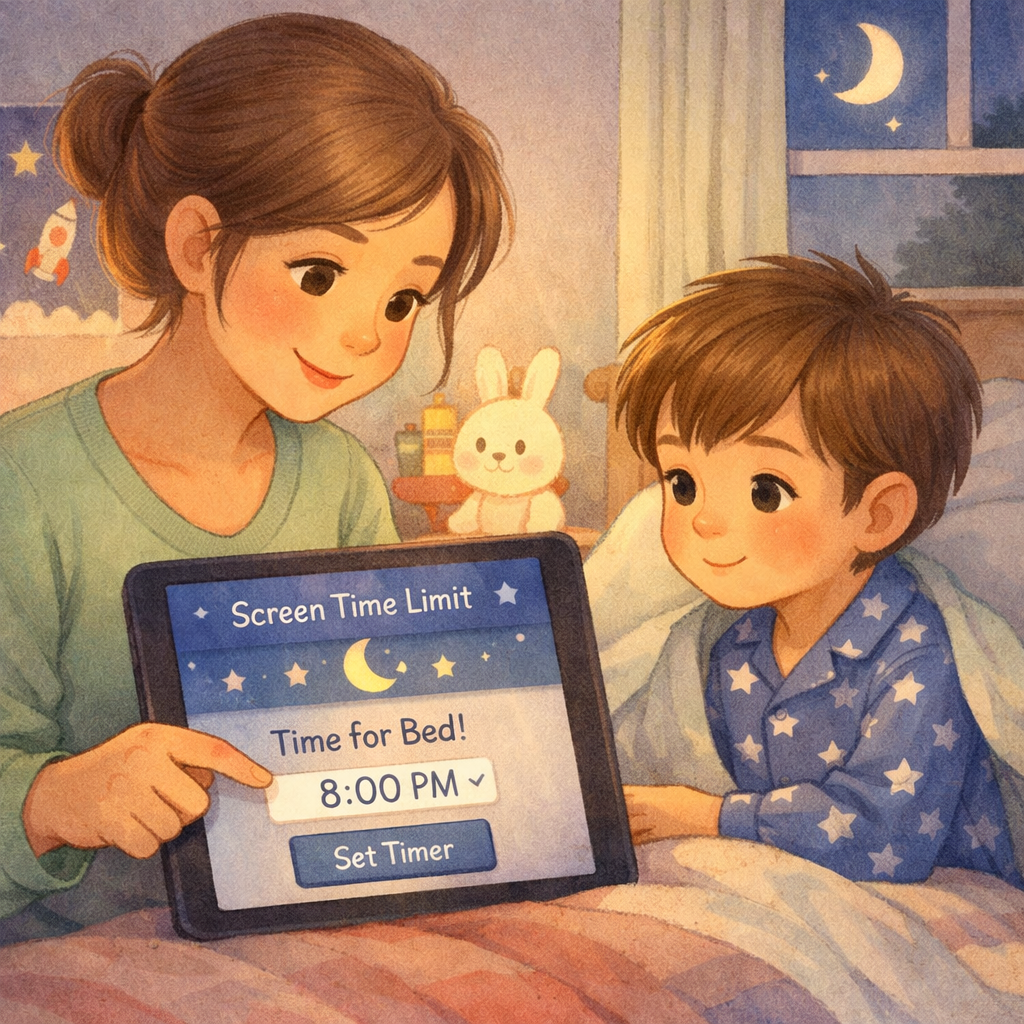
Sleep is often one of the first areas to change. Blue light from tablets, phones, and other digital devices can interfere with sleep patterns by reducing the production of melatonin. That can delay sleep and shorten rest, especially when screens are used close to bedtime.
Physical health may also suffer when children spend less time moving. If screen habits replace outdoor play, sports, or simple active fun, children can miss important daily movement. The compiled material also links too much screen exposure with obesity risk and fatigue from poor sleep.
Common effects include:
- Difficulty falling asleep at night
- Shorter or irregular sleep schedules
- Less outdoor play and exercise
- Higher risk of weight gain with excessive screen time
Conclusion
In conclusion, understanding Screen Dependency Disorder is essential for fostering healthier habits around technology usage, especially in children. As we've discussed, excessive screen time can lead to various behavioural, emotional, and physical changes that significantly impact a child's development. By recognizing the signs and symptoms of screen addiction, parents and caregivers can take proactive steps to encourage balanced screen use. Remember, it's not just about limiting time spent in front of screens; it's about promoting engaging, offline activities that can support growth and emotional well-being.
If you're looking for tailored strategies to manage screen time effectively, feel free to reach out for consultation or call daar at 02 9133 2500.
Frequently Asked Questions
How much screen time is recommended for children in Australia?
The compiled information cites the American Academy of Pediatrics rather than Australia-specific guidance. It advises no media use except video chatting for children under 18 months, and for ages 2 to 5, children’s screen time should be limited to one hour daily of high-quality content. For older children, time limits should fit age and routine.
Why are kids so easily drawn to screens?
Screens are highly entertaining, easy to access, and available almost everywhere. Video games, social media, and other digital media can quickly hold a child’s attention, which may make non-screen activities feel less exciting. Over time, that pattern can encourage screen addiction when screen use becomes the preferred way to relax or have fun.
Are there health risks associated with long-term screen addiction in children?
Yes. Excessive screen time has been linked to sleep problems, reduced physical activity, obesity risk, attention difficulties, and behaviour concerns. Mental health may also be affected when children show withdrawal symptoms, irritability, or social withdrawal. Clear screen time limits can help lower these risks and support healthier daily routines.
.svg)




.svg)