
.png?width=48&height=48&name=Group%201%20(3).png)























2 October, 2026

Child Anger Management: Activities to Teach Coping Skills

Key Highlights
- Anger management starts with seeing an angry child’s behaviour as communication, not just misbehaviour.
- Simple coping skills like deep breaths and feeling words support emotional regulation over time.
- Many anger outbursts happen when kids feel overwhelmed, stressed, tired, or unable to explain needs.
- Parents can help kids by teaching healthy ways to calm down before problems grow.
- Consistent consequences and positive reinforcement guide better choices and stronger self-control.
- Early support protects mental health and builds positive behaviour in daily life.
Introduction
Your child’s anger can feel big, sudden, and hard to handle. Still, a child’s anger is often a sign that they feel overwhelmed and do not yet have the words or social skills to explain what is wrong. That is why emotion regulation matters so much in the early years. With calm guidance, you can teach coping tools that support better behaviour and protect mental health. The first step is understanding what anger may be telling you.
Understanding Anger in Children
Children’s anger is a normal part of life, especially in the preschool years. Young kids may throw tantrums, grab toys, or shout because they lack the vocabulary to describe angry feelings. What looks like defiance may really be frustration, stress, or confusion.
At the same time, repeated anger outbursts should not be ignored. If behaviour problems continue, they can affect school success, relationships, and mental health later on. To respond well, it helps to look at why anger happens, what triggers it, and when it may point to a larger concern.
Why Children Experience Anger and Tantrums
For young children, anger often stems from unmet needs, frustration, or disappointment. Lacking strong language and social skills, they may express these feelings through crying, yelling, or tantrums—normal parts of development.
Anger also appears because emotion regulation is still developing. Kids need adults to model calm behaviour. Techniques like deep breathing together, naming emotions, and slowing things down help children learn self-control during stress.
Stressful events—like changes at home or a sick family member—can also trigger stronger reactions in children.
Common Causes of Anger Issues in Kids
Anger issues often have underlying causes. Sometimes it’s simple frustration; other times, ongoing stress affects behaviour. To identify triggers, observe what happens before, during, and after the outburst.
Common causes include:
- Stress at home (divorce, loss, illness)
- Difficulty expressing needs or emotions
- Differences between settings (home vs. school)
- Behavioural challenges or hyperactivity
Look for patterns: Is anger limited to certain places or present everywhere? Does it follow routine changes or family stress? Understanding the context makes the cause clearer and easier to address.
Recognising Warning Signs and When Anger Becomes a Concern
It’s normal for children to get upset occasionally—a single meltdown isn’t a cause for concern. However, frequent, intense, or hard-to-control anger across different settings may signal deeper issues.
Warning signs include:
- Ongoing aggression rather than brief frustration
- Outbursts lasting more than a few weeks
- Anger at both home and school
- Difficulty calming down, even with support
If the anger seems out of proportion or affects learning, relationships, or safety, consider seeking extra support. A therapist, mental health center, or parent program can help determine if mental health services are needed.
The Role of Coping Skills in Child Anger Management
Coping skills give children something to do with anger besides acting it out. That matters because anger management skills are not built through punishment alone. Kids need healthy ways to pause, calm their bodies, and put feelings into words.
As those habits grow, emotion regulation becomes stronger. Children learn that big feelings can be handled without yelling, hitting, or shutting down. In the next sections, you will see how calming tools, communication, and even parenting responses can shape more positive behaviour.
How Coping Skills Help Calm Intense Emotions
Coping skills help children manage anger by giving them clear ways to respond in tough moments. Without these tools, kids may jump from frustration to yelling or throwing things. With practice, they learn to pause before reacting—a key step in emotional regulation.
A simple method is taking deep breaths together. Hold your child’s hands and breathe slowly with them. This shared routine calms the situation and models how to stay composed. Children learn best when you show them the skill instead of just telling them.
Over time, these routines become second nature. Helpful self-talk, calming images, and visual reminders reinforce that they can keep control. Your calm response sets an example for them to follow next time.
Teaching Children Healthy Ways to Express Frustration
A strong first step is teaching children words for what they feel. When kids can say frustrated, sad, mad, or disappointed, they are less likely to act through angry behaviours. This builds emotional awareness and makes emotion regulation more possible in daily situations.
You can help kids practice healthy ways to express anger by encouraging them to:
- Name the feeling out loud
- Describe what happened in simple words
- Use a calming phrase such as “I can stay calm”
- Point to a visual aid that matches the feeling
Just as important, notice and praise calm moments too. If your child waits, asks for help, or uses words instead of yelling, say so. Positive feedback teaches that there are better ways to handle stress, and those small wins add up over time.
How Parenting Styles Influence Anger and Tantrum Responses
Parenting styles can affect how a child handles anger because children learn from what happens after the outburst. If limits change from day to day, kids may not connect their actions with the result. Clear, steady responses make lessons easier to understand.
That is why consistent consequences matter. A short time-out or loss of a specific privilege can work when you explain the reason in simple language. The goal is not harsh discipline. Severe reactions can worsen behavioural problems and hurt development rather than improve it.
The good news is that calm structure helps. Positive reinforcement for patience, effort, and self-control teaches children what to repeat. When you stay measured, explain rules, and follow through, you create a safer path for learning better responses to frustration.
Practical Activities and Techniques for Managing Anger
Children learn anger management best through repetition and simple routines. Practical strategies help kids move from overwhelm to control by giving them actions they can remember. That may include breathing, drawing, movement, or using visual supports during tough moments.
Because every child is different, it helps to offer several activities and see what fits your child’s anger best. The next sections cover creative, active, and calming options that help kids build stronger habits without making the moment feel like punishment.
Creative Outlets—Art, Music, and Writing Activities
Creative outlets can make strong feelings easier to handle. When children cannot explain what is wrong, drawing, coloring, or looking at calm pictures can give those emotions somewhere to go. These activities support emotion regulation by shifting attention from the outburst to expression.
You can use healthy ways like:
- Drawing places where your child feels calm, happy, or loved
- Using picture books to talk about emotions
- Making simple feeling charts as visual aids
- Writing or dictating a few words about what happened
Here is a simple text table you can use at home:
|
Activity |
How It Supports Coping Skills |
|---|---|
|
Drawing a calm place |
Helps children picture safety and settle their thoughts |
|
Feeling chart |
Builds awareness by matching emotions to colors or faces |
|
Picture book time |
Gives examples of emotions and calm responses |
|
Short writing prompt |
Helps children put frustration into words |
These tools are easy to repeat, which makes them useful during daily life.
Movement-Based Activities—Sports, Outdoor Play, and Mindfulness Exercises
Sometimes children need movement before they can talk. Sports, outdoor play, and mindfulness exercises can interrupt the build-up that comes with big emotions. A change of setting or a short physical break may help a child reset enough to listen and respond.
Useful options include:
- A few minutes of outdoor play after a tense moment
- Simple sports that release energy in a structured way
- Slow breathing paired with stretching
- Quiet mindfulness exercises in a safe space
These activities work best when they are introduced before the next outburst, not only during one. Practice them when your child is already calm. Then the routine feels familiar when frustration rises. For many younger children, that familiarity is what makes a practical strategy actually usable.
Calming Strategies—Breathing Exercises and Calm-Down Corners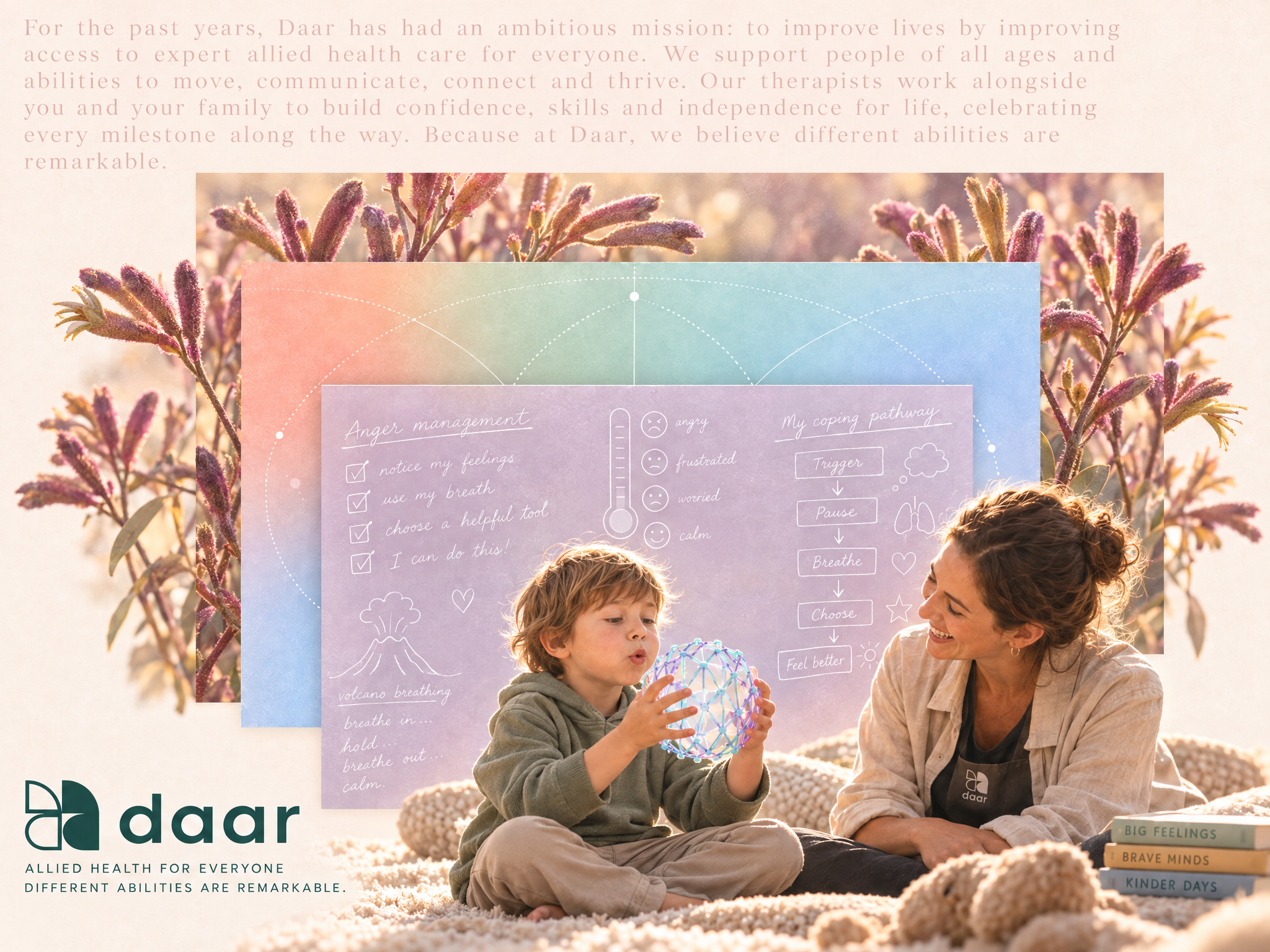
A calm-down corner gives a child a place to recover, not a place for shame. This space can help them move from upset to steady by lowering noise, pressure, and stimulation. Paired with deep breathing, it becomes one of the most practical calming tools you can teach.
A helpful calm-down corner may include:
- A stress ball for the hands
- Soft items or pillows for comfort
- Visual reminders for breathing steps
- Pictures linked to comfortable emotions
When anger starts, guide your child there with a steady voice. You might say, “Let’s take deep breathing breaths so we can calm down.” Over time, the child begins to link the space with calm behaviour and safety. That is how a simple corner turns into a lasting coping routine.
Conclusion
In summary, teaching your child effective anger management skills is crucial for their emotional development. By incorporating practical activities like creative outlets, movement-based exercises, and calming strategies, you can help them understand and express their emotions in healthy ways. Recognising the signs of anger and knowing when to seek professional help can further support your child's journey towards emotional balance. Remember, patience and consistent practice are key to fostering these vital coping skills. Your proactive approach today can make a significant difference in their emotional well-being tomorrow.
If you need further assistance or guidance, don't hesitate to reach out for consultation or call daar at 02 9133 2500 for more resources or support!
Frequently Asked Questions
When Should Parents Seek Professional Help for Their Child’s Anger?
Seek professional help if anger is frequent, intense, happens across home and school, or lasts more than a few weeks. A mental health center, clinical psychologist, or other mental health services provider can help identify underlying issues and show you what support fits best.
What Are the Early Signs of Aggressive Behaviour Related to Anger?
Early warning signs include repeated anger outbursts, trouble calming down, and aggressive behaviour that seems stronger than the situation calls for. When children’s anger turns into a pattern of problem behaviour across settings, it is worth taking a closer look and tracking what happens before each episode.
How Can I Tell If My Child’s Tantrums Indicate a Bigger Challenge?
Look at the context of the behaviour. If angry outbursts happen in more than one setting, continue for weeks, or seem linked to stress, physical illness, or other anger issues, tantrums may reflect behavioural problems that need more support than home strategies alone.
.svg)




.svg)