
.png?width=48&height=48&name=Group%201%20(3).png)























29 September, 2026

Child Anger Management: Coping Skills for Emotional Balance

Key Highlights
- Child’s anger is often a sign of stress, frustration, or other big feelings.
- Simple anger management tools can build coping skills and stronger emotional regulation.
- Early signs, such as tense posture or loud reactions, may come before aggressive behaviour.
- Parents can support emotional balance by staying calm and setting clear limits.
- Deep breathing, movement, and creative outlets give kids safe ways to reset.
- When anger is frequent or intense, added support may protect emotional balance.
Introduction
Child’s anger can feel overwhelming, especially when small moments turn into big reactions. Still, anger is a normal emotion, and many children need help learning what to do with it. That is where anger management becomes useful. With patient support, you can teach healthy ways to respond instead of reacting in the heat of the moment. The goal is not to stop anger completely. It is to help your child understand feelings, recover faster, and handle tough situations with more control.
Understanding Childhood Anger and Emotional Balance
Child’s anger is rarely just about being difficult. In many cases, it is a response to big feelings a child cannot yet explain well. When emotional regulation is still developing, stress, disappointment, or feeling misunderstood can quickly lead to angry outbursts.
At the same time, emotional balance supports better mental health and calmer reactions. Children develop anger problems for different reasons, including bullying, trauma, anxiety, ADHD, depression, and daily frustration. Understanding what may be driving those reactions helps you respond with more care and direction. The next sections break down the common causes, patterns, and effects.
Common Causes of Anger in Children
Many parents wonder why children develop anger issues. Usually, it’s not caused by a single event but by emotional pain, stress, or feeling powerless. When these feelings build up, children may shift from quiet frustration to yelling, crying, or aggression.
Some children struggle more without daily support or when they can’t express their emotions. Family members often notice patterns before the child does. Tools like stress balls can help in the moment, but understanding the underlying cause is key.
Common causes include:
- Bullying or peer conflict
- Abuse, trauma, or neglect
- Anxiety, ADHD, or depression
- Feeling misunderstood or unable to express emotions
- Stress at school, home, or with friends
The Difference Between Normal Frustration and Anger Issues
Frustration is a normal part of growing up. Children may cry or get upset when things feel unfair or difficult, but this isn’t necessarily a sign of serious anger issues. Usually, their reactions fade once the problem is resolved or they get help calming down.
Anger issues are different—they involve more intense, frequent, or uncontrollable responses. Repeated outbursts that disrupt school, friendships, or home life may signal trouble with emotional regulation. Often, the reaction seems much bigger than the event itself.
For example, a child who gets upset after losing a game shows typical frustration. But a child who regularly explodes, can’t recover, and reacts this way in multiple situations may need extra support and guidance.
How Emotional Balance Impacts Child Development
Emotional balance is key to child development. When children notice their feelings, pause, and seek support, they handle stress better, solve problems more easily, and connect well with others. These early skills shape how they respond at home, in school, and with friends.
Good emotional regulation also supports mental health. Children who learn safe ways to calm down are less likely to feel overwhelmed by anger or confusion. Over time, this strengthens emotional growth and makes big reactions easier to manage—highlighting the importance of coping skills.
The good news: these skills can be taught. Techniques like deep breathing, movement, mindfulness, and talking through feelings help children recognise what’s happening in their bodies and choose safer responses before anger takes over.
Recognising Signs and Triggers in Your Child
Recognising anger triggers early can change how you respond. Many children show signs before angry outbursts fully happen. You might see body tension, a louder voice, tears, pacing, or sudden silence. These clues can improve emotional awareness for both you and your child.
Just as important, certain situations tend to raise the risk of aggressive behaviour. Hunger, poor sleep, overstimulation, disappointment, or social stress can all play a part. When you notice patterns, it becomes easier to step in sooner. The following sections look at behaviours, triggers, and warning signs that deserve attention.
Behavioural Indicators of Anger Problems
Anger can be obvious or build quietly over time. If your child often struggles to calm down after getting upset, especially in different settings like home, school, or with friends, it may signal a need for support.
Pay attention to how your child handles stress. Aggressive behaviour, intense anger out of proportion to the situation, or persistent negative thoughts can indicate difficulty managing emotions.
Watch for signs such as:
- Hitting, breaking things, or hurting others
- Shouting, blaming, or harsh language
- Refusing to calm down over minor issues
- Ongoing irritability that disrupts daily life
Typical Situations That Trigger Anger in Kids
Children often react strongly to situations that feel unfair, confusing, or overwhelming. Everyday triggers—like changes in routine, losing a game, or feeling left out—can spark intense emotions. Some children recover quickly; others have bigger reactions.
Physical discomfort also plays a role. Lack of sleep, hunger, noise, and crowded spaces lower a child’s ability to cope. Frequent anger in similar situations may signal deeper issues needing attention.
Common triggers include:
- Feeling ignored, embarrassed, or misunderstood
- Academic stress or peer pressure
- Overstimulation from noise, lights, or crowds
- Wanting independence but struggling with limits
Warning Signs That May Need Special Attention
Some anger is expected, but certain warning signs deserve closer attention. If anger issues are frequent, intense, or affecting school, friendships, or home life, it may be time to think beyond basic coping steps. Repeated aggressive behaviour is one of the clearest signs that a child may need more than routine support.
Mental health concerns can also be part of the picture. Anxiety, depression, or hyperactivity disorder may increase emotional strain and make calm responses harder. That does not mean something is wrong with your child. It means professional help may offer useful tools and a clearer path forward.
|
Warning signs |
Why they matter |
|---|---|
|
Frequent outbursts |
Anger is disrupting daily functioning |
|
Hitting or destruction |
Aggressive behaviour raises safety concerns |
|
Trouble at school or with peers |
Anger is affecting learning and relationships |
|
Signs of anxiety, depression, or hyperactivity disorder |
Underlying needs may require integrated support |
Effective Coping Skills for Child Anger Management
Effective coping skills help children slow down before anger turns into action. The most helpful anger management skills are often simple and repeatable. Deep breaths, sensory tools, movement, and short breaks can all support emotional regulation when feelings start to rise.
What works best depends on age and situation, but consistency matters most. Relaxation techniques are stronger when practiced before a meltdown, not only during one. When children learn and repeat these tools with you, they begin to build safer habits. Next, let’s look at practical ways to teach and reinforce them.
Teaching Self-Regulation and Deep Breathing Techniques
Self-regulation starts by noticing how anger feels in the body. Children can learn to recognise early signs like tight muscles, fast breathing, or a loud voice. Once aware, they can use calming tools before anger escalates—this takes practice.
Deep breathing is a simple way to build calm behaviour. Slow breaths with long exhales help kids settle physically and mentally. Parents can also ground children by asking what they feel under their feet or what sounds they hear nearby. These small steps build emotional regulation over time.
Helpful strategies:
- Practice deep breathing when your child is calm
- Use an anger meter (1–10) to track feelings
- Pair breathing with sensory support, like a quiet break
Encouraging Healthy Expression Through Communication and Art
Children often struggle to express their feelings. When they can’t explain what’s wrong, they may yell, cry, or withdraw. Teaching healthy ways to express anger starts with making communication safe and unforced—a calm adult helps.
Creative outlets like art, music, poetry, and writing let kids release emotions safely. A dedicated space at home with simple materials can turn tense moments into opportunities for expression.
Encourage this by:
- Suggesting phrases like “I feel mad because…”
- Offering drawing, music, or writing after conflict
- Role-playing better reactions
- Listening without rushing to correct
Practical Strategies for Parents to Model and Support Emotional Control
Parents shape emotional control through daily reactions. When you stay steady during hard moments, you give a good example your child can follow. Children often mirror what they see from family members, especially when emotions are high.
Support also works best when expectations are clear. Praise positive behaviour, keep limits simple, and use consistent consequences for unsafe actions such as hitting or yelling. This balance helps children feel secure while learning responsibility. The next sections focus on routines, boundaries, and encouragement that support calmer habits over time.
Consistent Routines and Boundaries at Home
Establishing consistent routines and boundaries creates a sense of security for children, fostering emotional regulation skills essential for managing their feelings of anger. Predictable schedules help children understand expectations, reducing anxiety and preventing angry outbursts. These routines allow for the development of cognitive behavioural therapy techniques, enabling children to express strong feelings in healthy ways.
Setting clear boundaries is equally crucial, as it teaches children about social norms and acceptable ways to express their emotions. Implementing consistent consequences for aggressive behaviour equips children with the tools they need to navigate their emotional growth. Moreover, involving family members in these routines promotes open communication, enhancing emotional awareness and reinforcing positive behaviour. The combination of structure and support helps mitigate anger issues, paving the way for improved emotional balance.
The Role of Positive Reinforcement and Praise
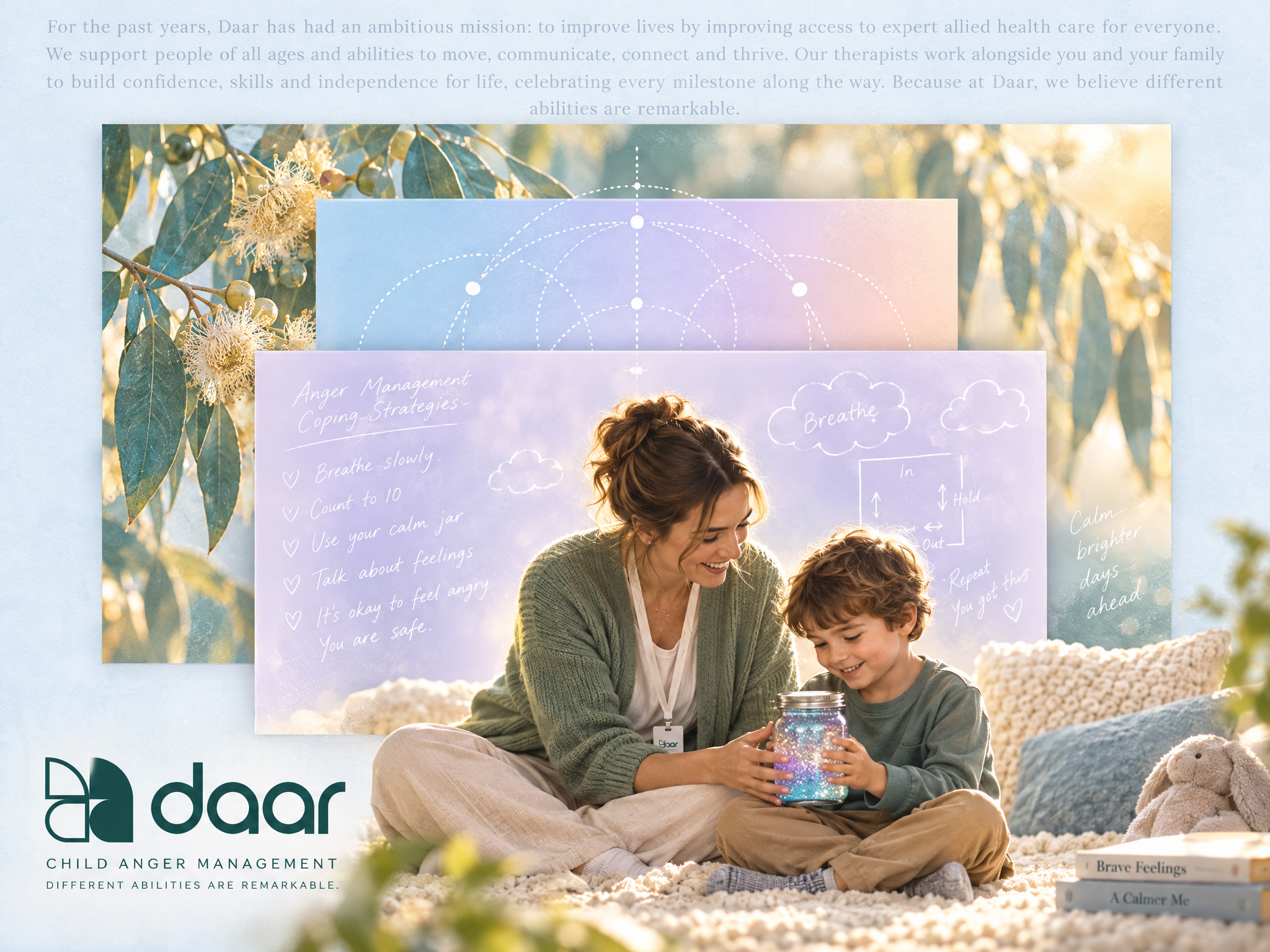
Children repeat what gets noticed. Positive reinforcement helps them connect calm choices with success, which makes those choices more likely to happen again. When you point out progress, even little progress, you show your child that effort matters. This can build confidence as much as skill.
The good news is that praise does not need to be big or dramatic. A clear comment after a hard moment can be enough. For example, noticing that your child used words, took space, or tried to breathe creates a strong link between coping tools and positive behaviour.
Try praise like this:
- “You stopped and took breaths. That helped.”
- “I saw you use your words instead of yelling.”
- “Next time may still feel hard, but you made a better choice today.”
Conclusion
In conclusion, managing children’s anger is vital for their emotional well-being and growth. By understanding triggers and causes, parents can use effective strategies to promote balance. Teaching self-regulation, encouraging healthy expression, and modeling positive behaviour create a safe environment for emotions. Consistent routines and clear boundaries also help children manage anger constructively. Fostering emotional intelligence now equips them for a calmer future.
For more guidance on supporting your child’s emotional development, consider reaching out for a consultation or call daar at 02 9133 2500.
Frequently Asked Questions
When should I seek professional help for my child's anger?
Seek professional help when anger issues are frequent, intense, or harming daily life, relationships, or school functioning. If your child shows aggression, destruction, or signs of anxiety, depression, or other underlying issues, mental health services can help assess the cause and build a treatment plan.
How do coping skills actually help children manage anger?
Coping skills help children pause, notice body signals, and choose safer responses before anger grows. Over time, this improves emotional regulation and supports better anger management. In some cases, cognitive behavioural therapy may also help children change negative thinking patterns linked to strong reactions.
Can parenting styles influence a child’s ability to control anger?
Yes, parenting styles can influence emotional regulation. An angry child often learns from what they see at home. Calm modeling, clear limits, consistent consequences, and praise for positive behaviour can support better control. Harsh or reactive responses may increase tension instead of teaching safer ways to cope.
.svg)




.svg)