
.png?width=48&height=48&name=Group%201%20(3).png)























28 September, 2026

Mastering Behaviour Management in Early Childhood Settings
Key Highlights
- Behaviour management helps young children build positive behaviour, emotional regulation, and social skills in everyday learning spaces.
- Positive reinforcement, clear routines, and practical classroom management strategies guide children toward safer and more helpful choices.
- Behaviour therapy and behavioural therapy focus on current problems and teach new skills through structured support.
- Early intervention can improve communication skills, daily living abilities, and overall quality of life.
- Positive behaviour support works best when teachers and parents share observations, goals, and practical strategies.
- Behaviour support plans can be tailored for individual behavioural issues, group needs, and special needs.
Introduction
Behaviour management in early childhood settings matters because young children are still learning how to express needs, manage feelings, and respond to others. The right support can protect mental health, reduce stress, and help children feel safe enough to learn. When educators use clear, positive approaches, children gain better habits, stronger relationships, and more confidence. Over time, that can improve development, participation, and overall quality of life at home and in the classroom.
What is Behaviour Management in Early Childhood Settings?
In early learning spaces, behaviour management means teaching children how to act, communicate, and cope in safe and helpful ways. It is not only about stopping problems. It is about building routines, social skills, and emotional regulation through guidance they can understand.
This approach often draws on positive behaviour support and ideas linked to social learning theory, where children learn by watching, practicing, and receiving feedback. In the next sections, you will see how classroom methods, family teamwork, and therapy-based support can strengthen these skills.
Defining Behaviour Management and Its Importance
Behaviour management helps adults understand why a child acts a certain way and guides them toward better choices. Instead of labeling, it focuses on current behaviours, which is important in early childhood as habits are still forming.
Drawing from behaviour analysis and social learning theory, adults observe triggers and outcomes, adjust environments, teach clearly, and reinforce positive actions. This approach underpins behaviour therapy: new learning replaces unhelpful patterns with safer, more productive ones.
A simple plan might target sharing, following directions, or calming after frustration. Consistent support helps children cope better, participate more, build stronger relationships, and boost confidence at home and school.
Key Principles Underpinning Effective Behaviour Management
Effective behaviour management begins with prevention, not punishment. Young children thrive when adults teach expectations early. Clear instructions, consistent routines, and calm responses reduce confusion and support emotional regulation—especially during transitions, group activities, or play.
Another key principle is teaching replacement skills. Children need to know what to do instead. Strategies from cognitive behavioural therapy can help: identifying feelings, pausing, and choosing a new response.
Helpful strategies:
- Use positive reinforcement immediately after good behaviour, so children connect actions with outcomes.
- Teach social skills through modeling, practice, and feedback.
- Break tasks into small steps to make success achievable and repeatable.
Understanding Behaviour Therapy for Young Children
Behavioural therapy is an umbrella term for structured approaches that help children change unhelpful actions and learn more effective ones. A behaviour therapist focuses on observable patterns, daily routines, and practical tools that fit the child’s age and setting.
Some types of behavioural therapy focus only on actions, while behavioural therapy also looks at thoughts linked to feelings and behaviour. In early childhood, these approaches are usually simple, active, and skill-based. That makes it easier to explore how therapy works and which methods are commonly used.
How Behaviour Therapy Works in Early Childhood
Behaviour therapy identifies a child’s triggers, resulting behaviours, and consequences to understand behaviour patterns. Adults then teach and reinforce better responses.
Therapists or educators set clear goals—such as social, communication, or emotional skills. Sessions are practical, with children practicing new actions, receiving feedback, and repeating helpful steps that fit daily life.
Some approaches are gradual. For instance, exposure therapy helps children face fears step by step with support. The aim isn’t pressure but building confidence. Over time, children learn they can handle challenges with structure and support.
Behaviour Therapy Techniques Commonly Used with Children
Children usually respond best to techniques that are concrete, short, and easy to repeat. In behaviour-focused work, therapists choose methods based on the child’s needs, the setting, and the goals. Some approaches grow from classical conditioning, while others rely on rewards and practice.
Many of the most common techniques are flexible enough for home, therapy, or educational settings. They aim to reduce fear, increase participation, and build useful habits through new learning rather than blame.
Common techniques include:
- Positive reinforcement, where a child receives praise or another reward after a desired action.
- Systematic desensitization, where fear is approached slowly while the child learns to stay calm.
- Behavioural activation, where enjoyable activities are scheduled to increase motivation and reduce avoidance.
Positive Behaviour Management Strategies
Positive behaviour management strategies help children understand what success looks like and how to repeat it. Instead of waiting for problems, adults guide behaviour early through positive reinforcement, teaching, and predictable classroom management.
These methods also support social skills and emotional regulation because children get chances to practice, not just correction after mistakes. Positive behaviour support works best when routines and responses are steady. That creates a strong base for the practical classroom techniques discussed next.
Proactive Classroom Techniques for Young Learners
The best classroom management starts before a child becomes upset or distracted. Proactive strategies make expectations clear and reduce the chance of confusion. In early childhood, that means simple language, visual reminders, and practice during calm moments rather than long lectures during stressful ones.
Teachers and a behavioural therapist may also look at daily living skills that affect classroom success, such as toileting, transitions, waiting, and asking for help. When these are taught directly, children feel more capable and less overwhelmed.
Useful techniques include:
- Set a predictable routine, so children know what happens next.
- Model the behaviour you want, then practice it through short, enjoyable activities.
- Give brief prompts before challenging moments, such as cleanup, group time, or sharing.
Reinforcing Desired Behaviours and Minimising Challenging Ones
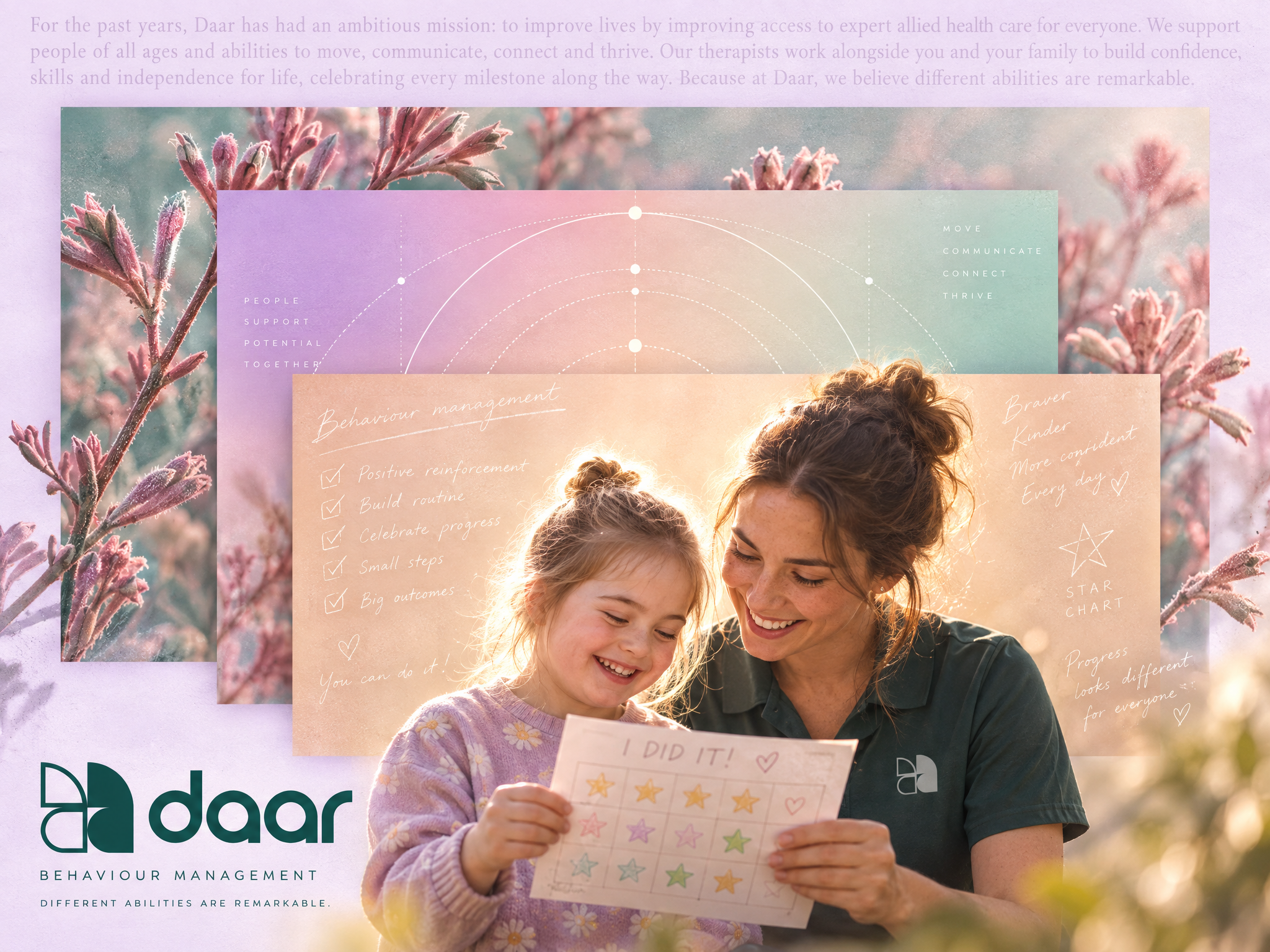
When children receive attention for helpful actions, those actions are more likely to happen again. That is why positive reinforcement is central in both classroom support and behavioural therapy. Praise, tokens, or access to a preferred activity can show a child, “That worked. Do it again.”
Behaviour analysis helps adults notice what keeps a challenging behaviour going. Sometimes a child is avoiding a task. Sometimes they want attention. Once that pattern is clearer, adults can teach a better way to meet the same need, such as using words or signals.
In older children, simple forms of cognitive restructuring may also help them rethink situations and react more calmly. Together, these steps improve participation, reduce disruption, and support a better quality of life in learning spaces.
Role of Behaviour Support in Early Childhood Settings
Behaviour support gives structure to the way adults respond to ongoing behavioural issues in educational settings. It helps teams move beyond guesswork by looking at triggers, teaching replacement skills, and setting clear goals for growth.
Positive behaviour support is often organized through a treatment plan that fits the child or group. This makes responses more consistent across the day. Once that framework is in place, it becomes easier to decide when support should be individualised and when a whole-class approach is enough.
When Is Behaviour Support Recommended for Children or Groups?
Behaviour support is recommended when behavioural issues are persistent, disruptive, unsafe, or hard to manage with general classroom strategies alone. It can also help when maladaptive behaviours affect learning, friendships, communication, or daily participation. Early intervention is valuable because small concerns can grow if they are ignored.
Sometimes one child needs targeted help. In other cases, several children in the same room struggle with the same routines, transitions, or group expectations. Behaviour analysis helps educators decide whether the problem is mostly individual, environmental, or shared across the setting.
|
Indication Type |
When Support Is Recommended |
|---|---|
|
Individual support |
One child shows repeated triggers, distress, or patterns that need a specific plan |
|
Group support |
Several children struggle with the same routines, rules, or transition times |
|
Educational settings review |
Classroom factors may be increasing stress, confusion, or inconsistent responses |
Tailoring Behaviour Support for Special Needs and Diverse Learners
Children with special needs learn differently, so support must be individualised. Plans should adapt to each child’s communication style, sensory needs, learning pace, and strengths, ensuring support is practical and respectful.
For children with developmental disabilities, adults may need to break down emotional regulation and daily routines into smaller steps. Behaviour therapists can help identify stress triggers and suggest effective supports like visuals, repetition, or guided practice.
Personalised support builds confidence, reduces frustration, and fosters independence. It also helps families and teachers respond consistently. When plans reflect a child’s unique needs and abilities, progress is more likely at home, in school, and in daily life.
Collaborating for Effective Behaviour Management: Teachers and Parents
Children make better progress when the adults around them work as one team. In behaviour management, consultation between teachers and parents creates shared goals, shared language, and more consistent responses to behavioural issues.
That teamwork is practical, not formal for the sake of it. Families know the child in daily life, while educators see patterns in group settings. When both sides compare notes and use similar communication skills and practical strategies, support becomes clearer, calmer, and more effective.
Why Teacher and Parent Consultation Is Vital
Teacher consultation is important because children’s behaviour can vary across settings. A child may do well at home but struggle in groups, or vice versa. When teachers and families share observations, they can identify patterns sooner and respond more effectively.
Parent involvement also builds consistency. When adults use the same expectations and rewards, children get clear messages instead of mixed signals. This supports communication, self-control, and social skills that transfer between home and school.
Sometimes a behavioural therapist joins these discussions to explain triggers, demonstrate strategies, or suggest next steps. This teamwork leads to faster progress, less stress for adults, and better support for the child. Shared planning turns isolated efforts into a coordinated approach.
Accessing Guidelines and Resources for Behaviour Support in Australia
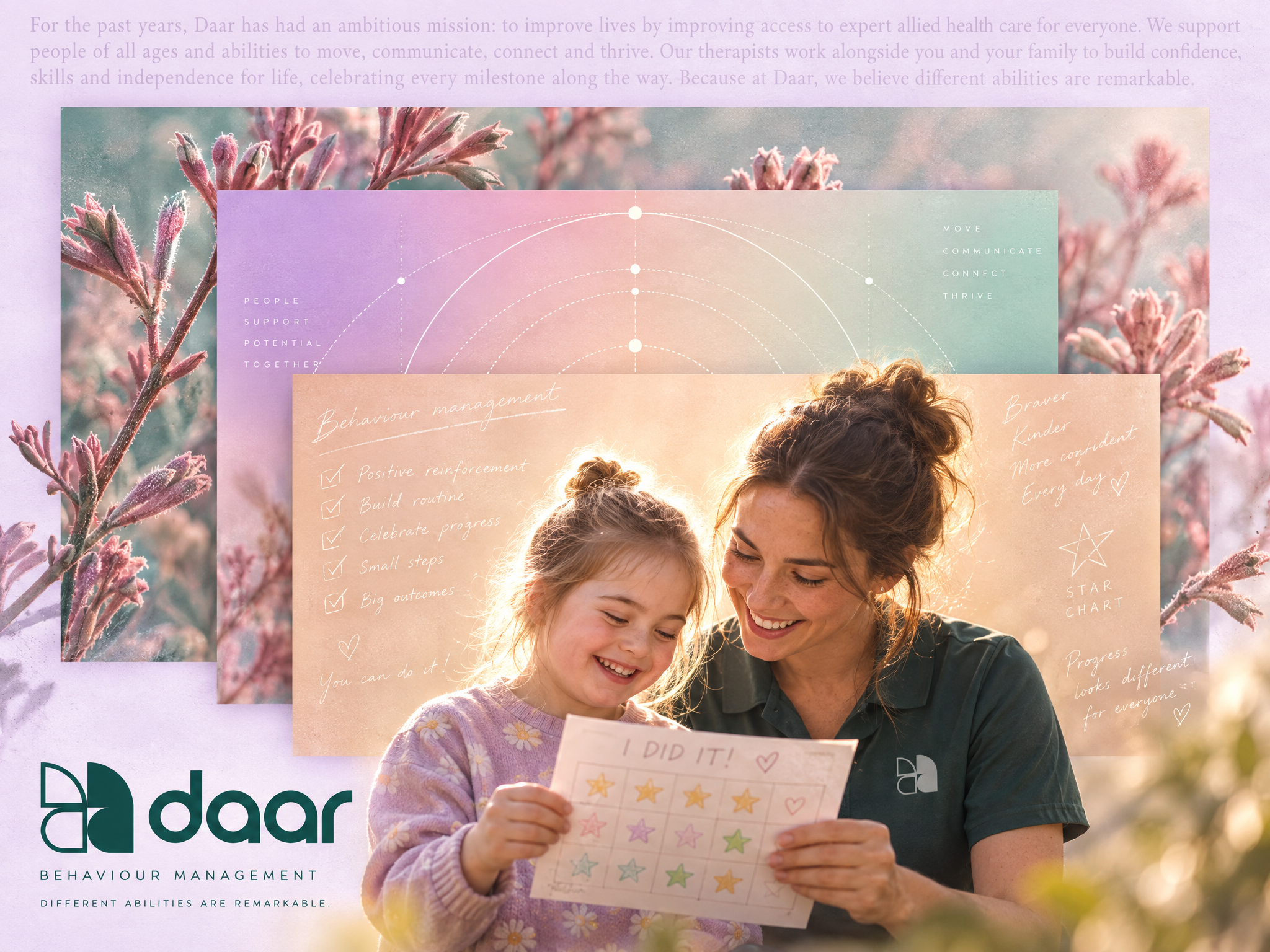
If you are looking for practical resources in Australia, start with providers that offer behaviour support, early intervention, workshops, blogs, and knowledge base materials for families and schools. These sources can give you further information on classroom support, child development, and how to respond to challenging behaviour in educational settings.
Some services also provide consultation, autism support, psychology, speech therapy, and specialised positive behaviour support. That can be helpful when you need a broader team, such as a behaviour analyst, therapist, educator, or social work professional working together.
Useful places to check include:
- Provider blogs and knowledge base pages with guides, tips, and answers to common questions
- Early intervention and behaviour support service pages that explain available programs
- Workshops and consultation services for caregivers, teachers, and schools
Conclusion
In summary, effective behaviour management in early childhood settings is crucial for nurturing a supportive and conducive learning environment. By implementing positive behaviour strategies and collaborating with parents, educators can foster a space where young children thrive academically and socially. Understanding the principles of behaviour management and actively applying them not only helps in addressing challenging behaviours but also promotes desired actions among children. Remember, every child is unique, and tailoring your approach to meet their individual needs will yield the best outcomes.
If you're looking for more personalised guidance on behaviour management strategies, reach out for a consultation or call daar at 02 9133 2500!
Frequently Asked Questions
Can behaviour therapy be customised for children with disabilities?
Yes. Behavioural therapy can be adapted for children with special needs through a treatment plan that matches communication, learning style, and daily routines. The type of therapy should fit the child, not the other way around. When support is individualised, it can improve participation, independence, and quality of life.
What are restrictive practices in behaviour support and when are they used?
Restrictive practices are highly limiting responses used in behaviour support when serious behavioural issues create a risk of harm. They are not first-choice strategies. Positive teaching, prevention, and emotional regulation support come first. If used, they should be part of a formal plan focused on safety and mental health issues.
How can behaviour therapy be implemented in early childhood classrooms?
Behavioural therapy can be used through classroom management routines, modeling, clear prompts, and rewards for positive behaviours. Based on social learning theory, children learn by watching and practicing. The most effective approach uses practical strategies that fit normal class activities, transitions, play, and group learning.
.svg)




.svg)