
.png?width=48&height=48&name=Group%201%20(3).png)























24 August, 2026

How to Handle Aggressive Toddler Behaviour at Home
Key Highlights
- Aggressive behaviours in young children are often a normal part of development.
- Your child’s behaviour may turn physical when big feelings come before words.
- A calm response is usually the best way to guide good behaviour at home.
- Consistent rules help toddlers feel safe and support stronger impulse control over time.
- Watching patterns in your child’s behaviour can reveal triggers like tiredness or stress.
- If aggressive behaviours disrupt daily life, relationships, or mental health, seek extra support.
Introduction
If your toddler is hitting, biting, or kicking, you are not alone. In early childhood, a child’s behaviour can change fast because feelings grow quicker than self-control. That can make even simple moments at home feel hard. The good news is that aggressive behaviour does not mean your child is “bad.” It usually means your toddler needs help calming down, communicating, and learning good behaviour in safer ways. Understanding what is normal is the first step.
Is Aggression Normal in Toddler Development?
Yes, in many cases, aggression is a normal stage in toddler development. A child’s aggressive behaviour often appears between 18 months and 3 years, when toddlers are discovering independence but still lack strong language and self-control. During this stage, aggressive behaviours like hitting, biting, pushing, or grabbing can show up when strong emotions take over. That does not automatically point to a mental health problem.
What matters is context, frequency, and impact. For many toddlers, these reactions are simply part of development. They act with their bodies because they cannot yet explain anger, jealousy, frustration, or overwhelm with words. Even when children know a rule, they may not have the impulse control to follow it in the moment. To understand this better, it helps to look at common stages and warning signs.
Typical Developmental Stages Involving Aggression
During early childhood, children experience feelings before they can manage them well. Babies may swat, grab, or pull because they are exploring how the world works. They are not trying to hurt you. They are learning through action and reaction.
From about 12 to 24 months, big feelings often come with very few words. That is why kicking, hitting, or throwing can increase. This stage is a common part of development, especially around age two, when toddlers want control but cannot always express what they need.
By 24 to 36 months, strong emotions still tend to beat thinking skills. A toddler may know that hitting is wrong and still do it when upset, tired, or scared. Many children experience this gap between knowing and doing. That is why support, not shame, matters most.
How to Differentiate Between Normal and Concerning Behaviours
Some aggression is expected in toddlerhood, but certain patterns deserve closer attention. The first step is to notice whether your child’s behaviour is occasional and tied to clear triggers, or whether it seems constant, intense, and hard to explain. You should also ask if it is affecting relationships, learning, or daily routines.
Warning signs can include:
- Unacceptable behaviour that happens often and continues over time
- Aggression that seems unprovoked or appears out of the blue
- A child’s behaviour that disrupts sleep, eating, play, or time with others
You may also want to seek help if your toddler becomes reckless, seems driven by high-intensity sensory needs, or starts struggling after a traumatic event or major life change. These patterns do not always mean a mental health disorder, but they do mean more support may be needed.
Causes of Aggressive Behaviour in Toddlers
Toddlers often act aggressively because child development moves faster than self-control. Your child’s behaviour may turn physical when a big emotion shows up and words are not enough. Hitting, biting, or pushing can be your toddler’s way of saying, “I’m mad,” “I’m overwhelmed,” or “I want that now.”
At times, a child’s aggression is linked to frustration, tiredness, hunger, transitions, or changes in routine. Environment matters too. Crowded spaces, child care stress, and insecurity after a big change can all raise strong emotions. Let’s look at emotional and home influences next.
Emotional Factors: Anger, Frustration, and Insecurity
Many toddlers show aggressive behaviour when they cannot handle big feelings. Anger, frustration, and disappointment can build quickly when they are told no, lose a toy, or have to stop doing something they enjoy. Without the words to explain it, they may use their hands, feet, or teeth instead.
Another factor is insecurity. A child who is facing a new sibling, a move, a child care change, or loss may feel less safe and less able to stay regulated. Fear can come out looking like anger. That is why a toddler might push away comfort or lash out during separation.
Temperament matters as well. Some children are big reactors. They feel their own feelings very strongly and have a harder time calming down. These toddlers often need more support, more repetition, and more patient coaching from you.
Environmental and Parental Influences in Australia
The environment around your toddler can shape behaviour in a big way. In early childhood, noise, crowds, bright settings, and transitions can push a child past their limit. This can happen at home, in childcare, or when meeting new people. Looking at where the behaviour happens helps you spot useful patterns.
Parental influence also matters. Your response teaches your child what happens next. Consistent rules help children feel secure, while changing expectations can confuse them. Clear family rules around safety, routines, and limits can reduce power struggles over time.
|
Influence Area |
How It May Affect Behaviour |
|---|---|
|
Child care setting |
Busy rooms, separation stress, or overstimulation may trigger hitting or pushing |
|
Family rules |
Consistent rules make expectations clear and help toddlers feel safe |
|
Parent reactions |
Calm, steady responses lower distress; heated reactions can increase it |
|
Life changes |
A move, new baby, or loss can increase insecurity and impulsive behaviour |
Responding Calmly to Aggressive Outbursts
When your toddler is physically aggressive, the best way to respond is with a calm response. That may feel hard, but it matters. Aggressive behaviours usually mean your child is out of control, not in a place to learn. If you stay steady, your toddler is more likely to settle faster.
You still need to set boundaries. Calm does not mean permissive. It means you protect safety, stop the behaviour, and guide your child toward control. Because toddlers have limited impulse control, your reaction becomes the model they borrow in that moment.
Keeping Your Reactions Under Control
In the middle of a blowup, your own feelings can rise fast. That is normal. Still, your toddler needs you to be the steady one. A calm response helps lower the emotional temperature and gives your child a better chance to regain control.
Try simple steps to support your own emotional regulation skills:
- Take deep breaths before you speak
- Pause for a moment if you need to settle your own feelings
- Use a firm, matter-of-fact voice instead of yelling
You are not ignoring the problem. You are showing your child what control looks like. If you need a brief reset, take it safely. Then come back and respond clearly. Later, when your child settles, notice it: “You calmed your body. Good job.” That praise supports learning without rewarding the outburst.
Immediate Steps to Manage Hitting, Biting, or Kicking
When toddler aggression happens, act right away and keep it simple. Stop the action, protect everyone, and state the limit. You can say, “No hitting. Hitting hurts.” Use words and gestures together so your child understands. Do not use physical force such as spanking or angry restraint.
After stopping the unacceptable behaviour, guide your toddler toward a healthy way to release the feeling. Helpful immediate steps include:
- Move your child away from the situation if needed
- Offer alternative ways like hitting a pillow or sofa cushions
- Redirect to a safer activity, such as throwing soft balls into a basket
If your child is too upset, a quiet break in a cozy area may help. This is not punishment. It is a chance to calm down. Teaching works best after your toddler is regulated, not in the peak of the storm.
Teaching Toddlers Positive Expression of Emotions
Toddlers need direct help to express feelings in healthier ways. They do not just “grow out of it” without support. Your job is to put words around emotions, show safe options, and repeat them often. That is how emotional regulation skills begin.
Over time, these small lessons build positive behaviour and stronger coping skills. You are helping your child learn what to do with anger, sadness, and frustration instead of acting on them physically. Two simple teaching tools can make a big difference at home.
Encouraging Communication and Emotional Vocabulary
One of the best ways to reduce aggression is to build language skills. When toddlers can name what is happening inside them, they are less likely to act it out. Start by labeling emotions in the moment: angry, sad, mad, frustrated, scared. This helps your child connect sensations with words.
You can strengthen emotional vocabulary by:
- Saying, “You’re really angry right now”
- Giving simple choices for what to say next
- Praising good choices when your toddler uses words instead of hands
Keep your language short and clear. During big feelings, long explanations will not work. Once your child is calmer, model a better phrase such as, “My turn,” or, “Help me.” These repeated moments build confidence and make it easier to express feelings before a meltdown grows.
Simple Role-Playing and Conflict Resolution Activities
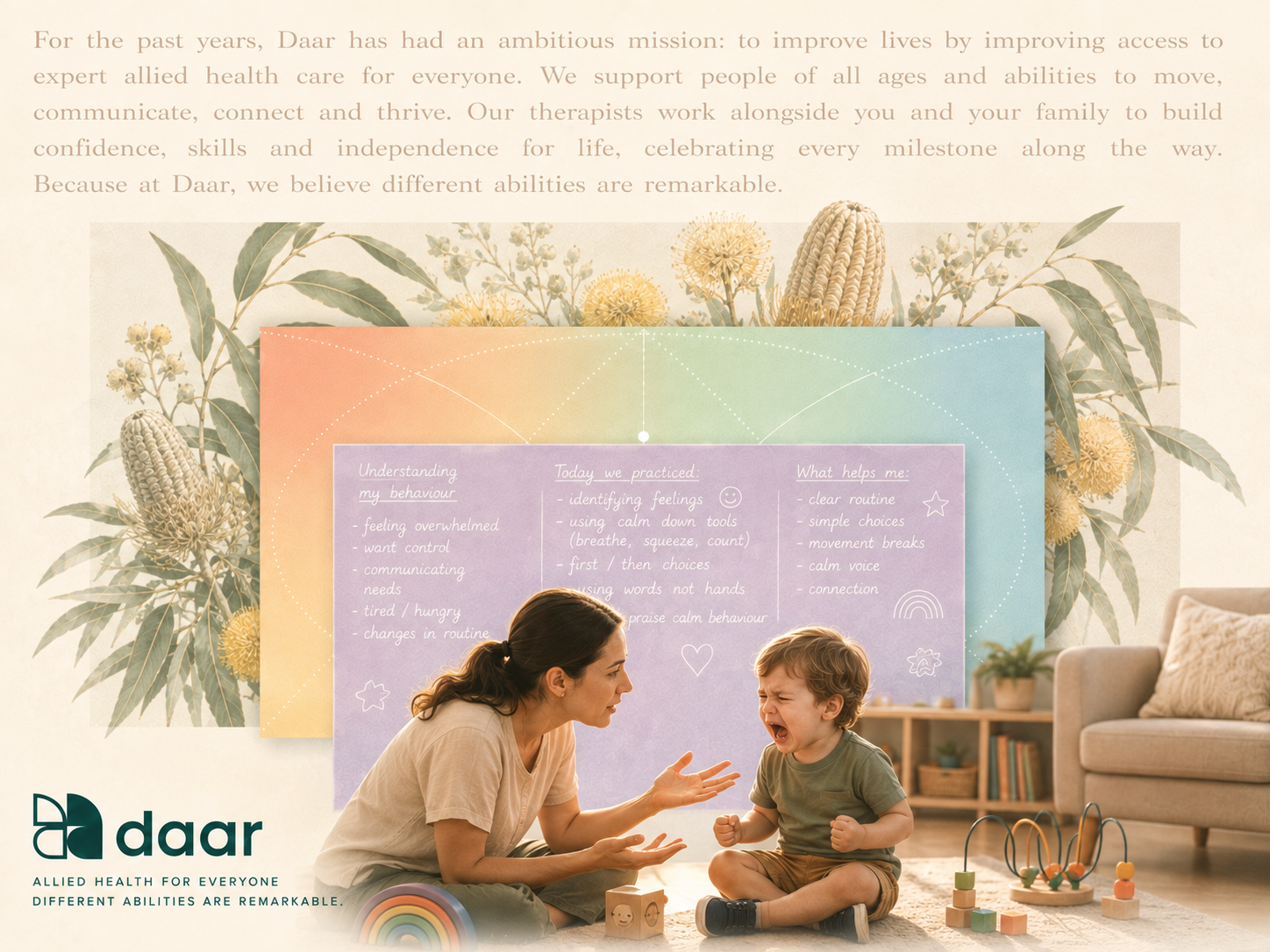
Practice outside the hard moment can help a lot. Role-play gives your toddler a chance to learn social skills when calm. You can act out common problems with dolls, stuffed animals, or during play. Keep it short and very concrete.
Try simple activities like:
- Practicing “my turn” and “help please” during toy play
- Acting out what to do when someone takes a toy
- Pretending to stomp feet, ask for help, or choose a quiet corner as an alternative behaviour
Positive reinforcement matters here. When your child tries a safe response, name it right away. That could sound like, “You used your words. Great job.” Repetition builds coping skills. It also helps your toddler understand what to do next time a conflict shows up at home.
Conclusion
In conclusion, managing aggressive behaviour in toddlers can be challenging, but understanding its causes and responses can make a significant difference. By recognizing the normal developmental stages and differentiating them from concerning behaviours, you can better support your child's emotional growth. Encouraging positive expression of emotions through communication and role-playing can help toddlers learn appropriate ways to express their feelings. Remember, parenting is a journey filled with ups and downs, and it's essential to approach these moments with patience and understanding.
If you're looking for further support or resources, don't hesitate to reach out for consultation or call daar at 02 9133 2500. Your efforts today can shape a more emotionally balanced tomorrow for your child!
Frequently Asked Questions
When should I worry about my toddler’s aggression?
Worry when warning signs keep showing up over time, especially if the child’s aggressive behaviour seems unprovoked, disrupts sleep or play, or affects relationships and learning. In early childhood, some aggression is expected, but frequent unacceptable behaviour may point to a need for added mental health support.
What should I do if my toddler’s aggression doesn’t improve?
If your child’s aggression stays the same despite calm, consistent responses, take a first step and speak with your pediatrician. Ongoing challenging behaviour, especially with warning signs, may call for support from mental health professionals who can help you understand what is driving your child’s aggression.
How can I teach my toddler to express anger without being aggressive?
Teach simple words for feelings, model phrases your toddler can use, and practice healthier ways to respond, like asking for help or hitting a pillow instead of a person. Strong language skills, repeated coping skills practice, and your calm guidance all support better impulse control over time.
.svg)




.svg)