
.png?width=48&height=48&name=Group%201%20(3).png)























29 September, 2026

Enhance Learning with Specialised Positive Behaviour Support

Key Highlights
- Specialised positive behaviour support helps reduce behaviours of concern while improving quality of life.
- A tailored support plan focuses on communication, daily routines, and practical skills.
- Specialist behaviour support practitioners work with families, carers, and wider support networks.
- Early intervention can address support needs before challenging patterns become harder to change.
- Positive behaviour support aims to reduce restrictive practices and replace them with safer options.
- NDIS support can connect people to behaviour support services that strengthen wellbeing and mental health.
Introduction
Specialised positive behaviour support is a person-centered approach that helps you understand why behaviours of concern happen and what can be done to respond in better ways. Rather than only reacting in the moment, it looks at support needs, daily routines, communication, and environment. The goal is simple: improve quality of life through practical, tailored strategies. With strong support networks and a clear plan, you can build safer habits, reduce stress, and create better outcomes at home, school, and in the community.
The Role of Practitioners in Positive Behaviour Support
Behaviour support practitioners play a central role in specialist behaviour support. They assess behaviours of concern, use behaviour analysis, and develop each support plan around a person’s unique needs. Their work is not only about reducing challenging behaviours. It is also about helping improve communication skills, daily participation, and overall quality of life.
Just as important, they guide support workers, families, and other support people so strategies stay consistent across settings. Ongoing professional development matters because support needs can be complex. Children, adults, and young people with disability can all benefit when skilled practitioners connect support services with strong support networks.
Essential Qualifications and Required Training in Australia
In Australia, behaviour support practitioners are expected to hold relevant qualifications and experience in fields like psychology or social work, along with practical experience supporting people with disabilities.
This foundation is essential, as practitioners assess needs, develop support plans, and guide others. Their work often involves collaborating with families, schools, carers, and professionals—requiring both formal education and hands-on experience.
Ongoing professional development is also crucial, especially under the NDIS. Practitioners must follow the positive behaviour support capability framework and meet quality standards set by the NDIS Commission to ensure safe, skilled, person-centered support.
Skills and Ethical Guidelines for Effective Practice
Effective specialist behaviour support requires more than qualifications. Practitioners need strong communication, careful behaviour analysis, and collaboration with support networks. They must explain strategies clearly so families and carers can use them daily.
Specialist support differs from general approaches through deeper assessment and planning. It prioritises understanding underlying causes, the person’s environment, and long-term positive change—not one-size-fits-all solutions.
Ethical guidelines are essential since every decision impacts dignity and safety. Practice should protect human rights and keep the person central.
- Respect human rights; avoid unnecessary restrictions
- Use evidence-based strategies informed by thorough analysis
- Involve support networks in planning and review
- Focus on skill building rather than control
Steps to Developing an Effective Positive Behaviour Support Plan
An effective behaviour support plan starts with understanding the person, not just the behaviour. You need a clear picture of individual needs, daily routines, triggers, and strengths. That information helps shape a tailored plan that is practical and relevant.
From there, the support team works with families, carers, and wider support networks to choose strategies that can be used consistently. A good behaviour support plan includes realistic actions, skill building, and support services that match unique needs. The next sections explain assessment and monitoring in more detail.
Conducting Functional Behaviour Assessments
A functional behaviour assessment is the foundation of an effective behaviour support plan. It examines behaviours of concern to determine what they communicate—such as unmet communication needs, anxiety, changes in routine, sensory issues, or other factors.
The assessment involves observing the child, talking with family and support staff, and reviewing what happens before and after the behaviour. This approach identifies root causes rather than relying on assumptions.
After the assessment, the support team can tailor strategies to fit the individual’s needs and daily life:
- Gather information from home, school, and community.
- Identify patterns, triggers, and outcomes related to the behaviour.
- Use these insights to shape the behaviour support plan.
Personalised Intervention Strategies and Plan Monitoring
After assessment, the next step is to choose personalised strategies that fit the person’s goals, routines, and support needs. Effective plans use proactive methods to reduce triggers, teach new skills, and improve daily patterns—rather than just reacting to problems.
Environmental changes often help, such as adjusting routines, enhancing communication supports, or changing adult responses during stressful times. Skill development is crucial for providing safer ways to express needs.
Monitoring keeps the support plan effective. Support networks track progress and update strategies as needed, encouraging positive change and greater independence.
- Teach replacement skills for safer ways to meet needs.
- Use environmental changes to prevent escalation.
- Regularly review progress with support people.
Positive Behaviour Support in the NDIS Framework
Positive behaviour support sits clearly within the National Disability Insurance Scheme for people whose disability-related support needs include behaviours that affect safety, learning, or participation. Through an NDIS plan, eligible participants may access specialist behaviour support and related support services.
This matters most for people with complex needs or significant disability who need more than broad guidance. A suitable NDIS provider can help turn assessment findings into a practical support plan and behaviour support plan. The next sections cover funding pathways and how the NDIS Commission oversees quality.
Accessing and Navigating NDIS Funding
Access to NDIS funding starts with general eligibility. The compiled information says a person may qualify if they are under 65, live in Australia, have a permanent and significant disability or need early intervention, and are an Australian citizen or permanent resident. Once approved, behaviour support services may be included in the NDIS plan.
For children with autism or challenging behaviours, this funding can support assessment, planning, and coordinated therapy services. A registered provider works with the family and support team to make sure supports match everyday needs and improve community participation.
Here is a simple text table that compares common points:
|
Area |
What it means |
|---|---|
|
Eligibility |
Under 65, living in Australia, Australian citizen or permanent resident |
|
Disability requirement |
Permanent and significant disability or early intervention need |
|
Funded help |
Behaviour support services, therapy services, plan-based supports |
|
Team approach |
Support people and providers coordinate practical strategies |
NDIS Regulations and Oversight for Positive Behaviour Support
The NDIS Commission regulates specialised positive behaviour support to ensure services are safe, ethical, and respect human rights—especially for people with complex needs or at risk of unnecessary restrictions.
Providers and behaviour support practitioners must follow NDIS quality standards and use person-centered planning. Support plans should clearly outline strategies, goals, and safe, dignity-preserving responses.
Strict oversight is crucial because restrictive practices should never be used casually. The focus is on reducing these practices through better planning, skill-building, and environmental supports.
- Adhere to NDIS quality standards and clearly document support plans.
- Carefully monitor and work to reduce restrictive practices.
Reducing Restrictive Practices Through Positive Behaviour Support
Restrictive practices are interventions that limit a person’s rights or freedom of movement. In positive behaviour support, they are treated as serious measures, not routine responses. That is why a behaviour support plan should focus first on understanding support needs and preventing harm in safer ways.
Positive behaviour support helps reduce unnecessary restrictions by using assessment, teaching alternatives, and strengthening support networks. When support teams respond consistently and respect human rights, people are more likely to experience safety, dignity, and better daily outcomes. The next sections explain the types and safer evidence-based approaches.
Types of Restrictive Practices and Their Implications
Restrictive practices are actions or interventions that restrict the rights or freedom of movement of a person with disability. In positive behaviour support, this could include responses that limit choice, access, or movement. Because of their impact, they must be handled with great care by behaviour support practitioners.
The main concern is human rights. Unnecessary restrictions can affect dignity, safety, trust, and daily participation. That is why every support plan and behaviour support plan should aim to reduce and remove them wherever possible.
Support networks also need clear guidance so everyone understands the risks and the preferred alternatives.
- Practices that limit freedom of movement can reduce a person’s sense of control.
- Unnecessary restrictions may harm trust and wellbeing.
- Restrictive responses can affect participation at home, school, or in the community.
- Good planning focuses on safer alternatives first.
Evidence-Based Approaches for Promoting Safer Environments
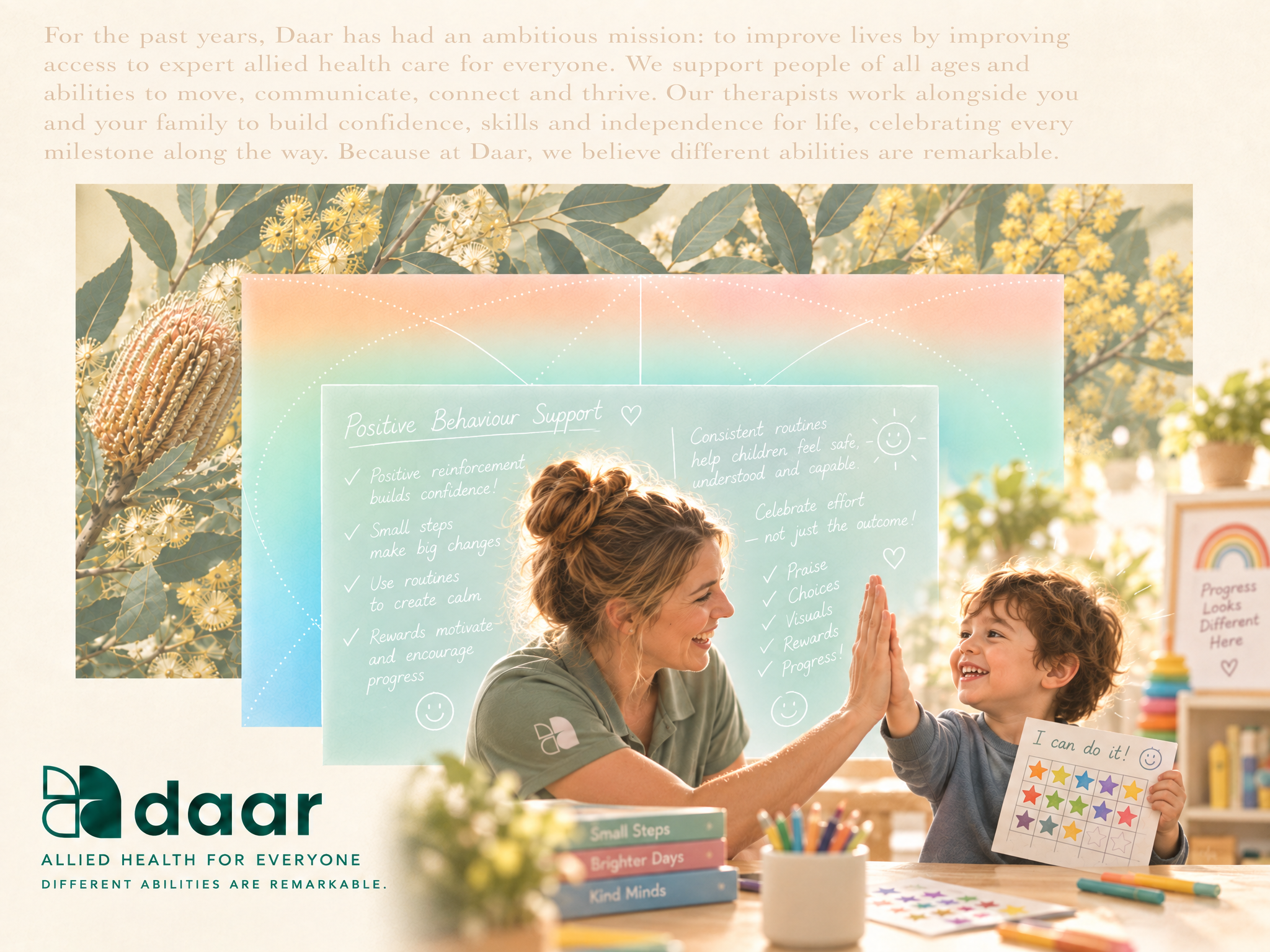
Yes, positive behaviour support can help reduce the need for restrictive practices because it focuses on prevention, skill building, and better environments. Evidence-based work starts with understanding what drives the behaviour, then choosing practical strategies that reduce stress and increase safety.
A safe environment is often created through small but meaningful changes. These may include clearer routines, better communication supports, calm responses from adults, and consistent teamwork. When a support team understands support needs and acts early, there is less need for reactive measures.
Professional development also supports better outcomes because staff and carers need confidence in proactive strategies that work across settings.
- Use early, proactive strategies instead of waiting for escalation.
- Adjust routines and surroundings to reduce triggers.
- Teach safer replacement skills that meet the same need.
Conclusion
In conclusion, specialised Positive Behaviour Support (PBS) is essential for enhancing the learning experiences of individuals with challenging behaviours. By focusing on developing tailored intervention strategies and understanding the NDIS framework, practitioners can create safer and more supportive environments. The importance of proper qualifications and ethical practices cannot be overstated, as they ensure effective guidance and support. With evidence-based approaches, we can significantly reduce restrictive practices and promote positive change. Remember, the journey towards better outcomes starts with understanding and implementing PBS effectively.
If you’re ready to make a difference, consider reaching out for a consultation or call daar at 02 9133 2500 to explore how we can assist you in this vital area.
Frequently Asked Questions
Can positive behaviour support reduce the need for restrictive practices?
Yes. Positive behaviour support aims to reduce restrictive practices by identifying triggers, teaching safer alternatives, and using practical strategies that fit daily life. A strong behaviour support plan, backed by consistent support networks, helps prevent escalation and lowers the need for restrictive responses over time.
How does positive behaviour support help children with challenging behaviours?
Positive behaviour support helps children with challenging behaviours by looking at what the behaviour is communicating. Behaviour support practitioners use assessment, early intervention, and skill development to create a support plan that improves communication, routines, and emotional responses across home, school, and community settings.
What qualifications should I look for in a specialised positive behaviour support practitioner in Australia?
Look for qualifications in a related field such as psychology or social work, along with experience in disability support. Good behaviour support practitioners should understand specialist behaviour support, follow NDIS expectations, and show ongoing professional development so their practice stays current, safe, and person-centered.
.svg)




.svg)