
.png?width=48&height=48&name=Group%201%20(3).png)























21 August, 2026

Navigating Challenges with Specialised Behaviour Support
Key Highlights
- Positive behaviour support helps young people build safer, more positive ways to take part in everyday life.
- A behaviour support plan is based on the person’s needs, strengths, and daily routines.
- Specialist behaviour support looks at why challenging behaviours happen before choosing support strategies.
- Good plans focus on skill-building, communication, and reducing triggers in natural settings.
- NDIS quality standards guide how behaviour support is delivered, especially where risk is involved.
- The goal is better wellbeing, participation, and long-term quality of life.
Introduction
When behaviour starts affecting safety, learning, or family routines, it helps to have clear guidance. A behaviour support practitioner works with families, carers, and support workers to understand what is happening and find positive ways forward. Instead of reacting only to the behaviour itself, this approach looks at the reason behind it. That makes support more practical, more respectful, and easier to use at home, at school, and in the community.
Understanding Specialised Behaviour Support in Australia
Across Australia, specialist behaviour support is used when behaviours of concern affect safety, participation, or daily life. Under the NDIS, this support is shaped around the person, not just the behaviour. The aim is to understand unmet needs, triggers, and what the behaviour may be communicating.
Positive behavioural support uses practical support strategies that fit real settings like home, school, supported accommodation, and community spaces. It also supports consistency across the team. To see how this works in practice, it helps to start with the core model behind it.
What is Positive Behaviour Support (PBS) and How Does It Work?
Positive Behaviour Support (PBS) is a person-centered approach designed to improve the quality of life for individuals with challenging behaviors. It incorporates behavioral science to develop strategies that promote positive behavior, understanding the underlying reasons for behavior while fostering skill development and effective communication.
Key Principles and Goals of Specialised Behaviour Support
A strong behaviour support plan is built around the person’s goals, strengths, and everyday routines. In positive behavioural support, the goal is not just to reduce challenging behaviours. It is to improve quality of life, increase participation, and help the person learn new skills that work better for them.
For young children, a plan is usually created after assessment, then shaped with family and the wider team. Support workers and carers use the same approach each day, with positive attention for helpful behaviours and calm responses when things become difficult. This also supports NDIS quality expectations.
|
Principle |
What it looks like in practice |
|---|---|
|
Understand the reason for behaviour |
Use assessment to find triggers, unmet needs, and patterns |
|
Teach replacement skills |
Build communication, social, and daily living skills |
|
Change the environment |
Reduce triggers and make routines clearer |
|
Use consistent responses |
Families and support workers follow the same plan |
|
Review progress |
Adjust the behaviour support plan over time |
This makes support more useful, more respectful, and easier to maintain.
Who Benefits from Specialised Behaviour Support?
Specialised support can help children, young people, and adults when behaviour affects safety, relationships, learning, or independence. A specialist behaviour support provider does not rely on one fixed method. Instead, they look at the person’s needs, daily settings, and what the behaviour may be communicating.
With the right support, people can do more in supportive environments at home, school, or in the community. Consistent support strategies and positive attention often help reduce stress and build confidence. The groups below show how this support can make a difference.
Support for Children and Toddlers, Including Autism Spectrum
For young children, early support can make a real difference. A behaviour support practitioner works with families to understand children’s behaviour in context, not in isolation. That means looking at routines, communication, sensory needs, and what may be getting in the way of participation. This approach is used with children with autism, ADHD, intellectual disability, FASD, and other developmental needs.
Research described in the compiled information shows positive behaviour support can help autistic children improve school participation, communication, and independence. It can also reduce meltdowns, aggression, and other difficult patterns when the plan is used consistently.
- support the child’s behaviour in natural settings
- teach safer ways to ask for help or a break
- help adults respond clearly and calmly
For toddlers and other young children, this can turn stressful moments into learning opportunities.
Meeting the Needs of Families, Carers, and Teachers
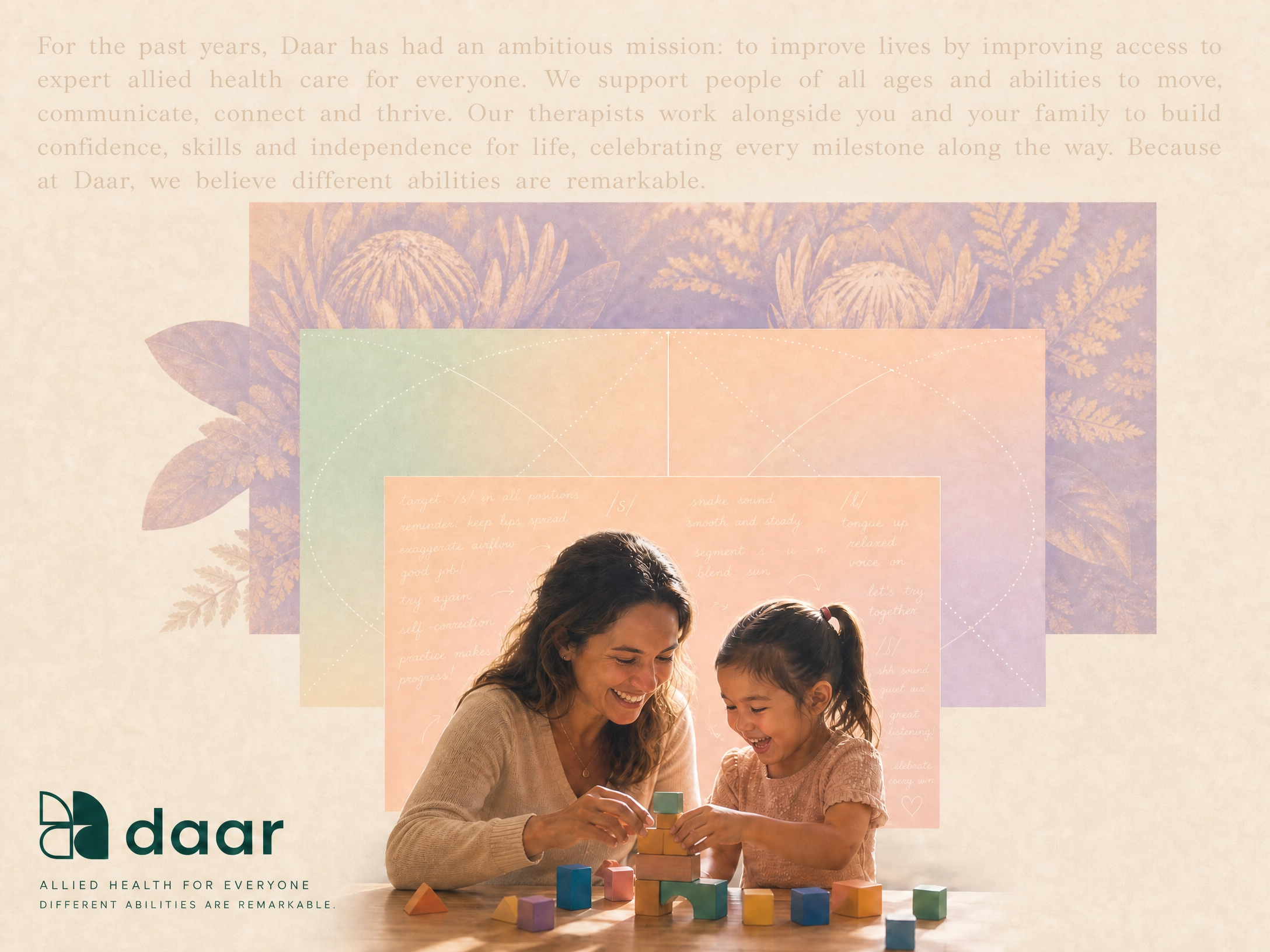
Families, carers, teachers, and support workers are central to positive support. They are the people using strategies during meals, play, transitions, learning, and community activities. Because of that, plans need to be realistic, easy to follow, and written in plain English that fits everyday life.
In early childhood settings, positive support often includes clear routines, consistent responses, and teaching children new ways to communicate. At home, parents can use the same ideas with encouragement, calm guidance, and practice in natural moments. Consistency across settings matters because children benefit most when adults respond in similar ways.
- follow the same plan across home and school
- encourage positive actions
- use practical steps adults can repeat every day
That shared approach helps reduce confusion and supports better outcomes over time.
Conclusion
Navigating the challenges of specialized behavior support is crucial for fostering a supportive environment for individuals with diverse needs. By understanding the principles of Positive Behavior Support and its applications, families, educators, and caregivers can work together to create effective strategies tailored to each individual's requirements. Emphasizing empathy and collaboration, we can ensure that those we support feel valued and understood. As we continue to learn and grow in our approach, let’s commit to making informed choices that enhance the quality of life for everyone involved.
For personalized guidance and support, reach out for a consultation or call daar at 02 9133 2500 today to explore how we can assist you on this journey.
Frequently Asked Questions (FAQs)
Are positive behaviour strategies effective for children with autism?
Yes. Positive behaviour support has shown positive effects for children with autism, especially when support strategies are used consistently. It can help children build new skills in communication and daily life while reducing challenging behaviours that affect school, home, and relationships.
How can parents avoid restrictive practices when guiding child behaviour?
Parents can focus on positive behavioural support by understanding triggers, teaching safer communication, and using calm, consistent responses. Restrictive practices should be a last resort. The aim is always to reduce and eliminate approaches like physical restraint by putting better supports in place first.
Where can I find reliable resources or training for positive behaviour strategies in Australia?
In Australia, you can speak with your GP, NDIA planner, early childhood partner, or local area coordinator about NDIS options. You can also contact a specialist behaviour support provider or an NDIS behaviour support practitioner. Many providers offer guidance, training, and downloadable pdf information about a behaviour support plan.
.svg)




.svg)