
.png?width=48&height=48&name=Group%201%20(3).png)























23 September, 2026

Unlock Potential: Behaviour Support for Children Strategies
Key Highlights
- Positive behaviour support helps children and young people build skills, reduce behaviours of concern, and improve quality of life.
- Child behaviour specialists use assessment, planning, and review to understand challenging behaviour and respond to unmet needs.
- In Australia, specialist behaviour support, psychology, therapy, and NDIS-funded support services can help families in Sydney, Brisbane, and across New South Wales.
- Practical strategies, positive reinforcement, and emotional regulation skills support progress in everyday life.
- Supportive environments and strong support networks make behaviour support plans more effective.
- Families, carers, schools, and professionals working together usually achieve the best outcomes.
Introduction
When a child shows behaviours of concern, it can affect home life, learning, and wellbeing. Positive behaviour support offers a calm, structured way to understand what your child is communicating and how to help them learn positive ways to cope. Instead of only reacting to difficult moments, child behaviour specialists and support teams look at triggers, needs, strengths, and daily routines. This makes support more practical, more respectful, and more useful for long-term change.
Common Behaviours of Concern in Children
Behaviours of concern can look different from child to child. Some children may show verbal aggression, withdrawal, meltdowns, disruptive behaviour, or aggression toward themselves or others. These signs are often treated as challenging behaviour, but they can also point to communication difficulties, stress, or unmet needs.
That is why early support matters. When families and support networks understand what is driving the behaviour, they can build emotional regulation skills and improve the child’s quality of life. Effective behaviour support strategies start with understanding, not guesswork.
Recognising Challenging Behaviours in Various Settings
Identifying challenging behaviours in various environments can significantly enhance a child's quality of life. Support teams, including child behaviour specialists and carers, play a crucial role in recognising signs of distress or unmet needs. These behaviours of concern may manifest differently depending on the setting, such as schools or homes. By implementing a positive behaviour support plan tailored to individual needs, young people can develop emotional regulation skills, thrive in supportive environments, and reach their full potential.
Underlying Causes and Contributing Factors
Behaviour usually serves a purpose. Children may be seeking help, avoiding stress, gaining attention, or expressing discomfort. Sometimes the cause is physical, like pain or illness. Other times, children lack the words or emotional regulation skills for the situation.
This is especially true for children with autism, developmental disabilities, intellectual disabilities, ADHD, or other learning and social challenges. Their reactions often reflect overload or difficulty managing emotions—not deliberate refusal. If adults overlook these needs, the behaviour can persist or worsen.
Positive Behaviour Support (PBS) addresses the underlying causes by assessing what the child is communicating through behaviour. The support team then teaches safer skills and adjusts triggers in the child’s environment.
Effective Strategies for Child Behaviour Support
The most effective behaviour support strategies are individualised. What helps one child may not help another, so support should match the child’s strengths, triggers, communication style, and daily life. This is where practical strategies make a real difference.
A positive behaviour support plan gives everyone a shared approach. It can include ways to reduce triggers, teach new skills, and reinforce positive behaviour. With consistent support, children are better placed to build independence, join in, and reach their full potential.
Practical Approaches for Parents at Home
At home, simple, consistent actions work best. If your child shows concerning behaviours, start by noticing patterns—what happens before and what calms things down? Focus your support plan on both prevention and response.
Helpful strategies include:
- Reducing common triggers in routines or environments
- Teaching simple ways to communicate or cope
- Responding the same way each time to keep expectations clear
You don’t have to do this alone. Support networks—like teachers, psychologists, therapists, and family—can help. When everyone uses similar language and goals, children get clearer messages. Over time, this consistency strengthens emotional regulation and makes tough moments more manageable for the whole family.
Positive Behaviour Support Techniques Used by Professionals
Professionals use positive behaviour support to understand why behaviour happens and what skills need to be taught instead. The approach grew from applied behaviour analysis, but PBS is more person-centred and family centered. That means it focuses on the child’s goals, strengths, and quality of life, not just the behaviour itself.
A practitioner may complete a functional assessment, help write a behaviour support plan, and coach adults on how to use it in natural settings. Specialist behaviour support aims for the best outcomes by reducing triggers, teaching communication, and building positive behaviour in everyday routines.
|
Approach or Tool |
What It Does |
|---|---|
|
Functional assessment |
Examines triggers, patterns, and the purpose of the behaviour |
|
Behaviour support plan |
Sets out strategies for prevention, teaching, and response |
|
Positive reinforcement |
Encourages helpful skills and positive ways of communicating |
|
Review with support team |
Checks progress and updates strategies when needed |
Specialist Services and Programs for Child Behaviour Support in Australia
Australia offers a range of support services for children and young people with emotional and behavioural difficulties. These can include psychology, therapy, workshops, online courses, behaviour resources, and specialist behaviour support. Some services also help parents, educators, and disability professionals build practical skills.
Access may be available in major cities such as Sydney and Brisbane, as well as across New South Wales through providers, local professionals, and online programs. The right service can guide assessment, planning, and consistent support across home, school, and community settings.
Role of NDIS in Specialist Behaviour Support
The NDIS can help families access specialist behaviour support. If a child is eligible, their plan may cover these costs. Families can also get guidance from an NDIS planner, early childhood partner, or local area coordinator.
Support should be personalised—focusing on understanding communication, teaching new skills, and adjusting daily routines. The goal is to reduce challenging behaviours and improve participation, wellbeing, and quality of life.
Restrictive practices should be a last resort. Positive behaviour support emphasises prevention, skill-building, and safer alternatives. If restrictive practices are used, they must include strong safeguards and protect the child’s rights and safety.
Training, Therapy, and Psychology Services for Kids
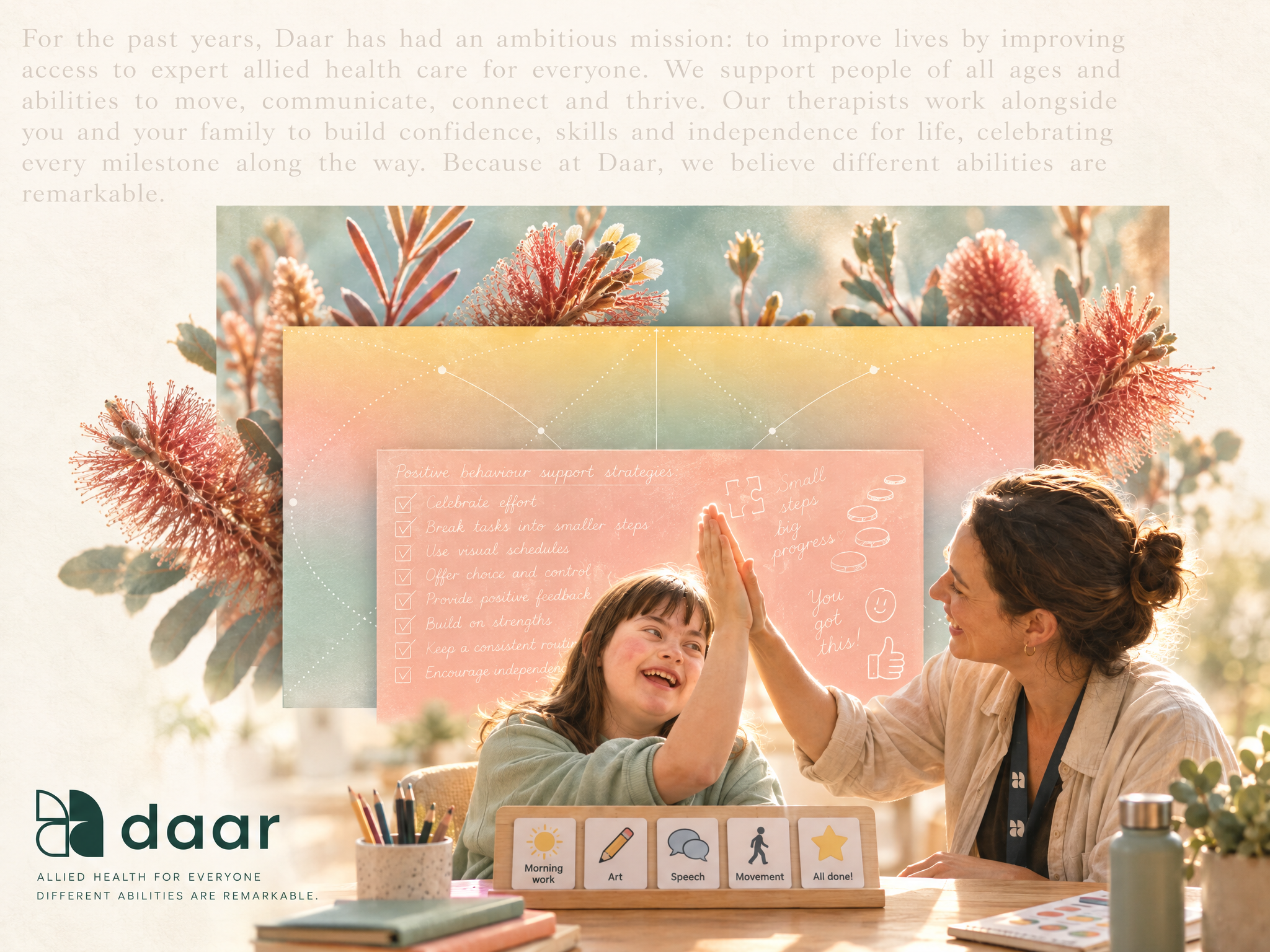
Children can access various psychology and therapy services based on their needs. Some focus on assessment and planning; others teach emotional regulation, communication, or daily living skills. Training is also available for adults who support the child.
Common services include:
- Psychology sessions to assess behaviour and guide intervention
- Therapy to build communication, social, or emotional regulation skills
- Workshops and coaching for parents, caregivers, and educators
These services are most effective when integrated into daily life. Skills learned in therapy lead to more progress when practiced at home, school, and in the community. This unified approach supports wellbeing, learning, and resilience over time.
Conclusion
In summary, behaviour support for children is essential for navigating the complexities of their development. By recognising challenging behaviours and understanding their underlying causes, parents and professionals can work together to create effective strategies that encourage positive change. Whether through practical approaches at home or specialised services, the journey toward better behaviour is a collaborative effort. Remember, it’s about fostering an environment where children feel supported and understood.
If you’re seeking tailored guidance for your child, don’t hesitate to reach out for a consultation or call daar at 02 9133 2500 to speak with our experts. Together, we can make a difference in their lives.
Frequently Asked Questions
What are some common behavioural challenges that children face and how can behaviour support help?
Common behaviours of concern include aggression, meltdowns, withdrawal, and verbal aggression. Positive behaviour support helps by identifying triggers, understanding the purpose of behaviour, and creating a support plan. With strong support networks, children can learn better skills and improve their quality of life.
How can parents effectively collaborate with professionals to create a behaviour support plan for their child?
Parents can work closely with the support team by sharing patterns they see at home, helping set goals, and using agreed practical strategies every day. A behaviour support plan works best when everyone responds consistently, reinforces positive behaviour, and reviews progress together for best outcomes.
What strategies can be used to reinforce positive behaviours in children?
Positive behaviour support often uses reinforcement to encourage helpful actions, communication, and coping skills. Teaching emotional regulation skills, reducing triggers, and practising new responses in daily life can support steady progress. These approaches help young people build confidence and use safer behaviours more often.
.svg)




.svg)