
.png?width=48&height=48&name=Group%201%20(3).png)























2 October, 2026

Exploring Anger Management Therapy for Kids at Home

Key Highlights
- Anger management helps kids handle big feelings in healthy ways at home.
- Many anger issues start with stress, frustration, or trouble naming emotions.
- Early support builds coping skills and stronger emotional regulation over time.
- Parents can help by staying calm, setting limits, and listening without shame.
- Deep breathing, movement, and calm spaces give kids practical healthy ways to reset.
- If anger becomes frequent, aggressive, or affects daily life, professional support may help.
Introduction
Your child’s anger can feel intense, confusing, and hard to handle, especially when outbursts happen over small things. Still, anger management is not about stopping feelings. It is about teaching your child better ways to respond to them. When you understand what sits underneath a child’s anger, you can support their mental health with more patience and confidence. At home, simple routines, calm responses, and steady guidance can turn difficult moments into chances for growth.
Understanding Anger Issues in Children
Anger issues in children often show up when strong feelings become too hard to manage. An angry child may not have the words to explain fear, disappointment, or overload, so those big emotions come out as yelling, tears, or refusal.
In many cases, the feelings of anger are a signal, not the whole problem. Common signs can include tense posture, loud voices, crying, arguing, or aggressive reactions. When you notice these patterns early, you can respond with support instead of only focusing on behaviour.
Recognising Common Signs of Anger in Kids
Sometimes the early signs of anger appear before a full meltdown starts. Your child may look stiff, breathe faster, or sound sharper than usual. These warning signs matter because they give you a first step to step in before angry outbursts grow.
Watch for patterns that happen again and again. Common warning signs include:
- clenched fists, a tight jaw, or a red face
- crying, yelling, or a loud shaky voice
- pulling away, refusing to talk, or blaming others
- aggressive behaviour such as hitting, throwing, or breaking things
Just as important, notice how your child acts after a hard moment. Some kids stay upset long after the trigger is gone. Others struggle at school or with friends. If those signs keep showing up, your child may need more support with emotional awareness and coping.
Why Do Children Experience Anger Outbursts?
Children have anger outbursts for lots of reasons, and the cause is not always obvious in the moment. A child may feel bullied, overwhelmed, ignored, tired, or unable to explain what is wrong. For some, the feelings of anger build because they feel misunderstood.
At other times, deeper concerns play a role. Trauma, neglect, abuse, anxiety, ADHD, or depression can make anger issues more likely. Teenagers may also react to peer pressure, academic strain, social conflict, and even hormone changes that make emotions feel harder to manage.
That is why your response should focus on the trigger, not only the outburst. When you stay calm, look for patterns, and help your child name what happened, you start addressing the real issue underneath the behaviour.
Age-Appropriate Emotional Responses and Triggers
Children do not all show anger in the same way. Age-appropriate responses depend on development, language, and daily stress. Young children often act first and explain later. Older children may understand more, but they can still struggle to manage strong emotions in the moment.
The table below shows how different feelings and triggers may look across ages:
|
Age group |
Common triggers |
Typical response |
Helpful support |
|---|---|---|---|
|
Young children |
fatigue, hunger, overstimulation, transitions |
crying, yelling, throwing, hitting |
simple words, deep breaths, a break, sensory tools |
|
Older children |
school stress, peer conflict, disappointment, feeling misunderstood |
arguing, shutting down, blaming, angry tone |
open conversation, mindfulness techniques, role-play |
|
Teens |
academic pressure, social challenges, independence struggles, hormone changes |
sarcasm, withdrawal, sharp reactions, anger outbursts |
validation, healthy outlets, self-talk, space to cool down |
When you match support to your child’s stage, anger management techniques work better. The goal is not perfection. It is helping your child handle strong emotions in ways they can actually use.
The Role of Parents in Managing Anger at Home
Parents play a central role in how a child learns to handle anger. Your reactions teach just as much as your words. When you stay grounded during your child’s anger, you show them what calm behaviour can look like under pressure.
You also help kids by turning hard moments into learning moments. That means building emotional awareness, naming what happened, and setting limits without shame. The next sections look at how parents can create safety, encourage honest talking, and keep expectations clear at home.
How Parents Can Create a Supportive Environment
A supportive environment helps children feel secure, even during intense emotions. Your home doesn't need to be perfect—just predictable, calm, and safe enough for your child to learn from mistakes without fear.
Simple changes can help:
- provide a safe space for cooling down without punishment
- keep routines consistent to reduce stress
- praise positive behaviour when your child uses words or asks for help
- discuss body cues to build emotional awareness
Your tone matters. Responding calmly shows your child that anger doesn't have to take over. Over time, this support makes outbursts less frightening and easier to manage for everyone.
Talking Openly About Emotions and Feelings
Open conversations help children understand that all feelings are normal. Emotions like anger, sadness, worry, and disappointment carry useful information. When kids hear this, they're less likely to bottle up feelings until they explode.
Use simple language your child can repeat. Say things like, “I see you’re mad,” or “It’s okay to feel angry, but let’s find a safe way to express it.” Naming emotions helps calm the brain and makes them easier to manage.
These talks work best when everyone is calm. Ask your child what anger feels like in their body and what might help next time. With practice, talking about feelings becomes a tool for self-regulation—not just something you do after conflict.
Setting Consistent Boundaries and Expectations
Children need to know two things: feelings are allowed, but hurtful behaviour is not. Clear boundaries separate emotions from actions. You can accept anger while saying no to hitting, yelling, or breaking things.
Keep expectations simple and repeat them often. Changing rules makes children feel insecure. Consistent consequences teach what follows unsafe behaviour, while positive reinforcement encourages good choices.
You are the role model. If your child sees you pause, lower your voice, and reset before reacting, that lesson lasts. If anger management doesn’t help and aggressive behaviour continues or causes major school and social problems, specialist support may be needed.
Effective Anger Management Techniques for Kids
The most effective anger management techniques for kids are usually simple, repeatable, and matched to age. Deep breaths, movement, naming feelings, and taking a break can help lower emotional intensity before behaviour escalates.
Some children also respond well to mindfulness techniques, sensory tools, or role-play. The key is practice during calm moments, not only during conflict. The next sections cover calming strategies, worksheets, and creative coping strategies that can make these skills easier to learn at home.
Introducing Calming Strategies for Different Ages
Calming strategies work best when they fit your child’s age and development. Young kids often need concrete tools they can touch or see. Older children and teens may do better with reflection, self-talk, or taking space before responding.
You can try a few practical options at home:
- deep breathing with slow exhales, bubbles, or counting
- an anger thermometer to rate feelings from low to high
- a stress ball or weighted item for sensory support
- short movement breaks like stretching, jumping, or walking
Introduce these tools before a crisis. Practice when your child is calm so the steps feel familiar later. That routine strengthens emotion regulation and gives your child something useful to reach for during anger instead of reacting on impulse.
Activities and Worksheets for Learning Self-Regulation
Anger management activities help children build skills through practice. Worksheets are useful because they slow things down, allowing kids to identify triggers, body signals, and helpful strategies instead of just reacting.
Simple worksheets work best when focusing on one skill at a time, such as:
- matching feelings to facial expressions
- completing “I feel mad because…” sentences
- drawing an anger thermometer with coping choices at each level
- listing triggers and solutions for next time
Therapists use worksheets like home routines to build self-regulation step by step. They guide kids through patterns, coping plans, and reflection after tough moments. With positive feedback, worksheets shift from correction to learning what works.
Creative Outlets – Art, Music, Movement, and Play
Not every child wants to talk when upset. Creative outlets give them another path. Art, music, movement, and play can lower tension and help strong feelings come out in safer, more workable forms.
Healthy ways to release anger can include:
- drawing, painting, or coloring to show feelings without words
- listening to music, writing, or using rhythm to settle the body
- physical activity and play such as running, dancing, or tossing a ball
These outlets are not distractions from the problem. They can help the nervous system calm enough for problem-solving to happen later. For many kids, especially those who get stuck in angry feelings, movement and creativity make coping feel natural instead of forced.
Building Coping Skills and Emotional Regulation
Coping skills grow through repetition, patience, and support. Your child will not master emotional regulation in one hard week. They learn by noticing feelings, trying a skill, and talking about what worked and what did not.
That process matters because it prepares them for next time. Strong emotion regulation strategies help children pause earlier, choose safer responses, and recover faster after conflict. The following sections break down practical ways to teach these habits at home, especially for younger kids.
Practical Steps to Teach Coping Skills at Home
Teaching coping skills at home is most effective when kept simple. Help your child notice early signs of stress, like a tight body, louder voice, or fast breathing. Recognising these signals lets them use coping skills in time.
Guide your child through these basic steps:
- Name the feeling and related body clue
- Pick one coping tool (breathing, counting, taking a break)
- Discuss what worked and what to try next time
Practice these strategies during calm moments. The goal isn’t perfect behaviour—it’s building a routine your child can remember under stress. With repetition, these steps become more automatic and effective.
Emotional Regulation Strategies for Younger Kids
Younger children need concrete, easy-to-repeat tools because big feelings move fast. Long explanations usually do not help in the moment. What works better is simple language, visual support, and direct practice with calm behaviour when they are not upset.
Helpful emotion regulation strategies for younger children include:
- labeling emotions with short phrases like “mad,” “sad,” or “frustrated”
- using sensory tools such as a stress ball or weighted blanket
- practicing deep breathing through games, bubbles, or counting
Keep your expectations age-appropriate. Many young children are still learning how to wait, share, and recover from disappointment. Emotional regulation skills develop over time, especially when you stay calm, validate the feeling, and guide them toward one small action they can succeed with.
Using Visual Aids and Reminders to Practice Calmness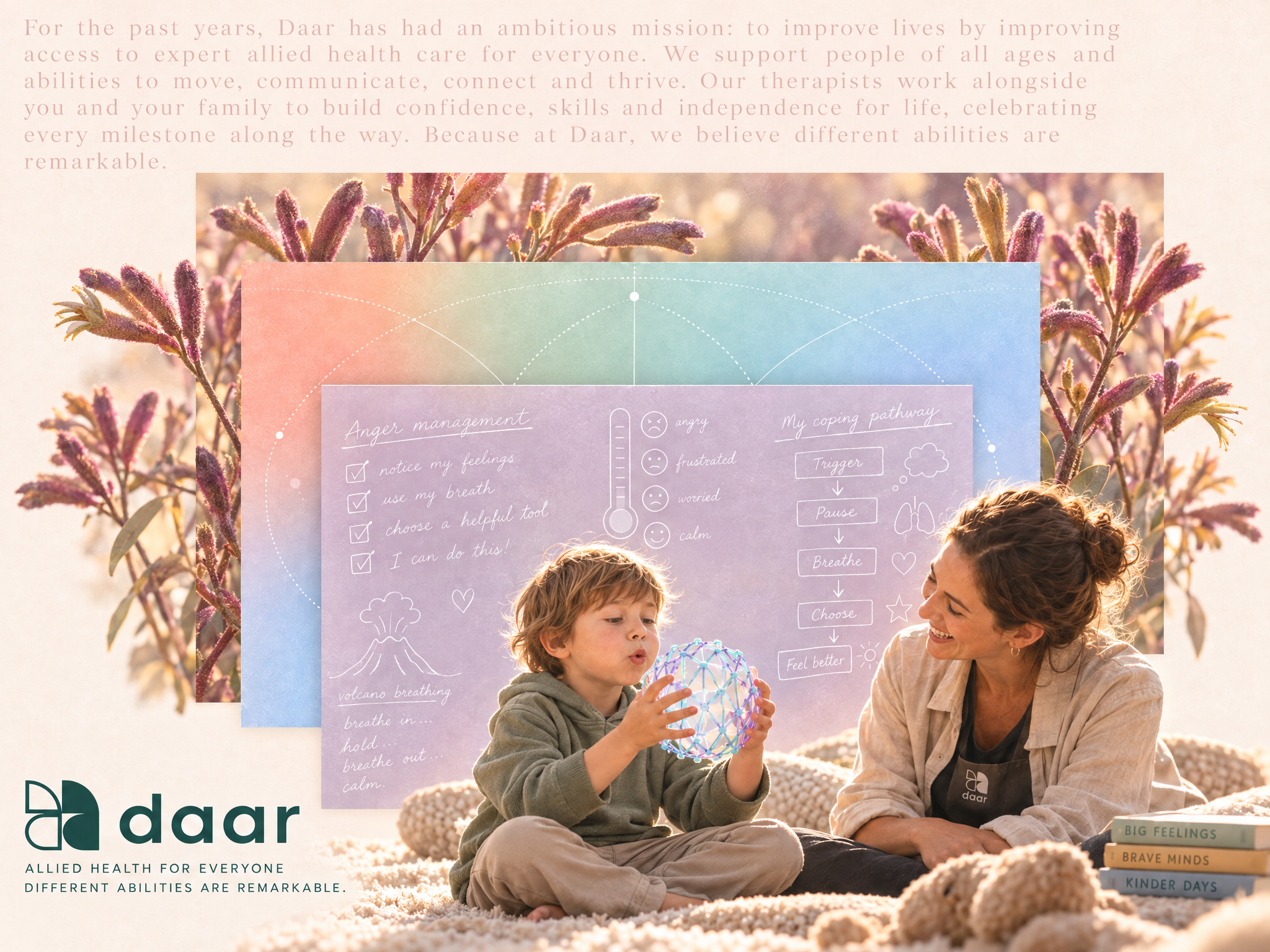
Visual aids can make coping easier because children do not have to remember every step when upset. A picture, chart, or cue card gives them a quick reminder of what calm looks like and what to do first when anger rises.
Useful reminders at home may include:
- an anger thermometer showing levels from 1 to 10
- a small poster with deep breathing steps
- a checklist that starts with “pause” and “drink of water”
- pictures of coping tools in a calm-down area
Place these reminders where your child can see them often. Repetition helps the brain connect the picture to the skill. Over time, visual aids turn abstract ideas into clear actions, which can be especially helpful when anger makes thinking feel harder.
Conclusion
In conclusion, managing anger in children is a multifaceted approach that requires understanding, patience, and consistent effort. By recognising the signs of anger and employing effective strategies, parents can create a nurturing environment that promotes emotional regulation. Techniques such as calming strategies, creative outlets, and practical coping skills can empower children to express their feelings constructively. Remember, ongoing communication about emotions and setting clear boundaries plays a critical role in guiding your child through their anger.
If you're ready to take proactive steps toward fostering emotional well-being in your child, consider reaching out for a consultation or call daar at 02 9133 2500 to explore tailored strategies and support.
Frequently Asked Questions
What are the best anger management techniques for children at home?
The best anger management techniques at home are simple and consistent: deep breaths, naming feelings, taking a break, using movement, and practicing calm-down routines. These coping strategies support mental health and emotional regulation, especially when children rehearse them during calm moments instead of only during conflict.
How can parents help kids regulate emotions during anger outbursts?
Parents help kids most by staying calm, validating the feeling, and guiding one small step at a time during anger outbursts. Clear limits, repeated coping skills, and simple emotion regulation strategies teach safer responses. Praising positive behaviour after recovery also makes those calmer choices more likely to happen again.
When should parents seek professional therapy for anger issues?
Consider professional help when anger issues become frequent, intense, aggressive, or start affecting school, friendships, or home life. Other warning signs include depression, anxiety, or destructive behaviour. A therapist, school psychologist, or psychiatrist can offer specialist help and guide families toward the right sources of help.
.svg)




.svg)