
.png?width=48&height=48&name=Group%201%20(3).png)























8 October, 2026

Paediatric Exercise Physiology: Boosting Children's Health
Physical activity is widely celebrated as a pillar of childhood development, but for many children, participating in standard physical education or community sports can be incredibly challenging. Whether a child is navigating a neurodevelopmental condition like Autism or ADHD, dealing with a chronic illness, or struggling with gross motor delays, standard exercise programs often fall short of meeting their unique needs.
This is where the specialised field of Paediatric Exercise Physiology steps in. In Australia, Accredited Exercise Physiologists (AEPs) are university-qualified allied health professionals who use clinical exercise interventions to prevent and manage chronic conditions, injuries, and disabilities. By tailoring movement to the individual child, these practitioners are boosting physical and emotional health in profound ways.
The Clinical Power of Prescribed Movement
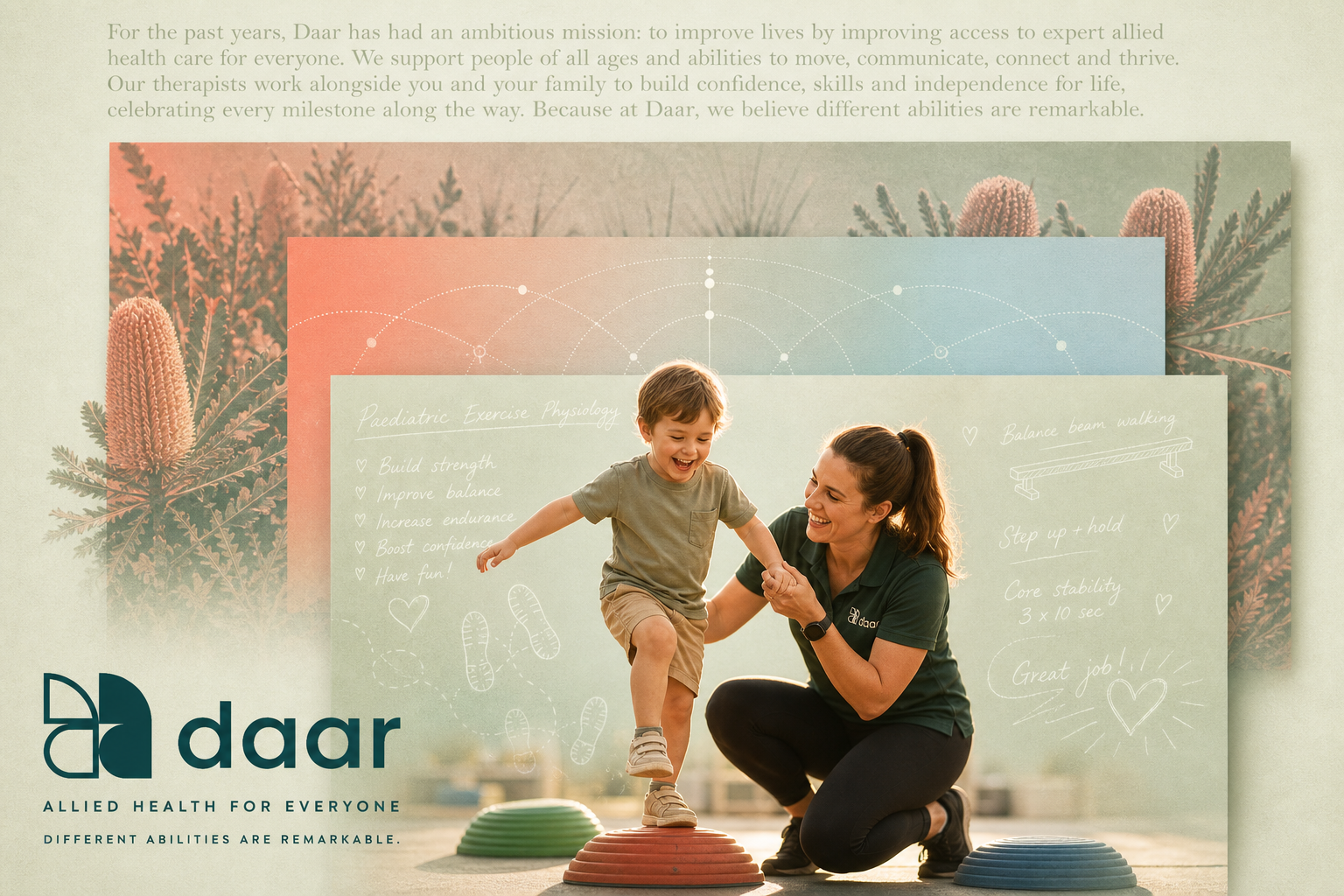
Unlike a personal trainer or a general sports coach, a paediatric exercise physiologist understands the complex intersection of biomechanics, chronic disease, and neurodevelopment. They do not just encourage a child to move; they prescribe specific, therapeutic exercises designed to achieve clinical goals. This might involve aquatic therapy in a heated pool, play-based strength training in a sensory-friendly gym, or coordination drills designed to improve balance and proprioception.
For children experiencing gross motor delays or hypotonia (low muscle tone), these targeted interventions build the core strength required for everyday tasks, such as sitting comfortably at a school desk or navigating a Playground safely. By mastering these physical skills in a supportive, non-competitive environment, children experience a massive boost in their self-confidence and willingness to participate in community activities.
Supporting Neurodivergent Children
Paediatric exercise physiology has become a cornerstone of neurodiversity-affirming care in Australia. For autistic children or those with ADHD, exercise is heavily linked to emotional regulation. Structured, heavy-work activities—such as pushing, pulling, or climbing—provide deep proprioceptive input that helps calm an overwhelmed nervous system.
Furthermore, AEPs are highly trained in adapting their communication styles and modifying the clinic environment. They understand that a child might need visual schedules to process the session plan, or that loud music and bright lights might cause sensory overload. By creating a safe, highly individualised space, the exercise physiologist ensures that movement becomes a tool for nervous system regulation rather than a source of anxiety.
Navigating Australian Funding Pathways
Accessing clinical exercise physiology in Australia is supported by several established funding pathways designed to make allied health services accessible to the families who need them.
The National Disability Insurance Scheme (NDIS) is a primary funding avenue for children with a diagnosed disability or developmental delay. Under the NDIS, exercise physiology is typically funded through the "Capacity Building" budget, falling under either "Improved Health and Wellbeing" or "Improved Daily Living." This funding allows families to engage an AEP to help their child build the physical capacity required to achieve their broader life goals.
For children who do not qualify for the NDIS, the Medicare system offers crucial support. A General Practitioner (GP) or Paediatrician can write a Chronic Disease Management (CDM) plan for a child with a chronic medical condition or complex care needs. This plan provides Medicare rebates for up to five allied health sessions per calendar year, which can be allocated to an Accredited Exercise Physiologist to kickstart a therapeutic movement program.
By bridging the gap between healthcare and physical activity, paediatric exercise physiology ensures that every child has the opportunity to build strength, regulate their emotions, and experience the joy of movement on their own terms.
Official References
National Disability Insurance Scheme (NDIS)
.svg)




.svg)