
.png?width=48&height=48&name=Group%201%20(3).png)























7 October, 2026

Why Paediatric Behaviour Therapy is the Key to Unlocking Your Child’s Emotional Growth
For generations, the phrase "behaviour management" conjured up images of time-outs, stern discipline, and rigid reward charts. The overarching goal was simple: make the child comply.
However, a quiet revolution has taken place in Australian clinics, schools, and homes. Leading paediatric psychologists, occupational therapists, and behaviour support practitioners have fundamentally changed their approach. Today, Paediatric Behaviour Therapy isn't about controlling a child; it is about unlocking their capacity for deep, lifelong emotional growth.
By shifting the focus from fixing the behaviour to understanding the emotion driving it, Australian therapists are helping children build the resilience they need to thrive.
The Foundation: Understanding the Brain
To unlock emotional growth, therapists first help parents understand early childhood brain development. Young children—especially those who are neurodivergent (such as those with Autism or ADHD) or those who have experienced early trauma—often operate from the "survival" part of their brain.
When a child is in this state of fight-or-flight, reasoning with them is biologically impossible. Modern behaviour therapy recognises that a meltdown is not a calculated act of defiance, but a nervous system crying out for help. Emotional growth can only happen when a child feels safe, understood, and regulated.
Key Strategies Used by Australian Therapists
So, what does this look like in practice? Here is how modern paediatric behaviour therapy unlocks emotional development:
1. Moving from Co-Regulation to Self-Regulation
Children do not naturally know how to calm down. They learn to self-regulate by absorbing the calm energy of the adults around them—a process called co-regulation. Therapists spend significant time coaching Australian parents on how to be a "safe harbour" during a storm. As parents practice consistent co-regulation, the child's brain slowly builds the neural pathways required to eventually self-regulate independently.
2. Play-Based Emotional Exploration
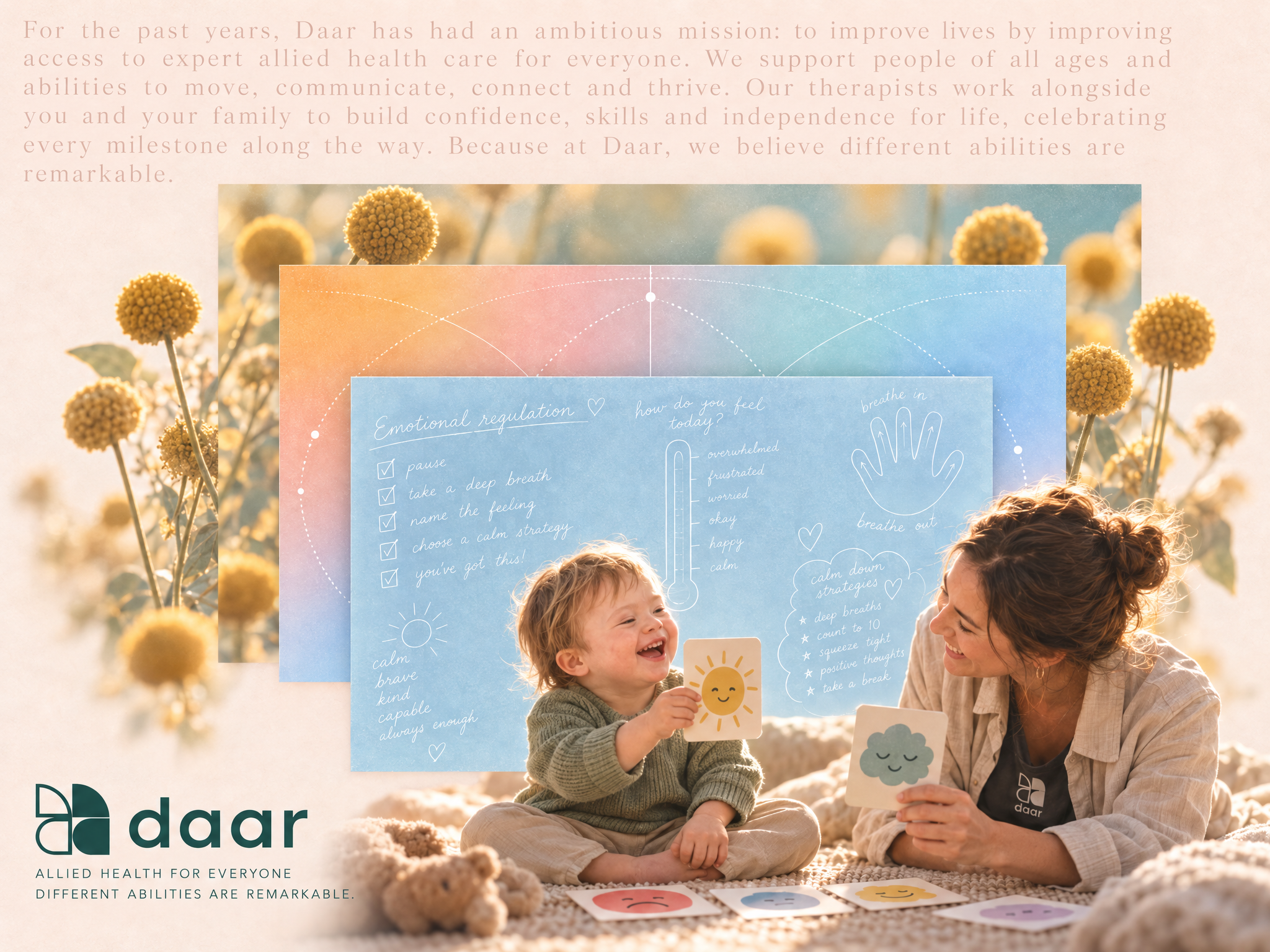
Play is the natural language of children. Rather than sitting a young child in a chair and asking them how they feel, therapists use play-based interventions. Through drawing, role-playing with toys, or using sensory tools, children learn to identify their feelings. They build an emotional vocabulary, moving from a broad sense of "I feel bad" to specific identifiers like "I feel frustrated" or "I feel lonely."
3. Environmental Accommodations
Sometimes, a child's behaviour is a direct response to an environment that is overwhelming. A paediatric behaviour therapist works not only with the child but with their ecosystem—including childcare centres and schools. By recommending sensory breaks, visual schedules, or quieter workspaces, therapists reduce the child's daily stress load, giving them the mental space required for emotional and social growth.
Accessing Paediatric Support in Australia
For Australian families, accessing this vital support early is heavily encouraged and supported by national frameworks:
- The NDIS Early Childhood Approach: Designed for children under 9 with a developmental delay or disability, this NDIS pathway provides funding for Capacity Building supports. This allows families to build a team of allied health professionals (like psychologists, speech pathologists, and OTs) to foster the child's emotional and functional growth.
- Medicare Pathways: For children who do not qualify for the NDIS but need emotional and behavioural support, a GP or Paediatrician can provide a Mental Health Treatment Plan (MHTP). This plan subsidises up to 10 allied health sessions per calendar year to help children navigate anxiety, emotional regulation, and behavioural challenges.
Unlocking a child's emotional growth is not a quick fix, nor is it a linear journey. But by embracing modern, empathetic behaviour therapy, we are doing much more than surviving the toddler and primary years. We are raising a generation of Australians who are self-aware, emotionally intelligent, and deeply resilient.
Official References
.svg)




.svg)