
.png?width=48&height=48&name=Group%201%20(3).png)























7 October, 2026

Empowering Aussie Kids: A Guide to Specialised & Positive Behaviour Support
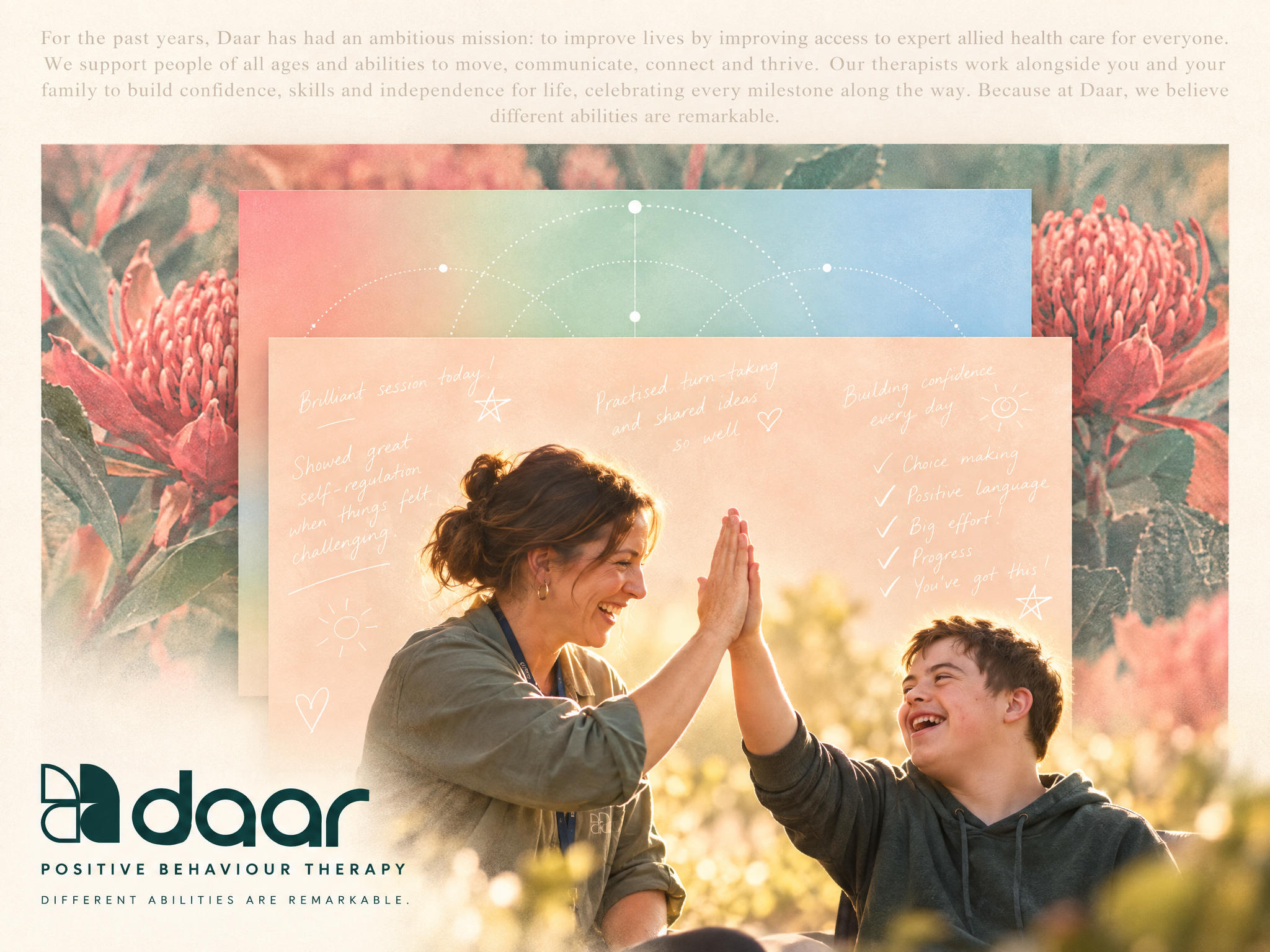
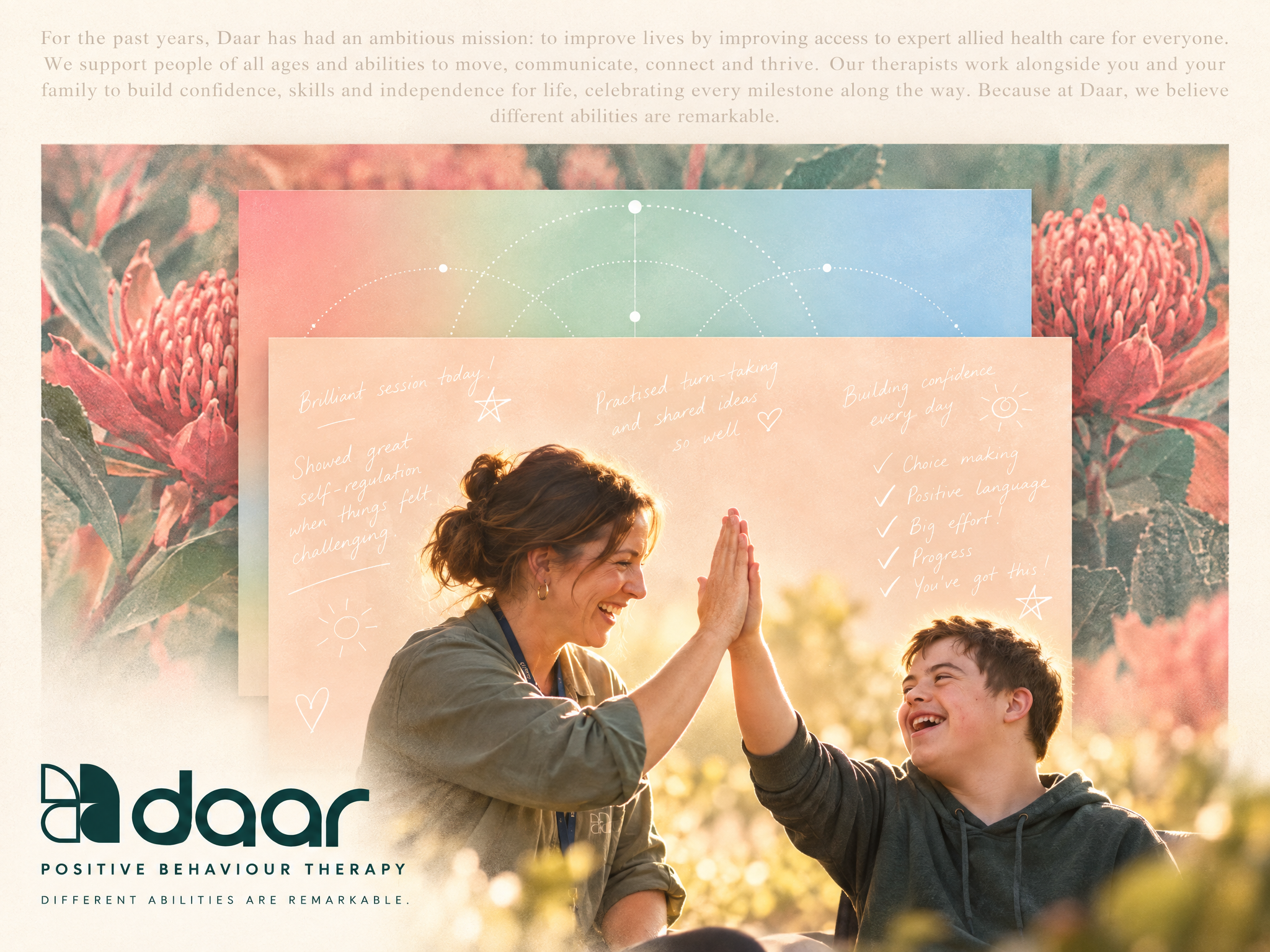
Parenting is a beautiful, complex journey, but when a child consistently displays challenging or unsafe behaviours, it can leave families feeling exhausted and isolated. Historically, systems often focused on compliance or punishment to manage these situations. Today, Australia is embracing a far more compassionate, highly effective, and evidence-based approach: Specialised and Positive Behaviour Support (PBS).
Backed strongly by the National Disability Insurance Scheme (NDIS) and leading paediatric experts, PBS is transforming how we support neurodivergent children and those with developmental disabilities.
But what makes this support "specialised," and how does it actually work in an Australian context?
What is Positive Behaviour Support (PBS)?
At its core, Positive Behaviour Support is an evidence-based framework designed to improve a child’s quality of life and decrease the frequency and severity of challenging behaviours.
PBS operates on a foundational truth: All behaviour is a form of communication.
When a child lashes out, runs away, or experiences severe meltdowns, a PBS practitioner doesn't ask, "How do we stop this bad behaviour?" Instead, they ask, "What is this child trying to tell us?" Is the classroom too loud? Are they in pain? Do they lack the communication skills to say they are overwhelmed?
By understanding the "why" behind the behaviour, practitioners can change the child's environment to remove triggers and teach the child new, safe ways to communicate their needs.
Why "Specialised" Support Matters
Under the NDIS, behaviour support is often categorised as Specialist Behaviour Support. This distinction is crucial. It means the support is highly tailored and delivered by registered, qualified professionals who have specific expertise in complex behavioural needs.
Here is what Specialised PBS involves:
- Functional Behaviour Assessments (FBA): Practitioners spend time observing the child at home, at school, or in the community. They collect deep, contextual data to uncover the exact function of the behaviour.
- Comprehensive Behaviour Support Plans: Following the assessment, the practitioner writes a highly customised plan. This isn't a generic tip-sheet; it is a clinical document outlining proactive strategies (how to prevent the behaviour), teaching strategies (new skills to learn), and reactive strategies (how to safely respond if a meltdown occurs).
- Eliminating Restrictive Practices: A major focus of the NDIS Quality and Safeguards Commission is the reduction and elimination of restrictive practices (such as physical restraint or seclusion). Specialised PBS provides safe, rights-affirming alternatives to keep children and families safe.
A Team Effort: Building Family Capacity
One of the greatest strengths of Specialised PBS is that it doesn't just treat the child in a vacuum. It is a collaborative, family-centred approach.
Australian practitioners work closely with parents, siblings, teachers, and support workers. By coaching the "team" around the child, everyone learns how to respond consistently. This capacity-building empowers parents, giving them confidence and practical tools to support their child during difficult moments.
Accessing PBS Through the NDIS
For Australian children who are NDIS participants, Specialised Behaviour Support is typically funded under the Capacity Building: Improved Relationships category of their NDIS plan.
To access this funding, families usually need to demonstrate that the child's behaviours are significantly impacting their daily life, learning, or social participation, or posing a risk to themselves or others. Your NDIS Local Area Coordinator (LAC), Early Childhood Partner, or Support Coordinator can assist in requesting this essential funding during a plan review.
The Bottom Line
Specialised and Positive Behaviour Support is not a quick fix, but it is a lasting one. It shifts the focus away from fixing a "problem child" and towards creating a world that understands and supports them. For Australian families, PBS provides a roadmap to less stress, greater independence, and a much brighter future for their kids.
Official References:
Homepage | NDIS Quality and Safeguards Commission
National Disability Insurance Scheme (NDIS)
.svg)




.svg)