
.png?width=48&height=48&name=Group%201%20(3).png)























21 August, 2026

Autism Support for Children: Navigating NDIS Benefits
Key Highlights
- The National Disability Insurance Scheme offers autism support for young children based on their support needs and goals.
- An NDIS plan can include early intervention, therapy, daily living help, and community access support services.
- Eligibility usually depends on age, residency, and whether autism is considered a permanent disability.
- Families need reports from health professionals to show a child’s needs and necessary supports.
- Family support matters because parents and carers often need guidance, respite, and consistent services.
- Registered providers can deliver tailored support services that build skills, routine, and independence.
Introduction
For families of young children on the autism spectrum, finding the right help can feel overwhelming at first. The National Disability Insurance Scheme can make that path clearer by funding services that support communication, daily routines, and participation at home, school, and in the community. If you are trying to understand what is available, this guide explains how the system works, who may qualify, and what steps can help you secure practical support for your child.
What is the NDIS and How Does it Support Children with Autism?
The National Disability Insurance Scheme is Australia’s main disability insurance scheme for people with a permanent impairment or disability. For children on the autism spectrum, it can fund services that match their support needs and help them take part in everyday life more confidently.
Support may include therapy, daily living assistance, community participation, and early intervention. Health professionals and providers use a child’s needs, goals, and current challenges to shape the right plan. To understand that better, it helps to look at the program’s core principles and the services it can fund.
Key Principles of the NDIS Program
The disability insurance scheme centers on individual needs, so support is tailored—not one-size-fits-all. Each child’s plan considers their challenges, strengths, goals, and the help needed to improve participation at home, school, and in the community.
Choice and control are also key. While the National Disability Insurance Agency oversees the system, families can choose providers that fit their child’s routines, communication style, and cultural background, making support more personal and effective.
The program prioritizes long-term outcomes. Funding aims to foster development, independence, and quality of life—not just short-term solutions. For children with autism, this includes building communication, social confidence, regulation, and daily living skills in ways that suit real life.
Overview of NDIS Autism Funding and Services
NDIS autism support covers a range of services linked to a child’s needs and goals. After an autism diagnosis, families can seek funding for therapy, personal support, skill building, and help with social and community participation—based on the child’s NDIS plan.
Providers offer daily assistance, therapies, transport, life skill development, and community support. For young children, early intervention and family-centered supports are key for building routines and everyday participation.
|
Support Area |
Examples of Funded Services |
|---|---|
|
Therapy Supports |
Speech therapy, occupational therapy, physiotherapy, behavioural support, psychology |
|
Daily Living Help |
Personal care, meals, appointments, household tasks |
|
Participation |
Community access, social interaction, recreation, travel support |
|
Skill Building |
Communication, organization, hygiene, independence, new routines |
Eligibility Criteria for NDIS Autism Support
The eligibility criteria for autism support under the NDIS usually include age, residency, and disability-related impact. A child must generally be under 65, live in Australia, and have a condition that is considered a permanent disability and affects everyday functioning.
Autism is often treated as likely eligible, though some children may need more evidence than others. Families often work with disability services providers, therapists, and assessors to show how autism affects daily life. The next section breaks down what that can look like for children specifically.
Determining Eligibility for Children on the Autism Spectrum
Eligibility for children on the autism spectrum is based on age, diagnosis, and how much autism affects daily life. Children diagnosed with autism may qualify if the condition significantly impacts everyday tasks or participation. Those under seven can access early intervention support.
Residency is required; applicants must live in Australia as citizens or hold a Permanent or Protected Special Category Visa. The scheme is for people under 65.
The focus is on functional needs, not just diagnosis. NDIS participants with Level 1 autism may need extra documentation, while Level 2 or 3 diagnoses are more likely to qualify. If mental health or other issues are present, families should provide a clear picture of all support needs.
Steps to Apply for NDIS Funding for Autism Support
Applying for NDIS autism support starts with understanding your child’s diagnosis, daily challenges, and goals. The process becomes easier when you gather clear evidence from health professionals and map out the necessary supports your child uses now or may need soon. This helps the NDIS see the real impact on family life and development.
You do not need to guess every detail on your own. Families can speak with an ECEI partner, LAC, provider, or support team to review what should go into an NDIS plan and what information is still missing.
- Gather reports that explain the diagnosis and daily impact.
- Ask health professionals to recommend necessary supports.
- List your child’s goals, routines, and current challenges.
- Submit the application and prepare for planning discussions.
Once that is done, the next challenge is handling the application process smoothly and presenting the right evidence.
Navigating the NDIS Application Process
The NDIS application process can feel detailed, but it becomes more manageable when you break it into steps. Families usually begin by discussing a child’s needs with local supports and then collecting reports that explain diagnosis, development, and the role of early intervention.
At times, the National Disability Insurance Scheme may ask for additional information, especially when more evidence is needed to show functional impact. Being prepared makes a big difference. The next two sections cover what documents to gather and how to approach the planning meeting with confidence.
Required Documentation and Evidence for Application
Strong evidence helps connect a diagnosis of autism to the practical support a child needs every day. Reports should show how autism affects communication, behaviour, learning, routines, sensory processing, and participation. This is especially important in early childhood, where early support can shape later progress.
Families should aim for documentation from trusted health professionals who know the child well. The clearest applications explain both the diagnosis and the necessary supports, not just the name of the condition. When evidence is specific, it is easier to understand why funding is needed.
- Diagnostic reports confirming autism
- Therapy or assessment reports from health professionals
- Notes on daily challenges at home, school, or in the community
- Recommendations for necessary supports and early intervention services
Good paperwork sets the foundation, but the planning meeting is where you explain how those needs affect daily family life.
Tips for a Successful NDIS Planning Meeting
An NDIS planning meeting lets you explain your child’s daily life. Be honest, clear, and practical—share details about good days, tough days, and transitions. If your family provides significant care, mention it; this shapes the final NDIS plan.
Describe how support can reduce stress, build skills, and improve stability. Clearly note sensory triggers, communication barriers, mental health issues, or behavioural needs. Detailed information influences future funding.
- Bring reports, goals, and daily examples.
- Explain which supports work and what’s missing.
- Include effects on family routines.
- Focus on outcomes like communication, regulation, and independence.
Once the plan is set, explore available support options for children with autism.
Types of NDIS Supports for Children with Autism
NDIS supports for children with autism can cover many practical areas, from therapy to help with daily routines and social participation. Core supports may assist with daily activities, transport, and community access, while other categories focus on skill development and capacity building.
For young children, early intervention is often a key part of the picture. Support services may also help parents and carers understand a child’s needs and build better routines at home. To make this clearer, let’s look at therapeutic supports first, then educational and community options.
Therapeutic Supports (Occupational, Speech, and Behavioural Therapy)
Therapy is a common NDIS-funded support for autism. Occupational therapy addresses sensory needs, motor skills, and daily participation. Speech pathology helps with communication, language development, and alternative ways to express needs when speech is limited.
Behavioural and psychology-based supports may be provided for emotional regulation, social skills, or behaviours affecting participation. Positive behaviour support is also available under NDIS when consistent routines and responses are needed.
These services are typically delivered by allied health professionals working as a team—a valuable approach since many autistic children have overlapping needs. Well-tailored therapy can boost confidence and make life at home and school easier.
Educational and Community Participation Programs
Beyond therapy, children benefit from educational programs and supports that help them participate in everyday settings. These include school services, early childhood groups, holiday programs, school readiness activities, and group learning—all of which build confidence in structured and social environments.
Community participation is also key for social interaction, recreation, and routines outside the home. Some providers offer guided outings, mentoring, and support to help children join local activities more easily. Over time, this boosts confidence and quality of life for both children and families.
- School readiness and early childhood group programs
- Holiday and skill-building group activities
- Community access support for outings and recreation
- Support groups and family-focused programs
Awareness is only the first step—families also need guidance on finding local providers and comparing options.
Finding and Accessing Local Autism Support Services
Finding the right local support services often starts with your child’s goals. Some families need therapy. Others need respite, community access, help at home, or a provider that understands sensory and communication differences. The best autism support services are the ones that match your child’s support needs well and deliver them consistently.
Across Australia, families can look at registered providers, clinics, and disability services providers with experience in autism. Service quality, responsiveness, staff consistency, and flexibility all matter. The next sections look at registered NDIS providers and community-based options in more detail.
Registered NDIS Providers for Autism in Australia
A registered NDIS provider can offer structure, compliance, and a broad service range for families seeking autism support. In the compiled information, providers such as Maple Community Services and Early Start Australia present different strengths. Some focus on support workers, daily living help, and community access, while others focus heavily on therapy and assessment.
When comparing disability services providers, look at how they respond to support needs in real life. Ask about consistency, training, age groups served, and whether they support early childhood, school-aged children, young people, or families needing more complex care. Availability in your area matters too.
|
Provider type |
What they may offer |
|---|---|
|
Registered support provider |
Personal care, transport, household help, community participation, life skills, 24/7 support |
|
Therapy clinic provider |
Speech, occupational therapy, psychology, assessments, group programs, school supports |
|
Multidisciplinary provider |
Combined therapy, planning support, regular updates, family-centered services |
Community-Based Programs and Resources
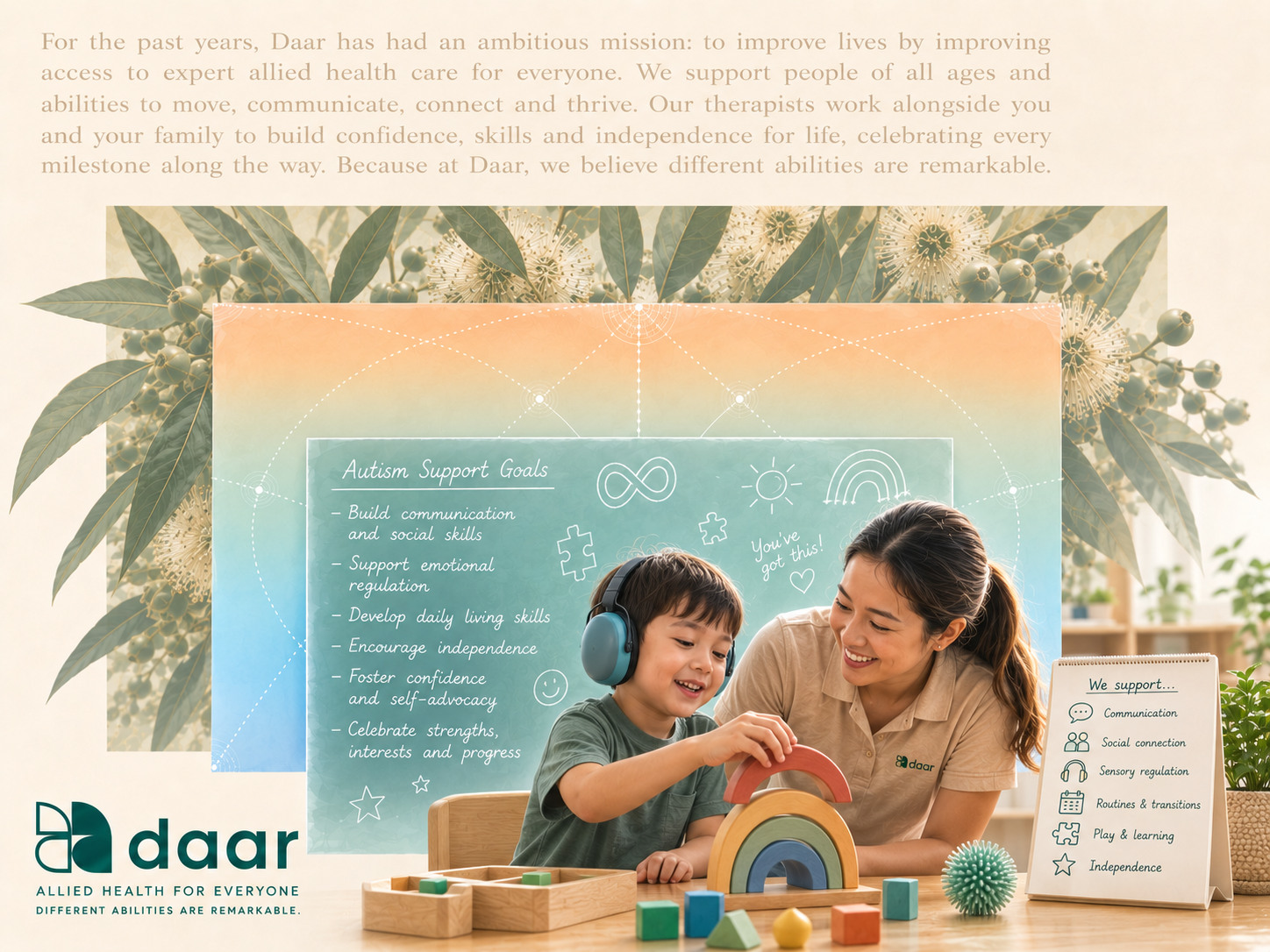
Community-based programs can add another layer of support beyond one-on-one services. They may help children practice skills in real settings and give families a sense of connection. Group activities, family-centered supports, and local networks can be especially helpful when a child has sensory needs or needs gradual exposure to new places.
Families can also look for support groups, autism association resources, and community activities that focus on social learning, school readiness, or holiday participation. These options may not replace therapy, but they can reinforce routines and reduce isolation for parents and carers.
- Parent and carer support groups
- Community-based programs for social and recreation skills
- Autism association information and referrals
- Family support linked to sensory-friendly activities
Once you know what services exist, the next step is making choices that fit your child’s plan, your schedule, and your long-term goals.
Conclusion
Navigating the NDIS can seem overwhelming, especially when seeking support for children with autism. However, understanding the NDIS framework, eligibility requirements, and available services can empower you to access vital resources that enhance your child's development. By familiarizing yourself with the application process and knowing how to leverage local support services, you can ensure that your child receives the best possible care. Remember, you're not alone on this journey.
For more personalized guidance, don’t hesitate to reach out for a consultation or call daar at 02 9133 2500. Together, we can navigate the path to securing the support your child deserves.
Frequently Asked Questions
How do parents apply for autism funding via the NDIS?
Parents usually start by gathering reports that confirm the diagnosis of autism and explain daily challenges. Evidence from health professionals should outline support services and early intervention needs. From there, families can submit an application, provide extra details if needed, and discuss the right NDIS autism support during planning.
What does the NDIS funding cover for children with autism?
NDIS funding may cover core supports, therapy, transport, community access, and help with daily activities. It can also support children in building new skills such as communication, social confidence, and independence. The exact funding depends on the child’s unique needs, goals, and how autism affects everyday life.
How does Autism Queensland assist with NDIS and autism support?
Autism Queensland can assist by helping families understand autism support options, connect with services, and respond to changing support needs. This kind of guidance may help reduce stress around family life, improve access to practical help, and support children whose needs also affect wellbeing or mental health.
.svg)




.svg)