
.png?width=48&height=48&name=Group%201%20(3).png)























1 October, 2026

Specialised Behaviour Support (SBS) and Positive Outcomes
Key Highlights
- Specialised behaviour support gives ndis participants structured support services for complex behaviours of concern.
- A behaviour support plan uses positive behaviour strategies to reduce harm and build new skills.
- Support starts with assessment, then moves into practical teaching, coaching, and regular review.
- Positive behaviour support looks at unmet needs, triggers, and communication, not just the behaviour itself.
- Restrictive practices are tightly regulated and should only be used as a last resort.
- Good support aims to improve safety, independence, and everyday quality of life.
Introduction
Specialised behaviour support helps children and teens with disabilities when behaviours of concern affect safety, learning, or daily life. Under the National Disability Insurance Scheme, this service gives families access to expert guidance, practical strategies, and ongoing coaching. Positive behaviour support sits at the heart of this process. It focuses on understanding why behaviour happens and how to build safer, more helpful responses, including essential social skills. When done well, support is not only about reducing incidents. It is about helping your child grow, participate, and feel understood.
Defining Specialised Behaviour Support (SBS) and Its Importance
Specialised behaviour support is intensive, expert help for people with disabilities who show persistent or significantly harmful behaviours of concern. It is used when standard behaviour management is not enough and a more detailed, long-term response is needed. The aim is to understand what is driving the behaviour, including triggers, communication barriers, unmet needs, and challenges with emotional regulation related to mental health.
In practice, this support leads to a formal support plan that incorporates Applied Behaviour Analysis (ABA) tailored to the person’s needs, goals, and daily environments. Instead of only reacting when behaviour happens, the plan uses proactive strategies, teaches safer alternatives, and guides the people around the child on what to do. That is why specialised behaviour support matters. It can reduce harm, strengthen daily participation, and improve the person’s overall quality of life in a respectful way.
Core Principles of SBS in Australia
In Australia, specialised behaviour support is built on person-centered, evidence-based care. The goal is not control. The goal is better quality of life, safer routines, and support that respects dignity and inclusion. This is why family members and families are involved from the start.
Practitioners delivering these support services should have practical skills and be appropriately qualified and approved under NDIS requirements. The compiled information highlights experienced Behaviour Support Practitioners approved by the NDIS Quality and Safeguards Commission, with ongoing training and supervision. Their work should align with the positive behaviour support capability framework and strong NDIS quality standards.
Core principles include:
- understanding the reasons behind behaviour
- using positive, proactive strategies first
- reducing and eliminating restrictive responses where possible
- collaborating with family, school, and other supports
- reviewing progress through regular monitoring
When these foundations are in place, support becomes safer, clearer, and more effective.
Positive Outcomes Enabled by Specialised Behaviour Support
The best outcomes come from plans that do more than just stop challenging behaviour—they teach children better ways to learn, communicate, and cope with the help of speech therapists. Specialised behaviour support and therapy can make a real difference.
Over time, this support builds independence and confidence by teaching practical alternatives, rather than relying on constant correction. It also helps families, schools, and caregivers respond more consistently.
Positive results include:
- fewer high-risk incidents at home, school, and in the community
- stronger communication and emotional skills
- better participation in daily routines and learning
- more confident caregivers using effective strategies
These changes may be gradual but lead to lasting improvements in safety, stability, and daily life.
Understanding Positive Behaviour Support (PBS)
Positive behaviour support is an evidence-based, person-centered approach to understanding challenging behaviour. Rather than focusing on punishment or quick fixes, it looks at why the behaviour happens and what the person may be trying to communicate or avoid.
A behaviour support practitioner uses behaviour therapy to create strategies that build positive behaviour over time. That may include changing environments, teaching communication, and helping families respond more consistently. PBS is practical, respectful, and designed to create safer patterns that last.
How PBS Complements SBS
A simple way to think about it is this: positive behaviour support is the method, while specialised behaviour support is the funded service used for more complex needs. SBS uses PBS principles to shape assessment, planning, and ongoing coaching. So they work together, not against each other.
That matters because families and support workers need more than theory. They need practical strategies they can use in real situations at home, school, and in the community. PBS gives SBS its day-to-day tools, while SBS gives PBS a formal structure under the NDIS.
Together, they help by:
- guiding support networks to respond consistently
- identifying triggers and helpful adjustments
- teaching safer replacement skills
- building shared routines across settings
This link makes support more realistic and more useful in everyday life.
Key Differences Between SBS and PBS
Even though the terms are closely connected, they are not identical. Positive behaviour support describes the approach. Specialised behaviour support refers to the service delivered when a person needs intensive behaviour support services for complex or persistent concerns.
Another key difference is the level of formality. SBS often includes comprehensive assessment, a documented plan, and stronger oversight, especially where restrictive practices may be involved. PBS shapes how those decisions are made by keeping the focus on dignity, prevention, and skill building.
|
Area |
PBS |
SBS |
|---|---|---|
|
Main meaning |
An approach to support positive change |
A funded service for complex behavioural needs |
|
Focus |
Understanding behaviour and teaching alternatives |
Assessment, planning, coaching, and coordinated intervention |
|
Intensity |
Can guide general support |
Used for higher-level or long-term needs |
|
Restrictive practices |
Aims to reduce them |
May address them within formal oversight requirements |
Both matter, but SBS is the more structured pathway.
Accessing Specialised Behaviour Support Through the NDIS
For many NDIS participants, specialised behaviour support is accessed through the National Disability Insurance Scheme under Improved Relationships funding. This is the category used when someone needs intensive behaviour support services because behaviours of concern are affecting safety, participation, or well-being.
If your child has an active plan, you can discuss these needs with your planner or support team. NDIS funding can then be used to connect with suitable support services, including early intervention support, and begin assessment, planning, and review. The next step is understanding who is eligible and how referrals usually happen.
Eligibility and Referral Pathways
Eligibility is based on need, not just diagnosis. Specialised support is for children and teens whose behaviours significantly impact safety, learning, community participation, or family life. An active NDIS plan is required, even without existing behaviour support funding.
Families can raise concerns with their NDIS planner, Local Area Coordinator, or support team member. If more evidence is needed, providers can help gather information for a review or change request, including behaviour assessment reports and therapy input.
Common referral steps:
- Discuss concerns at plan meetings
- Gather reports on behavioural impact
- Request Improved Relationships funding
- Connect with a provider once approved
This process guides families from concern to action with clear steps.
Navigating NDIS Funding and Provider Selection
Once NDIS funding is available, choosing the right provider becomes the next big step. Families often want someone who understands complex behaviour, communicates clearly, and has strong communication skills to work with schools, caregivers, and support workers practically.
A strong choice is usually a registered provider with practitioners approved by the Safeguards Commission. The compiled information also points to services that are mobile and flexible, which can make a real difference when support needs to happen across home, school, and community settings.
When comparing providers, look for:
- approval under the NDIS Quality and Safeguards Commission
- experience creating and reviewing each support plan
- training for families, schools, and support workers
- evidence-based methods and regular progress reviews
- willingness to coordinate with the wider care team
Good provider selection lays the groundwork for better implementation.
Steps in Implementing a Specialised Behaviour Support Plan
A behaviour support plan works best when it is introduced in clear stages. NDIS providers usually begin with assessment, then move into planning, coaching, and regular follow-up. This step-by-step process helps families understand what to expect and how each strategy fits into daily routines.
Implementation is not only about behaviour management in the moment. It also depends on data collection, skill development, and shared responses across the child’s environments. To see how this works, it helps to start with the assessment process that informs the whole plan.
Functional Behaviour Assessment Explained
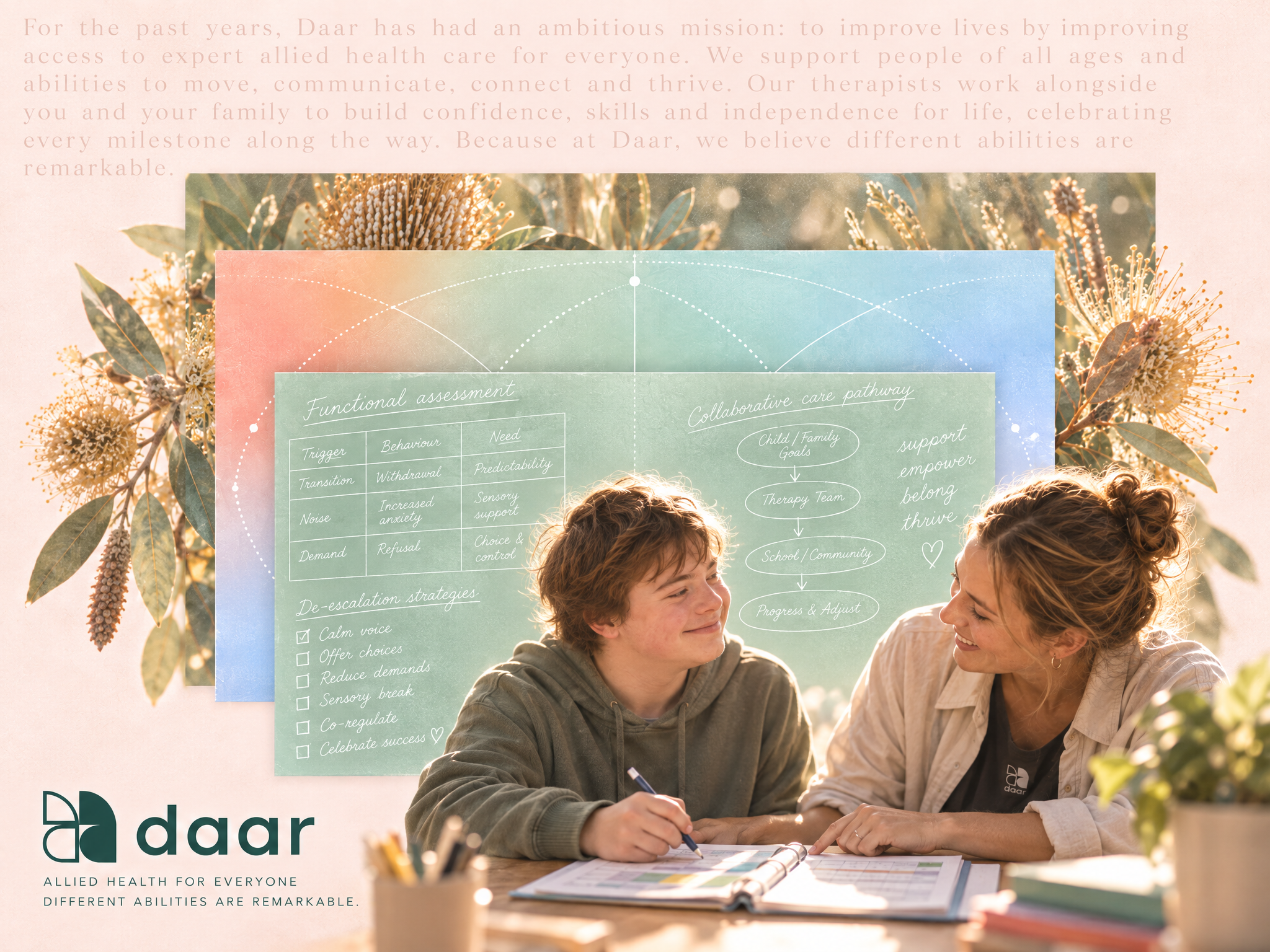
A functional behaviour assessment is the first step to effective support. It’s a structured process for identifying the causes of behaviours by examining what happens before, during, and after incidents—eliminating guesswork and providing a solid foundation for planning.
Practitioners gather information through observation, conversations with family and key individuals, and record reviews. Data collection is crucial for spotting patterns. These findings are summarised in a behaviour assessment report that guides the next steps and informs future interventions.
A functional behaviour assessment typically includes:
- Direct observation in different settings
- Interviews with parents, caregivers, and teachers
- Review of routines, triggers, and responses
- Practical resources for planning and training
This evidence-based approach ensures support is grounded in facts, not assumptions.
Strategies for Individualised Intervention and Monitoring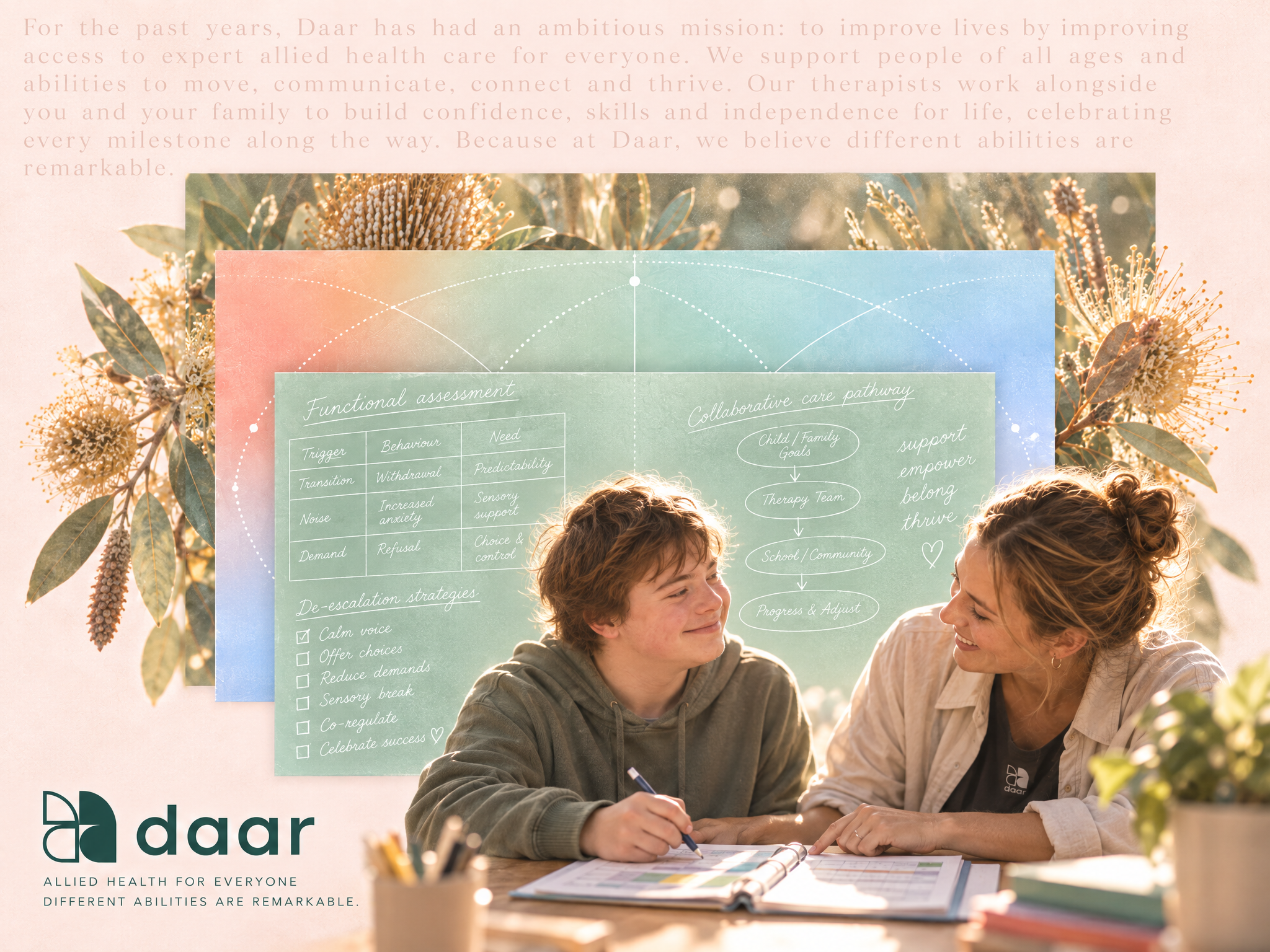
After assessment, the positive behaviour support plan turns findings into action. The plan should match the child’s strengths, communication style, environments, and goals. It needs to be realistic enough for families, schools, and other support networks to use consistently.
Intervention usually focuses on prevention, teaching, and review. That means adjusting triggers where possible, building adaptive behaviour, and coaching adults around the child. Restrictive practices are not a first choice. The compiled information makes clear they are tightly regulated, monitored, and only considered as a last resort within formal oversight.
Common plan elements include:
- practical strategies to prevent triggers
- teaching safer replacement skills
- clear responses if behaviour escalates
- regular monitoring and plan updates
This keeps behaviour management focused on learning, safety, and respect.
Conclusion
In summary, Specialised Behaviour Support (SBS) plays a crucial role in fostering positive outcomes for individuals facing behavioural challenges. By adhering to its core principles and implementing tailored strategies, SBS professionals can effectively address unique needs and enhance overall well-being. Understanding the nuances of SBS and how it aligns with Positive Behaviour Support (PBS) allows for a more comprehensive approach to care. As you navigate the NDIS and explore options for accessing these vital services, remember that support is available to help you through each step.
If you're ready to make a positive change, don’t hesitate to reach out for a consultation or call daar at 02 9133 2500 for guidance and assistance with your SBS needs.
Frequently Asked Questions
What is Specialised Behaviour Support (SBS) and how does it work?
Specialised behaviour support is an NDIS service for participants with complex behaviours of concern. A behaviour support practitioner assesses what is happening, creates a support plan, and guides families and caregivers on behaviour management. For NDIS participants, it offers a structured way to reduce harm and teach safer alternatives.
How can SBS contribute to positive outcomes for individuals with behavioural challenges?
SBS uses positive behaviour support to improve daily routines, teach communication, and strengthen emotional coping. Through capacity building and skill development, it helps children replace unsafe actions with positive behaviour. Over time, this can improve participation, reduce stress at home and school, and support a better quality of life.
What types of professionals are involved in providing Specialised Behaviour Support?
Support for child development is usually led by a behaviour support practitioner working through a registered provider. Depending on the child’s needs, support workers, school staff, and other therapy services may also be involved. Practitioners may come from fields such as psychology or social work and collaborate closely with the wider care team.
.svg)




.svg)