Applied Behaviour Analysis (ABA) is one of the most researched and widely discussed therapeutic frameworks in the world of early childhood intervention. For families navigating an autism diagnosis in Australia, ABA is often brought up as a primary support option funded under the National Disability Insurance Scheme (NDIS).
However, the landscape of ABA has undergone a massive transformation. Modern Australian practices look vastly different from the rigid, compliance-based programs of the past. Today, leading clinics have integrated neurodiversity-affirming principles to ensure therapy supports a child’s development while honouring their authentic self. Here is a comprehensive look at how modern NDIS-funded ABA works to support Australian children and their families.
The Evolution of ABA in Australia
To understand how ABA supports children today, it is essential to acknowledge its evolution. Historically, traditional ABA often focused on discrete trial training—a highly structured method that sometimes prioritised teaching neurodivergent children to mimic neurotypical behaviours, such as forcing eye contact or suppressing harmless self-soothing movements (stimming).
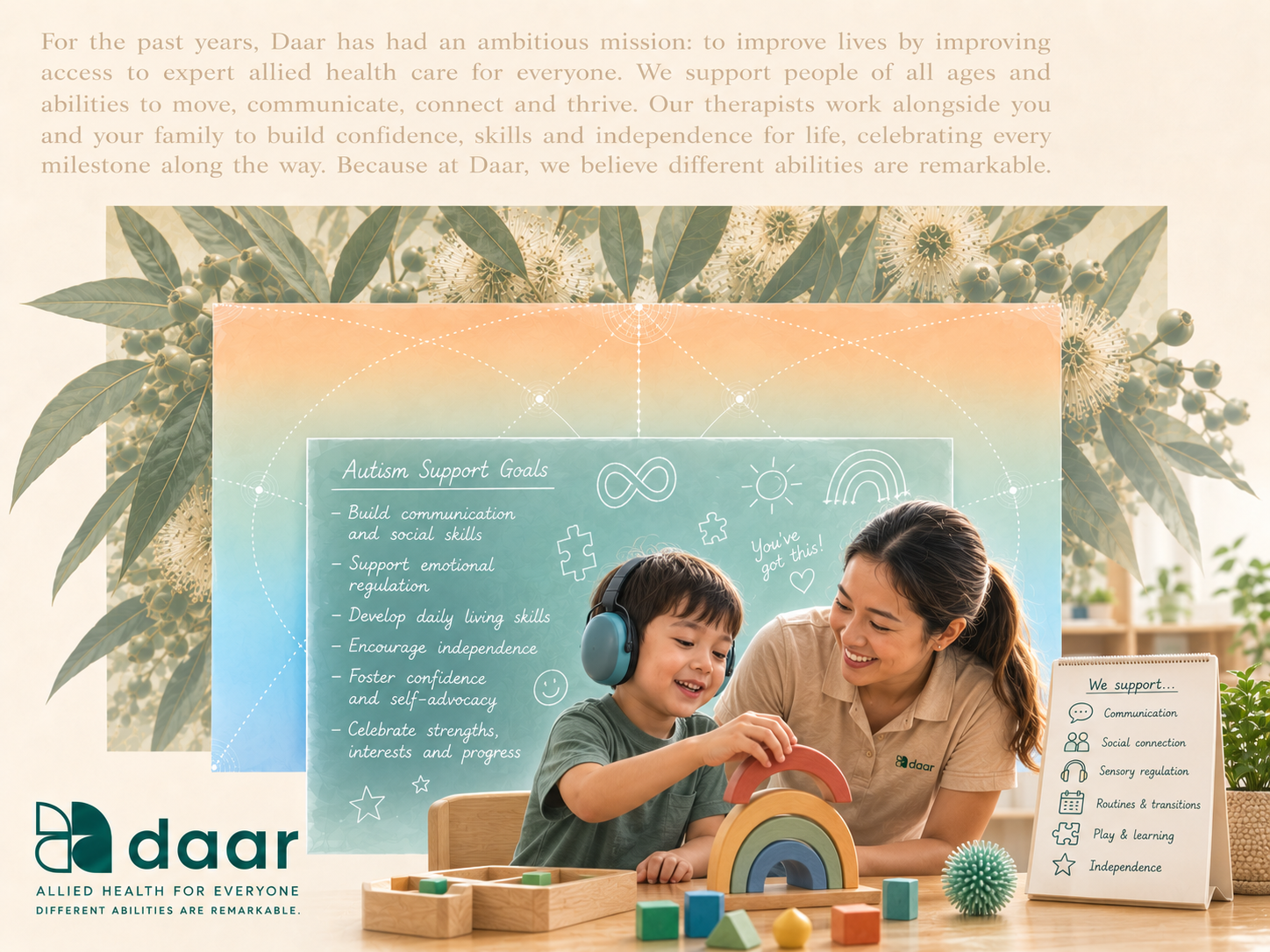
In response to advocacy from the autistic community and updated clinical frameworks like those from Autism CRC, Australian practitioners have largely shifted toward Naturalistic Developmental Behavioural Interventions (NDBIs). Programs such as the Early Start Denver Model (ESDM) are prime examples of this modern approach. Instead of sitting at a desk doing repetitive drills, therapy takes place on the floor, during play, and in the child’s natural environment. The overarching goal is no longer compliance or masking; it is about building functional communication, daily living skills, and emotional regulation in a way that respects the child's neurological differences.
How Modern ABA Supports Child Development
Contemporary ABA therapy focuses on breaking complex life skills down into smaller, manageable steps, using positive reinforcement to help the child master them. One of the primary areas of focus is communication. If a child becomes highly distressed because they cannot express that they are hungry or overwhelmed, an ABA practitioner will work to identify this barrier and introduce effective communication methods, which might include spoken words, sign language, or Augmentative and Alternative Communication (AAC) devices. By giving the child a reliable way to communicate, frustration naturally decreases, and positive engagement increases.
Furthermore, modern ABA is highly play-based and child-led. A skilled practitioner will use the child's existing special interests to motivate them. If a child loves trains, the therapist will use trains to teach sharing, colour recognition, or spatial awareness. Because the learning is embedded in activities the child already enjoys, the therapy feels like play rather than work, fostering a genuine love for learning.
Another critical pillar of NDIS-funded ABA is parent capacity building. Therapists do not work in isolation; they actively train parents and caregivers on how to implement these supportive strategies during everyday routines like mealtime or getting dressed. This ensures that the child's home environment becomes a consistent, supportive space for continuous development.
Accessing NDIS Funding for ABA
In Australia, the NDIS provides funding for evidence-based early childhood interventions that build a participant's capacity and independence. For young children, this is typically accessed through the NDIS Early Childhood Approach. Funding for ABA therapy usually falls under the "Capacity Building – Improved Daily Living" category within a child's NDIS plan.
Because the NDIS requires supports to be value for money and clinically sound, families are encouraged to work with their Early Childhood Partner or Support Coordinator to ensure the therapy provider they choose aligns with neurodiversity-affirming practices. When interviewing potential ABA providers, it is highly recommended that Australian parents ask how the clinic incorporates play, how they support the child's autonomy, and how they ensure that the therapy goals are driven by the family's specific daily needs rather than a rigid curriculum.
By embracing progressive, empathetic methodologies, modern Applied Behaviour Analysis offers Australian families a structured yet flexible tool to help their children build essential life skills, connect with their communities, and thrive on their own terms.
Official References
National Disability Insurance Scheme (NDIS)
Raising Children Network
Homepage | NDIS Quality and Safeguards Commission
Association for Behaviour Analysis Australia (ABAA)

.png?width=48&height=48&name=Group%201%20(3).png)
























.svg)




.svg)