
.png?width=48&height=48&name=Group%201%20(3).png)























6 October, 2026

Key Strategies for Communication Support: What the 4 Pillars Mean for Your Child
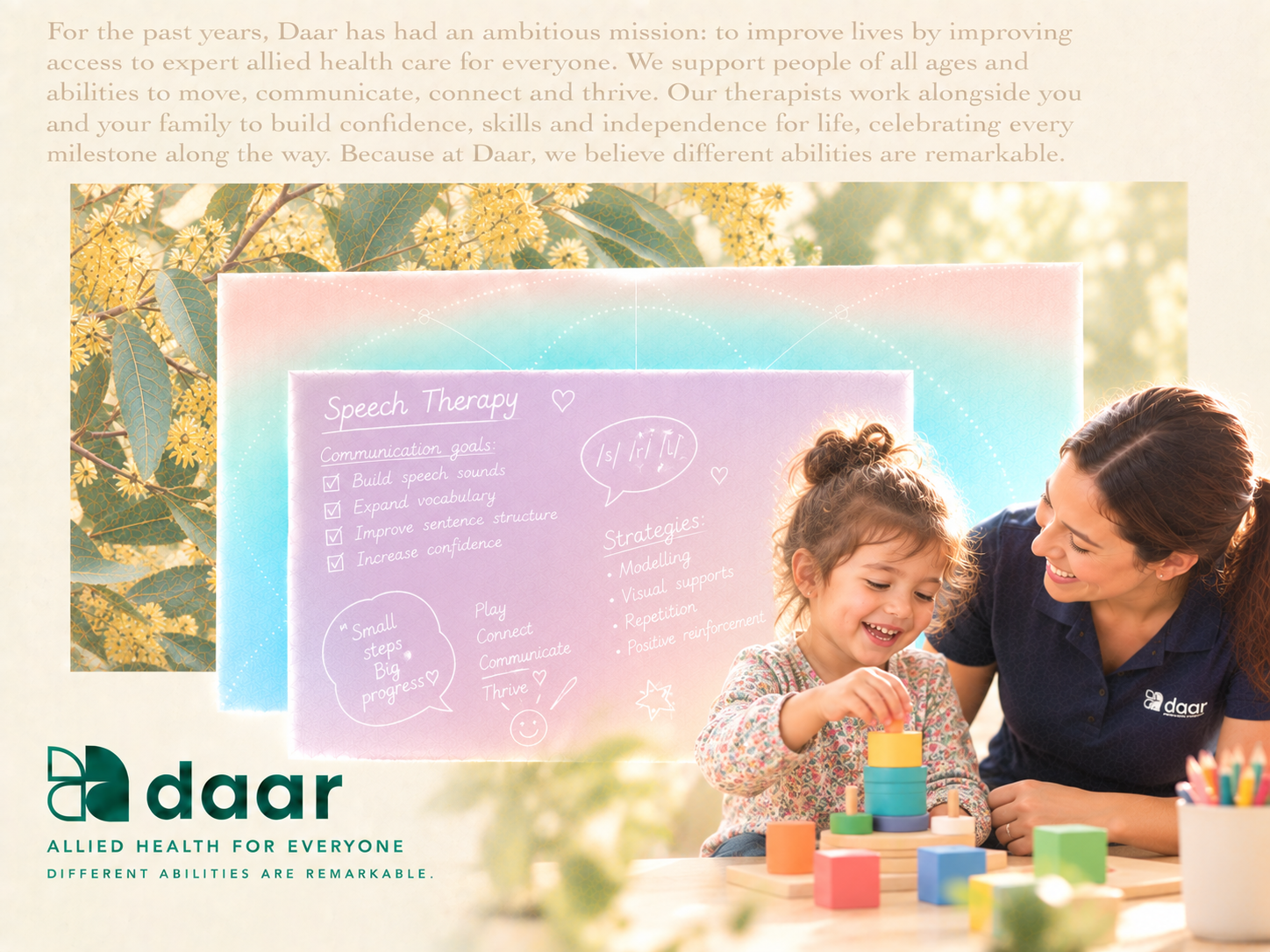
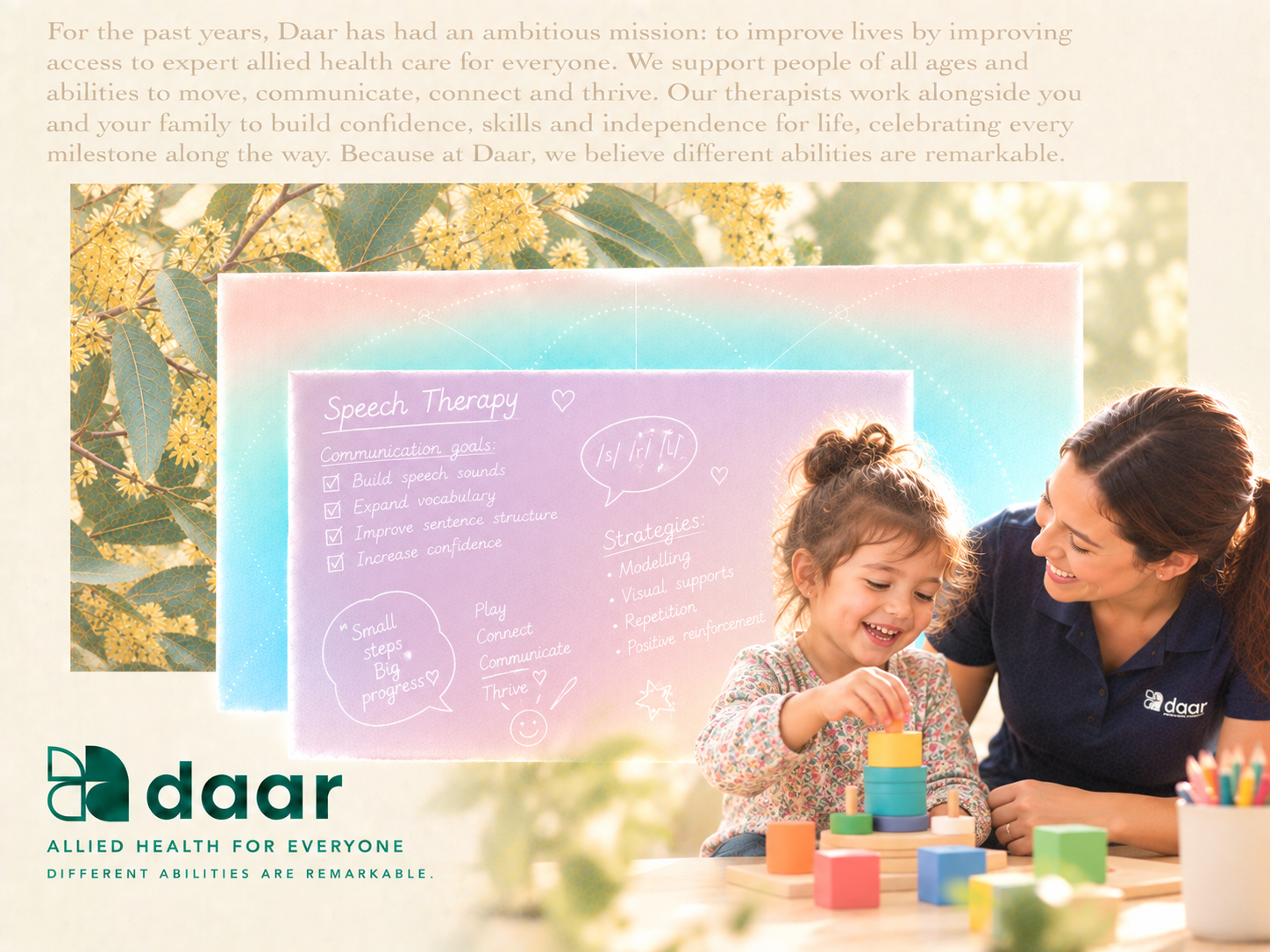
Communication is the foundation of how young children connect, learn, and express their everyday needs. When a child experiences delays in speech, language, or social interactions, it can quickly lead to frustration for both the child and the family.
To help parents navigate these early developmental differences—whether related to general language delays or autism spectrum needs—we have broken down our approach to Speech Therapy and Communication Support into four core pillars.
Here is what this structured, evidence-based model means for your child’s development and how you can support their growth at home.
Pillar 1: Identifying Needs and Acting Early (Early Intervention)
Young children develop and absorb communication skills fastest during their first five years of life. Waiting to see if they will simply "grow out of it" can sometimes lead to compounding frustration.
- What it means for you: The first pillar is all about acting decisively on early signs. If you notice limited eye contact, a lack of gesturing or pointing, or fewer words than expected for their age, early intervention provides the necessary stepping stones. By starting early, we can give a child functional ways to communicate their needs long before challenging behaviours have a chance to take root as a substitute for communication.
Pillar 2: Individualised Assessment (The Speech Pathologist)
Every child’s communication profile is unique. Some children may have perfect speech sounds but struggle with social interaction; others may understand everything but have difficulty physically forming words.
- What it means for you: Instead of a one-size-fits-all approach, a qualified speech pathologist will comprehensively assess your child's receptive language (what they understand), expressive language (what they say), and social communication pragmatics. This ensures therapy directly targets exactly what is preventing your child from thriving, keeping goals realistic and highly relevant to their daily life.
Pillar 3: Applying Evidence-Based Tools (AAC and Play-Based Therapy)
Therapy works best when it actually engages the child. Instead of drilling flashcards in a stressful environment, this pillar focuses on bringing communication into natural, enjoyable routines.
- What it means for you: We utilise highly effective strategies tailored to your child's stage. For minimally verbal children, this often involves Augmentative and Alternative Communication (AAC), such as picture exchange systems or communication apps, giving them an immediate voice. For others, it means Play-Based Therapy, where therapists follow the child’s interests to organically teach requests, turn-taking, and new words during fun, low-pressure activities.
Pillar 4: Collaborative Ecosystem (Empowering Parents and Educators)
Therapy shouldn’t just exist within a clinic's walls for one hour a week. The most sustainable communication growth happens when a child feels supported and understood everywhere they go.
- What it means for you: Parents, families, and teachers are a child's best communication models. This pillar focuses on upskilling the adults in the child's life. By sharing speech goals with the family and the school, we ensure everyone uses consistent language, pauses to allow the child time to respond, and reinforces the same communication strategies across the dinner table and the classroom.
Start Your Child's Journey with Confidence
Communication shapes your child’s entire world. Whether you are navigating an NDIS plan or seeking early intervention privately, our team at daar is focused on building confidence, skills, and wellbeing.
If you have concerns about your child's speech or social communication, do not hesitate to seek support.
Official References:
.svg)




.svg)