
.png?width=48&height=48&name=Group%201%20(3).png)























28 September, 2026

Transform Lives with Positive Behaviour Support for Autism
Key Highlights
- Positive behaviour support is a person-centered approach that helps people with autism improve quality of life.
- It looks at the underlying reasons for behaviours and builds practical, respectful responses.
- A strong behaviour support plan focuses on new skills, safer routines, and supportive environments.
- Families, carers, and support networks play a key role in daily success.
- In Australia, NDIS-funded behaviour support practitioners can guide assessment, planning, and review.
- Training helps teams use consistent strategies and work toward positive outcomes.
Introduction
Positive behaviour support can make everyday life clearer, safer, and more meaningful for people with autism. Instead of only reacting to difficult moments, it looks at why positive behaviour may be hard in certain settings and what support will help. This person-centered approach focuses on dignity, strengths, and practical change. When support matches the person’s needs, routines, and goals, it can improve relationships, reduce stress, and lift quality of life for both the individual and the people around them.
Positive Behaviour Support Strategies for Individuals with Autism
Positive behaviour support is an evidence-based way to understand the reasons behind behaviours and respond with respect. For people with autism, and also for people with intellectual disability, it focuses on the whole person rather than blame or punishment.
Common support strategies include teaching communication, changing environments, building routines, and reducing triggers. A support team may include carers, family members, educators, and behaviour support practitioners. When everyone uses the same approach, positive outcomes become more likely. The next sections look at practical ways this happens.
Proactive Approaches to Managing Challenging Behaviours
Many behaviours of concern have underlying reasons. Someone may be expressing distress, unmet needs, or reacting to a challenging environment. Positive behaviour support identifies these causes and plans ahead.
Instead of reacting to escalating behaviours, teams use practical strategies to reduce stress and encourage positive behaviour in daily life. This approach is especially helpful for people with autism or intellectual disabilities, as it lowers risks and improves participation.
- Observe what happens before, during, and after the behaviour.
- Adjust routines or environments that trigger distress.
- Teach safer ways to communicate wants, needs, or discomfort.
- Use consistent responses across the support team.
Supporting Skill Development and Emotional Regulation
Positive behaviour support is not just about reducing hard moments. It also builds new skills that help a person feel more capable and understood. For people with autism or intellectual disability, skill development can support communication, routines, social participation, and daily independence.
Emotional regulation matters too. When a person learns ways to notice stress, pause, and recover, their wellbeing can improve. This can strengthen the individual’s quality of life and make support feel calmer and more predictable.
|
Focus area |
How it supports the person |
|---|---|
|
Communication |
Helps express needs, preferences, and discomfort more clearly |
|
Emotional regulation |
Supports calmer responses during stress or change |
|
Daily routines |
Builds predictability and confidence across settings |
|
Social and participation skills |
Increases connection, inclusion, and wellbeing |
Accessing Positive Behaviour Support Services in Australia
Families in Australia can access support through organisations that provide specialist behaviour support, therapy, and training. Behaviour support practitioners work with the person and their support network to understand needs, assess risks, and create practical plans.
For many people, the NDIS is a key pathway. The compiled guidance shows that behaviour support under the NDIS follows clear rules, ethical standards, and review processes. That includes person-centered planning, teamwork, and a focus on reducing restrictive practices. Next, it helps to understand funding and plan requirements.
Navigating NDIS Guidelines and Funding for Autism
Under the NDIS, behaviour support follows practice standards, rules, and a capability framework. The aim is to improve quality of life, reduce challenging behaviours, and minimise restrictive practices—especially for autism and intellectual disability.
If restrictive practices are in place, an interim plan must be created within 30 days. A full behaviour support plan follows assessment and collaboration. PBS practitioners monitor progress and help teams implement the plan consistently.
- Confirm NDIS funding covers behaviour support.
- Collaborate with PBS practitioners for assessment and planning.
- Share the support plan with all involved.
- Regularly review outcomes to keep the plan effective.
Role of Carers, Families, and Support Networks
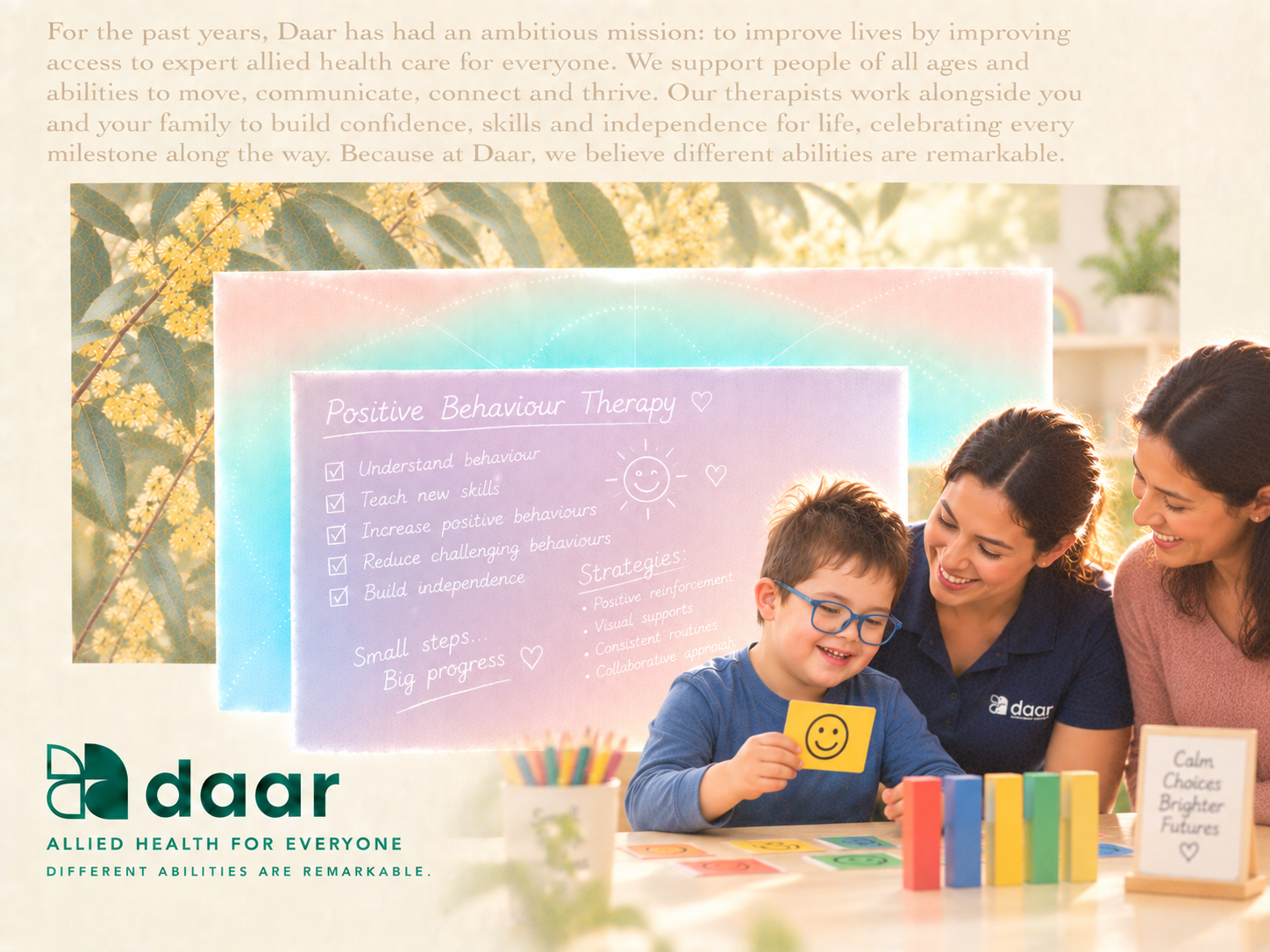
Carers, family, and support networks are crucial for effective positive behaviour support. They understand the person’s needs, routines, and stress signals, enabling practical, real-life strategies.
Consistency matters. When everyone responds similarly across settings—home, school, work, or community—the person receives clearer guidance and more stable support, leading to better outcomes and fewer disruptions.
Training options include online modules, virtual classes, and hands-on courses for carers, educators, practitioners, and health professionals. Topics include communication, restrictive practices, risk assessment, and planning.
- Carers spot patterns and triggers.
- Family ensures daily follow-through.
- Support networks promote consistency everywhere.
Conclusion
In conclusion, Positive Behaviour Support (PBS) is a transformative approach that improves the lives of individuals with autism. By using proactive strategies, skill-building, and emotional regulation, PBS addresses challenging behaviours and creates a supportive environment for growth. Families and support networks are essential in this process, and understanding NDIS guidelines helps access needed services. Embracing PBS leads to better outcomes and a more fulfilling life for those on the autism spectrum.
For guidance on implementing these strategies, contact us for a consultation or call daar at 02 9133 2500.
Frequently Asked Questions
What are restrictive practices and when are they considered in behaviour support?
Restrictive practices limit a person’s freedom or movement to reduce harm. In behaviour support, they are considered a last resort and must be handled carefully because human rights are central. Under specialist behaviour support for autism or id, they should only be used within proper planning, oversight, and review.
How can schools implement positive behaviour support for autistic students?
Schools can use positive behaviour support strategies by identifying triggers, teaching communication and regulation skills, and making classroom routines more predictable. A clear support plan helps teachers and staff respond consistently. Training that links theory with practical classroom use can support autism and lead to best outcomes.
What training is available for carers and families in positive behaviour support?
Carers and families can access training through online courses, self-paced modules, and virtual classes. These options support the wider support network and cover practical topics like communication, planning, risk, and restrictive practices. Some learning is also relevant for behaviour support practitioners working with people who have mental health conditions.
.svg)




.svg)