
.png?width=48&height=48&name=Group%201%20(3).png)























18 August, 2026

Exploring NDIS Behaviour Support for Autism & ADHD Challenges
Key Highlights
- NDIS behaviour support helps people with autism and ADHD by understanding why behaviours happen and what support needs sit underneath them.
- Positive behaviour support focuses on prevention, skill development, and safer responses in daily life.
- A behaviour support plan gives families, schools, and support workers practical steps they can follow consistently.
- The approach aims to reduce reliance on restrictive practices wherever possible.
- Good support can improve communication, emotional regulation, independence, and overall quality of life.
- Plans work best when families and the wider support team are involved.
Introduction
NDIS behaviour support can make everyday life feel clearer for people with autism and ADHD and for the families around them. Instead of only reacting to hard moments, this approach looks at what is driving behaviour and how support needs can be met in a safer, calmer way. With a focus on positive behaviour, communication, and daily routines, the goal is to build confidence and make daily life more manageable at home, at school, and in community settings.
Common Behavioural Challenges in Autism and ADHD
Behaviours of concern can look different in autism and ADHD, even when the person is facing similar stress. Some autistic children may shut down, withdraw, or have meltdowns. Others may struggle to express needs clearly, which can affect social interaction and mental health.
In ADHD, challenging behaviours may show up through impulsivity, inattention, or high activity levels. That is why support workers and families often need tailored approaches. Yes, strategies can be adapted for people with both autism and ADHD, especially when support starts with understanding the purpose behind the behaviour.
Behavioural Issues Commonly Seen in Autism
Across the autism spectrum, behaviours of concern are often linked to communication barriers, sensory overwhelm, anxiety, or unmet needs. A child may melt down, avoid tasks, or pull away from others when they cannot explain discomfort or when daily routines feel unpredictable. These moments are not random. They usually communicate something important.
That is why positive behaviour support under the NDIS focuses on understanding what sits behind the behaviour. Recommended interventions for autistic children include functional assessment, environmental changes, communication strategies, and practical supports that reduce stress before it builds. Early intervention is often a key part of this work.
Support also aims to strengthen communication skills and emotional regulation over time. Rather than forcing compliance, behaviour support practitioners help children learn safer, more appropriate ways to express needs, cope with change, and take part in daily living with greater confidence.
Unique Behavioural Needs and Challenges with ADHD
For many people with ADHD, daily life can feel fast, distracting, and hard to manage. Impulsivity, difficulty staying focused, and high energy can lead to challenging behaviours at home, school, or in community settings. These patterns can also affect stronger relationships and emotional wellbeing.
NDIS-funded behaviour support can help manage challenging behaviours in ADHD when the focus is on the person’s real support needs. Positive reinforcement is often used to encourage helpful routines, build motivation, and support more appropriate responses in stressful moments. Clear structure and predictable expectations matter.
Just as important, skill development should be practical. Support people may work on daily routines, emotional regulation, communication, and social interaction in ways that fit everyday life. When support is individualised, people with ADHD can build new skills that improve participation, confidence, and overall quality of life.
Developing an NDIS Positive Behaviour Support Plan
A positive behaviour support plan is a written guide built around the person’s needs, strengths, and individual goals. Under an NDIS plan, it is usually developed after assessment and discussion with the person, family, and support team. The aim is to make daily life safer, calmer, and more predictable.
If you want one for autism or ADHD, the first step is checking whether your NDIS plan includes funding for behaviour support. From there, a provider can assess needs and create behaviour support strategies that fit home, school, and community settings. The next sections explain that process more clearly.
The Steps to Accessing a Behaviour Support Plan
Getting started can feel confusing, but the path is usually straightforward once you know the first step. Access to a behaviour support plan begins with your NDIS plan and whether the National Disability Insurance Scheme has funded supports that match behaviour needs. If not, families can raise this during planning or review.
A support provider will usually begin with assessment, discussion, and observation to understand the purpose of behaviours and the person’s environment. This helps shape a plan that is practical, rights-based, and useful in everyday situations.
Useful steps include:
- Check your NDIS plan for behaviour support or improved relationships funding.
- Contact a registered or suitable support provider with behaviour support experience.
- Ask for an assessment, which may include a functional behaviour assessment and data collection.
- Work with the provider to develop and review the behaviour support plan over time.
Involving Families and Carers in Behaviour Support Planning
Families and carers are central to good planning because they know the person’s patterns, interests, and support needs better than anyone else. Their insight helps behaviour support practitioners understand what happens before, during, and after hard moments. That creates a more accurate and useful picture.
Just as important, a strong support network helps strategies stay consistent. When family members, schools, and support workers use similar approaches, the person gets clearer expectations and more predictable responses. This consistency often reduces stress and supports meaningful change.
There is also a capacity-building benefit. Families gain practical strategies they can use in daily routines, not just during appointments. Over time, this can improve confidence, reduce tension, and build stronger relationships across home, school, and community settings while keeping the person’s goals at the center.
Tailoring Behavioural Interventions for Autism and ADHD
No two people need the same behaviour support. Autism and ADHD can overlap, but the triggers, strengths, and daily challenges may still be very different. That is why tailored support matters.
Yes, there are tailored strategies for people with both autism and ADHD. The most effective plans combine proactive strategies, practical strategies, and environmental changes that match the person’s communication style, routines, and stress points. This kind of individual planning is what makes meaningful change more likely and more sustainable.
Evidence-Based Strategies for Autism Through the NDIS
Evidence-based support for autism under the NDIS often draws on positive behaviour support, functional assessment, communication strategies, and in some cases principles from applied behaviour analysis. The shared aim is not just reducing distress. It is building skills that improve participation, safety, and independence in everyday life.
Early intervention matters because support introduced sooner can help children develop communication, emotional regulation, and social abilities before patterns become more entrenched. A positive behaviour support provider uses assessment findings to guide what should change in the environment, what new skills should be taught, and how progress should be reviewed.
|
Strategy |
How it supports autistic children |
|---|---|
|
Functional assessment |
Identifies triggers, unmet needs, and the purpose of behaviours |
|
Communication strategies |
Helps children express needs more clearly and reduce frustration |
|
Environmental changes |
Adjusts routines, spaces, and expectations to lower stress |
|
Skill building |
Teaches emotional regulation, social interaction, and daily living skills |
|
Positive reinforcement |
Encourages helpful behaviours in a clear, supportive way |
Recommended Interventions for ADHD Supported by NDIS
Support for ADHD under the NDIS often centers on practical help that can be used every day. This may include behaviour therapy approaches, positive behaviour support, and coaching that helps the person manage attention, impulse control, and routines in ways that feel achievable rather than overwhelming.
In many cases, support practitioners focus on teaching new skills instead of simply reacting to problems. That can include clearer communication, emotional regulation, stress management, and ways to break tasks into smaller steps. Positive reinforcement is often used to make progress easier to notice and repeat.
Daily routines are another major focus. When home, school, and community expectations are more predictable, many people with ADHD cope better and participate more successfully. So yes, NDIS-funded behaviour support can help manage challenging behaviours in ADHD, especially when strategies are consistent and tailored to the person.
Managing Restrictive Practices in Behaviour Support
Restrictive practices are a serious part of NDIS behaviour support and are not treated as routine strategies. They refer to actions that limit a person’s rights or freedom of movement. Because of that, they come with strict safeguards and close oversight.
The broader goal of behaviour support is to reduce and remove restrictive practices wherever possible. Good planning looks first at unmet needs, communication barriers, and environmental stress. Advocacy and careful review help make sure the person’s dignity, safety, and quality of life stay at the center.
What Are Restrictive Practices and When Are They Used?
In the disability sector, restrictive practices are interventions that restrict a person’s rights or freedom of movement. They are not the goal of support. Instead, positive behaviour support aims to reduce and eliminate them through better planning, safer environments, and stronger skill development.
When are they used? Only in serious situations where there is significant risk and where other options have not been enough. Even then, the expectation is that they are used as a last resort, not as a standard response to distress or challenging behaviour.
To avoid overuse, behaviour support practitioners rely on assessment, data collection, and input from support people to understand the purpose of behaviours. Once that purpose is clearer, the focus shifts toward prevention, communication, and replacement skills. That is how safer, less restrictive support is built over time.
Safeguards and Advocacy for People with Autism or ADHD
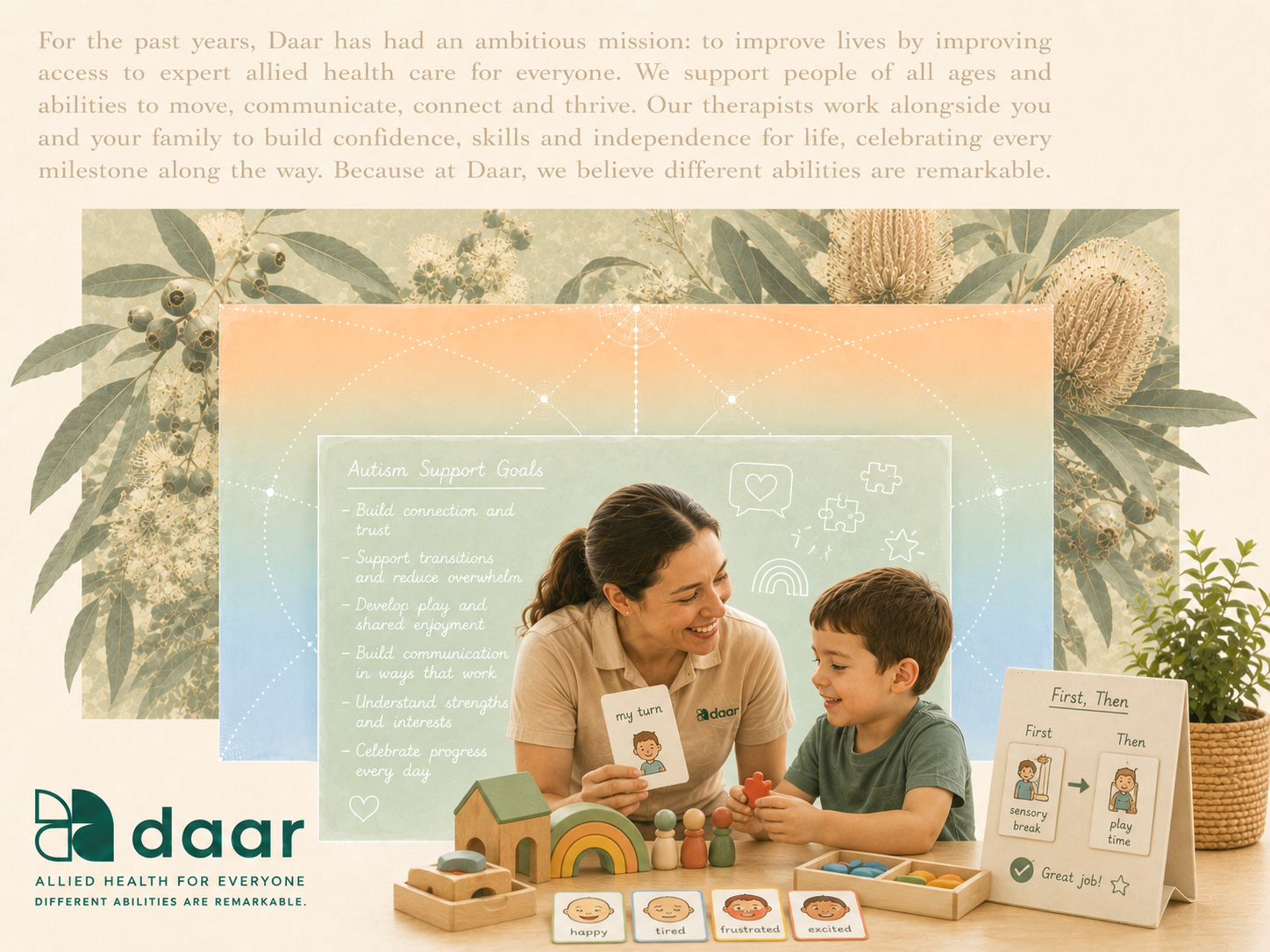
Safeguards exist to protect people with autism or ADHD when behaviour support is being planned or delivered. These protections matter because support should always respect dignity, rights, and wellbeing. The aim is not just safety in the moment, but better quality of life over time.
Advocacy also plays a big role. Families, carers, and the wider support network can speak up when something does not feel right or when a strategy is not helping. Support workers and practitioners should be open to review, feedback, and changes based on the person’s needs.
Key safeguards include:
- Clear documentation and review of any restrictive practices used.
- Involvement of family, carers, and support workers in planning and monitoring.
- A focus on reducing restrictions through proactive support and skill building.
Conclusion
In conclusion, understanding and implementing NDIS behaviour support for individuals facing challenges related to autism and ADHD is crucial for fostering positive outcomes. By addressing common behavioural issues and developing tailored interventions, families and caregivers can create supportive environments that promote growth and well-being. Engaging in evidence-based strategies and involving families in the planning process ensures that interventions are personalised and effective. As you explore the various aspects of NDIS behaviour support, remember that the journey towards better mental health and behavioural management is a collaborative effort.
If you're interested in learning more about how NDIS-funded behaviour support can help, don't hesitate to reach out for a consultation or call daar at 02 9133 2500 with our experts.
Frequently Asked Questions
Can NDIS Funded Behaviour Support Help With Challenging Behaviours in Autism and ADHD?
Yes. NDIS behaviour support can help with challenging behaviours in autism and ADHD by identifying triggers, teaching safer alternatives, and creating a behaviour support plan that fits daily life. Positive behaviour support aims to improve communication, reduce distress, and lift overall quality of life over time.
How Do I Find Positive Behaviour Support Providers Near Me in Australia?
Start by checking your NDIS funding and speaking with your support team, support coordinator, or local provider directories. A positive behaviour support provider should offer qualified support practitioners, practical planning, and services that work across home, school, and community settings in a way that suits your goals.
What Is the Role of Early Intervention Behaviour Support for Autism and ADHD Under the NDIS?
Early childhood support can help before patterns become harder to change. Under an NDIS plan, positive behaviour support in the early years focuses on building skills, communication, emotional regulation, and practical skills that improve participation, daily routines, and long-term development for children with autism or ADHD.
.svg)




.svg)