
.png?width=48&height=48&name=Group%201%20(3).png)























13 March, 2026

Understanding the NDIS: A Comprehensive Guide
Key Highlights
Navigating the National Disability Insurance Scheme (NDIS) can feel complex, but this guide breaks it down for you. Understanding your eligibility and the supports available is the first step toward getting the help you need. Here are the key takeaways: To apply to become an NDIS provider, you must first determine your eligibility and the types of services you want to offer. Next, complete the NDIS online application, submit all required documentation, and undergo a verification or certification audit, depending on your services. Once these steps are completed, the NDIS Commission will assess your application and notify you of the outcome.
- The NDIS is an Australian Government scheme providing funding to people with a permanent and significant disability. Checking your NDIS eligibility involves meeting age, residency, and disability requirements. Your NDIS plan can fund various supports to meet your specific needs, including help from allied health professionals. The NDIS Quality and Safeguards Commission is an independent agency established by the Australian Government to improve the quality and safety of NDIS supports and services. The Commission oversees the registration of providers, handles complaints, regulates practices, and ensures that allied health professionals and other health professionals delivering NDIS services meet the required standards across Australia.
- Checking your NDIS eligibility involves meeting age, residency, and disability requirements.
- Your NDIS plan can fund various supports to meet your specific needs, including help from allied health professionals.
- Support is categorized into Core, Capital, and Capacity Building to help you achieve your goals.
- Choosing the right registered NDIS provider is crucial for getting the most out of your plan.
Introduction
Are you or a loved one looking for disability support in Australia? The National Disability Insurance Scheme (NDIS) might be the answer. This initiative from the Australian Government offers financial support to individuals with a permanent and significant disability. The goal is to improve your quality of life and help you achieve your personal goals by giving you choice and control over your support. To get started, you'll need to apply to the National Disability Insurance Agency (NDIA) to become a participant.
Who Is Eligible for the NDIS?
Figuring out NDIS eligibility is a critical first step. The scheme is designed for people with a permanent disability caused by a significant impairment. This means conditions that are not expected to heal, such as acute injuries or temporary illnesses, generally do not qualify.
If you believe you meet the criteria, you can submit an Access Request to the NDIA. This process formally asks the agency to assess your situation and determine if you can receive NDIS supports. This section will explore the specific criteria and common misconceptions about eligibility.
Age, Residency, and Disability Criteria Explained
To qualify for the NDIS, you must meet three criteria: age, residency, and disability.
You must be 7 to 65 years old when applying. Children under 7 can access early childhood supports; those over 65 are usually directed to aged care services.
For residency, you must be an Australian citizen, permanent visa holder, or a Protected Special Category Visa holder (for eligible New Zealand citizens). Strong ties to Australia are also required if you spend time overseas.
Finally, you need a permanent disability that substantially limits daily activities. Medical proof of lifelong impairment is required.
Common Misconceptions About NDIS Eligibility
There are several misconceptions about NDIS eligibility, especially regarding mental health. Not everyone with a mental health condition qualifies; eligibility requires a "psychosocial disability," meaning a permanent impairment that significantly affects daily life or social interactions.
If your application is unsuccessful, other services may better meet your needs. Understanding what the NDIS covers is essential.
Common myths include:
- The NDIS is only for physical disabilities.
- Any mental health diagnosis guarantees eligibility.
- Being denied once means you can never apply again.
- You can't access support if you're not eligible for the NDIS.
Types of Supports and Services Funded by the NDIS
Once you have an approved NDIS plan, you can access funding for a wide range of supports and services. These are designed to align with your individual support needs and help you achieve your personal goals. The funding is flexible, allowing you to access everything from daily living assistance to therapeutic services from allied health professionals.
The supports are divided into different categories to help you manage your funding effectively. These primary categories are Core Supports, Capital Supports, and Capacity Building Supports, each targeting a different aspect of your life and wellbeing. Let's look at what each of these categories covers.
Core, Capital, and Capacity Building Supports
Your NDIS plan has three main support categories: Core, Capital, and Capacity Building.
Core supports cover daily activities, community participation, and transport.
Capital supports fund high-cost items like assistive technology, equipment, and home or vehicle modifications. This funding is less flexible and targeted for specific needs.
Capacity Building supports help you build skills and independence to reach your long-term goals, such as employment or improving daily living.
|
Support Category |
Description |
|---|---|
|
Core Supports |
Covers daily activities, community participation, and transport. |
|
Capital Supports |
Funds assistive technology, equipment, home or vehicle modifications. |
|
Capacity Building Supports |
Builds skills and independence to achieve your goals. |
The Role of Allied Health in the NDIS
Allied health professionals are essential to the NDIS, offering therapeutic and specialized support to help you reach your goals. These qualified experts improve your wellbeing and independence across various fields, and you usually don’t need a doctor’s referral to see them.
Their services can be funded through your NDIS plan under Capacity Building or Core Supports. Whether you need physiotherapy for mobility or occupational therapy for daily skills, allied health is key to the NDIS framework.
Examples include:
- Occupational Therapists
- Physiotherapists
- Speech Pathologists
- Psychologists
Working with these professionals can boost your independence and community participation.
Registered NDIS Providers: Choosing the Right Support for You
Once your access request is approved and you have your NDIS plan, the next step is choosing a provider. Registered providers meet NDIS quality and safety standards and deliver services outlined in your plan.
Selecting a provider who understands your needs is key to reaching your goals. With many options available, it’s important to know how to find the right one. The following sections will guide you through this process.
How to Find and Select an NDIS Provider in Your Area
Finding the right NDIS provider can be overwhelming, but helpful resources are available. The Australian Government’s official NDIS Provider Finder tool lets you search for registered providers by location and support type.
As an NDIS participant, you can also ask your Local Area Coordinator (LAC), support coordinator, or other participants for recommendations. Trusted referrals offer confidence in your choice.
To find a provider:
- Use the NDIS Provider Finder tool.
- Ask your support coordinator or LAC for local options.
- Get recommendations from other participants or community groups.
- Contact providers directly to discuss your needs.
What to Consider When Comparing NDIS Providers
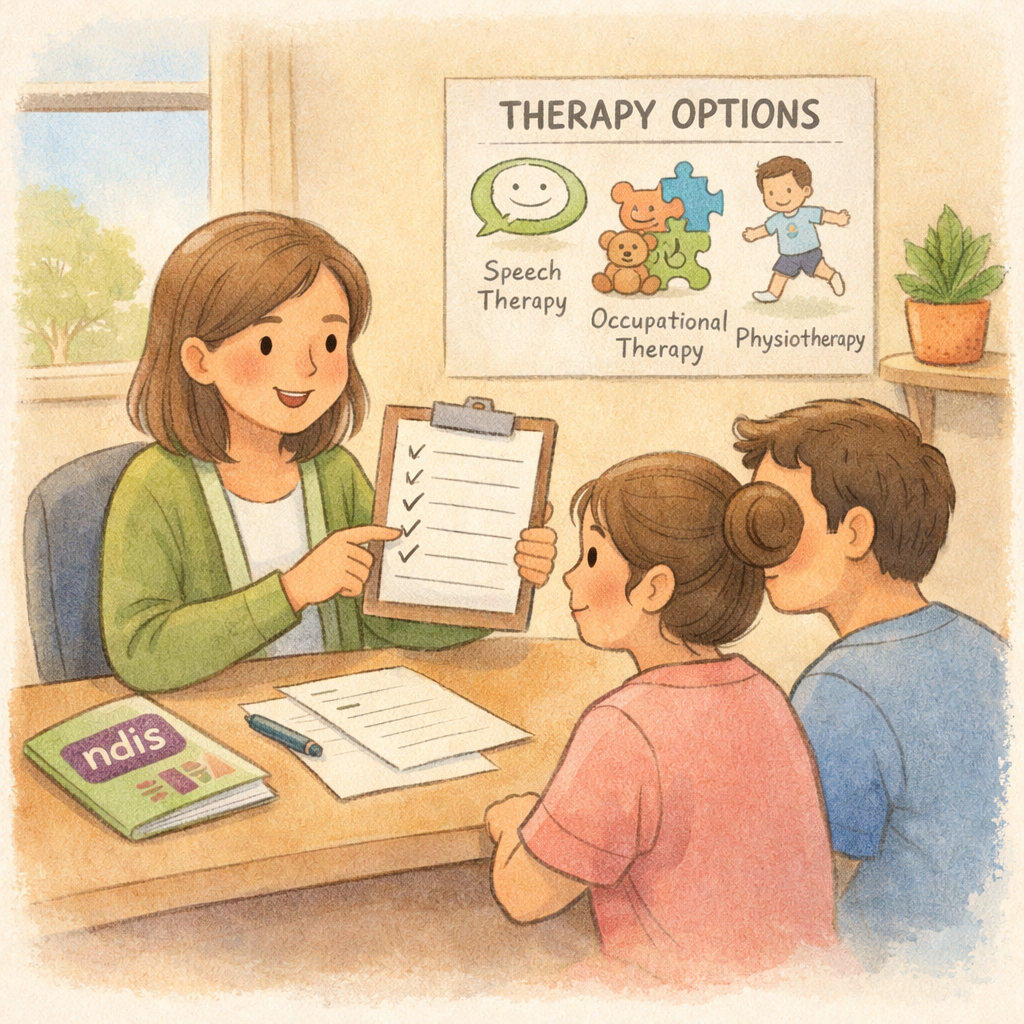
When choosing an NDIS provider, look beyond their services. Find one that understands your needs and prioritizes your well-being. Consider their experience, qualifications, and approach to care. Always choose a registered provider—they meet national safety standards.
Ask about staff expertise, especially for specific health needs. Check their availability and communication style. A good provider is transparent, responsive, and committed to your goals.
Key considerations:
- Are they a registered NDIS provider?
- Do they have experience with your support needs?
- How do they handle communication and feedback?
- Can they provide testimonials or references?
- Do their values align with yours?
Conclusion
Navigating the NDIS can be complex, leading to common questions about the access request process and eligibility criteria. Many people ask about the difference between temporary and permanent disabilities under the scheme, or how to get an NDIS plan tailored to their needs. Using resources from the National Disability Insurance Agency (NDIA) helps clarify available services, including those from allied health professionals and other healthcare providers.
Reach out for a consultation or call daar at 02 9133 2500 for expert guidance tailored to your child’s needs.
Frequently Asked Questions (FAQ)
Navigating the NDIS can be complex, and it's natural to have some questions. Common queries often center around the access request process and understanding eligibility criteria. Many wonder about the difference between temporary and permanent disability under the National Disability Insurance Scheme. Participants frequently seek clarity on how to obtain an NDIS plan tailored to their specific support needs. Utilizing resources and guidance from the National Disability Insurance Agency (NDIA) proves beneficial in addressing concerns about services available through allied health professionals and other healthcare systems.
How Do I Contact the NDIS for More Information?
For more information, you can contact the National Disability Insurance Agency (NDIA) directly by calling their main contact number. Your Local Area Coordinator (LAC) is also a great point of contact and can help you with processes like completing an access request form or understanding your plan as an NDIS participant.
Can Allied Health Practitioners Be Funded Through the NDIS?
Yes, allied health professionals can be funded through your NDIS funding. These health professionals provide essential health service support to help you build skills and independence. The funding for these services typically comes from the Capacity Building or Core Supports budgets in your NDIS plan, depending on your goals.
Where Can I Learn More About the National Disability Insurance Scheme?
To learn more about the National Disability Insurance Scheme, the official NDIS website, run by the Australian Government and NDIA, is the best resource. It contains detailed information on eligibility, how to apply, and finding providers. You can also contact local support organisations for guidance.
.svg)




.svg)