
.png?width=48&height=48&name=Group%201%20(3).png)























19 June, 2026

NDIS Positive Behaviour Support

Key Highlights
- Positive behaviour support helps NDIS participants understand why behaviours happen and respond in safer, more helpful ways. Many successful outcomes have been seen when using positive behaviour support, such as a reduction in aggressive outbursts, greater independence with daily routines, and improved social engagement. For example, when a well-developed support plan targets specific triggers and skills, participants may learn to communicate their needs more effectively, resulting in fewer disruptions and a more positive quality of life. A good support plan focuses on triggers, skills, and daily routines that reduce challenging behaviour over time. These personalised strategies support participants by promoting positive behaviour and encouraging lasting improvements.
- A good support plan focuses on triggers, skills, and daily routines that reduce challenging behaviour over time.
- Behaviour support is built around the person, not just the behaviour, which can improve quality of life.
- Support workers and families play a key role in using strategies consistently.
- The NDIS funds tailored support services based on each person’s needs and goals.
- Strong plans aim to build independence, communication, and positive change.
Introduction
Positive behaviour support is a practical approach that helps people understand and reduce challenging behaviours by looking at what those behaviours are trying to communicate. Under the disability insurance scheme, this support is designed to build skills, improve safety, and create better daily experiences. Rather than reacting only when problems happen, support services focus on long-term change. That means helping you learn new ways to communicate, manage emotions, and take part in everyday life with more confidence.
Understanding Positive Behaviour Support in the NDIS
Within the NDIS, behaviour support starts with the idea that every challenging behaviour has a reason. It may be linked to communication difficulties, stress, sensory issues, or unmet needs. By understanding the cause, practitioners can build a support plan that teaches safer and more effective responses.
For NDIS participants, this approach is not about blame or punishment. It is about creating positive behaviour through skill-building, environmental changes, and teamwork. The next sections explain what this looks like, who is involved, and how the NDIS puts these supports into practice.
Defining Positive Behaviour Support and Behaviour Therapy
Positive behaviour support aims to improve quality of life and reduce challenging behaviours by understanding what a person is trying to express, avoid, or achieve. Practitioners start with an assessment of strengths, needs, routines, and environmental factors to identify triggers and patterns.
They then develop a behaviour support plan with the individual and their support team. The plan focuses on reducing triggers, teaching new skills, and responding safely to issues. The goal is to make challenging behaviour unnecessary—not just stop it temporarily.
How the NDIS Incorporates Positive Behaviour Support
The National Disability Insurance Scheme (NDIS) funds support people with permanent and significant disabilities, tailored to individual needs. Many participants receive positive behaviour support under Improved Relationships or Behaviour Support if included in their plan.
The process begins with assessment and planning. Practitioners work with the person, family, carers, and others to develop a support plan. If restrictive practices are used, an Interim Behaviour Support Plan is created first, followed by a comprehensive plan.
This approach helps services focus on positive change over time. It gives participants more choice and control while ensuring supports are practical, person-centered, and aligned with real goals like communication, safety, independence, and community participation.
Key Benefits for Participants Under the NDIS
A well-designed support plan makes daily life more manageable. Positive behaviour support focuses on building new skills and safer communication, reducing stress for both participants and those around them.
Key benefits of this approach include:
- Improved communication and social skills for better daily interactions
- Emotional regulation strategies to manage stress, anger, anxiety, and other mental health issues
- Environmental changes that make routines safer and clearer
- Consistent support that boosts independence and relationships
Over time, these changes can significantly improve quality of life, increase confidence, expand community participation, and give people greater control over their choices.
Core Principles of Positive Behaviour Support
Positive behavioural support is built on a few clear ideas. It starts with understanding the person, not just the behaviour. That means using person-centered and strengths-based approaches to identify needs, preferences, and goals before creating a behaviour support plan.
Just as important, the work focuses on teaching life skills and changing the environment before problems grow. This helps support feel respectful, practicality, and sustainability. The following sections break down these principles and show how they guide everyday decisions.
Person-Centered and Strengths-Based Approaches
A person-centered approach means the support starts with you. It looks at your goals, preferences, routines, and the individual’s unique needs rather than using the same method for everyone. This matters because behaviour often makes more sense when seen in the context of daily life.
At the same time, strengths-based planning focuses on what a person can do and what is already working well. Practitioners build on existing abilities, interests, and supports. That creates a more respectful path to personal growth and lasting progress.
Positive reinforcement is part of this process. When helpful actions are noticed and encouraged, people are more likely to repeat them. Instead of focusing only on problem moments, support highlights success, builds confidence, and creates better opportunities for learning and connection.
Preventative Strategies and Proactive Interventions
Strong support is proactive, not reactive. Preventative strategies reduce challenging behaviours by making daily life more predictable, supportive, and safe—through changes to routines, communication, or environments.
A behaviour support plan often includes:
- Adjusting routines to reduce stress or sensory overload
- Teaching communication and emotional regulation skills
- Training carers and staff to recognise triggers early
These steps encourage positive change. For example, if a child experiences separation anxiety at school, adjusting home and school routines can build stability. Proactive support makes challenging behaviours less likely over time.
Promoting Quality of Life and Social Inclusion
One of the biggest aims of positive behaviour support is improving quality of life. That means looking beyond incidents and asking whether the person feels safe, included, understood, and able to take part in everyday activities that matter to them.
In many cases, support includes building social skills, emotional regulation, and better communication. These changes can lead to more positive behaviour at home, in school, or in public spaces. As confidence grows, people may find it easier to form relationships and handle daily demands.
A clear example is a child whose aggressive behaviour at school is linked to anxiety and disconnection from working parents. After assessment, routines at home and school can be adjusted to create stability and connection. That kind of targeted support can improve community participation and move the person closer to their life goals.
Who Can Benefit from NDIS Positive Behaviour Support
NDIS participants with different support needs may benefit from positive behaviour support, including children, teens, and adults living with disability. This can include people with developmental disabilities or those showing behaviour of concern that affects safety, relationships, learning, or access to services.
The support is shaped around the person’s goals and daily life, not just a diagnosis. A tailored support plan can help in many settings, which is why it is useful to look at both eligibility and where support can be delivered.
Eligible Participants and Their Support Needs
Positive behaviour support is available for NDIS participants whose plans include the right funding, usually under Improved Relationships or Behaviour Support. The national disability insurance scheme bases funding on the individual’s specific needs, so support is tailored rather than one-size-fits-all.
People who may benefit include children and adults with disability who experience challenging behaviour, communication difficulties, emotional regulation issues, or barriers to community access. Support services are also helpful when families, carers, schools, or support workers need clear strategies to respond safely and consistently.
|
Participant group |
Common support needs |
|---|---|
|
Children and adolescents |
Routine support, communication skills, school-related strategies, and emotional regulation |
|
Adults with disability |
Daily living support, social skills, stress management, safer responses to behaviours |
|
Families and carers |
Guidance, training, consistent use of the support plan, and understanding triggers |
|
Support teams |
Practical strategies, shared responses, safer environments, and reduced crisis situations |
Application in Homes, Schools, and Community Settings
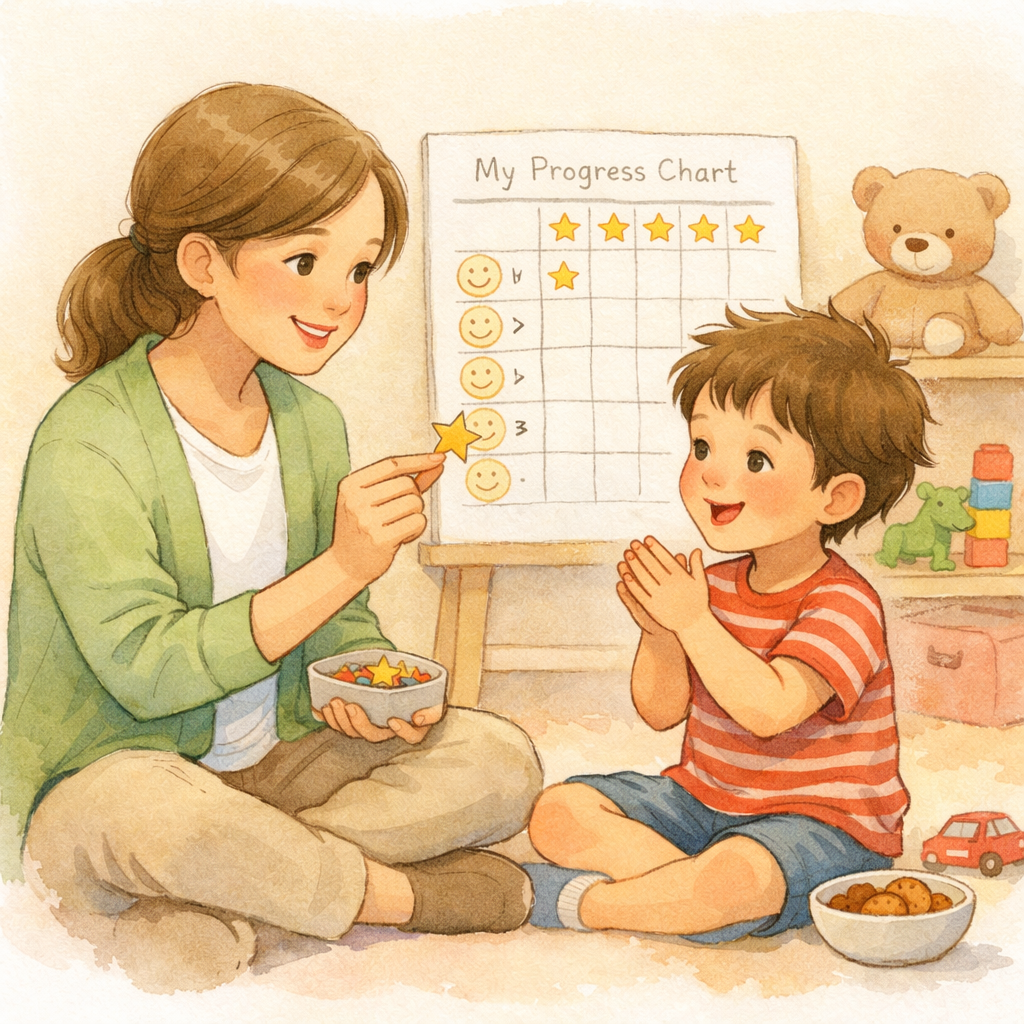
Positive behaviour support is most effective when it happens where real life happens. That includes homes, schools, workplaces, and community settings. Support is not limited to a clinic because behaviour is shaped by routines, environments, and the people involved each day.
In homes, plans may focus on structure, communication, and safer responses during stressful times. In schools, behaviour support can address triggers linked to learning, social demands, or transitions. These changes help create more consistency across the day.
Support workers, family members, and educators are a big part of success. They help put strategies into practice, notice patterns, and keep responses aligned. When everyone uses the same approach in everyday spaces, the person has a better chance to build skills, feel secure, and make steady progress.
Conclusion
In conclusion, NDIS Positive Behaviour Support is a transformative approach that emphasises the importance of understanding and addressing individual needs in a supportive manner. By incorporating person-centered and strengths-based strategies, it not only promotes quality of life but also enhances social inclusion for participants. This holistic approach can lead to significant improvements in the lives of those eligible for support, whether at home, in schools, or within community settings. Embracing these principles can pave the way for more meaningful interactions and a better understanding of behaviour, ultimately fostering a more inclusive environment for everyone involved.
If you’re ready to learn more about how Positive Behaviour Support can make a difference, don’t hesitate to reach out for consultation or call daar at 02 9133 2500.
Frequently Asked Questions
How does positive behaviour support differ from traditional behaviour management?
Positive behaviour support looks at why a behaviour happens and uses a behaviour support plan to teach safer alternatives. Traditional behaviour management often focuses on stopping the behaviour itself. PBS uses positive reinforcement, builds skills, and aims to reduce restrictive practice rather than rely on it.
What training is available for professionals delivering positive behaviour support?
Behaviour support practitioners are specially trained and may come from fields such as occupational therapy, mental health, social work, and developmental education. Speech pathologists and other professionals may also be part of the team. Ongoing training helps support workers and practitioners provide person-centered, evidence-informed support.
Are there legal and quality safeguards for behaviour support under the NDIS in Australia?
Yes. For NDIS participants, behaviour support involving restrictive practice is regulated. Plans may need reporting to the NDIS Commission, and state or territory authorization may apply. These quality safeguards help make sure the support plan protects rights, limits restrictive practices, and keeps support focused on safety and dignity.
.svg)




.svg)