
.png?width=48&height=48&name=Group%201%20(3).png)























27 April, 2026

Understanding Positive Behaviour Support NDIS: A Guide
Key Highlights
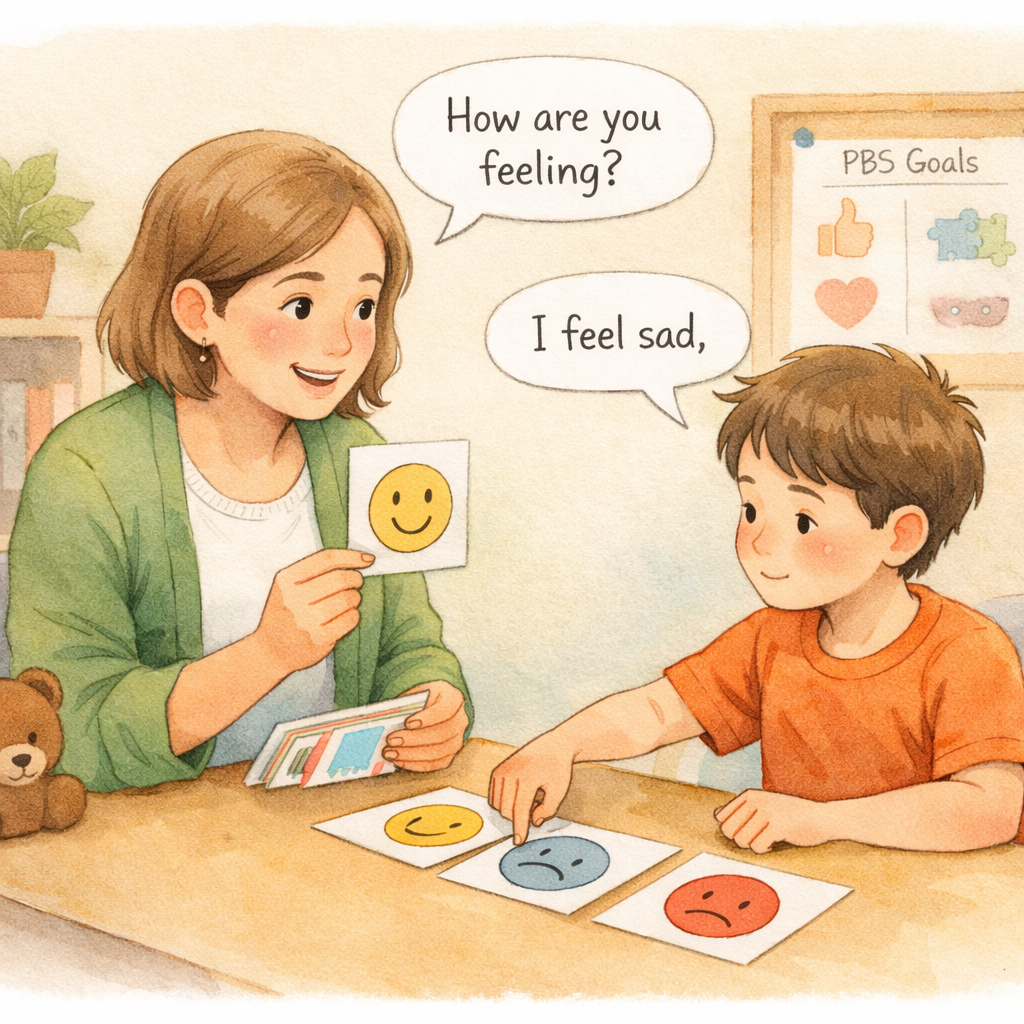
Here are the key takeaways from this guide: Positive Behaviour Support (PBS) is a person-centered approach focused on improving an individual's quality of life by understanding their needs. The NDIS funds PBS through the 'Improved Relationships' category in your support plan. For NDIS participants seeking easy-read guides on positive behaviour support, there are accessible resources available that use clear language and visuals to explain positive behaviour strategies, behaviour support, and ways to enhance quality of life through a support plan.
- Positive Behaviour Support (PBS) is a person-centered approach focused on improving an individual's quality of life by understanding their needs.
- The NDIS funds PBS through the 'Improved Relationships' category in your support plan.
- A behaviour support plan outlines proactive strategies, skill-building exercises, and safe responses to behaviours of concern.
- Only NDIS-approved behaviour support practitioners can develop these plans.
- The goal is to teach new skills and make environmental changes to reduce the need for challenging behaviours.
- PBS aims to reduce and eventually eliminate restrictive practices, which limit a person's freedom.
Introduction
Understanding behaviour can sometimes feel complex, especially when it affects daily life. If you or a loved one are navigating these challenges, there is support available. Positive behaviour support under the National Disability Insurance Scheme (NDIS) is a person-centered approach designed to do more than just manage behaviour. It focuses on understanding the reasons behind actions to create meaningful, positive changes, including the use of participant fact sheets. This guide will walk you through how this support works and how it can significantly improve the quality of life for NDIS participants.
What Is Positive Behaviour Support Under the NDIS?
Positive behaviour support (PBS) under the NDIS is an evidence-based approach that aims to improve a person’s overall well-being and quality of life, benefiting not only the individual but also their family members. Instead of just reacting to challenging behaviours, it seeks to understand the reasons behind them. This involves looking at a person's needs, their environment, and what they might be trying to communicate. The goal of this NDIS behaviour support is to create a support plan that is respectful, proactive, and tailored to the individual.
For a participant of the NDIS, this approach is crucial because it moves away from simply trying to stop a behaviour. It focuses on teaching new skills, creating a more supportive environment, and providing guidance to the support team every step of the way. By addressing the root causes, these support services help reduce difficult behaviours and empower individuals to engage more fully in their communities, fostering independence and building better relationships.
Core Principles of Positive Behaviour Support
At its heart, positive behaviour support is person-centered. This means it always starts with the individual, focusing on their unique strengths, goals, and preferences. A positive behaviour support practitioner works collaboratively with the person and their support network, including family and carers, to understand the individual's needs fully.
The approach is also proactive rather than reactive. It prioritizes creating supportive environments and predictable routines to prevent stressors before they lead to behaviours of concern, ultimately enhancing the overall quality of life. The focus is on teaching new skills that help a person communicate their needs in a safer and more effective way.
Ultimately, the goal is to create meaningful change. This is achieved by building skills, enhancing communication, and fostering independence. The process is collaborative, ensuring that everyone involved, from the individual to their support workers, is working together toward shared goals, respecting the person’s dignity and rights at every step.
Goals and Benefits for NDIS Participants
The primary goal of positive behaviour support is to enhance the quality of life for an NDIS participant. It's about creating a supportive atmosphere where individuals feel understood and empowered. By focusing on the person’s needs, PBS helps reduce stress and frustration, leading to a calmer and more engaged life.
A key benefit is skill development. Participants are taught new skills that serve as alternatives to challenging behaviours. This builds confidence and independence. Some key areas of development include:
- Improved communication and social skills
- Stress and anger management techniques
- Strategies for emotional regulation
- Enhanced life skills for daily living
This focus on learning new skills and making environmental adjustments ensures that the support is not a short-term fix but a long-term strategy for success. It equips participants with the tools they need to communicate effectively, build better relationships, and participate more fully in their community, leading to lasting positive change.
Accessing Positive Behaviour Support Services through the NDIS
Getting the right NDIS behaviour support starts with your NDIS plan. During your planning meeting, it's important to discuss your need for behaviour support services and utilize available restrictive practices resources. This funding falls under the 'Improved Relationships' category in your plan, which is designed to help you build stronger connections and manage difficult situations.
Once you have funding, you can connect with a specialist behaviour support provider. These providers work with you to understand your needs and develop a customized behaviour support plan template. Your support coordinator can help you find a registered support provider who is a good fit for you, ensuring you receive high-quality and effective support. Exploring your eligibility and choosing the right provider are the next steps in this process.
Eligibility and the NDIS Planning Process
To access Positive Behaviour Support and address any unmet needs, you first need to be a participant in the National Disability Insurance Scheme (NDIS). The NDIS is an Australian government disability insurance scheme designed to support people with permanent and significant disabilities. Eligibility for the NDIS generally depends on a few key factors.
|
You must be under 65 years old when you first apply, respecting a person’s human rights. |
Description |
|---|---|
|
Age |
You must be under 65 years old when you first apply. |
|
Residency |
You must be an Australian citizen, a permanent resident, or hold a protected special category visa. |
|
Disability |
You must have a permanent disability or require early intervention to reduce future support needs. |
During your NDIS planning meeting, you need to provide evidence that PBS is a "reasonable and necessary" support for you. This can include reports from doctors, therapists, or schools. The NDIS Commission sets the standards for NDIS quality, and you will need to choose an NDIS provider who is registered to deliver these services. Your support plan will then be updated to include funding for a specialist provider.
Choosing a Specialist Behavior Support Provider
Selecting the right specialist behaviour support provider is a critical step. You want to find a provider whose approach aligns with your goals and values. Look for a team that is experienced, collaborative, and dedicated to creating a personalized behaviour support plan that includes a comprehensive fact sheet that works for you. A good provider will work closely with you and your support team to understand your specific needs.
When considering a provider, ask about their behaviour support practitioner team. The NDIS Commission ensures the suitability of NDIS practitioners, so they must meet specific standards. Additionally, you might inquire if they collaborate with the Information Access Group to provide resources. You can ask potential providers:
- What is your experience with needs similar to mine?
- How do you involve the participant and their family in the planning process?
- How will you work with my existing support team?
- Can you provide examples of your approach to skill-building?
Finding a provider you trust and feel comfortable with is key to a successful partnership. Their role is to empower you with the right strategies and support, so it's important to choose a team that is committed to helping you achieve your goals and enhance your well-being.
Therapies and Interventions Used in Positive Behaviour Support
Positive behaviour support services use a variety of evidence-based strategies to help individuals. An NDIS behaviour support practitioner doesn't just focus on one method; they create a multi-faceted plan. These support services often integrate different therapies and consult with a restrictive practice authorization body to best meet the person's needs, ensuring a holistic approach to well-being.
Interventions might include skill-building activities for people of all ages, environmental changes, and specific therapies like occupational therapy to address sensory needs. The core of PBS is to use proactive, respectful strategies that are proven to work. The following sections will look at some of these strategies and the difference between proactive and reactive approaches.
Evidence-Based Strategies and Skill-Building
Positive Behaviour Support uses evidence-based strategies proven effective through research in improving mental health. The main focus is skill development, teaching individuals new abilities to create meaningful change. Instead of just managing behaviours, PBS equips people with tools to handle situations differently.
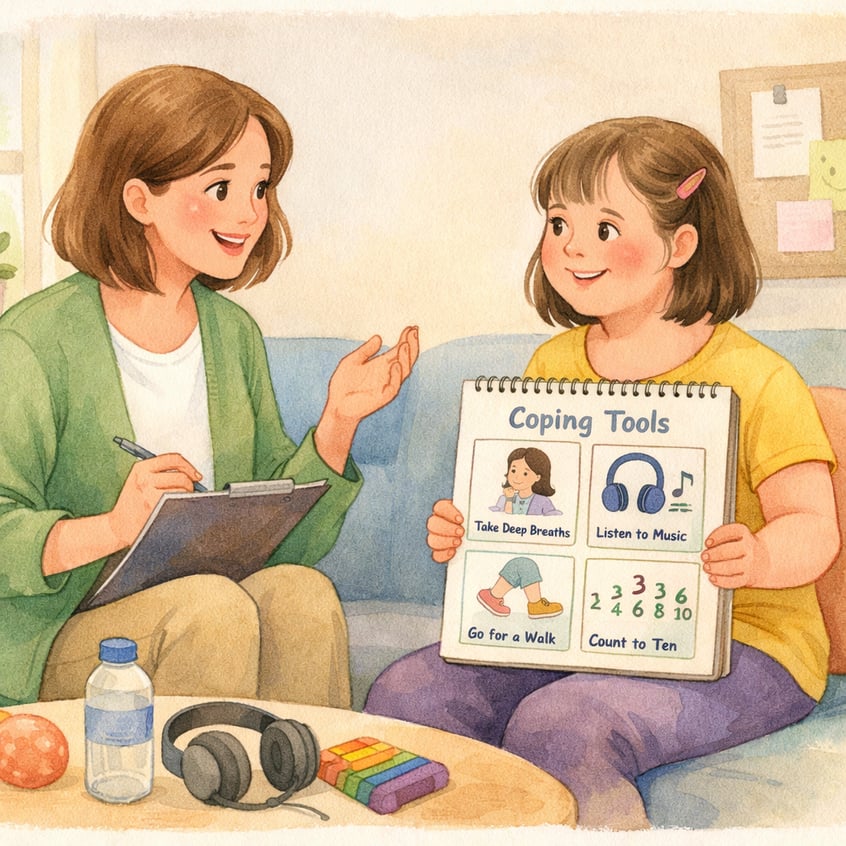
Skill-building is personalized and may include:
- Communication skills to express needs and emotions
- Social skills for relationships
- Emotional regulation and coping strategies
- Basic life skills for independence
By developing functional skills, PBS helps individuals meet their needs in healthier ways, leading to lasting positive outcomes and greater empowerment.
Proactive vs. Reactive Approaches
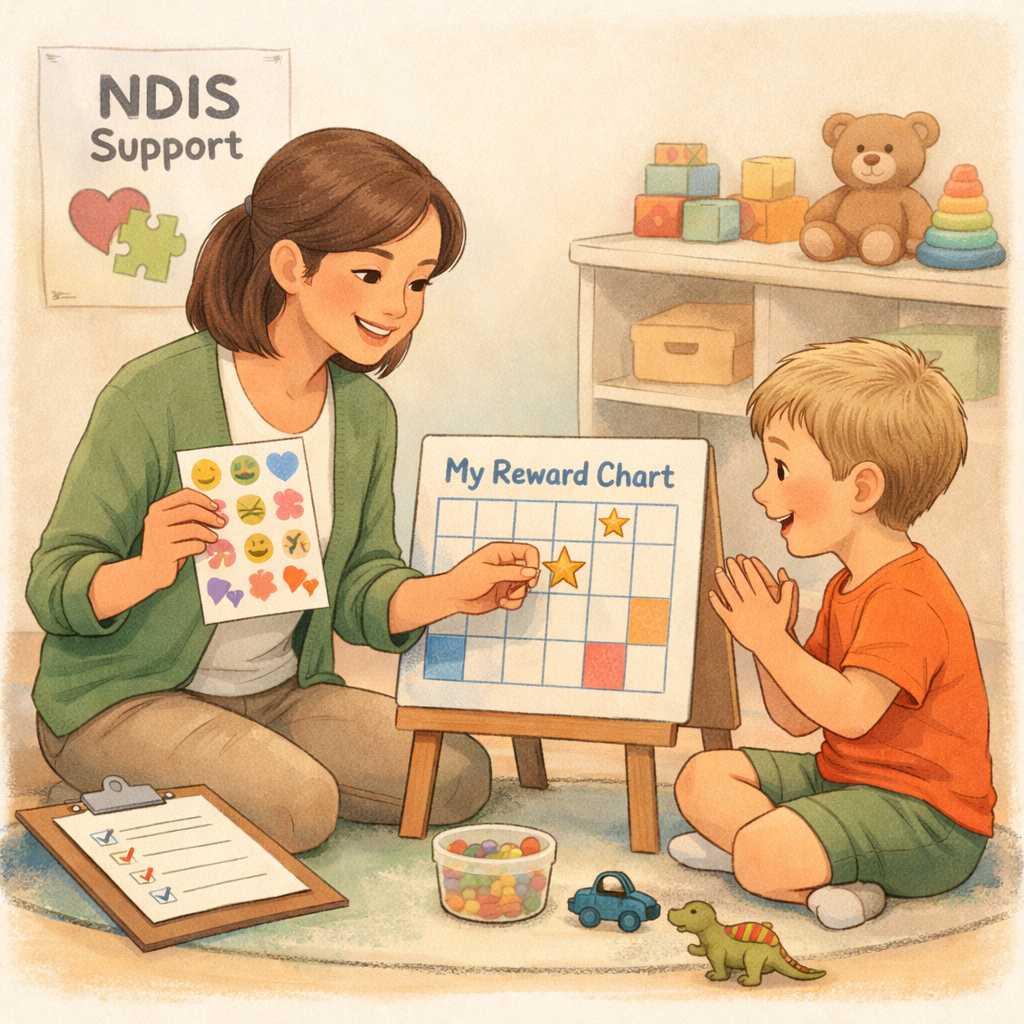
A core principle of Positive Behaviour Support is its emphasis on proactive approaches. This means focusing on prevention by identifying and addressing the triggers of behaviours of concern before they happen, thereby enhancing a person’s quality of life. Proactive strategies are about creating a supportive environment where the individual feels safe and understood, reducing the likelihood of distress.
Examples of proactive strategies include:
- Training support workers to recognize early warning signs and respond in a supportive way, guided by the principles of the positive behaviour support capability framework.
- Teaching new communication skills so a person can express their needs effectively.
- Training support workers to recognize early warning signs and respond in a supportive way.
In contrast, reactive strategies are used to manage a behaviour while it is happening. While sometimes necessary for safety, PBS aims to reduce the need for them. Reactive measures don't address the underlying cause of the behaviour. The goal of a good behaviour support plan is to rely more on proactive interventions, creating a positive and empowering atmosphere for everyone.
Conclusion
In conclusion, understanding Positive Behaviour Support and its required capabilities under the NDIS is essential for enhancing the quality of life for participants. By focusing on core principles and evidence-based strategies, individuals can develop meaningful skills and achieve their goals in a supportive environment. Accessing these services through the NDIS ensures that you receive tailored support from qualified specialists who genuinely care about your progress.
If you're ready to take the next step in your journey, consider reaching out for consultation or call daar at 02 9133 2500 for more information on how to include Positive Behaviour Support in your NDIS plan.
Frequently Asked Questions
How do I include positive behaviour support in my NDIS plan?
To include positive behaviour support in your NDIS plan, you need to discuss your need for these services during your planning meeting. Explain how behaviour support services will help you achieve your goals. Your funded support plan will then include the 'Improved Relationships' category, allowing an NDIS participant to access these supports while ensuring compliance with the NDIS Quality and Safeguards Commission.
Who can provide positive behaviour support services under the NDIS?
Only a registered NDIS behaviour support provider can deliver these services. These providers employ a qualified behaviour support practitioner, including representatives of each state, who meets the NDIS quality and safeguards requirements. Your chosen provider and their support team will work with you to develop and implement your NDIS behaviour support plan.
What does a positive behaviour support plan typically include?
A positive behaviour support plan is tailored to the person's needs. It includes proactive strategies to prevent behaviours, skill-building exercises, and guidance for responding safely. If a restrictive practice is used, the plan must detail why it's necessary and include a strategy to reduce or eliminate it over time, ensuring the freedom of movement of the individual is prioritized.
What is behaviour support in NDIS?
Behaviour support in the NDIS focuses on assisting individuals with disabilities to improve their quality of life. It involves developing tailored strategies to address challenging behaviours, promoting positive interactions, and enhancing communication skills. This approach empowers participants to engage meaningfully in their communities while fostering independence and well-being.
.svg)




.svg)