
.png?width=48&height=48&name=Group%201%20(3).png)























28 September, 2026

Building Skills: Positive Behaviour Support for Children

Key Highlights
- Positive behaviour support helps children replace challenging behaviour with safer, more useful skills.
- A clear support plan focuses on triggers, routines, and practical responses to behaviours of concern.
- The approach uses positive reinforcement to build communication, participation, and independence.
- Families and professionals work together to support emotional regulation in daily settings.
- Positive behaviour support is individualised, so strategies match each child’s strengths and needs.
- Consistent use at home and school can improve learning, wellbeing, and overall progress.
Introduction
Positive behaviour support gives you a practical way to understand your child’s actions and guide them toward better choices. Instead of only reacting to difficult moments, this approach looks at why behaviour happens and teaches helpful alternatives. That makes positive behaviour change more realistic and lasting. When families, teachers, and therapists use the same plan, your child’s progress becomes easier to track. Over time, positive behaviour support can help children communicate more clearly, learn new skills, and feel more successful each day.
Why Positive Behaviour Support Matters in Child Development
Positive behaviour support matters because it helps children learn, join in, and communicate in more effective ways. It works by looking at the purpose behind behaviour, then teaching positive behaviour and new skills that meet the same need in a safer way.
Just as important, it improves quality of life by focusing on your child’s needs, strengths, and goals. A behaviour support plan gives everyone clear steps to follow. To see why this approach stands apart, it helps to compare it with traditional discipline and then look at its emotional and social benefits.
Comparing Positive Behaviour Support to Traditional Discipline
Traditional discipline stops unwanted behaviour but often ignores its cause. Positive behaviour support focuses on what the child is trying to achieve, avoid, or communicate.
Based on applied behaviour analysis, this approach centers on the child and family. Instead of pressure or punishment, it creates a support plan around the child’s strengths and goals.
It teaches new skills, reduces triggers, and guides adults to respond consistently. This not only manages behaviour but also helps children learn healthier ways to cope and express needs—making support more respectful and effective.
Benefits for Children’s Emotional and Social Growth
When children understand what to do instead of what not to do, they often feel calmer and more capable. That is where emotional regulation begins to grow. A child who can ask for a break, use words, or follow a simple routine has more control in hard moments.
Positive behaviour support also strengthens social skills. It can help young people share information, ask for what they want, and take part in learning with less stress. These changes often improve quality of life at home, in school, and in the community.
Parents can support this growth by:
- using simple, consistent responses
- praising helpful communication and effort
- practicing skills during regular daily moments
Common Positive Behaviour Support Techniques and Strategies
Many behaviour support strategies are simple, but they work best when they are based on assessment. A positive behaviour support plan usually includes reducing triggers, teaching communication, and responding in consistent ways that support learning instead of conflict.
Positive reinforcement is a key part of this process because it encourages the behaviouurs you want to see more often. If your child’s difficulties are ongoing, intense, or hard to understand, behaviour support practitioners can help. The next sections explain common therapy approaches and practical tools you can use at home.
Examples of Effective Child Behaviour Therapy Approaches
Effective support starts with a comprehensive assessment. This may include a medical check to rule out physical illness and a functional assessment to understand what the child’s behaviour is communicating. From there, families and professionals create a detailed plan.
Positive behaviour support can sit alongside the main types of therapies used for children, including behavioural therapies and developmental approaches. The key is a holistic approach that respects strengths, everyday routines, and the child’s goals.
|
Approach Step |
What It Looks Like |
|---|---|
|
Medical assessment |
Checks whether pain or illness, such as an ear infection or toothache, is affecting behaviour |
|
Functional assessment |
Observes the child’s behaviour and identifies triggers, patterns, and purpose |
|
Plan development |
Builds strategies to reduce triggers, teach skills, and guide adult responses |
|
Plan review |
Tracks progress and adjusts supports when needed |
Practical Strategies Parents Can Use at Home
At home, positive behaviour support works best when it fits daily routines. You do not need complicated systems. Start by noticing when behaviour happens, what comes before it, and what your child may be trying to say or avoid. That gives you a clearer starting point.
Next, build a supportive environment with simple expectations and steady responses. Positive reinforcement can help your child connect helpful actions with success. Visual supports may also make routines and communication easier, especially when stress is high.
Useful ideas include:
- keeping routines predictable across the day
- using visual supports for steps, choices, or transitions
- praising new skills and calm communication right away
Implementing Positive Behaviour Support in Schools and Homes
Positive behaviour support can be used both at home and in schools because children learn best when adults respond in similar ways. A shared support plan helps your child know what to expect, no matter where they are.
This works best when a support network communicates regularly about strategies and child’s progress. A collaborative team can review what is helping and what needs to change. To make that happen, families and educators need clear roles and consistent environments, which the next two sections cover.
Collaborative Approaches for Educators and Families
Strong outcomes depend on a collaborative team. Parents, teachers, psychologists, and other support team members each see different parts of a child’s day. When they share those observations, the plan becomes more accurate and easier to use.
Psychologists and behaviour support practitioners often help with assessment, planning, and review. An experienced education professional can also support implementation in learning settings. For younger children, an early childhood partner may help families connect support across services.
A helpful team usually:
- agrees on common responses and goals
- shares updates on triggers, progress, and difficult situations
Creating Consistent Supportive Environments
Children benefit when behaviour support happens on a daily basis, not only during major incidents. Consistency helps them understand what works. It also lowers confusion, which can reduce stress and improve follow-through.
A supportive environment is one where adults use the same cues, expectations, and responses in the child’s natural environment. That matters because behaviour is shaped by real situations, not just therapy sessions. Home, school, and community settings all play a part.
To build consistency:
- use the same key prompts and praise across settings
- review routines often so adults respond in similar ways
Positive Behaviour Support for Children with Autism and Special Needs
Positive behaviour support can be helpful for autistic children and those with other specific needs, including learning, developmental, intellectual, and social challenges. Its purpose is not just to reduce challenging behaviour, but to improve participation, communication, and wellbeing.
That is why a positive behaviour support plan should always be based on an individualised plan. Child behaviour therapy works best when it matches the child’s strengths, goals, and daily settings. The next sections explain how plans are tailored and why research supports this approach for diverse needs.
Tailoring Child Behaviour Therapy Plans
Each child needs a unique behaviour support plan. It begins with a functional assessment to understand the purpose of the behaviour, sometimes followed by a medical check for pain or illness.
Professionals and families then create an individualised plan to reduce triggers, teach replacement skills, and guide adult responses. This approach focuses on meeting needs rather than simply stopping behaviour.
A psychologist or trained therapist experienced in Positive Behaviour Support should lead the process. Skilled education professionals may also contribute. The key is expertise in assessment, planning, and child-centered strategies that respect strengths and neurodiversity.
Evidence of Effectiveness for Diverse Needs
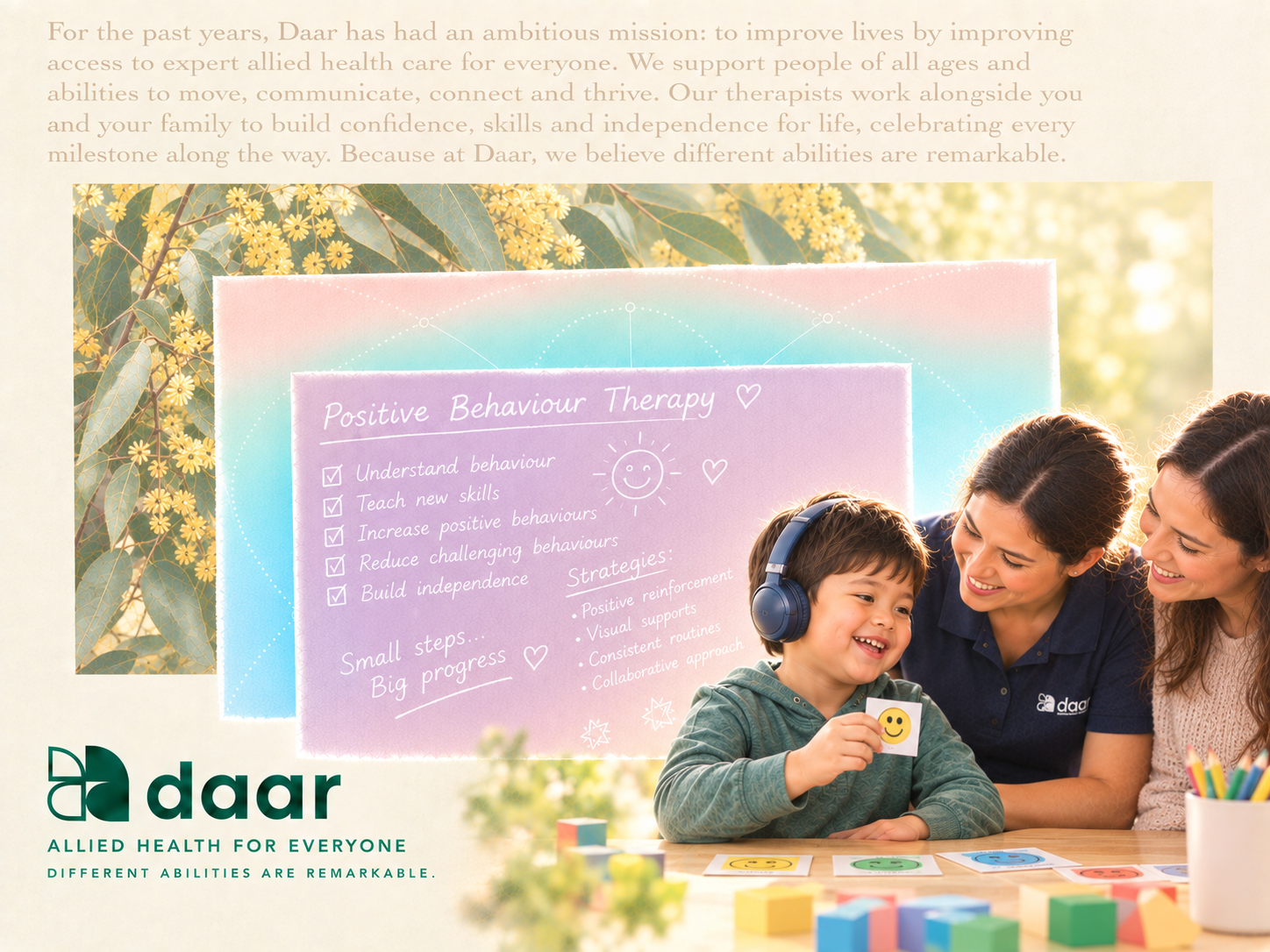
Research shows that positive behaviour support (PBS) is evidence-based and effective for children with diverse needs, including autism. PBS can boost school performance, communication, and daily participation while reducing aggression, meltdowns, and disruptive behaviours.
These benefits improve quality of life for children and families. With consistent use, children are more likely to learn valuable skills and participate in daily activities with less distress, making PBS both practical and respectful of individual needs.
The source also notes:
- Families can ask the NDIS if PBS therapy costs can be included in a child’s plan in Australia.
- Subsidised psychology sessions may be available through Medicare or private health insurance.
Conclusion
In conclusion, embracing Positive Behaviour Support can transform how we approach child development. By focusing on understanding and addressing the needs of children, especially those with autism and special needs, we create nurturing environments that foster emotional and social growth. Implementing techniques from home to school can bridge gaps and promote consistent support, ultimately leading to more positive outcomes in children's behaviour and well-being. Remember, every child is unique, and through tailored strategies, we can make a significant difference in their lives.
If you're ready to explore these strategies further, don't hesitate to reach out for a consultation or call daar at 02 9133 2500!
Frequently Asked Questions
Can positive behaviour support be used both at home and school?
Yes. Positive behaviour support is most effective when adults use the same behaviour support plan across settings. That creates a supportive environment and makes daily routines more predictable. When home and school respond similarly, your child’s behaviour is easier to understand, support, and improve over time.
Are there specific strategies for parents to help their child?
Yes. Parents can use positive behaviour support by noticing patterns, following guidance from a functional assessment, and practicing simple strategies in daily life. Positive reinforcement, predictable routines, and praise for new skills can help children learn better ways to communicate and cope.
Is positive behaviour support only for children with disabilities?
No. Positive behaviour support can help any child with behaviour challenges, not only children with disabilities. Because it is based on child’s needs, it uses an individualised plan to teach new behaviour, reduce triggers, and improve participation, wellbeing, and overall quality of life.
.svg)




.svg)