
.png?width=48&height=48&name=Group%201%20(3).png)























22 September, 2026

How to Establish Healthy Screen Time for Kids

Key Highlights
- Healthy screen time depends on age, with zero screen time for children under 2 except video chatting.
- For ages 2-5, screen time limits should stay at no more than one hour a day with shared media use.
- For ages 5-17, the American Academy of Paediatrics supports clear limits, usually two hours daily outside homework.
- Excessive screen time can affect mental health, sleep, learning, and behaviour.
- A family media use plan helps parents set practical rules at home.
- Screen-free bedrooms and more face-to-face time support healthier habits.
Introduction
Digital media is part of daily life, so managing children’s screen time can feel hard. Phones, tablets, TVs, and video games are everywhere, and many kids now spend far more time on screens than past generations. That is why clear screen time guidelines matter. When you set simple rules early, you support healthy development, better sleep, and stronger family habits. The goal is not to fear screens, but to help your child use them in a balanced, healthy way.
How Excessive Screen Time Impacts Children’s Health
Too much screen use can affect children’s health in several ways. Research discussed by paediatricians links excessive screen time with obesity, anxiety, depression, and other mental health concerns. It can also reduce sleep, which then affects energy, mood, and school performance.
There is another concern many parents miss. When screens take up too much time, they often replace physical activity, homework, and in-person connection. Over time, that shift can hurt social growth and daily routines. The next sections break down what these effects can look like at home.
Physical, Emotional, and Social Effects
Start with the physical side. When a child spends too much time with screens, physical activity often drops. That can raise the risk of weight problems and poor sleep. Screen use before bed is especially disruptive because blue light can make it harder for the brain to prepare for sleep.
There is also an emotional cost. Excessive screen time has been linked with mental health concerns such as anxiety and depression. Some children also show behavioural issues, especially when they get used to instant gratification from devices and struggle with limits in daily life.
Just as important, screens can interfere with the development of social skills. Real conversations teach children to wait, listen, respond, and take turns. Social media and fast digital content do not teach those same real-world habits. Over time, less human interaction can make face-to-face relationships harder.
Identifying Signs of Too Much Screen Exposure
Sometimes the warning signs show up before the numbers do. A child’s screen time may be too high when screens start replacing sleep, homework, movement, or family time. You may also notice that your child becomes less patient during real-life interactions.
Watch for patterns like these in daily screen time:
- Trouble falling asleep or getting enough rest
- Less interest in physical play, homework, or outdoor sports
- Behavioural issues when screen use is limited
- Impatience during face-to-face conversations or play
In many homes, excessive screen time also shows up as disconnection. If your child seems drawn to devices over family members, or struggles with turn-taking and listening, it may be time to reset routines. The good news is that small changes at home can make a real difference.
Essential Strategies for Screen Time Management at Home
Good screen habits usually start with structure. When you set limits clearly and keep screen time rules simple, children know what to expect. That lowers conflict and helps media use fit around sleep, school, and family life instead of replacing them.
Another helpful step is creating a family media use plan. The Academy of Paediatrics recommends this approach because it helps parents decide what kind of screen use is appropriate, and when and where it should happen. From here, it helps to look at limits and home activities more closely.
Setting Clear Limits for Managing Screen Time
One of the best ways to manage screen use is to match rules to your child’s age group. That keeps expectations realistic. It also helps you follow widely used screen time guidelines without making the plan too complicated for your family.
Here is a simple text table based on paediatric guidance:
|
Age Group |
Recommended Screen Use |
|---|---|
|
Under 2 years old |
Zero screen time, except video chatting with family or friends |
|
2-5 years old |
No more than one hour per day, ideally co-viewing with a parent or sibling |
|
5-17 years old |
Generally no more than two hours per day, except for homework |
Keep your family media plan practical. Set limits for where screens can be used, and make bedrooms screen-free. It also helps to avoid screens for two hours before bedtime. Preschoolers need closer guidance and shared viewing, while older kids still benefit from clear daily boundaries and consistent routines.
Encouraging Non-Screen Activities and Family Participation
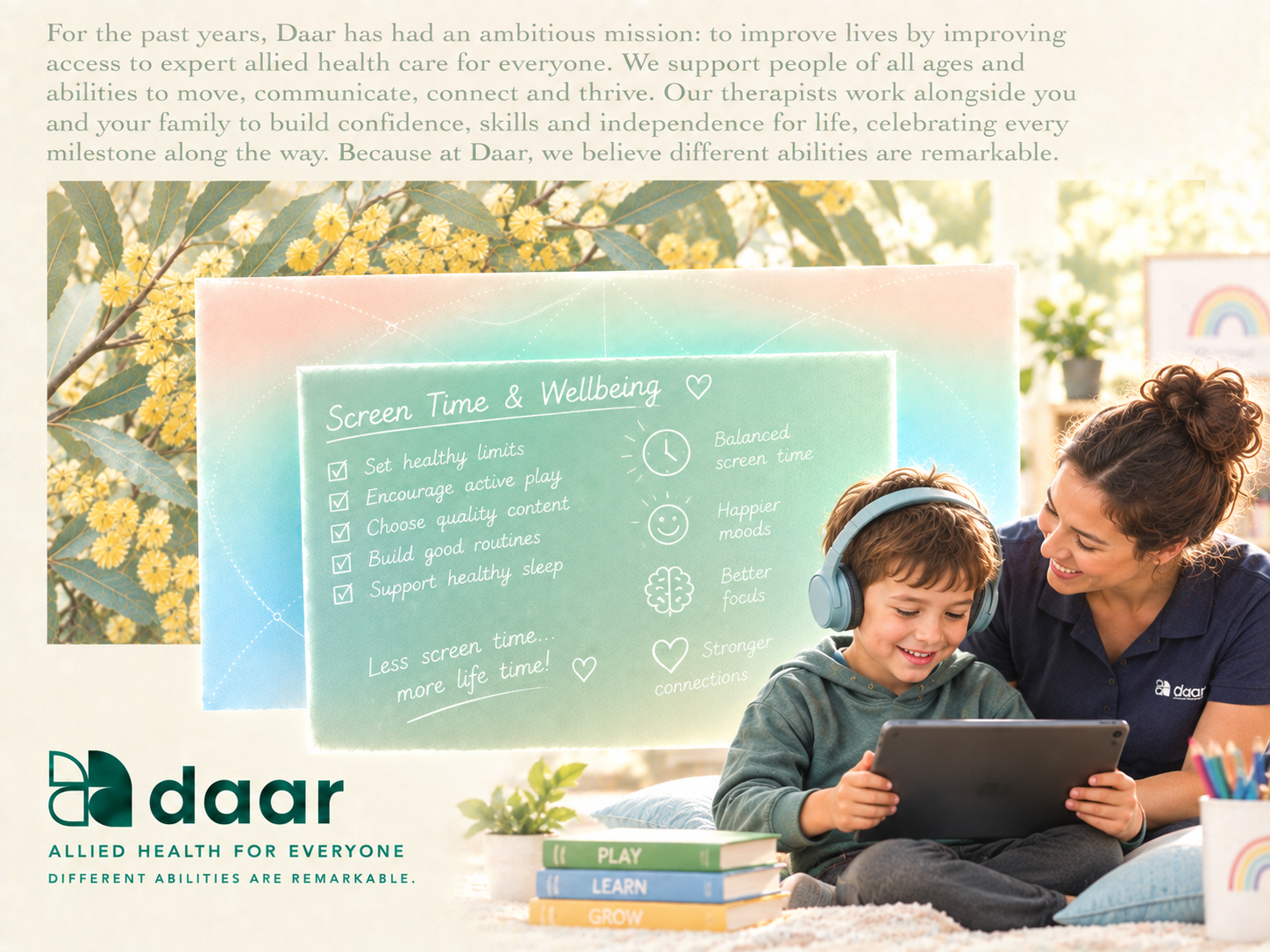
Cutting back works better when you fill that free time with something positive. If you remove screens without a plan, children may resist. If you replace that time with family time, movement, and face interactions, the change feels more natural and useful.
You can encourage the real world with simple options like:
- Outdoor sports and active play
- Reading before bed instead of watching a screen
- Family games or shared conversations
- Choosing quality content and watching together when screens are used
What matters most is participation. Younger children learn best through human interaction, not only through digital media. When you talk, play, and spend time together, you support healthy development and stronger relationships. Those shared moments also teach patience, listening, and social connection in ways screens cannot replace.
Conclusion
In conclusion, establishing healthy screen time for kids is crucial for their overall well-being. By understanding the impact of excessive screen use on physical, emotional, and social health, parents can take proactive steps to manage screen time effectively. Setting clear limits, encouraging non-screen activities, and involving the whole family in these initiatives are essential strategies for fostering a balanced lifestyle. As children grow, adapting these rules will ensure that they develop healthy habits that benefit them now and in the future.
For personalised guidance on managing your child's screen time, don’t hesitate to reach out for a consultation or call daar at 02 9133 2500!
Frequently Asked Questions
What are the best tools and apps for parental control of screen time?
A good starting point is the American Academy of Paediatrics family media use plan available on the AAP’s website. For screen time monitoring, focus on tools that help you set limits and guide parental control choices around quality content. Common Sense Media can also help you review what your child watches.
How can I talk to my child about developing healthy screen habits?
Use a healthy approach and keep the conversation simple. Explain that healthy screen time helps with sleep, school, mental health, and family connection. For younger children, talk during shared activities and model the habits yourself. Calm, regular talks about screen use support language development and better cooperation.
How do I adjust screen time management rules as my child grows?
Adjust rules by age group. Younger children need closer supervision and stricter screen time limits, while older kids can handle more independence within clear boundaries. Keep using screen time guidelines as your base, and review routines often so screen use continues to support sleep, school, and healthy development.
.svg)




.svg)