
.png?width=48&height=48&name=Group%201%20(3).png)























10 September, 2026

Exploring Telehealth: Real-World Results You Need to Know
Key Highlights
- Telehealth transitions learning out of the artificial clinic setting and into the "natural environment," leading to faster and more practical skill-building.
- Virtual sessions naturally shift the focus toward caregiver coaching, empowering parents with hands-on strategies they can use 24/7.
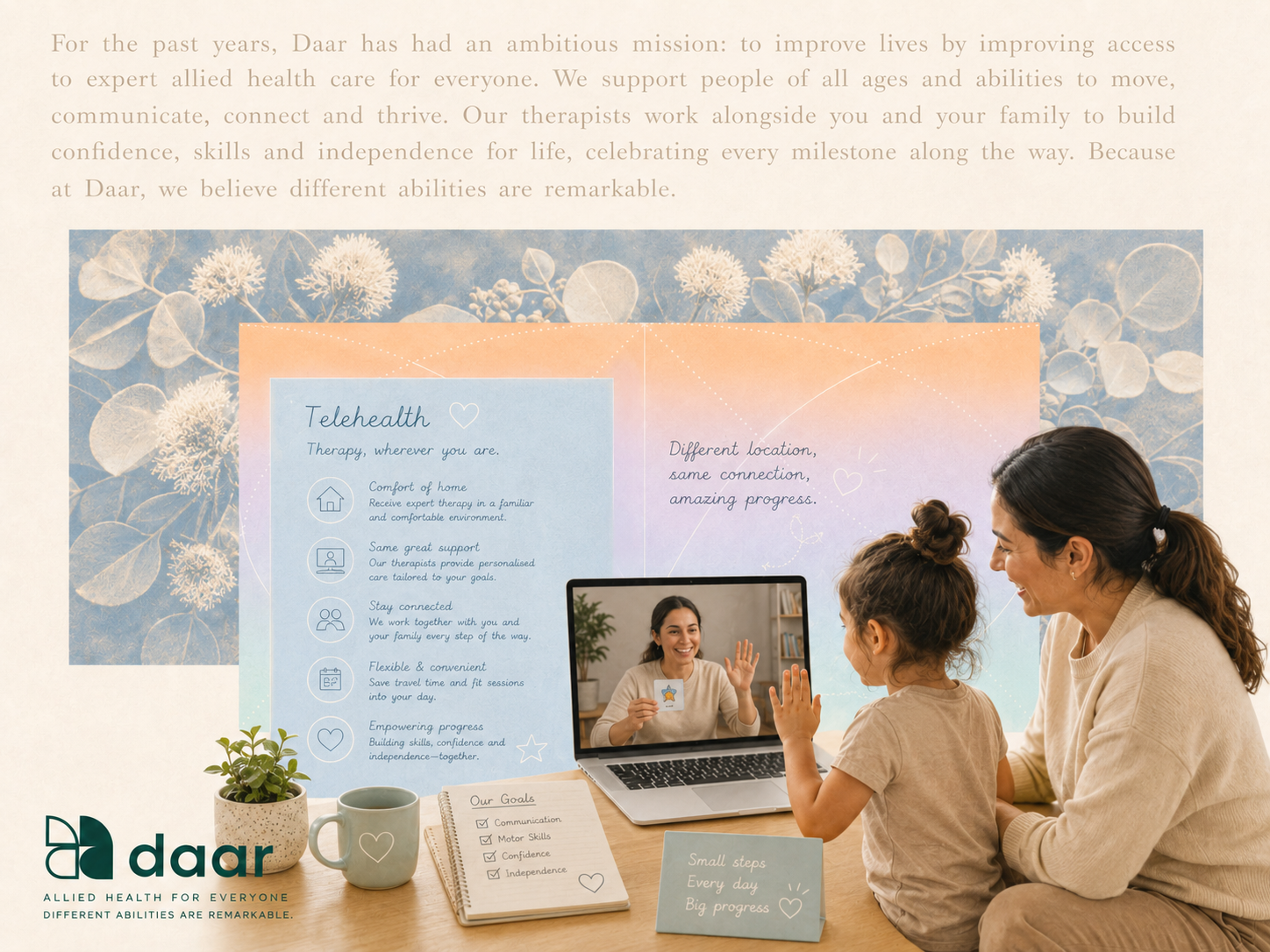
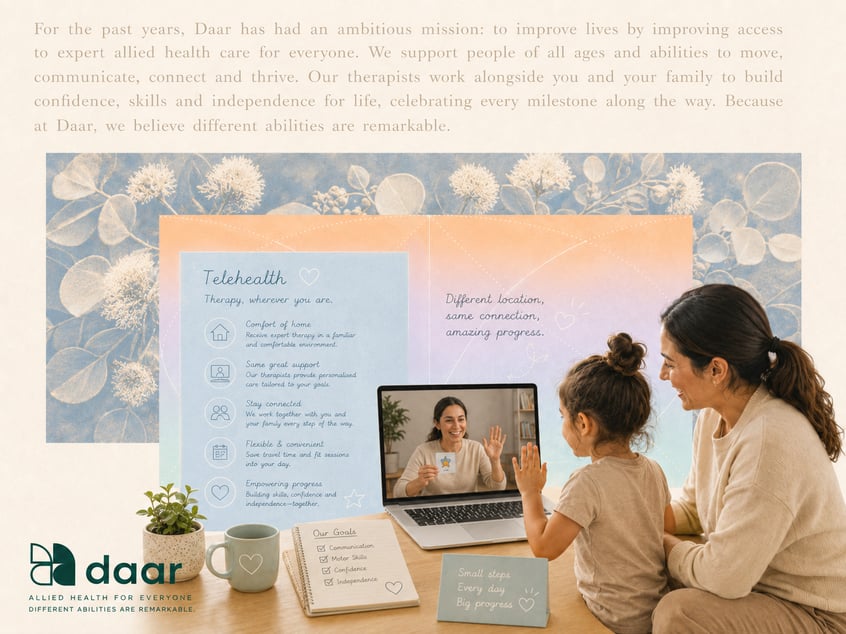
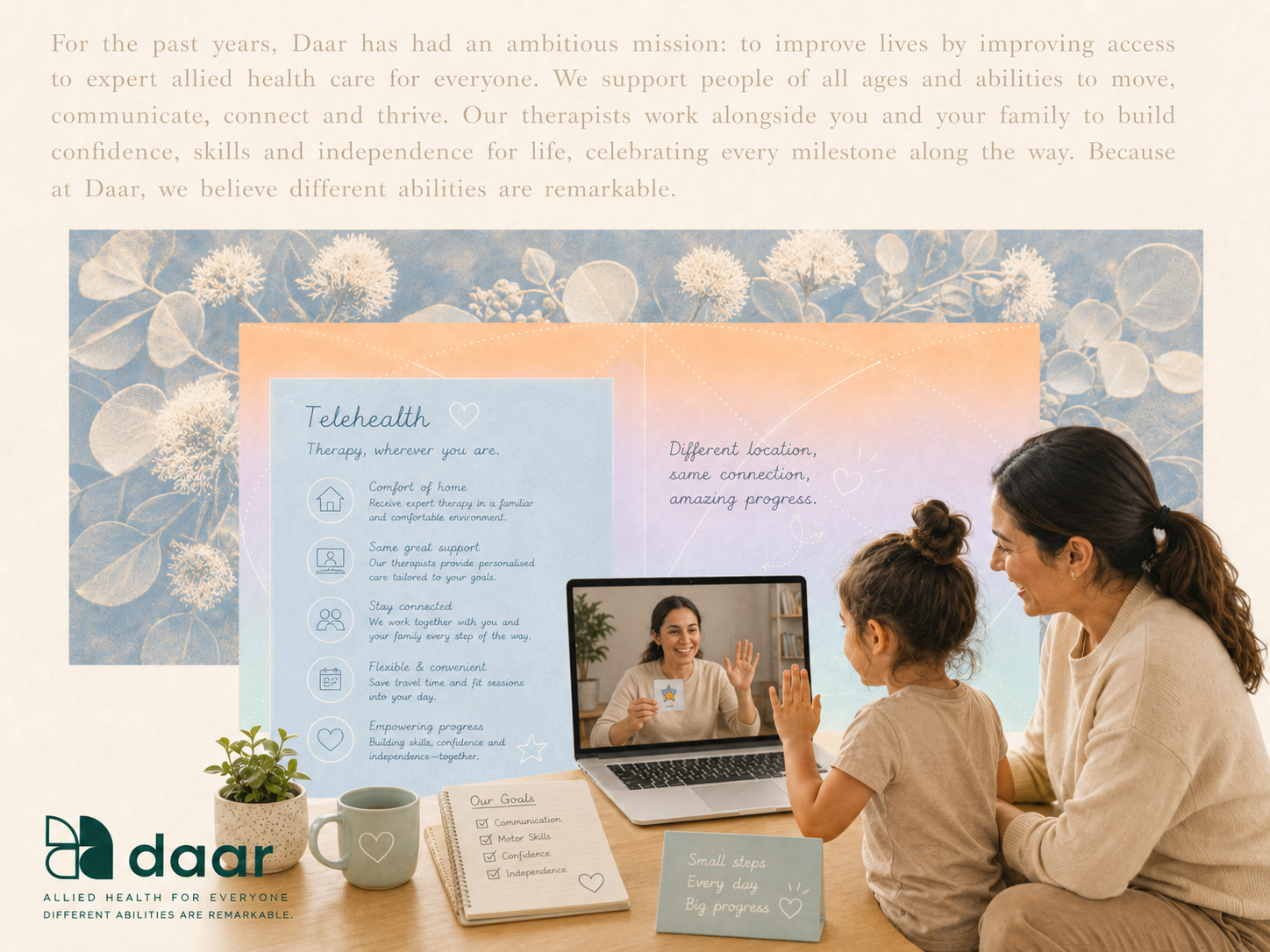
- Learning emotional regulation or communication skills at home helps clients better generalise these abilities in their day-to-day lives. Telehealth encourages older children, teens, and adult NDIS participants to take ownership of their therapy, fostering greater independence. Telehealth is a method of delivering therapy or healthcare services remotely using technology such as video calls or online platforms. It works by connecting clients and therapists in real time, allowing therapy sessions to take place from the comfort of home while maintaining the same level of personalized support.
- Telehealth encourages older children, teens, and adult NDIS participants to take ownership of their therapy, fostering greater independence.
- Our clinicians at daar can provide real-time problem-solving using the actual tools, layout, and routines present in your household.
Introduction
When telehealth first gained popularity, it was largely praised for its convenience, especially for individuals in rural areas and remote areas. However, as the healthcare landscape has evolved, a much more exciting realisation has emerged: telehealth is not just convenient; in many cases, it is actually a clinically superior way to build everyday skills. Australian health practitioners conducting telehealth consultations follow specific guidelines established by professional regulatory bodies, such as the Australian Health Practitioner Regulation Agency (AHPRA) and relevant national boards. These guidelines ensure patient privacy, informed consent, and uphold high standards of clinical care during online appointments.
At daar, we focus on helping Australians achieve meaningful, lasting improvements in their daily lives through video consultations. By stepping out of the traditional clinic and into your living room via a screen, our allied health professionals can observe, guide, and support you in a convenient way, exactly where life happens. This unique dynamic unlocks a level of practical therapy and caregiver empowerment that face-to-face clinic visits often struggle to match.
The Power of the "Natural Environment"
In allied health—particularly in speech therapy, early intervention, and applied behaviour therapy—there is a concept called "generalisation." This refers to a person's ability to take a skill learned in therapy and successfully use it in the real world. In Australia, the Australian Government ensures that telehealth is covered by Medicare for certain allied health care services, making it accessible for individuals seeking therapy outside traditional settings. This coverage helps support clients in applying their learned skills in their own natural environment.
Empowering Parents and Caregivers
One of the most effective hidden benefits of telehealth is how it transforms the role of the parent or caregiver in accessing medical care. In a physical clinic, it is very easy for a parent to sit back and watch the therapist do the heavy lifting.
Through a virtual screen, our clinicians at daar cannot physically hand a child a toy or prompt a physical action. Instead, the therapist must guide the parent to deliver the intervention. This is known as a caregiver-coaching model. While it may feel hands-on at first, it is incredibly empowering. Parents walk away from every telehealth session having actively practiced the strategies themselves, enhancing their ability to understand their child’s test results, equipping them with the confidence to handle challenging behaviours, encourage speech, or implement positive routines long after the clinician has logged off, especially by ensuring they provide the correct phone number for any follow-up questions.
Real-Time Problem Solving
Life doesn't happen in a vacuum. Sometimes the biggest hurdles families face involve highly specific home routines, like sibling sharing, mealtime difficulties, or morning dressing routines.
Telehealth allows our practitioners to be a "fly on the wall" during these crucial moments. Instead of a parent trying to describe a behavioural trigger to a psychologist days after it happened, a telehealth session can be scheduled to observe the home dynamic in real-time. Clinicians can provide immediate, practical advice based on the actual layout of your house, the sensory inputs in the room, and current family interactions.
Fostering Independence and Capacity Building
For teens and adults navigating the NDIS, a major goal is often building independence and capacity. Telehealth naturally supports this objective and promotes the continuity of care. Managing a digital schedule, setting up a laptop, testing a microphone, and taking ownership of creating a private space for therapy are all fantastic executive functioning exercises. Engaging in virtual therapy helps participants build vital digital literacy and self-management skills that translate into education and workplace environments.
Conclusion
Therapy shouldn't just be something that happens for one hour a week in a sterile room; it should be integrated into your actual life. The true effectiveness of telehealth, including telehealth coverage options, lies in its ability to bring professional expertise directly into your natural environment, fostering parent empowerment and real-world results. In Australia, eligibility to use telehealth services generally includes residents who have access to reliable internet and an appropriate device. Certain providers may have additional requirements, and some services are funded or subsidized for specific populations, such as those with a Medicare card or NDIS participants.
If you want to experience therapy that translates seamlessly into your everyday routine, our expert multidisciplinary team is ready to help. Reach out to explore a consultation or call daar at 02 9133 2500 to find your perfect match.
Frequently Asked Questions
Is telehealth suitable for providing positive behaviour support?
Yes, it is highly effective. Positive Behaviour Support (PBS) relies heavily on observing triggers in the individual's natural environment and conducting a thorough physical examination of the situation while upskilling the people around them. Telehealth allows our practitioners to observe the home dynamic safely and provide direct coaching to parents, support workers, and educators on how to implement the behaviour support plan successfully.
Do we need to buy special therapy toys for a virtual telehealth consultation early intervention session in a quiet place?
Absolutely not! That is the beauty of telehealth. Our clinicians prefer to use the toys, books, and household items you already own. We will guide you on how to turn everyday objects—like building blocks, kitchen containers, or favourite books—into powerful therapeutic tools.
How does a provider assess clinical progress over a video call?
Our registered psychologists, speech therapists, and behaviour therapists use standardised observation techniques, structured parent interviews, and digital assessment tools. By observing how the client interacts with you and their home environment, we can accurately track developmental milestones, emotional regulation, and communication progress.
.svg)




.svg)