
.png?width=48&height=48&name=Group%201%20(3).png)























20 August, 2026

NDIS Improved Relationships Support: Boosting Your Connections
Key Highlights
- NDIS Improved Relationships support sits under capacity building and helps you build safer, stronger everyday connections.
- It can support social skills, communication, emotional regulation, and better responses in social situations.
- In some plans, relationships funding may include specialist behavioural support for behaviours of concern.
- In PACE arrangements, social skills and behaviour support may appear in separate categories.
- Your NDIS plan must show this stated support clearly, because the funding is for a specific purpose only.
Introduction
The National Disability Insurance Scheme includes supports that can help you build positive relationships and handle social interactions with more confidence. NDIS Improved Relationships support is designed for people who need help with communication, emotional regulation, or challenging behaviour that affects everyday life. It can make it easier for you to connect with family members, support workers, friends, classmates, or coworkers. When the right support is in place, your social world can feel more manageable and more rewarding.
Understanding NDIS Improved Relationships Support
NDIS Improved Relationships support is one of the capacity building supports available to help you strengthen how you relate to others. These NDIS supports focus on social understanding, communication, and managing behaviours that may affect your daily life, learning, work, or community participation.
Depending on your plan type, relationship supports may include social skills development and, in some cases, behaviour support. Legacy and PACE plans organize these items differently, but the aim stays similar: helping you build practical skills for healthier interactions. The next sections explain the goals and who may qualify.
Core Goals and Purpose of Improved Relationships
This support helps you connect with others in safer, more respectful, and effective ways. It builds skills to boost your confidence at home, school, work, and in the community.
For some, the focus is positive behaviour support—reducing concerning behaviours, understanding triggers, and learning better responses when emotions run high. Emotional regulation is key, especially when stress impacts communication or decisions.
You may also learn everyday tools for stable relationships: listening, body language, setting boundaries, and resolving conflicts. These small changes encourage positive behaviour over time and make social situations less overwhelming and more predictable.
Who Qualifies for Improved Relationships Support in Australia
Eligibility follows the usual NDIS rules. The support needs to relate directly to your disability and help you work toward goals in your NDIS plan. It must also be considered reasonable and necessary, with approved NDIS supports linked to your needs.
In practice, this support is often considered when social communication or challenging behaviour creates barriers in daily life. It may be relevant for participants who need structured help to improve relationships, manage distress, or build social participation safely.
You may be considered for this funding if:
- you have behaviours of concern that affect your safety or the safety of others
- you need support linked to mental health conditions that impact social functioning
- you have intellectual disabilities and need help with communication or relationship skills
- your NDIS plan goals include better social interaction, community access, or emotional regulation
Services Included in NDIS Improved Relationships Funding
The exact services depend on whether you have a legacy plan or a PACE plan, but the main focus stays similar. Within your NDIS plan, this area of the capacity building budget is used for supports that strengthen communication, relationship skills, and safer ways to respond in social settings.
Legacy plans may include social skills development and specialist behaviour supports. In those cases, abehavioural support plan may guide strategies for you, your family, and other support people. Under PACE, social skills and behaviour support are separated more clearly. Let’s look at both service types more closely.
Specialist Behavioural Intervention Support
Specialist behavioural intervention support is used when behaviours of concern are causing distress, risk, or major barriers in everyday life. This support is therapeutic in nature and focuses on reducing those behaviours through practical, positive strategies that fit your situation.
A behaviour support practitioner usually starts with a behavioural assessment. From there, they help shape a behaviour support plan that outlines helpful responses, goals, and strategies for you and the people supporting you. This can include family members and support workers.
Here is a simple overview:
|
Part |
What it involves |
|---|---|
|
behavioural assessment |
Looking at patterns, triggers, and the impact of behaviours of concern |
|
behaviour support practitioner |
A specialist who guides assessment, planning, and intervention |
|
behaviour support plan |
Positive strategies for the participant and support network |
|
specialist behavioural intervention support |
Therapeutic work aimed at safer, more stable daily interactions |
Social Skills Development and Peer Interaction Coaching
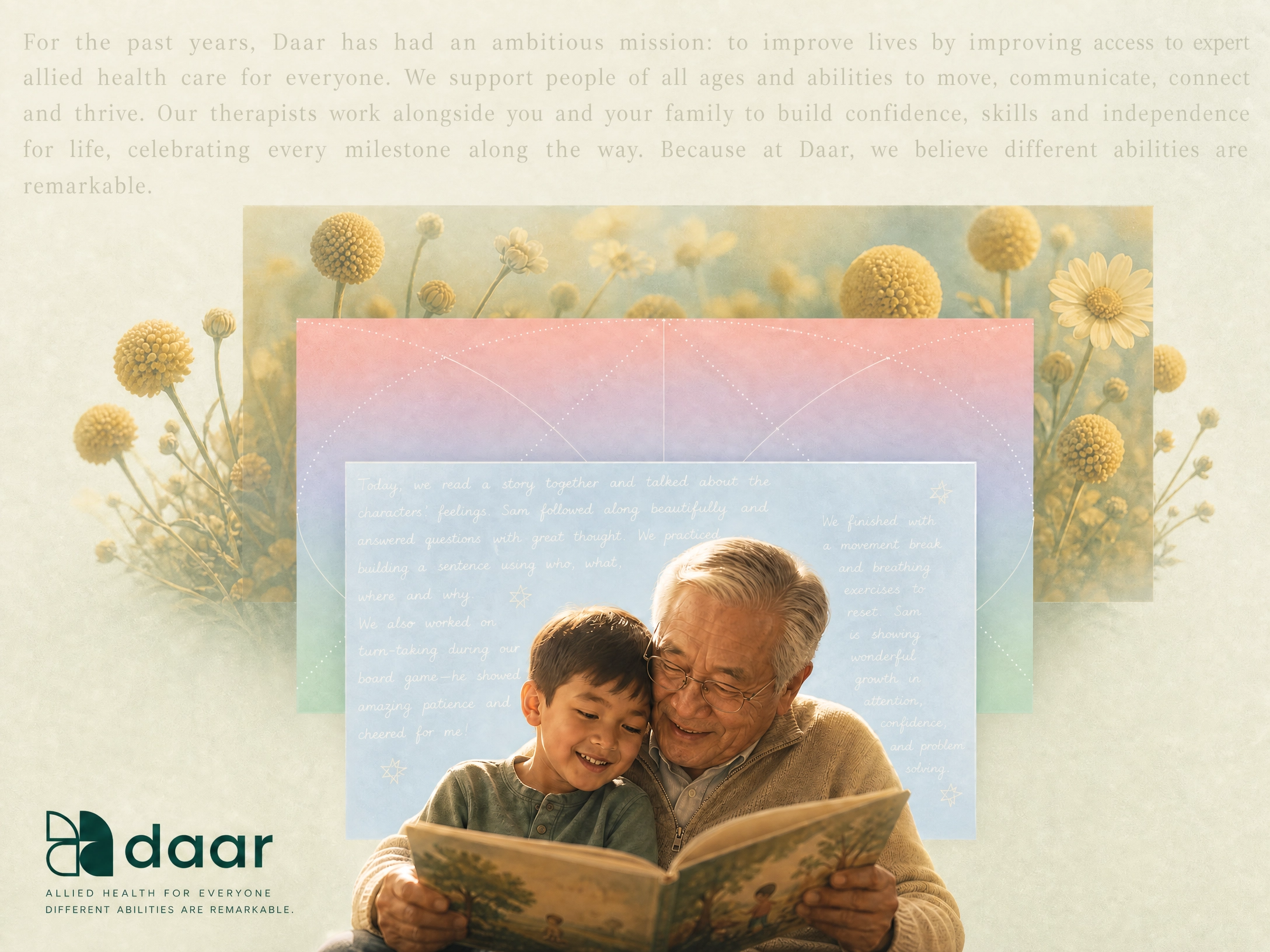
Not every challenge is about behaviour risk. Sometimes you simply need help learning how to connect, respond, and feel more comfortable around others. That is where social skills development can make a real difference. It is designed to build confidence in everyday social situations.
This support is usually delivered on an individual basis. Social skills training can help you understand what to say, how to listen, and how to read nonverbal communication. Over time, that can support stronger friendships, better group experiences, and wider social participation.
You might work on:
- starting and maintaining conversations
- reading body language, eye contact, and facial expressions
- building active listening and respect in shared spaces
- handling boundaries and conflict in social situations
- taking part in recreational activities, support groups, or social events using your relationships funding
Conclusion
In summary, NDIS Improved Relationships Support plays a crucial role in enhancing connections and fostering meaningful interactions. By focusing on core goals such as social skills development and behavioural interventions, individuals can access tailored services that empower them to navigate their relationships more effectively. Whether you're qualifying for support or seeking ways to improve your interpersonal connections, understanding the available resources is essential. Take the step towards enriching your relationships today.
If you're interested in learning more about how these supports can make a difference in your life, feel free to reach out for a consultation or call daar at 02 9133 2500!
Frequently Asked Questions
Can improved relationships funding be used for behaviour therapy?
Yes, in some cases. Under older arrangements, your capacity building budget may include behavioural intervention support and behaviour support if your NDIS plan includes it. Under PACE, behaviour therapy-style supports may sit in a separate Behaviour Support category rather than under Relationships.
Are there any restrictions on how I can use improved relationships support?
Yes. Relationships funding is a stated support, so it can only be used for that specific purpose within your capacity building supports. You need to use approved services, watch your spending, and make sure your support coordinator or plan management provider helps you stay within budget rules.
How do I monitor progress and report outcomes for improved relationships goals?
Work with your support providers to review goals in your NDIS plan and note changes in communication, social confidence, or daily routines. If you have a behaviour support plan, use it to track strategies and results. Clear records help when reporting outcomes and reviewing your capacity building budget.
.svg)




.svg)