
.png?width=48&height=48&name=Group%201%20(3).png)























2 October, 2026

Early Childhood Behaviour Support for Enhanced Learning

Key Highlights
- Early childhood behaviour support helps build positive behaviour through calm, clear behaviour management.
- Children do better when the learning environment feels safe, predictable, and respectful.
- Positive Behaviour Support focuses on teaching skills, not punishing mistakes.
- Early intervention can address concerns before they affect child development more deeply.
- Educators and families both guide behaviour by using routines, choices, and positive reinforcement.
- Understanding the reason behind behaviour leads to better support and stronger learning outcomes.
Introduction
Early childhood behaviour support plays a big part in how children learn, connect, and grow. When you understand behaviour as communication, it becomes easier to respond with calm guidance instead of punishment. That shift can improve child development and make the learning environment more secure for everyone. Whether you are a parent, carer, or educator, the goal is simple: help children build the skills they need to manage feelings, follow routines, and take part in daily learning with confidence.
Understanding Early Childhood Behaviour Support
Understanding the dynamics of young children's behaviour is essential in early childhood education. Early childhood behaviour support focuses on identifying the root cause of challenging behaviour, ensuring that every child’s unique needs are met. This approach encourages positive behaviour through consistent routines and clear expectations. By fostering a supportive environment and using positive reinforcement strategies, educators can effectively guide children in developing communication skills and emotional vocabulary. Ultimately, the goal is to create a safe space where children can thrive and learn.
The Importance of Early Intervention for Young Children
Early intervention is crucial because young children are still developing self-control, communication, and social skills. Support at this stage makes daily life feel safer and shields children from ongoing stress and setbacks.
Early behaviour challenges may stem from overwhelm, trouble with routines, or developmental delays. Timely support equips adults to respond calmly and teach rather than blame, promoting positive behaviour and preventing persistent issues.
Importantly, early intervention helps adults recognise a child’s needs before problems escalate. With the right support, children gain confidence, engage in learning, and build stronger relationships throughout their lives.
Common Causes of Challenging Behaviours in Early Years
Challenging behaviour in early childhood usually signals an underlying issue, like stress, confusion, tiredness, or frustration. Focusing only on stopping the behaviour may overlook the root cause.
These behaviours often relate to normal development—children are learning to wait, share, switch tasks, and manage emotions. They may also struggle with unclear routines or overwhelming environments.
Common causes include:
- difficulty with transitions
- sensory overload or frustration
- unclear instructions or expectations
- tiredness, boredom, or feeling overwhelmed
Effective behaviour management uses clear expectations, visual routines, calm redirection, and choices that minimise stress.
Foundations of Positive Behaviour Support (PBS)
Positive Behaviour Support (PBS) is built on understanding the unique needs of each child. It emphasises a supportive environment where positive reinforcement encourages healthy interactions and learning. Early childhood educators play a critical role by establishing clear expectations and consistent routines, making children feel safe and understood. By using functional assessments to identify the root causes of challenging behaviour, support teams craft tailored strategies that guide children's development and foster social skills, ensuring that all young children thrive in their early years.
Key Principles Guiding PBS in Early Childhood Settings
A strong positive behaviour support (PBS) approach starts with prevention. In early childhood settings, children thrive when adults reduce stress and set them up for success by teaching expectations clearly and creating supportive, safe environments.
Consistency is also crucial. Using the same approach across play, transitions, and group times helps children know what to expect, reducing anxiety and encouraging positive habits.
Key PBS principles include:
- stating clear expectations in positive language
- building consistent routines
- reinforcing effort and cooperation
- modeling calm, respectful communication
- offering choices to support autonomy
These strategies teach important skills, build trust, and guide children toward lasting positive behaviour.
How PBS Promotes Enhanced Learning Outcomes
When children feel secure, they are more ready to learn. Positive behaviour support improves attention, participation, and relationships because it reduces fear and confusion. This leads to enhanced learning outcomes across play, communication, and daily routines. A calm setting gives children space to practice new skills without constant correction.
In some cases, adults may use a functional assessment to understand what a behaviour is communicating. That information can shape a positive behaviour support plan that matches the child’s needs and practically supports child development.
|
PBS element |
How it supports learning |
|---|---|
|
Clear routines |
Reduces anxiety and helps children focus on what comes next |
|
Positive reinforcement |
Shows children which actions help them succeed |
|
Emotional coaching |
Builds language for feelings and supports communication |
|
Functional assessment |
Identifies triggers and likely reasons behind behaviour |
|
Positive behaviour support plan |
Gives adults a shared, consistent way to respond |
Early intervention services can strengthen this process by helping adults act early and stay consistent.
Effective Behaviour Support Strategies in Early Childhood Environments
In daily practice, the best behaviour management strategies are simple, clear, and easy to repeat. Early childhood educators can guide positive behaviour by using routines, modeling calm actions, and responding to children with warmth and consistency. These steps make behaviour support part of the day, not just a reaction to problems.
A strong positive behaviour support approach also works best when the learning environment is set up for success. That may include visual cues, clear boundaries, and a support plan that helps adults respond in similar ways. Next, let’s look at practical techniques educators can use right away.
Practical Behaviour Management Techniques for Educators
Effective behaviour management begins before issues arise. In classrooms, children respond best to simple, predictable, and respectful directions. Clear expectations help them understand tasks, while consistent guidance builds security and encourages skill practice.
Educators can support diverse needs by adjusting tasks—some children need extra time, fewer words, or quiet options; others benefit from adults noticing their effort and offering specific praise.
Key classroom techniques include:
- stating expectations positively
- using visual schedules and transition warnings
- offering limited choices to prevent power struggles
- giving specific positive reinforcement
These strategies teach replacement skills, reduce stress, and show children real-time examples of success, helping them regulate their own behaviour.
Encouraging Self-Regulation and Social Skills in Children
Self-regulation takes time to develop. Young children learn it through consistent support from calm adults who name feelings, model coping, and guide problem-solving. Responding patiently helps kids connect feelings, actions, and consequences safely.
Building social and communication skills in daily moments is also crucial. Children need words for emotions like frustration or excitement before they can manage them. A strong emotional vocabulary gives better options than shouting or withdrawing.
Emotional coaching supports development by helping kids feel understood while learning limits. Calm-down spaces, gentle redirection, and phrases like “You look frustrated” teach children to pause and recover. Over time, these moments strengthen self-regulation and improve peer relationships.
The Role of Parents and Carers in Behaviour Development
Parents and carers shape behaviour development every day through routines, boundaries, and connection. Children learn best when the adults around them respond in similar ways, so home-based strategies can reinforce the positive behaviour skills taught in early learning settings.
Just as important, families are a key part of a child’s support network. They often notice patterns across meals, sleep, play, and transitions that others may miss. The next two sections look at practical home support and signs that extra guidance may be helpful.
Home-Based Support Strategies for Positive Behaviour
Positive behaviour at home thrives when children know what to expect. Consistent routines—especially for mornings, meals, and bedtime—reduce stress. When adults stay calm and follow through kindly, children learn to trust boundaries.
Children benefit most when they feel heard. Emotional coaching helps name feelings without rewarding unsafe behaviour. Offering small choices gives them a sense of control.
Helpful strategies:
- Keep routines consistent
- State expectations clearly and simply
- Give warnings before transitions
- Praise moments of cooperation
These steps build security, reduce friction, and teach positive behaviour. Over time, steady responses make daily life easier and more predictable.
When to Seek Extra Support and Guidance for Your Child
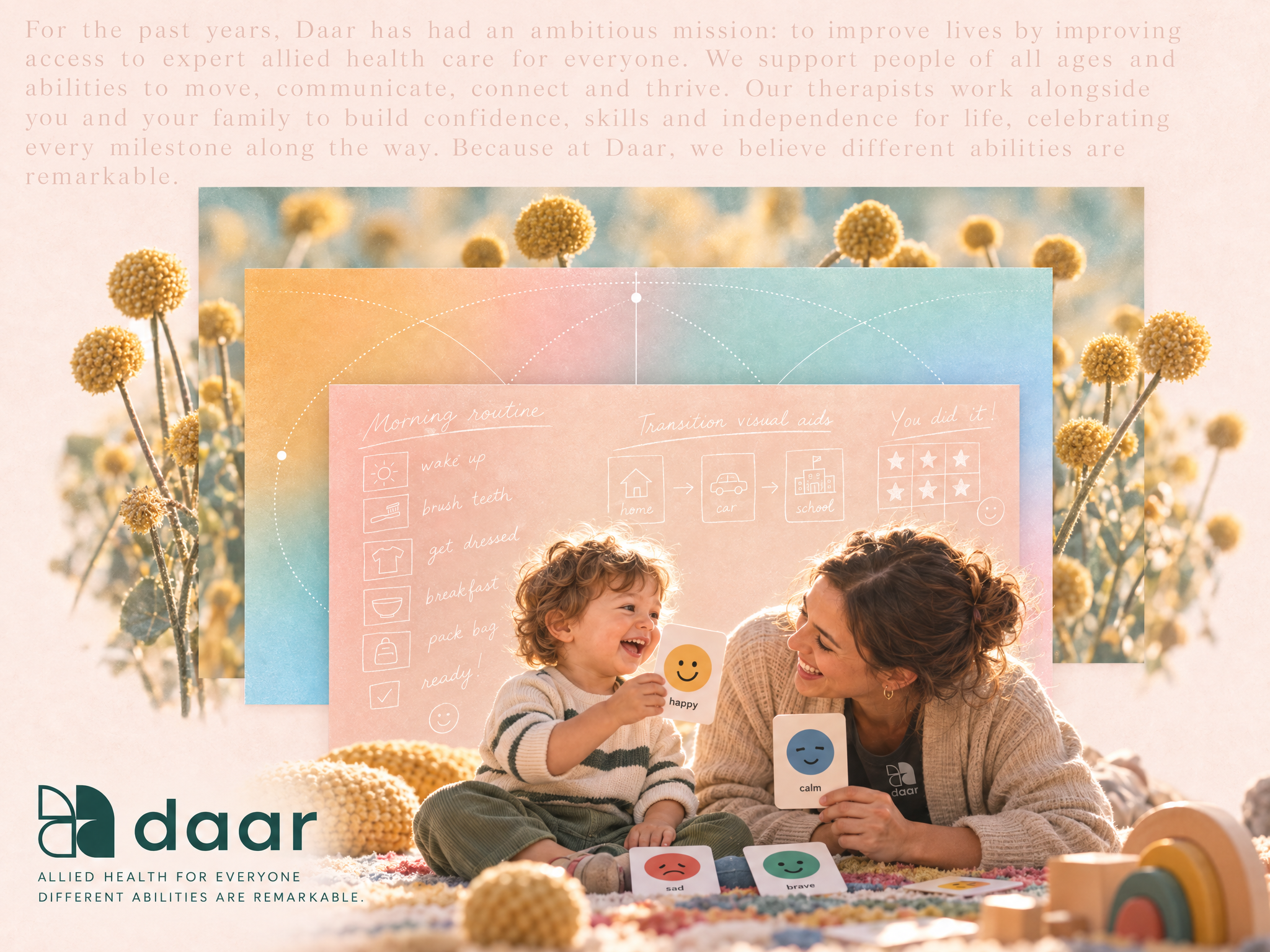
Sometimes children need more than everyday guidance. If concerning behaviours are frequent, intense, or disrupting family life, learning, or relationships, extra support may be needed. Ongoing distress, repeated aggression, or major struggles with routines can signal that a child needs help.
Support is also useful when the cause of behaviour is unclear. A child may have unique needs that aren’t immediately obvious. Seeking help early protects your child’s learning, well-being, and mental health.
You don’t have to handle this alone. A support team can spot patterns, offer strategies, and help create consistent responses. Reaching out early isn’t failure—it’s a proactive step toward better support and quality of life for your child.
Conclusion
Early childhood behaviour support is crucial for positive development and learning. Effective early intervention helps children manage challenging behaviours and build social skills and self-regulation. Parents and caregivers are key partners in this process and should seek guidance when needed. Creating a collaborative, supportive environment makes a difference.
For personalised advice, request a consultation or call daar on 02 9133 2500—together, we can help your child thrive.
Frequently Asked Questions
How can NDIS Early Intervention help with behaviour support?
NDIS Early Intervention can connect families with behaviour support practitioners who use an early childhood approach to understand a child’s needs. This can support child development by identifying triggers, guiding adults, and helping create a positive behaviour support plan that fits daily routines and encourages skill-building.
What should families know about eligibility for early childhood behaviour support through NDIS?
Families should understand that eligibility requirements may involve age, residence requirements, and the child’s support needs. An early childhood partner can help explain available early intervention supports, talk through the support network around the child, and guide families toward the next practical steps.
What signs indicate a child may need additional behaviour support?
A child may need extra help when behaviours of concern are frequent, intense, or affecting learning, relationships, or daily routines. These patterns may point to an unmet need. A functional assessment can help adults understand the cause, support positive behaviour, and protect the child’s mental health.
.svg)




.svg)