
.png?width=48&height=48&name=Group%201%20(3).png)























14 September, 2026

Is Online Therapy Effective for Kids? Find Out Now
Key Highlights
- When parents ask, "is online therapy effective for kids?" the clinical evidence points to a resounding yes—specifically because skills are learned and applied in the home, accelerating true progress.
- Telehealth for children with autism offers unparalleled environmental control, allowing kids to engage with their therapist while petting their dog or retreating to their sensory tent when overwhelmed.
- Telehealth for children with ADHD leverages a child’s natural tech-fluency, using gamified interventions and flexible scheduling to capture their hyperfocus.
- Virtual care bridges the vast Australian geographical divide, ensuring that you don't have to settle for the only local provider with a waitlist.
- daar provides a unified, multidisciplinary team approach, bringing your child's entire support network into one secure digital space.
Introduction
As telehealth becomes a staple in the Australian healthcare landscape, many parents of neurodivergent kids remain cautiously curious about mental health support. You might have tried Zoom schooling during the pandemic and thought, "Never again." So, it is entirely natural to ask: Is this actually going to work for my child? Research has shown that online therapy can be the best choice for kids, especially when tailored to their needs; however, for some children, traditional in-person therapy may be better suited depending on their comfort levels, learning styles, and specific challenges, including those struggling with bipolar disorder. Comparing the two, online therapy offers accessibility and flexibility, while in-person sessions may provide a stronger sense of connection and engagement for certain kids.
The reality is that purpose-built digital healthcare is light-years away from remote classroom learning. At daar, our online sessions for face therapy, including video calls, are intricately designed around the unique neuro-profiles of the children we support, including those experiencing mental disorders. Far from being a "backup option," virtual therapy has emerged as a clinically superior choice for many families. Let’s look at the science of skill generalisation, the power of environmental control, and how telehealth is tailored for ADHD and autistic minds. Online therapy can help address a range of issues in children, including challenges related to ADHD, autism spectrum disorder, anxiety, social skills, and emotional regulation. It is effective for improving communication, reducing behavioral difficulties, and promoting adaptive coping strategies through individualised support.
Generalising Skills: Is Online Therapy Effective for Kids?
In allied health, the ultimate goal is "skill generalization"—meaning a child, including young people, can use a skill in their everyday life, not just when sitting across from a therapist. The biggest flaw of traditional clinic-based therapy is that the child often associates the good behavior or new skill exclusively with the clinic room. Regarding age restrictions for children to benefit from online therapy, most online therapy platforms welcome kids of various ages as long as the therapies are developmentally appropriate. However, it is crucial to consider mental health care problems that may impede a child's engagement in therapy, and certain providers may have guidelines or minimum age recommendations to ensure the effectiveness of the therapeutic approach and the child’s ability to engage online.
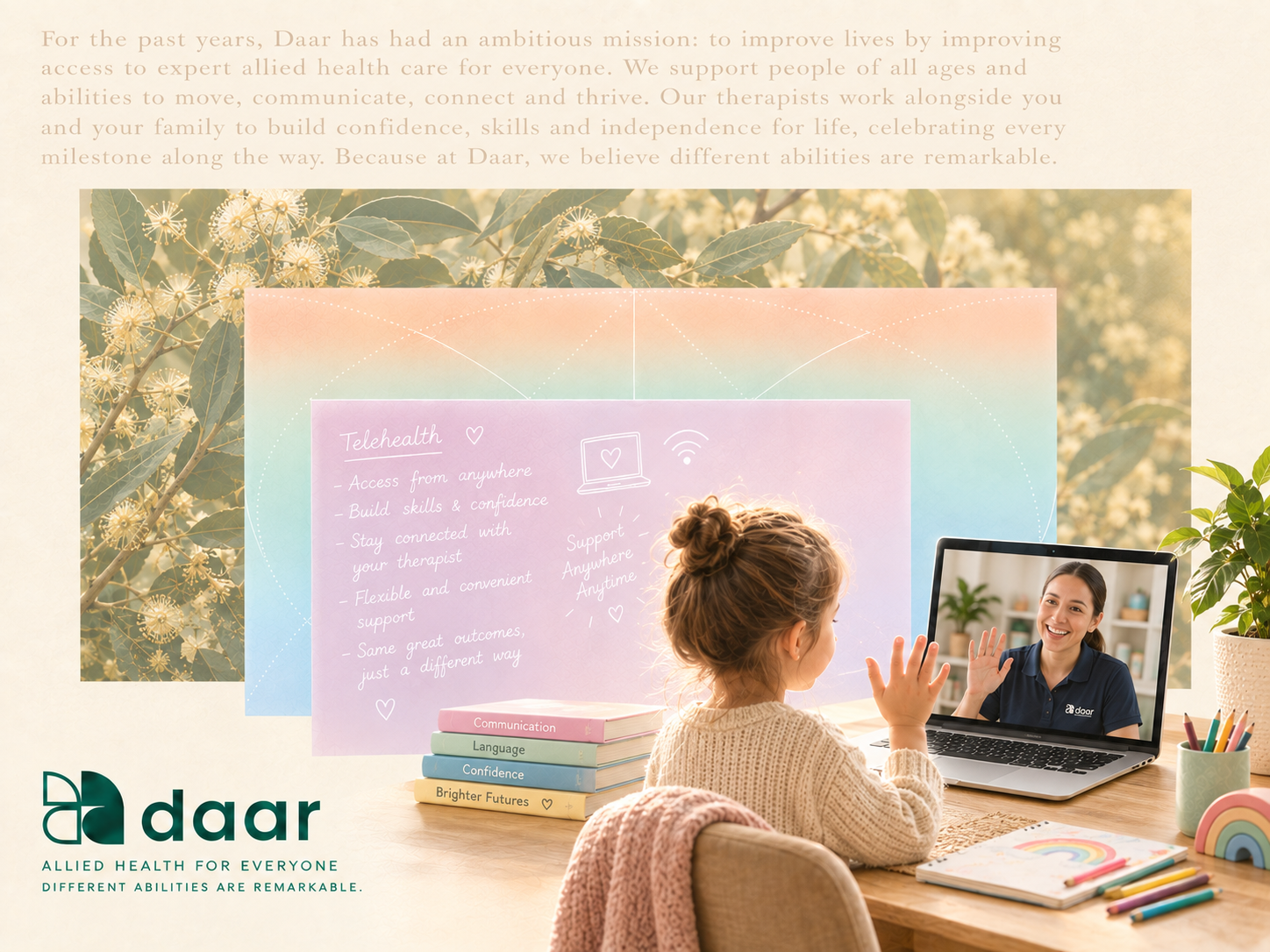
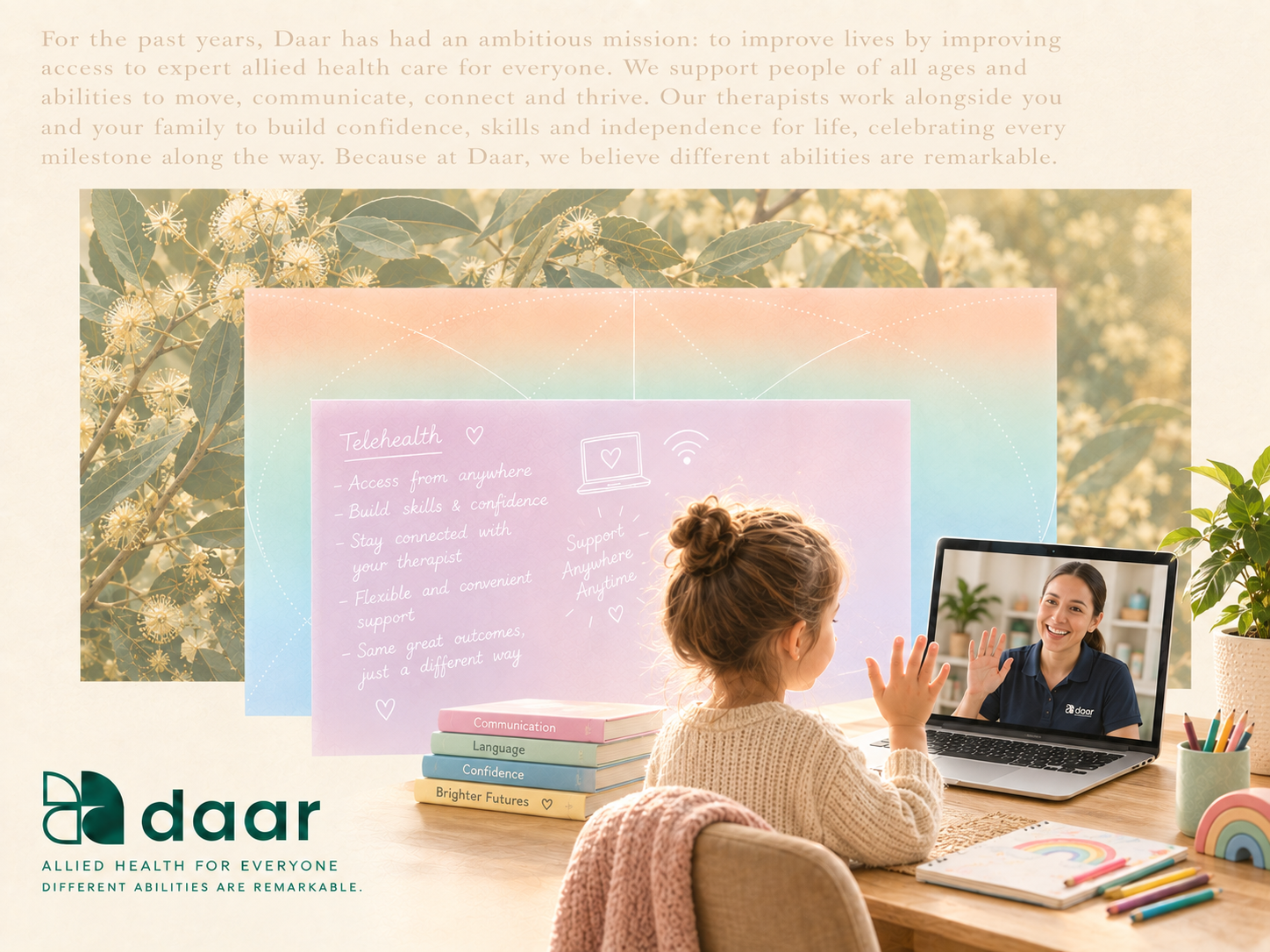
So, is online therapy effective for very young children and kids? Yes, primarily because it eliminates this transfer gap and can lead to improved treatment outcomes. When a therapist joins a session via a tablet in your living room, they are helping your child navigate their actual world. If a child is learning how to tolerate a non-preferred food, they are doing it at their own dining table. If they are learning how to share, they are doing it with their own siblings. Learning in the "natural environment" means the skills stick faster and last longer. One of the main advantages of online therapy for very young children and kids, especially activities like play therapy, is that it allows for real-world practice in familiar settings, which increases comfort and engagement. Additionally, online therapy offers flexibility and convenience and can help children generalize skills to everyday situations more effectively than traditional clinic-based therapy.
Complete Autonomy: Telehealth for Children with Autism
For an autistic child, the environment dictates their capacity to learn. Unpredictable sensory inputs—like the fluorescent humming lights of an office, the smell of cleaning supplies, or an unexpected delay in the waiting room—can completely derail a session before it begins, as they can affect their awareness of nonverbal cues like facial expressions, a challenge often faced by many college students as well.
Telehealth for children with autism puts control entirely back into the hands of the family. If your child becomes dysregulated during a session, they don't have to flee an unfamiliar office or join a waiting list. They can immediately reach for their own weighted blanket, cuddle the family pet, or retreat to their favourite sensory corner while the clinician gently supports them through the screen. By removing environmental stressors, we dramatically increase the child's threshold for learning and connection, particularly in light of the increasing prevalence of anxiety, as indicated in a systematic review of related research.
Gamification & Focus: Telehealth for Children with ADHD
A hallmark of ADHD is the ability to "hyperfocus" on high-interest, rapidly changing stimuli (which is why children with ADHD can often play video games for hours but struggle to sit through a family dinner). Although telehealth and online therapy can harness this tendency through gamification and engaging digital platforms, there are also disadvantages and challenges to consider compared to traditional therapy for various mental health conditions. Some children may find it difficult to stay engaged during virtual sessions due to distractions at home, while others may miss the social interaction and support of in-person therapy. Additionally, technical issues and limited access to reliable internet can hinder therapeutic progress for some families.
Our practitioners use this neurological trait to their advantage. Telehealth for younger children with ADHD incorporates interactive digital whiteboards, rapid-fire therapeutic games, and highly visual rewards for children under 18 years of age. Furthermore, telehealth allows for flexible session structures. Instead of enduring a gruelling hour-long drive and a marathon session after a long school day—when an ADHD brain is completely fatigued—telehealth allows for shorter, highly engaging "micro-sessions" that fit perfectly into your child's optimal windows of attention.
A Unified Support Network for Australian Families
Navigating neurodivergence often requires a village: a speech pathologist, a psychologist, a behaviour support practitioner, and a school teacher. Coordinating these professionals in the physical world is a logistical nightmare. Parents wondering if online therapy is suitable for their child should consider factors such as their child's anxiety problems, ability to engage with technology, comfort with virtual communication, and the specific needs addressed by the therapy, including how the lack of body language may affect their connection. Consulting directly with professionals—including a speech pathologist, psychologist, or behaviour support practitioner—can help determine if an online environment will provide the most effective support for their child.
Through daar’s digital platform, distance is erased. We can effortlessly facilitate a virtual care team meeting that includes you, your allied health professionals, and your child’s classroom teacher. This ensures that the exact same supportive strategies used in your living room are seamlessly applied in the schoolyard for children with youth mental health issues, including attention-deficit hyperactivity disorder.
Conclusion
Virtual therapy is not about forcing a child to stare at a screen; it is about bringing expert, targeted support into the very comfortable space where your child feels most secure. By embracing modern digital tools, we can capture your child's interest and build functional skills that apply directly to their daily life, guiding our clinical practice to better serve their needs.
You no longer need to navigate endless waitlists or stressful commutes to get the premium care your child deserves. Professionals agree that virtual therapy with an online therapist can be a highly effective and safe space for children, offering accessible support, personalised care, and comfortable environments to foster positive outcomes.
Reach out to explore a consultation or call daar directly at 02 9133 2500 to find your perfect telehealth match today.
Frequently Asked Questions
What equipment do I need to start online therapy for my child?
You don’t need a complicated tech setup. A standard tablet, laptop, or desktop computer with a built-in camera, a microphone, and a reliable internet connection is all you need to create a private space for therapy that can include psychological interventions, especially beneficial in addressing symptoms of depression. We use secure, simple-to-navigate software that allows you to join your session with a single click.
Can we schedule telehealth for children with ADHD around their school hours?
Absolutely. One of the greatest benefits of a virtual clinic is scheduling flexibility, especially beneficial for families in rural areas. Without having to factor in travel time, it is much easier to secure early morning, late afternoon, or lunch-break appointments that work around your child’s school timetable and your work commitments. Online therapy sessions for children usually take place over secure video platforms, where the child can interact with their therapist from the comfort of home. These mental health services are designed to be engaging and age-appropriate, often using interactive activities, games, or digital tools tailored to the child’s needs, including those with ADHD and incorporating elements of sand tray therapy. Parents may also be included in parts of the session for support and guidance, ensuring the child feels safe and understood throughout the process.
Could online therapy be effective as in-person therapy for kids?
Yes, online therapy can be as effective for kids as in-person therapy. Many studies show that virtual sessions offer similar benefits, including accessibility and comfort in familiar environments. The key lies in finding a qualified therapist who can effectively engage with children through digital platforms, ensuring therapeutic success.
.svg)




.svg)