
.png?width=48&height=48&name=Group%201%20(3).png)























19 May, 2026

What Is a Behaviour Support Practitioner NDIS? Your Guide
The Australian disability sector is evolving rapidly, including important services like occupational therapy and speech pathology. Thanks to the maturation of the National Disability Insurance Scheme (NDIS), there is a massive push for higher standards of care and adherence to NDIS quality, dignity, and human rights. If you’re interested in becoming an NDIS behaviour support practitioner, you need to apply through the NDIS Commission. Start by checking the registration requirements on the NDIS Commission website, which include relevant qualifications, experience, and evidence of professional conduct. Once you meet these requirements, you can submit your online application and provide the necessary documentation to begin the approval process.
At the very center of this transformation is a highly sought-after professional: the Behaviour Support Practitioner.
But what does this role actually involve? Who is qualified to do it? And how can studying at institutions like Monash University help you become one? Here is your quick, comprehensive guide.
Understanding the Role
According to Behaviour Support Practitioners Australia (BSPA), these professionals work with individuals who exhibit "behaviours of concern." These are actions that put the person or their community at physical or emotional risk.
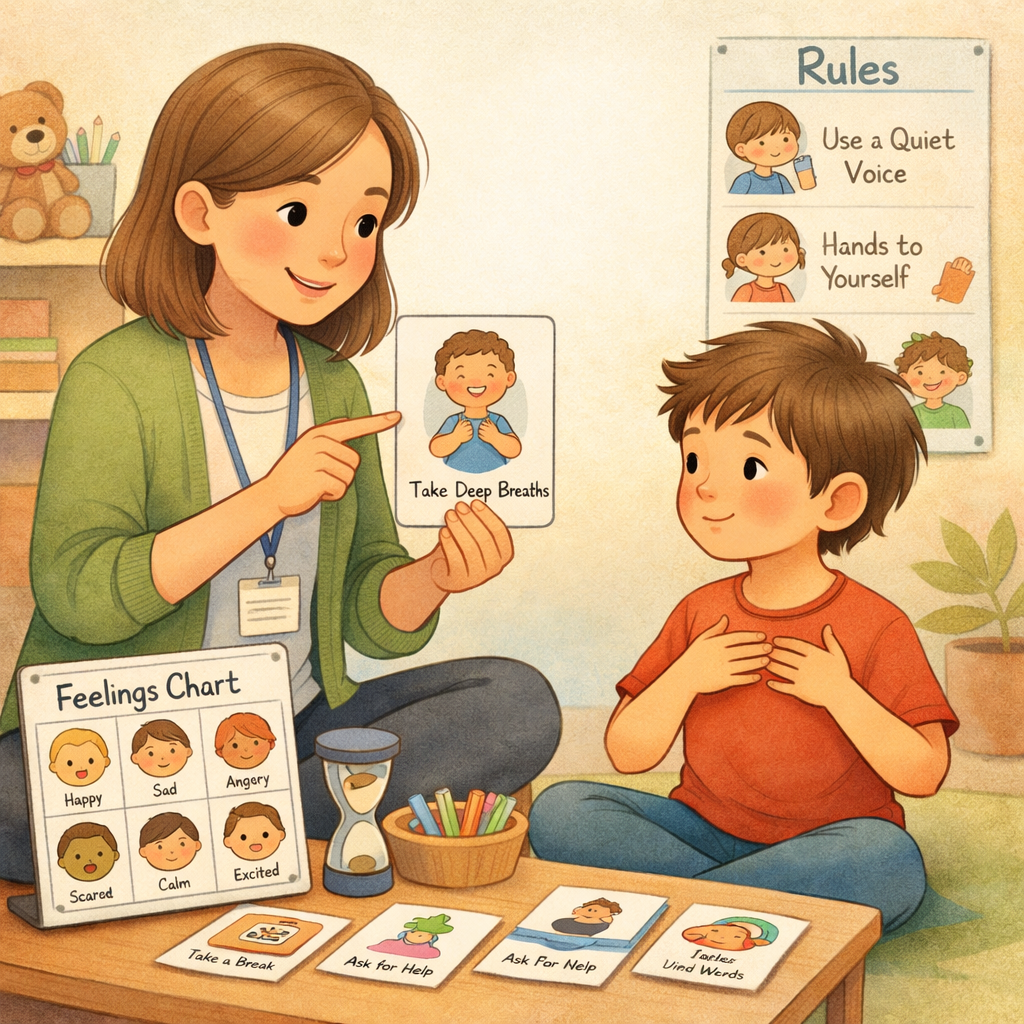
Modern practitioners do not punish behaviour. Instead, they use a framework called Positive Behaviour Support (PBS).
PBS operates on one simple rule: all behaviour is communication. If someone is acting out, they are likely trying to communicate an unmet need, such as physical pain, sensory overload, or frustration.
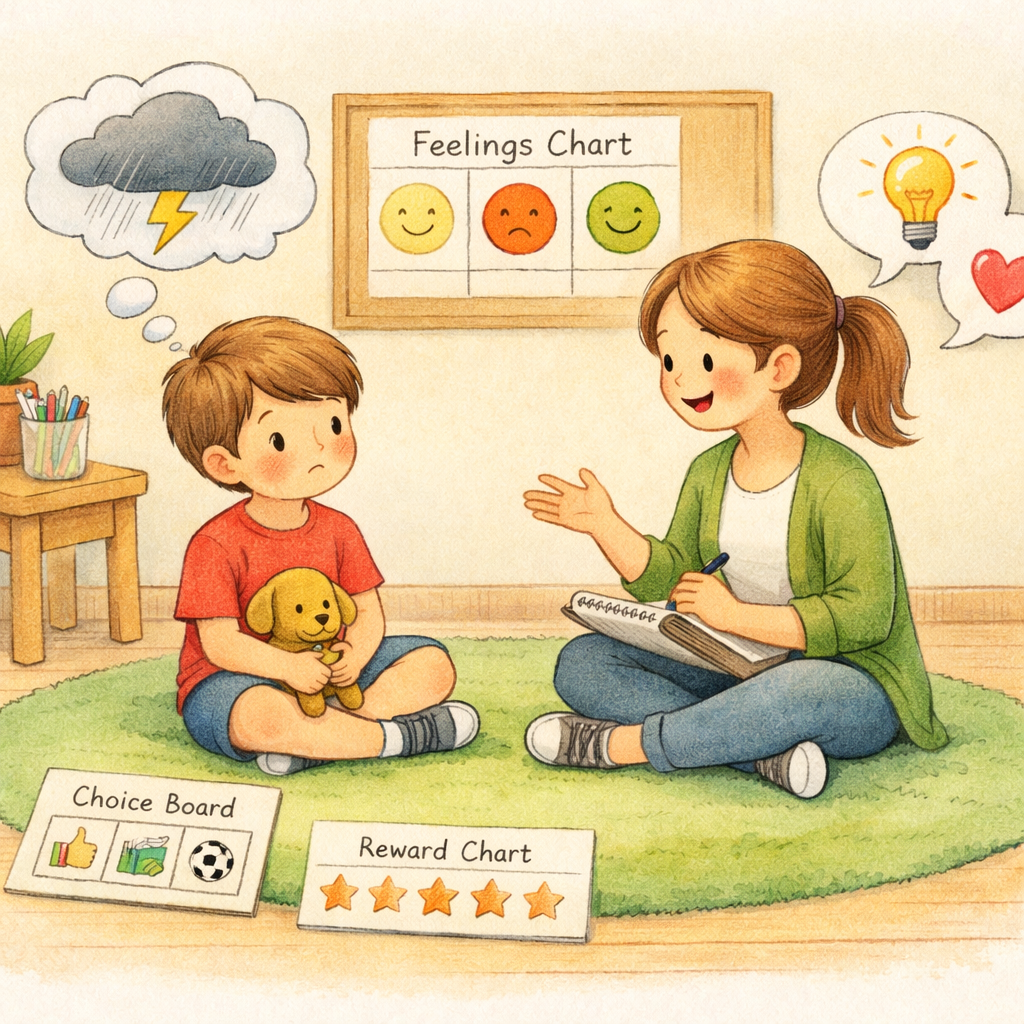
The practitioner acts as an investigator. They conduct Functional Behaviour Assessments to find out exactly what triggers the behaviour. Then, they write a Behaviour Support Plan to teach the person new, safe replacement skills.
Who Can Become a Practitioner?
You might be wondering if you have the right background for this job. The beauty of this profession is its diversity.
According to BSPA guidelines, practitioners come from many walks of life. You will find allied health professionals (like Occupational Therapists, Speech Pathologists, and Psychologists) as well as Social Workers, Special Education Teachers, and experienced Disability Support Workers stepping into this role.
What unites them is a shared passion for disability advocacy and a commitment to completing specialized postgraduate training.
The NDIS and Restrictive Practices
Under the NDIS, this is a highly regulated, high-stakes role for a registered provider. Practitioners are viewed as frontline defenders of human rights, ensuring a positive impact on the lives of individuals.
In the past, the sector relied heavily on "restrictive practices" like physical restraints or locked doors to manage behaviour. Today, the NDIS mandates that these practices must be reduced and eventually eliminated.
Only an NDIS-registered Behaviour Support Practitioner can legally write plans that include restrictive practices, and it is their job to find ethical, skill-building alternatives to set the participant free.
Where Do They Work? (A Day in the Life)
A Behaviour Support Practitioner rarely sits at a desk all day. Because behaviour happens in the real world, practitioners are often out in the community.
On any given day, a practitioner might visit an adult in a residential group home, consult with a teacher at a primary school regarding a student with autism, or run a training workshop for a family in their own living room. They work for private clinics, not-for-profit disability organizations, and government services.
The Educational Pathway: Monash University
Because the NDIS holds practitioners to strict Capability Frameworks, specialized education is heavily recommended. You cannot just guess why a behaviour is happening; you need science.
This science is called Applied Behaviour Analysis (ABA). Earning a Master’s degree in Applied Behaviour Analysis is the gold standard for aspiring NDIS practitioners.
The Master of Applied Behaviour Analysis at Monash University is a premier choice. It moves beyond abstract theory, teaching you how to collect empirical data, write NDIS-compliant support plans, and train caregivers to implement your strategies effectively in the real world.
Essential Questions to Ask Monash University
Choosing a Master's degree is a big commitment. If you want to gain practical experience as a practitioner, you must reach out to the course advisors at Monash University. Here are the exact questions you need to ask about their Behaviour Analysis course: You may also want to ask whether there are different levels or categories of behaviour support practitioners within the NDIS funding, as understanding this can help you make informed decisions about your career path in behaviour analysis and working with NDIS providers.
Here are the exact questions you need to ask about their Behaviour Analysis course:
- NDIS Alignment: "How exactly does the Master of ABA map onto the NDIS Positive Behaviour Support Capability Framework?"
- Portfolio Building: "Will the assignments allow me to draft real Functional Behaviour Assessments to submit for my NDIS practitioner registration?"
- Prior Experience: "I already work in disability support. Can I get Recognition of Prior Learning (RPL) to fast-track my degree?"
- Clinical Placements: "Does Monash facilitate the supervised practicum hours I need, or connect students with NDIS service providers?"
- The Philosophy: "How does the course balance the hard science of ABA with the person-centered, rights-focused PBS approach demanded by the NDIS?"
A Rewarding Future
By asking these detailed questions about the Monash University Behaviour Analysis course, you prove you are serious about your career.
There is an incredible demand for Behaviour Support Practitioners across Australia right now. With attractive salary prospects and unparalleled job security, it is a career where you do not just manage problems—you unlock human potential, grant independence, and fundamentally change lives for the better.
What is behaviour support in NDIS?
Behaviour support in NDIS for NDIS participants refers to strategies and interventions designed to enhance the quality of life for individuals with disabilities. It aims to address challenging behaviors, promote positive alternatives, and encourage independence. Behaviour support practitioners work collaboratively with NDIS participants to create tailored plans that foster personal development and well-being.
Ready to Make a Real Difference?
If you are passionate about upholding human rights and want to build a rewarding career as an NDIS Behaviour Support Practitioner, we want to hear from you. At Daar, we are always looking for dedicated professionals to join our growing, supportive team. Call daar at 02 9133 2500 now!
Frequently Asked Questions (FAQs)
1. What qualifications do I need to work as a Behaviour Support Practitioner?
You must be assessed against the NDIS Positive Behaviour Support Capability Framework to practice. Because this requires specialized data analysis and clinical skills, many professionals complete a postgraduate degree, such as the Master of Applied Behaviour Analysis at Monash University, to become fully qualified.
2. What is the difference between Applied Behaviour Analysis (ABA) and Positive Behaviour Support (PBS)?
Applied Behaviour Analysis (ABA) is the science of learning and human behaviour. Positive Behaviour Support (PBS) is the values-based framework mandated by the NDIS. PBS uses the scientific tools of ABA to increase a person's quality of life and uphold their human rights.
3. How long does the Monash University Behaviour Analysis course take?
The Master of Applied Behaviour Analysis at Monash is typically a two-year, full-time course. However, if you already have relevant undergraduate qualifications or extensive experience in the disability sector, you may be eligible for Recognition of Prior Learning (RPL), which can shorten your study time.
.svg)




.svg)