
.png?width=48&height=48&name=Group%201%20(3).png)























30 September, 2026

Autism Meltdown Therapy: Building Emotional Resilience

Key Highlights
- Autism meltdowns happen when a person becomes overwhelmed, not when they are trying to misbehave.
- Building emotional resilience helps children and families recover, prepare, and use better coping strategies over time.
- Sensory overload from bright lights, loud noises, or crowds is one of the most common triggers.
- Early signs matter because quick support can reduce distress before loss of control grows.
- ABA therapy, visual supports, and calming routines can strengthen emotional regulation skills.
- Safe spaces, sensory tools, and simple response plans help during hard moments.
Introduction
Autism meltdowns can feel intense, sudden, and hard to manage, especially when your child is already overwhelmed. Still, with the right support, you can help build emotional resilience in ways that protect mental health and make daily life more manageable. A meltdown is not bad behaviour. It is an intense response to stress, change, or overload. When you understand what is happening and why, you are better able to respond calmly and help your child feel safe.
Recognising the Early Signs of an Autism Meltdown
Many autism meltdowns do not come out of nowhere. There is often a rumble stage, where early signs begin to show before the person reaches full overload. Catching those changes early gives you a better chance to step in gently.
Signs of distress can include pacing, rocking, repetitive questioning, becoming very still, or asking for reassurance again and again. These early signs tell you that the situation may be becoming too much. Next, it helps to look at the specific behavioural, emotional, and physical clues.
Common Behavioural, Emotional, and Physical Indicators
The early signs often show up in behaviour and body language before full loss of control happens. Some children move more, some talk more, and others go quiet. You may notice a hard time with small demands of the situation that were manageable earlier.
Common signs of distress may include:
- pacing or rocking
- repetitive questioning or seeking reassurance
- becoming very still or withdrawn
- changes in body language, such as tension or freezing
- visible physical signs of anxiety or discomfort
These clues matter because they show the child is getting overwhelmed, not giving you a hard time. When you respond during this stage, you may be able to reduce stress before the meltdown peaks. Calm observation, not quick judgment, is often the most helpful first move.
The Role of Sensory Overload and Environmental Stressors
Sensory overload plays a major role in many meltdowns. For some autistic people, bright lights, loud noises, crowds, or people brushing past them can feel painful or impossible to ignore. What seems ordinary to others can become an overwhelming situation very quickly.
Environmental stressors build pressure even faster when more than one appears at once. Think of a crowded station, loud music, rushed transitions, and unfamiliar expectations all happening together. That stack of demands can push the nervous system past its limit.
This is why reducing stimulation can help so much. Turning down noise, leaving a crowded area, or moving to a quieter spot can lower stress before full escalation. Understanding the environment helps you see that the trigger is often around the child, not within their character.
Main Triggers of Autism Meltdowns
The main triggers behind autism meltdowns often become clearer when you look for patterns. Sensory overload is common, but it is not the only cause. Communication difficulties, anxiety, crowded spaces, and unexpected change can all lead to overwhelming feelings.
Keeping a simple record of what happened before, during, and after a meltdown can give you a clearer idea of what is driving distress. Once you know the common triggers, you can plan more effectively. The next two sections break down the biggest ones.
Sensory Sensitivities and Change in Routine
Sensory sensitivities can make everyday experiences feel much stronger than expected. A loud announcement, bright store lighting, or too much touch in a busy place can create painful sensory input. When those sensations keep building, the child may move toward a meltdown.
A change in routine can be just as stressful. Many autistic children rely on predictability to feel secure. Even a routine change like taking a different route to school can bring feelings of anxiety and increase the likelihood of meltdowns.
Support works best when it is practical and planned. You can prepare for sensory issues by reducing noise or waiting for crowds to thin out. For changes, visual supports and reassurance that other parts of the day stay the same can help the child adjust with less distress.
Communication Barriers and Unexpected Situations
Communication barriers often add pressure long before a meltdown begins. A child may know they are uncomfortable but not have the words to explain it. Communication difficulties can lead to frustration, repetitive questioning, or refusal when the child cannot make their needs understood.
An unexpected situation can raise stress even more. Unwritten social rules, sudden plan changes, or confusing instructions can leave a child unsure of what happens next. That uncertainty can quickly become overwhelming feelings.
Parents can help by making communication easier and more predictable. Social stories, written information, short clear sentences, and simple visual supports can reduce confusion. These tools do not remove every challenge, but they often lower stress enough to help the child stay more regulated.
Approaches and Therapies for Managing Autism Meltdowns
Several supports can help manage autism meltdowns, especially when they focus on prevention, skill-building, and a calmer environment. ABA therapy is one of the best-known options because it helps identify triggers, strengthen communication, and teach coping strategies that can be used in stressful situations.
Behavioural therapies are most useful when they are individualised and consistent across home, school, and community settings. Emotion regulation therapy also supports children by helping them notice feelings and practice what to do next. Below are practical examples of these approaches in action.
Evidence-Based Behavioural Therapies and Strategies
Yes, there are specific behavioural therapies designed to help with meltdowns, and ABA therapy is a key example. It focuses on finding potential triggers, shaping helpful responses, and reinforcing calm behaviours. The goal is not punishment. It is learning, support, and better self-regulation.
Helpful behavioural therapies and strategies include:
- ABA therapy to identify triggers and teach calming responses
- social stories to explain what to expect
- visual schedules to make routines predictable
- positive reinforcement, such as praise or a small reward
- communication supports for children who struggle to express needs
These tools work best when used regularly, not only during a crisis. Preparation before outings, structured routines, and repeated practice can lower anxiety and improve flexibility. When therapists, parents, and teachers work together, the child gets one clear and supportive plan across settings.
Emotion Regulation Therapy: How It Helps During Meltdowns
Emotion regulation therapy helps autistic children notice rising stress and connect feelings with actions. That matters because many children are overwhelmed before they can explain what is wrong. Building awareness supports both immediate calming and long-term mental health.
In practice, this kind of support teaches coping strategies that fit the child’s current situation. That might include recognising body changes, using visual cues, choosing a calming tool, or taking a break before distress becomes too intense. These are skills that need repeated teaching and support.
During or around meltdowns, the focus stays on simple, usable steps. The child is guided toward a response they already know, rather than being expected to reason through the moment from scratch. Over time, that repetition can reduce intensity and improve confidence in handling stress.
Calming Techniques and Immediate Response Strategies
When a meltdown starts, your immediate response should focus on safety, calm, and reducing overload. This is not the time for long explanations or correction. It is the time to lower demands and help the child feel protected. That first shift can stop the situation from getting worse.
Useful calming techniques include deep breathing, moving to a safe space, and offering sensory tools that the child already knows. A steady adult response helps too. The next sections cover steps parents can take and how calming spaces support self-regulation.
Steps Parents and Allies Can Take to Calm a Child or Teen
The first step is to stay calm yourself. Your tone, pace, and body language can either lower stress or add to it. If possible, reduce noise, give space, and guide the child away from the trigger. Avoid power struggles. The goal is safety and recovery.
Parents and allies can help by:
- moving the child to a safe space or quieter area
- using visual supports instead of too many spoken words
- guiding simple deep breathing exercises if the child can engage
- offering familiar sensory tools
- giving reassurance without pressure
After the peak passes, let the child rest, hydrate, and recover. Avoid pushing for an immediate discussion about what happened. Later, you can reflect on the pattern and note what helped. That makes future planning easier and gives everyone a steadier response next time.
Creating Calming Spaces and Using Tools for Self-Regulation
Calming spaces give children a place to step away before overload grows. A quiet space with fewer demands can help the nervous system settle. This area does not need to be complicated. What matters most is that it feels safe, familiar, and easy to access.
A comfortable environment may include sensory toys, soft items, calming visual aids, or noise reduction tools. Some children also respond well to a weighted blanket, darkened lighting, or quiet time with music. The best setup depends on the child’s needs and preferences.
These tools are most effective when they are introduced before a crisis, not for the first time during one. When children already know how to use their calming spaces and supports, they can reach for them sooner. That builds independence and stronger self-regulation over time.
Supporting Emotional Resilience at Home and School
Emotional resilience grows through repeated support, not one perfect response. At home and school, children benefit when adults use the same coping strategies, prepare for transitions, and respond consistently to signs of stress. That shared approach reduces confusion and builds trust.
Long-term support also means allowing extra support during hard periods instead of expecting instant progress. Families and teachers can prepare better when they track patterns, adjust routines, and plan calming options in advance. The following sections offer practical ways to do that every day.
Practical Tips for Parents and Teachers in Australia
Parents and teachers can do a lot to reduce distress before it grows. The most helpful steps are usually simple, predictable, and repeated. When a student shows early stress, lower demands, reduce stimulation, and help them move toward the plan they already know.
Practical tips include:
- use visual schedules so transitions feel clearer
- provide visual aids for changes or new activities
- keep a quiet space available for recovery
- reinforce calm behaviour with praise or a small reward
- prepare for outings or class changes ahead of time
If a student is having a meltdown, teachers should focus on safety and reducing input. Give space, avoid crowding, and use brief, clear communication. If possible, guide the student away from bright lights, loud noises, or peer attention. A calm adult response protects dignity and supports recovery.
Building Long-Term Coping Skills Through Consistent Support
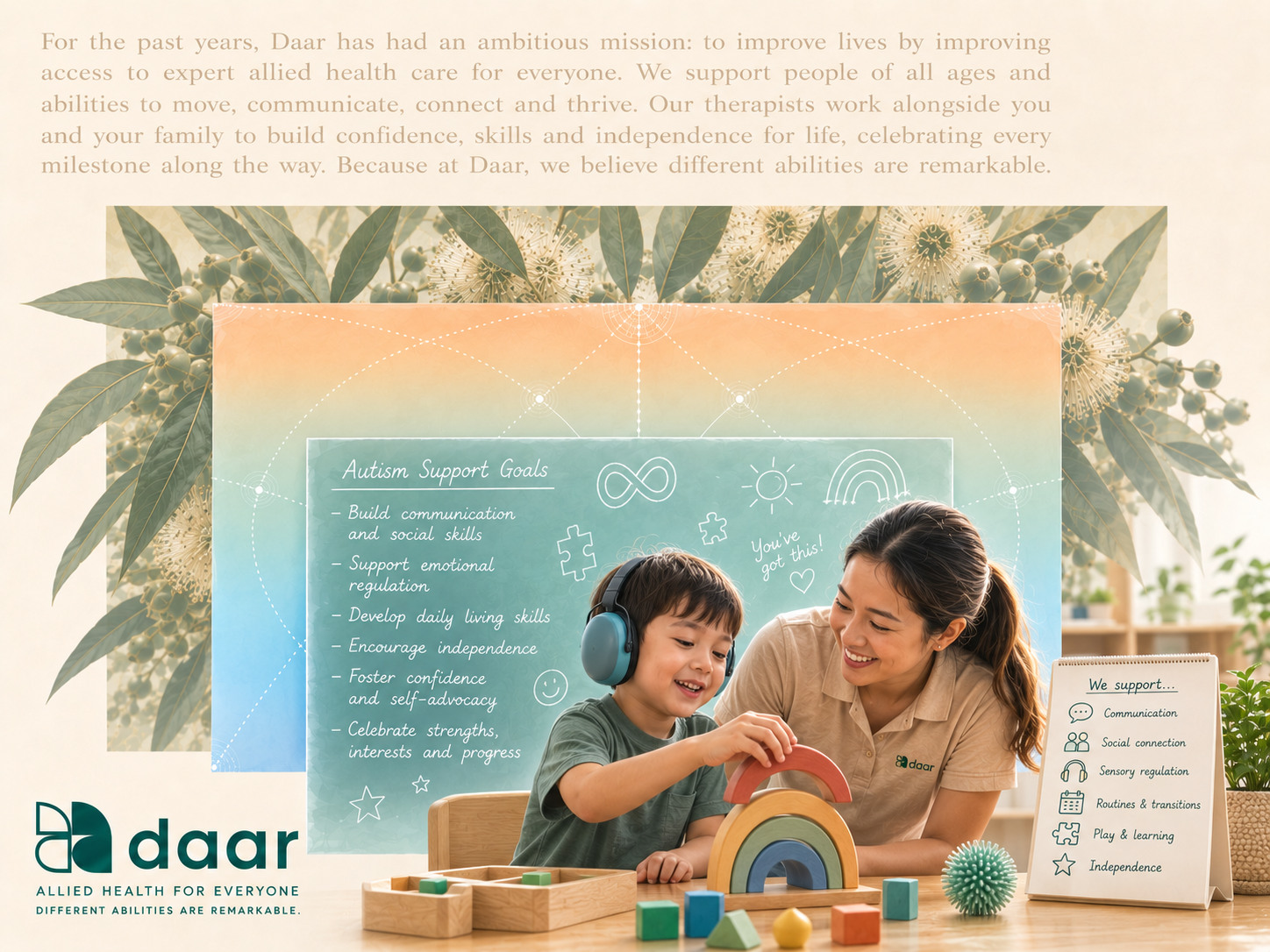
Long-term progress comes from consistent teaching and reinforcement. Children build emotional resilience when calming tools, routines, and expectations stay similar across settings. A strategy used only once in a while is harder to trust and harder to remember in stressful moments.
Communication skills are a vital part of this growth. When children can show what they need through words, pictures, writing, or technology, frustration often drops. That makes meltdowns less likely and gives caregivers more chances to respond early.
Allies and caregivers prepare best by reviewing what happened after incidents, spotting patterns, and adjusting plans over time. Logs, shared routines, and support from therapists can guide these changes. With steady long-term support, children can gain more independence and confidence in handling hard situations.
Conclusion
In conclusion, understanding and managing autism meltdowns is vital for fostering emotional resilience in autistic individuals. By recognising the early signs and triggers, implementing effective calming techniques, and providing consistent support at home and school, parents and educators can make a significant difference in the lives of those affected. It's essential to approach these situations with empathy and patience, as each child's needs are unique. The journey towards emotional resilience is ongoing, but with the right strategies in place, we can help create a more supportive environment.
If you're looking for personalised guidance on this journey, don't hesitate to reach out for a consultation or call daar at 02 9133 2500.
Frequently Asked Questions
What are the most effective calming strategies for autistic children during a meltdown?
The most effective calming strategies are simple and familiar. Use visual supports, lower sensory input, move the child to a quieter area, and offer sensory toys they already trust. If the child can engage, deep breathing can help. The main goal is to reduce overload, not demand conversation.
How can teachers safely support a student experiencing an autism meltdown?
Teachers can help by staying calm, reducing noise and peer attention, and guiding the student to a safe space or quiet space if possible. Visual aids and visual schedules can reduce confusion. Familiar sensory tools may also help. Safety, dignity, and low-demand communication should come first.
Do ADHD anger issues in kids differ from meltdowns in autistic children?
Yes. ADHD anger issues in kids are often linked to impulsivity and fast frustration tied to adhd symptoms. In children on the autism spectrum, meltdowns usually follow overload from a demanding situation, communication stress, or sensory pressure. Repetitive questioning and eventual loss of control may appear before a meltdown.
.svg)




.svg)