
.png?width=48&height=48&name=Group%201%20(3).png)























8 October, 2026

Why Positive Behaviour Support (PBS) is Essential in the NDIS
The rollout of the National Disability Insurance Scheme (NDIS) fundamentally changed how disability support is delivered in Australia. It moved the sector away from a block-funded, one-size-fits-all model toward individualised care. However, one of the most profound shifts driven by the NDIS is the national mandate to change how we respond to behaviours of concern.
At the heart of this shift is Positive Behaviour Support (PBS).
PBS is not just a therapeutic technique; it is a human-rights-based framework championed by the NDIS Quality and Safeguards Commission. Here is a look at what PBS is and why it is of paramount importance to the Australian disability sector.
What is Positive Behaviour Support (PBS)?
Historically, when a person with a disability exhibited "challenging behaviours" (such as physical aggression, self-harm, or severe property destruction), the response was often reactive. The focus was on compliance, control, and sometimes, punishment.
Positive Behaviour Support flips this narrative entirely. It operates on the core belief that all behaviour is communication. If a person is lashing out, it is usually because they have an unmet need—they might be in pain, experiencing sensory overload, or feeling intensely anxious—and lack the traditional communication skills to express it safely.
Instead of trying to suppress the behaviour, a PBS practitioner conducts a Functional Behaviour Assessment (FBA) to find out why it is happening. Once the trigger is identified, they create a Behaviour Support Plan (BSP) that focuses on modifying the environment to reduce stress and teaching the person new, safe ways to communicate.
The Importance of PBS in the NDIS
The NDIS has placed PBS at the centre of its behavioural support strategy for several critical reasons:
1. Upholding Human Rights and Dignity
For too long, people with complex disabilities were subjected to punitive measures simply for expressing distress. PBS is fundamentally a rights-based approach. It respects the individual's autonomy and focuses on improving their overall quality of life, rather than just forcing them to comply with neurotypical or societal expectations.
2. Reducing and Eliminating Restrictive Practices
A major priority for the NDIS Commission—and a key recommendation from the recent Disability Royal Commission—is the elimination of "restrictive practices." These include physical restraints, seclusion, or chemical restraints (using medication to control behaviour). PBS provides safe, evidence-based alternatives to these practices. By legally mandating that registered providers use PBS, the NDIS is actively working to keep vulnerable Australians safe from restrictive harm.
3. Proactive Over Reactive Care
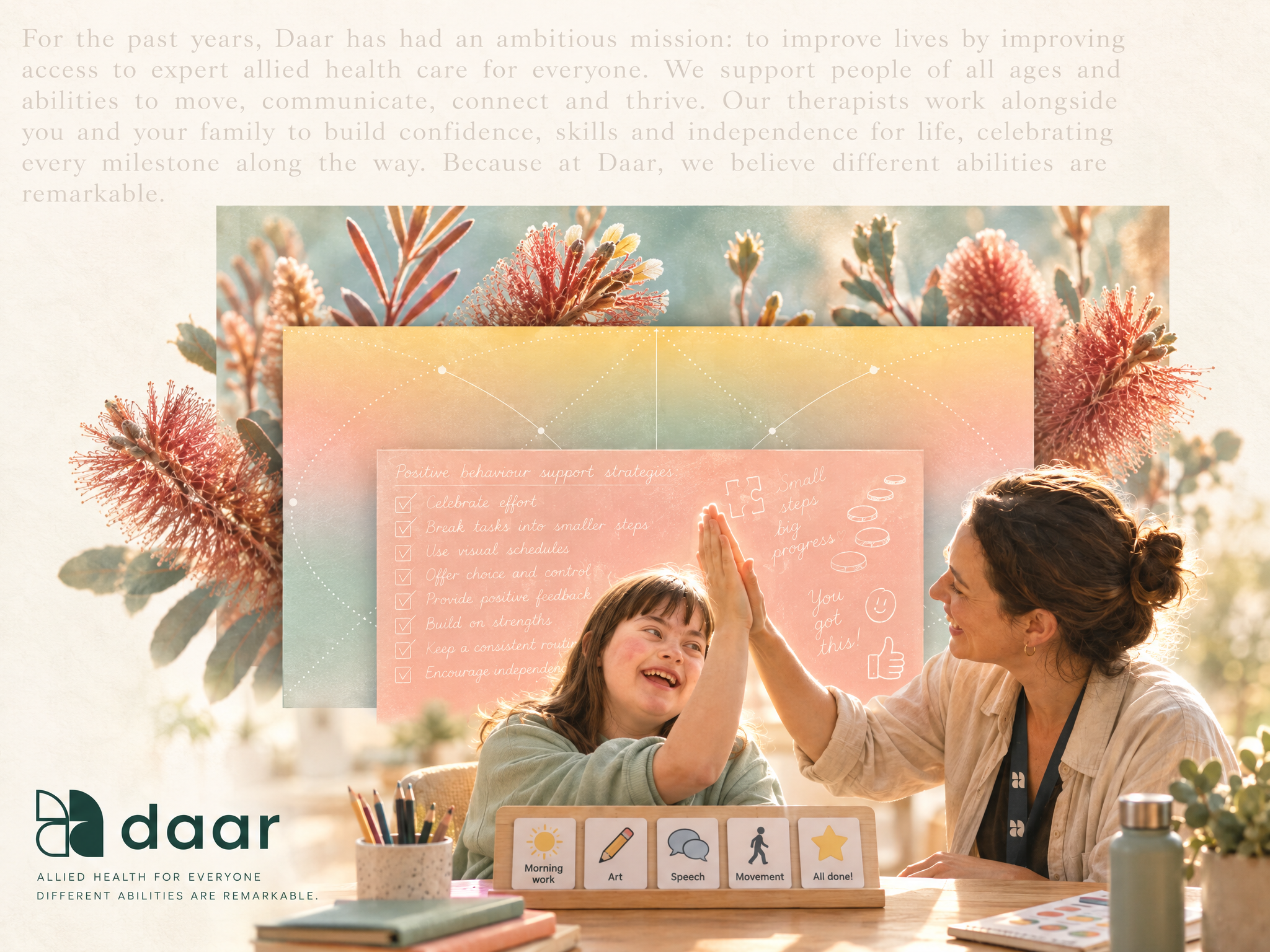
PBS shifts the focus of care teams (including parents, support workers, and teachers) from reacting to a crisis to preventing it. By changing the environment—such as establishing predictable routines, using visual communication boards, or managing sensory input—carers can proactively prevent the distress that leads to challenging behaviours.
4. Building Participant Capacity
A core goal of the NDIS is to build participant independence. PBS aligns perfectly with this. By teaching individuals emotional regulation and alternative communication skills, PBS empowers participants to advocate for their own needs, leading to greater independence and community participation.
How is PBS Funded Under the NDIS?
Because it requires highly specialised skills, PBS is specifically funded under an NDIS participant's Capacity Building budget, in a category called Improved Relationships.
This funding allows participants to engage an NDIS-registered Specialist Behaviour Support Practitioner. Crucially, the NDIS Commission heavily regulates these practitioners to ensure they have the necessary clinical qualifications and adhere strictly to national PBS frameworks.
Positive Behaviour Support is much more than a therapeutic tool; it is a cultural shift. By prioritising understanding, empathy, and environmental support over control, PBS is ensuring that NDIS participants are treated with the dignity and respect they deserve.
Official References
Homepage | NDIS Quality and Safeguards Commission
Royal Commission into Violence, Abuse, Neglect and Exploitation of People with Disability
.svg)




.svg)