
.png?width=48&height=48&name=Group%201%20(3).png)























24 August, 2026

Understanding Autism Behaviour Therapy: Key Insights
Key Highlights
- Autism behaviour therapy, particularly through the use of applied behaviour analysis (ABA), focuses on enhancing the communication and social skills of children on the autism spectrum.
- Early intervention plays a crucial role in the success of behavioural therapy, enabling young children to develop essential new skills.
- Positive reinforcement is a fundamental principle used in ABA therapy to encourage desirable behaviours and reduce challenging ones.
- Both in-home and center-based therapy approaches are available, tailored to meet the individual needs of autistic children.
- Research shows that behavioural therapy significantly improves the quality of life for children with autism, fostering their overall development.
- Success stories highlight the transformative impact of ABA therapy on children and their families, promoting better daily living and social interactions.
Introduction
Autism behaviour therapy can feel hard to sort through when your child has autism spectrum disorder. You may be asking what helps most with communication skills, social interactions, and daily life. For many families, ABA is one option used with autistic children to teach practical skills and reduce behaviours that may interfere with learning. It also connects with children’s mental health because better communication can lower frustration. To understand it clearly, it helps to look at its goals, methods, and limits.
Key Goals and Principles of Autism Behaviour Therapy
Autism behaviour therapy aims to help children learn new skills they are not picking up naturally and reduce harmful behaviours that block learning or safety. A behaviour analyst studies what happens before and after a behaviour, then creates a treatment plan based on the child’s needs.
In the earliest form, discrete trial training was common and often highly structured. Today, many programs still use ABA principles but rely more on positive reinforcement, play, and natural learning. That foundation shapes the specific goals below.
Improving Communication and Social Skills
One key goal of ABA is to help children communicate more clearly—whether asking for a toy, naming colors, making choices, or using longer phrases. As autistic children express their needs, frustration often decreases and daily life becomes easier.
ABA also builds social skills through repeated, meaningful practice. In play-based sessions, therapists create opportunities for turn-taking, making requests, or answering questions. These small steps can support broader social interactions over time, especially when practiced outside therapy.
Some programs address behaviours like eye contact, though this can be sensitive. Critics emphasise respecting individual needs. The most effective approach keeps communication useful, flexible, and centered on the child’s comfort and independence.
Reducing Challenging Behaviours and Encouraging Positive Change
Another key goal is reducing challenging behaviours that may be unsafe or hinder learning, such as self-injury, escaping, or intense reactions. ABA (Applied Behaviour Analysis) examines what triggers and maintains these behaviours.
A behaviour analyst should do more than just stop unwanted actions; it's equally important to teach safer alternatives. For example, if a child tantrums to avoid a task, therapy should offer a better way to cope instead of just demanding compliance.
This is the focus of positive behaviour support. Modern ABA aims to increase choices, independence, and comfort, not just eliminate negative behaviours. When used well, this approach can improve daily life for both the child and family.
Early Intensive Behavioural Intervention (EIBI)
Early Intensive Behavioural Intervention (EIBI) represents a cornerstone in autism treatment, particularly for young children diagnosed with Autism Spectrum Disorder (ASD). This structured approach utilizes applied behaviour analysis principles to address various developmental needs, enhancing communication skills and promoting social interactions. By focusing on positive reinforcement and individualised treatment plans, EIBI helps autistic kids acquire new skills early on. It’s designed to be playful, integrating learning into natural environments, thereby improving the overall well-being and quality of life for these children.
What Is EIBI and Who Is It For?
Early Intensive Behavioural Intervention (EIBI) is a structured therapy designed for young children with autism. It focuses on teaching essential skills through repetitive, reinforcing behaviours. EIBI is particularly beneficial for children under age five, aiming to promote significant developmental gains.
Benefits of Early Intervention for Young Children with Autism
Starting support at a young age can create more learning opportunities during an important stage of development. For many families, early work is less about perfection and more about helping young children communicate, play, and manage transitions with less stress.
Benefits may look different from child to child, but common goals include:
- stronger social skills during play and shared routines
- better skill development in language and daily tasks
- fewer barriers to participation at home or school
- improved quality of life for children and caregivers
There is also a mental health side to this. When children can make themselves understood, frustration may ease. That can support children’s mental health and make daily experiences feel more predictable, calmer, and more rewarding.
Delivery Methods of ABA Therapy for Toddlers
ABA therapy for toddlers can be delivered in more than one setting. This type of therapy may happen at home, in a center, or in a school, depending on the child’s needs and the goals of the treatment plan.
While older views often picture table work, many current therapy sessions use ABA principles in play and routine-based activities. That makes ABA treatment feel more natural for some children. The next sections show how in-home, center-based, and school-based models differ in practice.
In-Home ABA Therapy Sessions
In-home ABA sessions take place in the child’s natural environment, where everyday challenges and strengths are easy to see. Since ABA stands for Applied Behaviour Analysis, the therapist looks closely at how home routines shape behaviour and learning.
This setting can make teaching feel more practical. A certified behaviour analyst or supervising clinician may guide goals, while direct therapists help the child practice during play, meals, or transitions. Skills learned at home may be easier to carry into daily routines because they are taught where life happens.
Common in-home targets include:
- asking for preferred items during play
- following simple directions in familiar spaces
- handling transitions between daily routines
For many toddlers, this approach feels less formal and more connected to real family life.
Center-Based and School-Based ABA Approaches
Center-based therapy gives children a structured space designed for focused learning. In that setting, ABA therapists can work on routines, requests, play, and early academic skills with fewer distractions. Some children do well with that consistency, especially when clear practice opportunities are built into the day.
School-based therapy looks different. Here, goals connect more directly to classroom participation, peer contact, and following group expectations. This can support skill development in the places where children spend much of their time.
Still, no single setting is best for everyone. The right choice depends on children’s needs, their comfort, and whether the setting helps skills carry over into real situations. In many cases, families and providers combine approaches.
Effectiveness and Evidence for Behaviour Therapy in Autism
Behavioural therapy is widely used across the autism spectrum because it can help children learn skills and reduce behaviours that interfere with safety or participation. The compiled information describes ABA as the most common therapy and notes that some children, especially those at risk of not being verbal, may have a better chance of talking with it.
At the same time, effectiveness depends on fit, goals, and quality. Discussions about aba services now include not only outcomes, but also quality of life, generalization, and whether therapy respects neurodiversity. That balance shows up in both research and family stories.
Research Findings on ABA and Other Therapies
Research discussions around applied behaviour analysis often focus on skill gains, behaviour change, and communication outcomes. The compiled information highlights that ABA has expanded into a range of different approaches and that many programs now use more natural, play-based teaching than traditional ABA.
Experts also point out that autism care is broader than one method. A clinical neuropsychologist quoted in the source explains historical concerns about older ABA methods, while advocates argue that some children may benefit more from speech-language support or other developmental approaches.
|
Approach |
What the compiled information suggests |
|---|---|
|
Applied behaviour analysis |
Commonly used to teach skills and reduce harmful behaviours through reinforcement |
|
Traditional ABA/DTT |
Older, more repetitive, and linked to the earliest form of highly structured teaching |
|
Developmental approaches |
Mentioned as part of a broader range of different approaches for support |
|
Cognitive behaviour therapy |
Listed among therapy types, though not detailed in the compiled information |
|
Occupational therapy |
Named as an alternative support some children may benefit from |
Success Stories: Real-Life Impact on Children and Families
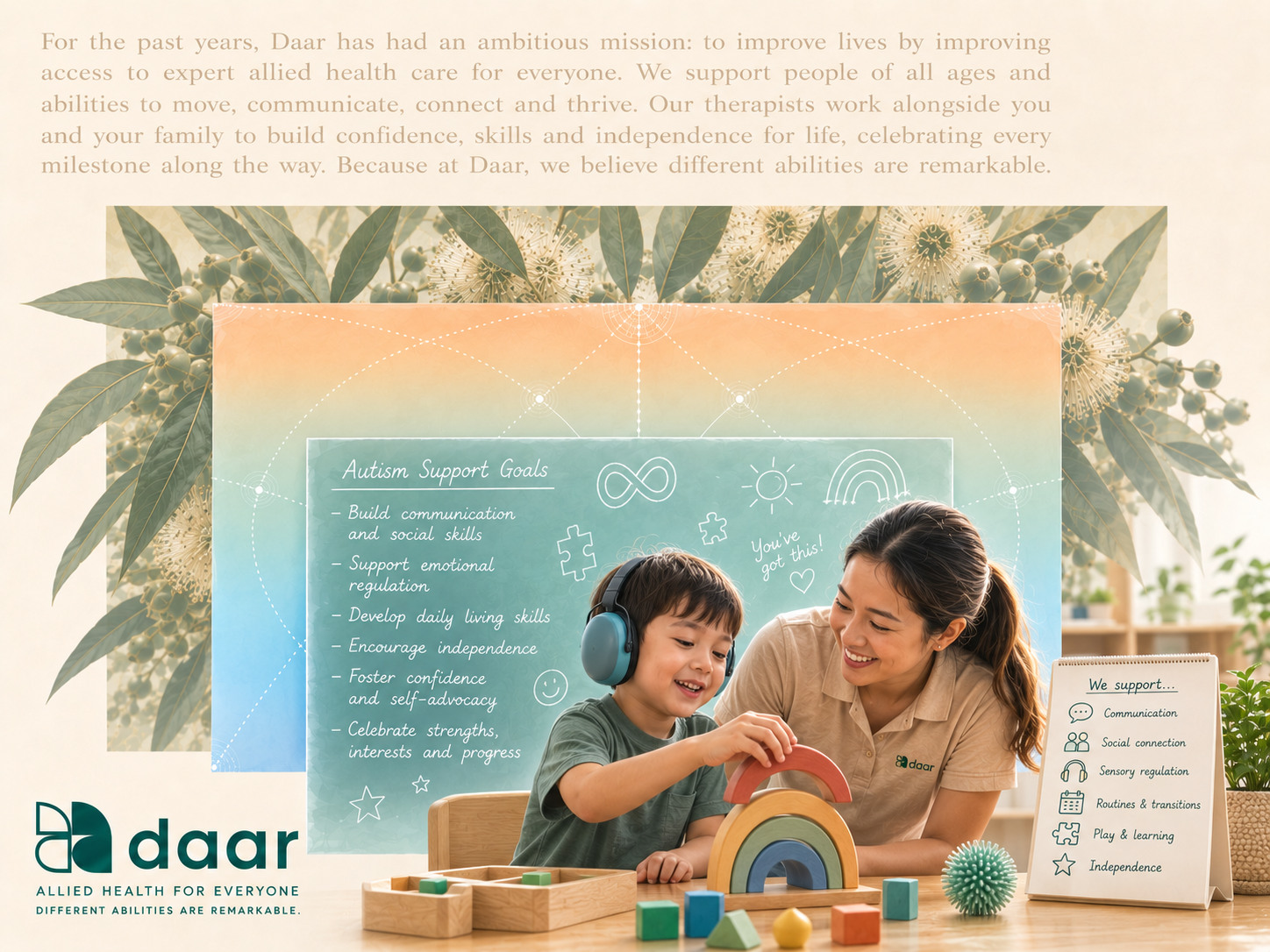
For some families, ABA therapy delivers practical benefits. A child might learn to request a toy, handle transitions, or use more words during play. While these gains may seem small, they can meaningfully impact development.
One parent described a program that respected her son’s neurodiversity while fostering independence—an important balance for many families seeking support with daily living rather than changing who their autistic child is.
These stories also highlight how quality therapy supports the whole family. Parents gain strategies to use at home, making routines smoother and boosting everyone’s confidence in daily life.
Conclusion
Understanding Autism Behaviour Therapy is crucial for parents and caregivers supporting children on the autism spectrum. This therapy enhances communication, social skills, and manages challenging behaviours, promoting positive development. Early Intensive Behavioural Intervention (EIBI) offers significant benefits when started in early childhood. Flexible options—ranging from in-home to center-based sessions—allow therapy to fit each child’s unique needs. Research and real-life results support ABA therapy’s effectiveness. By prioritising these strategies, you can encourage meaningful growth and a brighter future for your child.
For more questions or personalized guidance, reach out for a consultation or call daar at 02 9133 2500.
Frequently Asked Questions (FAQ)
Is ABA therapy effective for all children with autism?
Applied behaviour analysis is not a perfect fit for all autistic children. Some benefit from therapy sessions that build communication and daily life skills, while others may need a different approach. Concerns often relate to the earliest form of ABA, which was more rigid than many current programs.
How is ABA therapy tailored for toddlers in Australia?
ABA therapy is tailored by adjusting goals, teaching style, and setting to the child’s needs. For autistic kids, therapists may use ABA principles during play and daily routines rather than only formal drills. The key is making support practical, individualised, and easier to use beyond sessions.
What are the alternatives to ABA therapy for autistic children?
Alternatives depend on the child and the type of therapy needed. The compiled information points to speech and language support, while the wider term behavioural therapy includes other options. Early Start Denver Model and occupational therapy are also named, and the Autistic Self Advocacy Network has raised concerns about ABA-only pathways.
.svg)




.svg)