
.png?width=48&height=48&name=Group%201%20(3).png)























28 August, 2026

The Role of Behaviour Support Services in NDIS Support

Key Highlights
- Behaviour support services help you understand why behaviours happen and build safer responses.
- Positive behaviour support focuses on skills, routines, and environments that improve quality of life.
- A behaviour support plan is created with you, your family, and support people.
- The goal is to reduce behaviours of concern and lower restrictive practices over time.
- NDIS support can fund specialist help based on your needs and goals.
- Good support strengthens communication, independence, wellbeing, and everyday participation.
Introduction
Behaviour support services are designed to help people with disability understand their person’s behaviour, reduce behaviours of concern, and build safer, more effective ways to communicate. Under NDIS support through the National Disability Insurance Scheme, positive behaviour support looks at what is driving the behaviour, not just what is happening on the surface. It brings together support workers, family, and other support people to create practical strategies that improve wellbeing, independence, and day-to-day life.
The Key Principles of Positive Behaviour Support
Positive behaviour support starts with a simple idea: every behaviour has a purpose. Instead of reacting only when something goes wrong, this approach looks at triggers, unmet needs, and communication barriers. That helps create a behaviour support plan that is practical and respectful.
Just as important, positive behaviour support relies on person-centred approaches and a strong support network. The aim is to teach new skills, adjust environments, and create meaningful impact that lasts. The next sections explain how this works in real support settings.
Person-Centered Approaches
Person-centered approaches focus on you as an individual, not just a set of behaviours. Support should reflect your needs, preferences, strengths, and daily life—starting with what matters most to you and what will truly improve your quality of life.
A behaviour support practitioner assesses your situation, listens closely, and works with your support network to understand factors shaping your behaviour, such as routines, communication, relationships, and environment. They then help create practical steps tailored to your goals.
This process is highly collaborative. Families, caregivers, school staff, and support workers all work together so support remains consistent across settings. When everyone understands the plan, you’re more likely to feel safe, heard, and supported in ways that truly help.
Evidence-Based Practices and Strategies
Strong support is built on evidence-based practice. That means PBS practitioners use assessment, observation, and behaviour analysis to understand why behaviours happen before choosing what to do next. Positive behavioural support is not guesswork. It uses proven methods to reduce stress, build skills, and support safer daily routines.
Specialist providers offer tailored behaviour support strategies for individuals with challenging behaviours. Their work may include:
- Functional assessments to identify triggers, patterns, and unmet needs.
- Positive behaviour support plans with clear actions for home, school, or community settings.
- Skill building in communication, emotional regulation, and social interaction.
- Guidance for carers and support teams so strategies stay consistent.
Because needs change over time, plans are monitored and adjusted. This team effort helps create practical support that is responsive, realistic, and focused on long-term progress rather than short-term control.
Differentiating Positive Behaviour Support from Traditional Behaviour Management
Positive behaviour support is different from traditional behaviour management because it asks why challenging behaviour is happening. Instead of focusing only on stopping the behaviour, it explores communication, routine, anxiety, and environment. That understanding shapes a behaviour support plan with practical alternatives.
Traditional behaviour management can center on control and immediate compliance. Positive behaviour support aims to reduce the use of restrictive practices by teaching skills and changing the setting around the person. The difference becomes clearer when you look at day-to-day responses and long-term results.
Approach to Challenging Behaviours
When challenging behaviour occurs, positive behaviour support avoids punishment or blame. Instead, it starts with analyzing the behaviour to understand what the person is trying to communicate, which may relate to stress, sensory needs, isolation, or trouble expressing emotions.
A practitioner then works with the support network to develop a plan outlining triggers, constructive responses, and replacement skills. The plan provides practical guidance for responding safely and consistently.
Consistent responses matter—mixed approaches can worsen issues. When families, caregivers, and staff follow the same plan, support becomes clearer. Over time, this reduces escalation, improves communication, and creates a more stable daily environment.
Promoting Long-Term Outcomes
One of the biggest strengths of positive behaviour support is its long view. Rather than aiming for a quick fix, it focuses on positive outcomes that last. Support is built around learning, participation, and safer ways to meet needs, which can have a direct effect on quality of life.
That approach supports individual goals practically. A plan might target better communication, improved social skills, stress management, or safer responses to distress. These behaviour support strategies are meant to make difficult behaviour unnecessary by removing triggers and teaching alternatives.
Progress also depends on continuous improvement. Strategies are reviewed, goals are checked, and support is adjusted when needed. This keeps the work relevant as circumstances change. In contrast with older management models, the focus stays on growth, dignity, and everyday success.
Behaviour Support Services within the NDIS Framework
Under the National Disability Insurance Scheme, behaviour support services are funded based on your support needs and goals. NDIS behaviour support is designed to give participants greater choice and control over when, where, and how support services are delivered. That makes support more flexible and more personal.
In this framework, a specialist behaviour support provider works with you and your support network to assess behaviours of concern and create practical plans. The process is structured, but it still needs to fit real life. Here is how support usually operates and how families can access it.
How Behaviour Support Services Operate Under NDIS
NDIS providers delivering specialist behaviour support usually begin with an assessment. The behaviour support team looks at strengths, daily routines, communication, and the factors linked to behaviours of concern. This information is then used to create tailored behaviour support strategies that match the participant’s goals and settings.
NDIS funding can cover this work when it is included in a participant’s plan. Support is not one-size-fits-all. It may involve home visits, collaboration with carers, or work across school and community environments so the plan is realistic and consistent.
|
Stage |
What happens |
|---|---|
|
Assessment |
The practitioner gathers information about needs, triggers, strengths, and daily environments. |
|
Planning |
A specialist behaviour support plan is developed with the participant and support network. |
|
Implementation |
Carers, families, and support teams use agreed behaviour support strategies in everyday settings. |
|
Review |
Progress is monitored and strategies are adjusted to support safer, better long-term outcomes. |
Accessing Behaviour Support Services for Individuals and Families
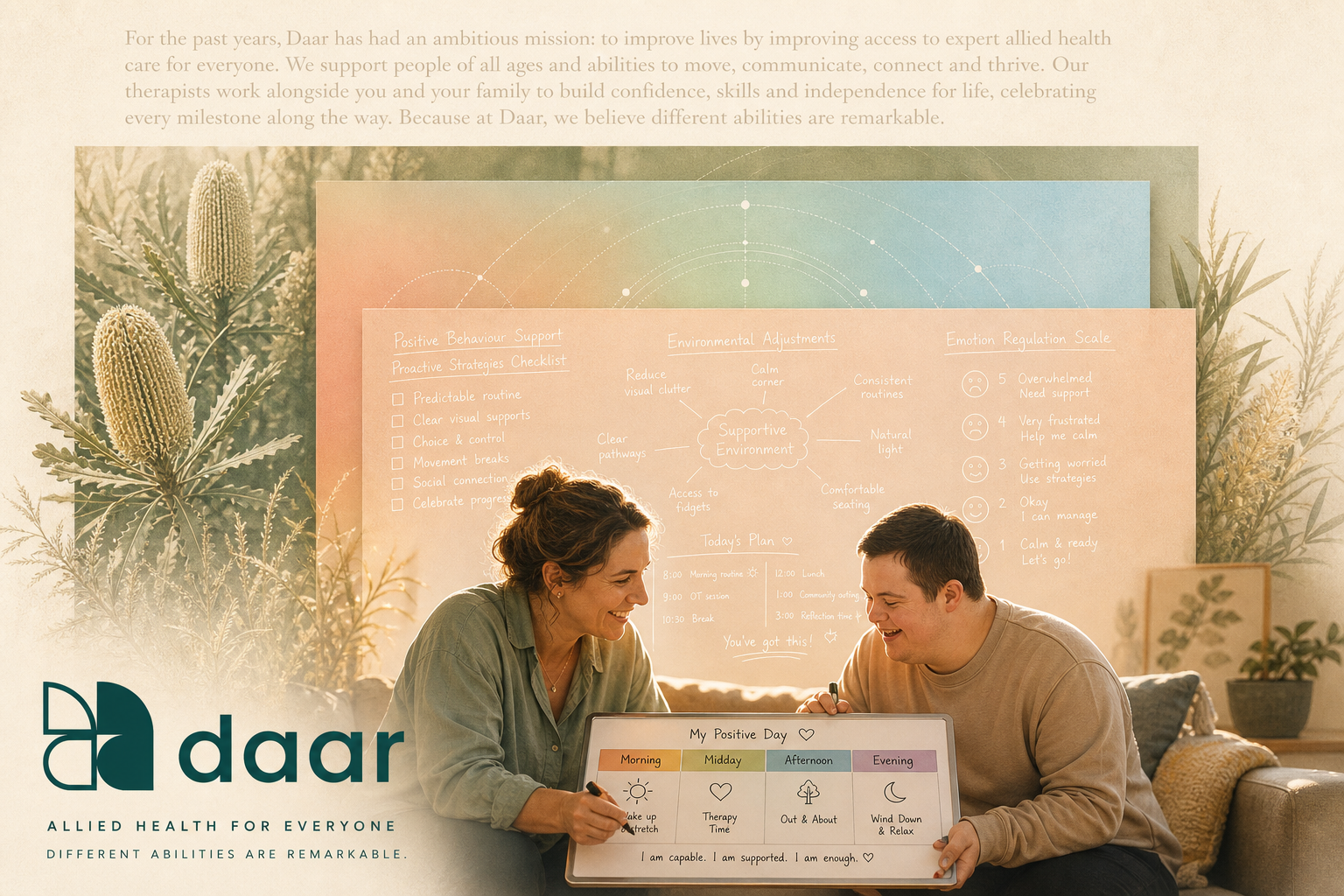
To access NDIS behaviour support, first check if it’s included in the participant’s plan. Sydney families can contact a provider directly, make a referral, or speak with a service team about local availability. Many providers also offer phone and email options.
Involving family members, carers, and other supporters early helps explain needs and routines, making planning easier and more effective.
Common ways to access support:
- Use your existing NDIS plan if it includes behaviour support.
- Refer through an online form or by contacting a provider.
- Speak with a local team about practitioner availability.
- Involve family or carers from the start to guide planning.
Conclusion
In summary, Behaviour Support Services play a vital role in enhancing the quality of life for individuals under the NDIS framework. By focusing on positive behaviour support principles, these services foster person-centered approaches that prioritize the unique needs and goals of each individual. The evidence-based strategies employed not only address challenging behaviours but also promote long-term positive outcomes. As families navigate the NDIS landscape, understanding how to access and utilize these services can make a significant difference in their journey. Remember, taking the first step toward effective support can lead to transformative changes.
If you’re ready to enhance your understanding and access these valuable services, don’t hesitate to reach out for a consultation or call daar at 02 9133 2500!
Frequently Asked Questions
What qualifications are required to become a behaviour support practitioner in Australia?
A behaviour support practitioner usually has qualifications in areas such as psychology, social work, or related fields, along with specific skills in assessment and support planning. PBS practitioners working with a specialist behaviour support provider must also meet requirements set through the NDIS Commission framework.
How are restrictive practices managed by behaviour support services?
Restrictive practices are managed carefully through a behaviour support plan that aims to reduce and eliminate their use over time. Positive behaviour support plans focus on lowering risk of harm, teaching alternatives, and improving quality of life through safer, more supportive responses.
What support do specialist behaviour support providers offer to individuals with challenging behaviours?
Specialist behaviour support providers offer assessment, planning, and practical strategies for people with behaviours of concern. They work with support teams to understand support needs, create tailored positive behavioural support plans, build communication and regulation skills, and improve consistency across home, school, and community settings.
.svg)




.svg)